
Carrot in Zone 6A — Pacific Northwest
Daucus carota · Your Complete 2026 Planting Guide
Planning Ahead — Great!
You’re ahead of the season. Here’s when to start.
Mark Your Calendar
How to Plant Carrot in Zone 6A — Pacific Northwest
Here are all your options for getting carrot in the ground, from the easiest method to more advanced approaches.
Direct Sow Seeds
RecommendedLate April through mid July
around April 26
Consider succession planting every 2-3 weeks for continuous harvest.
Carrots have a taproot and don't transplant. Direct sow only.
Buy Starts
Works WellLate April through late May
around April 26
Plant purchased starts after last frost (May 10).
Start Seeds Indoors
ChallengingThis plant is typically not started indoors.
Transplant Outdoors
Timing InfoLate April through late May
around April 26
Can tolerate light frost, but wait for soil to be workable.
You have a nice window — no need to rush.
Fall Planting
Mid July through mid August
August 3 ideal · Direct sow for fall harvest
Plant a second crop in mid-summer for fall harvest. Carrot actually prefers the cooling temperatures of fall.
Overview
Carrots are one of the most rewarding crops you can grow in our Pacific Northwest gardens. Our mild summers and cool nights create perfect conditions for developing sweet, flavorful roots that put grocery store carrots to shame. The slow, steady growth in our moderate temperatures allows sugars to develop fully, while our naturally loose forest soils (when amended) provide the deep, well-draining conditions carrots crave.
While our wet springs can delay planting and our cool soil takes time to warm up, carrots are actually well-suited to these challenges. With our 148-day growing season, you have plenty of flexibility to plant successive crops from late spring through midsummer, ensuring fresh carrots from early July right through our excellent fall weather until the first frost arrives in early October.
Transplanting Outdoors
Carrots have a long taproot and absolutely hate being disturbed, making transplanting nearly impossible and not recommended. The taproot develops early and any damage during transplanting will result in forked, stunted, or deformed roots.
If you must start seeds indoors due to challenging spring conditions, use deep containers and transplant while seedlings are very small (2-3 weeks old) during the late April through late May window. Handle the soil block carefully to avoid disturbing the developing taproot.
However, direct sowing is strongly preferred and will give you much better results. The slight inconvenience of waiting for soil to warm is worth avoiding the transplant shock that ruins carrot root development.
Direct Sowing
Direct sowing is the only reliable method for growing quality carrots in the Pacific Northwest. Start sowing as soon as your soil can be worked and has reached about 45°F, typically late April through mid-July. Our cool spring soil means patience pays off – wait for consistently dry conditions rather than rushing into wet ground.
Prepare your beds deeply, working the soil to at least 8 inches and removing all rocks and debris that could cause forking. Carrot seeds are tiny and slow to germinate, taking 10-21 days in our cool spring conditions. Sow seeds about ¼ inch deep and keep the soil surface consistently moist during this critical germination period.
Space seeds about ½ inch apart in rows, then thin to 2-3 inches once seedlings are established. Our overcast spring days actually help here – less sun means slower soil drying while seeds germinate. Consider successive plantings every 2-3 weeks through mid-July for continuous harvest through fall.
Watering Carrot in Zone 6A (Pacific Northwest)
Carrots need consistent moisture throughout their growing cycle, making water management critical in our dry summer months. During the first 2-3 weeks after sowing, keep the soil surface consistently damp – never letting it dry out completely. This is especially important during our typical dry spells in late spring and early summer.
Once established, carrots prefer about 1 inch of water per week, applied deeply and evenly. Use the finger test: stick your finger 2 inches into the soil near the plants. If it's dry at that depth, it's time to water. Our mild summer temperatures (rarely above 90°F) mean less water stress than hotter climates, but the dry summer conditions still require regular attention.
Water at soil level rather than overhead to prevent foliar diseases and reduce water waste in our low-humidity summers. Inconsistent watering causes cracking and splitting – a particular problem during our occasional late summer heat spells followed by fall rains. Signs of underwatering include wilting tops and bitter, tough roots. Overwatering shows as lush foliage with poor root development.
Apply a light mulch of straw or compost around plants once they're 3-4 inches tall. This helps maintain even moisture and reduces the frequent watering needs during our dry summer months, while keeping the soil cool around developing roots.
🧪Fertilizing Carrot
Feeding Schedule
Organic Fertilizer Options
Harvest Time
Your first carrots will be ready for harvest about 70 days from sowing, typically starting in early July for spring plantings. In our Pacific Northwest climate, you can continue harvesting through mid-October, taking advantage of our long, mild fall weather that actually improves carrot flavor as sugars concentrate in cooler temperatures.
Look for carrot shoulders (tops of roots) pushing up at the soil surface – they should be about ¾ inch in diameter for most varieties. The tops will be bushy and green, and you can gently brush soil away to check size without damaging the plant. Our cool nights during late summer actually improve carrot sweetness, so don't rush the harvest.
To harvest, loosen the soil around each carrot first, then pull straight up with a gentle twisting motion. Our clay-heavy soils can grip roots tightly, so be patient to avoid snapping carrots off at the soil line. Harvest in the morning when roots are crisp and full of moisture.
As our first frost approaches in early October, harvest all remaining carrots. Unlike some root crops, carrots don't improve after a light frost and can become tough. Store harvested carrots in damp sand in a cool location, or process immediately. Our mild fall weather gives you a generous harvest window compared to harsher climates.
Common Problems in Zone 6A (Pacific Northwest)
Forking Forked carrots split into multiple roots instead of forming one straight taproot, looking like tiny legs or fingers. This frustrating problem is common in Pacific Northwest gardens due to our naturally compacted clay soils and rocky conditions. The developing taproot hits an obstacle – whether a rock, hard clay layer, or clump of fresh manure – and divides around it.
Prevent forking by working your soil deeply and removing all rocks and debris. Consider raised beds filled with loose potting mix for the most reliable results. Never use fresh manure on carrot beds – stick to well-composted organic matter. Our heavy winter rains can compact soil, so work beds in spring only when they crumble in your hand rather than forming muddy clumps.
Carrot Rust Fly Small dark flies hovering around your carrot tops signal trouble – their larvae create rusty brown tunnels throughout carrot roots, making them inedible. You'll notice wilting foliage despite adequate watering, and damaged roots have distinctive rust-colored channels filled with tiny maggots. This pest is particularly problematic in our mild, moist climate.
Row covers are your best defense, especially during peak fly activity in late spring and early fall. Time plantings to avoid the first generation by delaying spring sowing until late May. Interplant carrots with onions – their strong scent confuses the flies. Avoid thinning during active periods (typically May and August) since bruised carrot foliage releases attractive scents.
Green Shoulders The tops of your carrots turn green where they push above soil level, creating bitter-tasting shoulders on otherwise perfect roots. This happens when carrot crowns are exposed to sunlight, causing them to produce chlorophyll. It's more common during our dry summer months when soil levels drop and roots push upward seeking moisture.
Hill soil or apply mulch over exposed carrot tops as they develop throughout the growing season. Check plants regularly during our dry summer months and cover any emerging shoulders promptly. Green portions are safe to eat but taste bitter – simply trim them off before using.
Pacific Northwest Specific Challenges: Our region's combination of wet springs, dry summers, and heavy clay soils creates unique challenges for carrot growing. Late blight rarely affects carrots directly, but our cool, wet spring conditions delay planting and slow germination. Slugs can damage young seedlings during wet spring weather – use organic slug bait around newly emerged plants. The mild summer heat is actually beneficial, preventing the stress that causes bitter, woody roots in hotter climates.
Best Companions for Carrot
Plant these nearby for healthier Carrot and better harvests.

Keep Away From

Companion Planting Details
Carrots pair beautifully with lettuce in Pacific Northwest gardens – the lettuce provides living mulch that conserves moisture during our dry summer months while its shallow roots don't compete with carrot taproots. Plant lettuce between carrot rows for efficient space use and natural weed suppression. Onions make excellent companions too, their strong scent helping deter carrot rust flies while their upright growth habit doesn't shade low-growing carrot foliage.
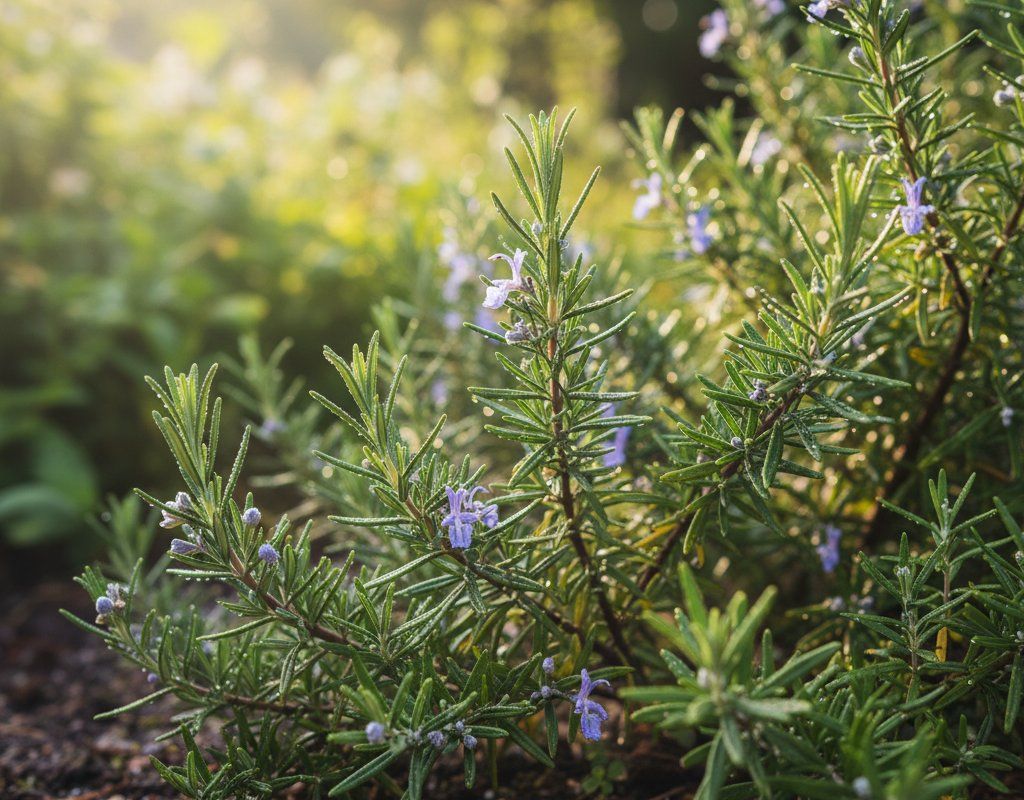
Tomatoes work well with carrots since both prefer similar deep, loose soil conditions, and tomatoes provide beneficial afternoon shade during occasional summer heat spells. Rosemary planted nearby helps repel various pests with its aromatic oils. Avoid planting carrots near dill, which can cross-pollinate if allowed to flower, creating off-flavors. Keep parsnips separate as well – they're in the same family and attract similar pests, potentially concentrating carrot rust fly problems in your garden beds.
🌸Best Flowers to Plant with Carrot
These flowers protect your Carrot from pests and attract pollinators for better harvests.


Get a Reminder When It's Time to Plant
We'll email you when key planting windows open for your zone.