
Carrot in Zone 6B — Great Plains
Daucus carota · Your Complete 2026 Planting Guide
Planning Ahead — Great!
You’re ahead of the season. Here’s when to start.
Mark Your Calendar
How to Plant Carrot in Zone 6B — Great Plains
Here are all your options for getting carrot in the ground, from the easiest method to more advanced approaches.
Direct Sow Seeds
RecommendedLate March through early August
around March 27
Consider succession planting every 2-3 weeks for continuous harvest.
Carrots have a taproot and don't transplant. Direct sow only.
Buy Starts
Works WellLate March through late April
around March 27
Plant purchased starts after last frost (April 10).
Start Seeds Indoors
ChallengingThis plant is typically not started indoors.
Transplant Outdoors
Timing InfoLate March through late April
around March 27
Can tolerate light frost, but wait for soil to be workable.
You have a nice window — no need to rush.
Fall Planting
Early August through early September
August 23 ideal · Direct sow for fall harvest
Plant a second crop in mid-summer for fall harvest. Carrot actually prefers the cooling temperatures of fall.
Overview
Carrots thrive in our Great Plains prairie soils, delivering sweet, crisp roots that put store-bought versions to shame. With our intense sunshine and fertile ground, you can grow exceptional carrots from early spring through fall, making the most of our 198-day growing season. The deep, loose soil structure that defines much of our region creates perfect conditions for straight, well-formed roots.
Our extreme temperature swings and variable precipitation present some challenges, but carrots are surprisingly adaptable to Plains weather. These cool-season crops handle our spring temperature fluctuations well, and with proper timing, you can harvest continuously from early summer through the first hard frost in late October.
Transplanting Outdoors
Carrots have a long taproot and absolutely hate being moved, so transplanting isn't recommended for this crop. The taproot develops early and any disturbance will cause forked, stunted, or malformed roots. Even if you successfully move a carrot seedling, you'll likely end up with disappointing, twisted roots at harvest time.
If you accidentally started carrots indoors, your best bet is to direct sow fresh seeds outdoors instead. The energy you'd spend trying to transplant carefully would be better invested in preparing a perfect seedbed for direct sowing.
Direct Sowing
Direct sowing is the only reliable method for growing quality carrots in our Plains climate. Plan to sow from late March through early August, taking advantage of our long growing season. The soil temperature should be at least 45°F, though seeds germinate faster when it reaches 55-60°F. Our prairie soils warm quickly once spring arrives, making early sowing possible.
Work your soil deeply to at least 8 inches, removing rocks and breaking up any compacted areas that could cause forking. Carrots need loose, well-draining soil to develop straight roots. Plant seeds about ¼ inch deep and 2-3 inches apart in rows. In our windy conditions, consider creating slight furrows between rows to protect emerging seedlings from desiccation.
Keep the soil consistently moist during the 14-21 day germination period - this is critical in our low-to-moderate humidity climate. Cover the seeded area with a thin layer of straw or row cover to prevent the soil surface from crusting over, which commonly happens when our variable spring rains are followed by intense sun and wind.
Watering Carrot in Zone 6B (Great Plains)
Consistent moisture is absolutely critical for carrot success in our Plains climate, especially during germination when seeds need constant dampness for 2-3 weeks. Our hot summers with typical highs around 93°F and variable rainfall make regular watering essential - carrots are not drought tolerant despite what some sources claim.
During germination, check soil moisture daily and water lightly if the surface begins to dry. Once established, carrots need about 1 inch of water per week, but in our intense heat and wind, they may need more frequent watering. Use the finger test: if soil is dry 2 inches down, it's time to water. Water at the base of plants rather than overhead to conserve moisture in our low-to-moderate humidity conditions.
Maintain even soil moisture throughout the growing season to prevent cracking and splitting, which happens when dry periods are followed by heavy watering or sudden rains. This is especially important in our region where rainfall can be feast-or-famine. Signs of underwatering include wilted tops and stunted growth, while overwatering leads to lush foliage but poor root development.
Apply a thin layer of straw mulch around plants to conserve moisture and keep soil temperatures more stable during our extreme temperature swings. This also helps prevent the soil surface from crusting in our windy conditions, which can impede root expansion.
🧪Fertilizing Carrot
Feeding Schedule
Organic Fertilizer Options
Harvest Time
Your first carrots will be ready for harvest about 70 days after planting, typically starting in early June for spring sowings and continuing through early November with succession plantings. Look for carrot tops that are about ¾ inch in diameter at the soil surface - you'll often see the orange shoulders peeking above ground level.
Test harvest a few carrots by gently pulling or loosening the soil around them first to avoid snapping the roots. Mature carrots should pull easily from our loose prairie soils. If they resist, work a garden fork into the soil alongside the row to loosen them before pulling.
Harvest becomes more urgent as our first frost approaches in late October. While carrot tops will be killed by freezing temperatures, the roots themselves can handle light frosts and actually become sweeter. However, plan to harvest your main crop before hard freezes arrive, as frozen ground makes digging difficult.
For the best flavor and storage quality, harvest during cool morning hours when possible. Our intense fall sunshine can cause harvested carrots to become limp quickly, so get them into cool storage or the refrigerator promptly after cleaning off excess soil.
Common Problems in Zone 6B (Great Plains)
Forking Forked or twisted carrots are frustratingly common when roots hit obstacles in the soil. You'll see carrots that split into multiple "legs" or grow in strange curved shapes instead of straight, tapered roots. In our region, this often happens when roots encounter rocks, hard clay layers, or root knots from previous crop residue in our prairie soils.
The solution is deep soil preparation before planting. Work compost into heavy clay areas and remove all rocks and debris to at least 8 inches deep. Avoid fresh manure, which causes forking - use only well-composted organic matter. For consistently problematic soils, consider raised beds filled with loose potting mix or choose shorter carrot varieties that don't need as much root depth.
Carrot Rust Fly Small dark flies hovering near your carrot plants signal trouble, followed by rusty brown tunnels throughout the roots at harvest. The maggots tunnel through carrot flesh, making roots inedible. While less common in our region than in more humid climates, carrot rust flies can still be problematic, especially in areas with consistent irrigation.
Row covers provide the best protection - install them immediately after planting and keep them on until harvest, removing only for weeding. You can also delay spring planting until late April to avoid the first generation of flies. Interplanting with onions helps confuse the flies with competing scents, and harvest carrots promptly rather than leaving them in the ground.
Green Shoulders When carrot tops push above the soil surface, they turn green from sun exposure, creating bitter-tasting shoulders. This is particularly common in our intense Plains sunshine. While green shoulders are safe to eat, they detract from carrot quality and appearance.
Hill soil or apply mulch over any exposed carrot shoulders as they develop throughout the season. Our wind can blow soil away from developing roots, so check periodically and add soil as needed. Consistent watering helps prevent soil erosion around the roots, and prompt harvesting prevents shoulders from pushing further above ground.
Great Plains Specific Challenges Our extreme temperature swings can stress carrot plants, while strong winds dry out soil surfaces quickly during the critical germination period. The combination of intense heat and variable rainfall means you'll need to pay closer attention to watering than gardeners in more stable climates, but our fertile prairie soils and intense sunshine produce exceptional carrot quality when these challenges are managed properly.
Best Companions for Carrot
Plant these nearby for healthier Carrot and better harvests.

Keep Away From
Companion Planting Details
Lettuce and carrots make perfect companions in our Plains climate - lettuce provides light shade for carrot seedlings during hot spells and matures quickly, leaving room for carrots to expand. Plant leaf lettuce between carrot rows for efficient space use and natural soil cooling. Onions planted nearby help deter carrot rust flies with their strong scent and don't compete for the same soil space since they're shallow-rooted.
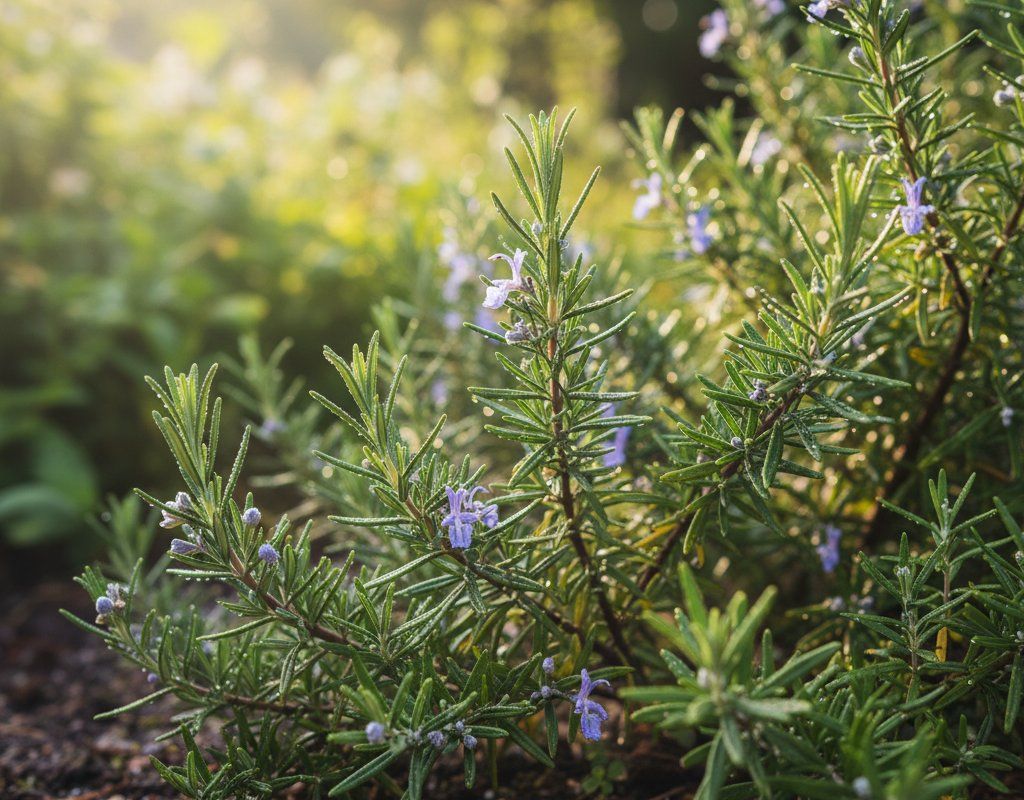
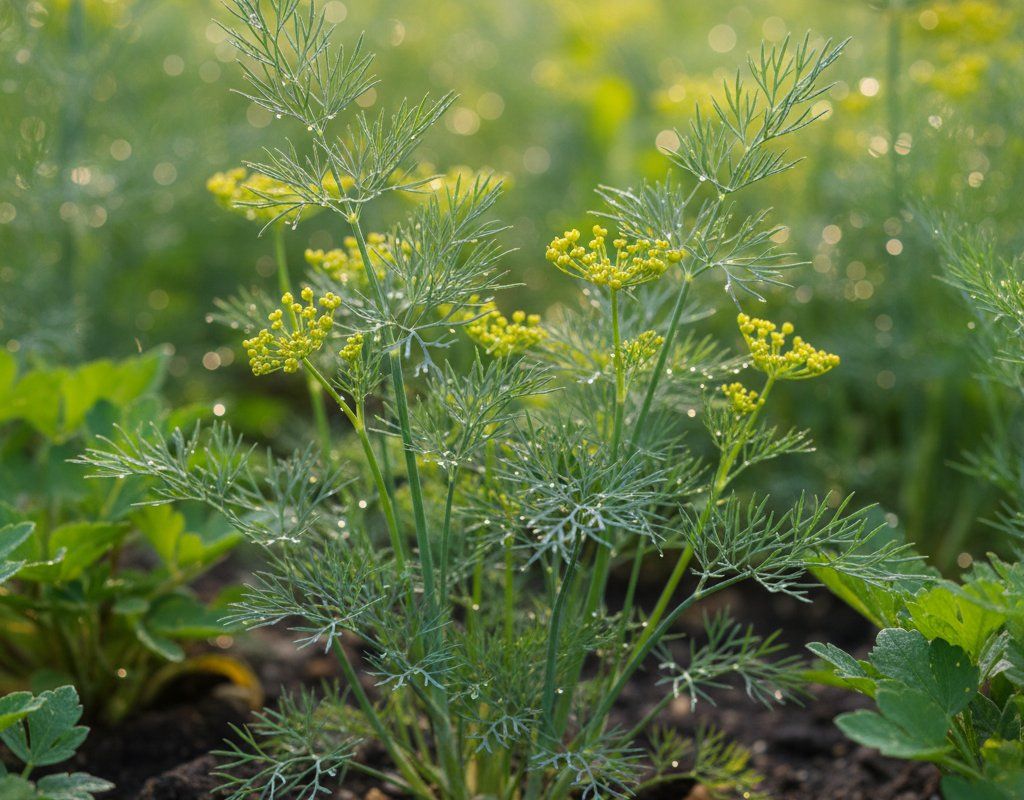
Tomatoes work well near carrots since their deep roots don't interfere with carrot development, and both crops benefit from consistent watering schedules. Rosemary planted at row ends can help repel carrot flies and other pests while thriving in our intense summer heat. Avoid planting carrots near dill, which can cross-pollinate and reduce carrot flavor, or parsnips, which attract the same pests and compete for identical growing conditions in our prairie soils.
🌸Best Flowers to Plant with Carrot
These flowers protect your Carrot from pests and attract pollinators for better harvests.


Get a Reminder When It's Time to Plant
We'll email you when key planting windows open for your zone.