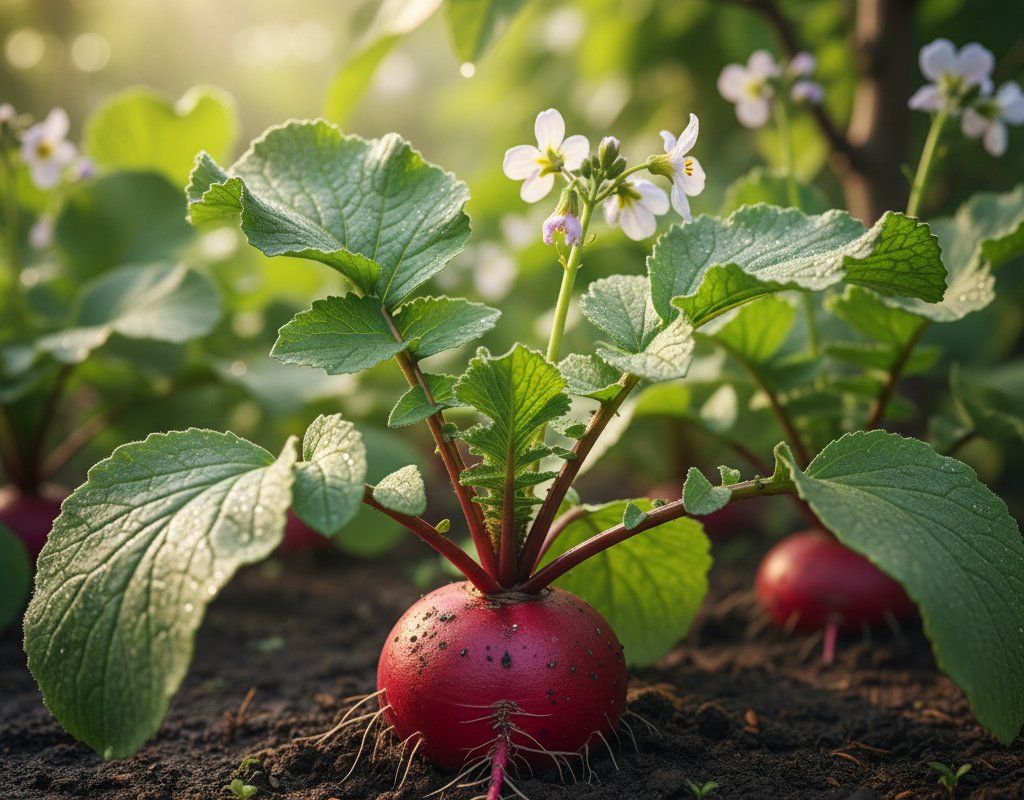
Radish in Zone 6B — Great Plains
Raphanus sativus · Your Complete 2026 Planting Guide
Planning Ahead — Great!
You’re ahead of the season. Here’s when to start.
Mark Your Calendar
How to Plant Radish in Zone 6B — Great Plains
Here are all your options for getting radish in the ground, from the easiest method to more advanced approaches.
Direct Sow Seeds
RecommendedMid March through mid September
around March 13
Consider succession planting every 2-3 weeks for continuous harvest.
Fast-growing and easy. No reason to start indoors.
Buy Starts
Works WellMid March through late April
around March 13
Plant purchased starts after last frost (April 10).
Start Seeds Indoors
ChallengingThis plant is typically not started indoors.
Transplant Outdoors
Timing InfoMid March through late April
around March 13
Can tolerate light frost, but wait for soil to be workable.
You have a nice window — no need to rush.
Fall Planting
Late August through late September
September 13 ideal · Direct sow for fall harvest
Plant a second crop in mid-summer for fall harvest. Radish actually prefers the cooling temperatures of fall.
Overview
Radishes are the perfect crop for our Great Plains gardens, delivering crisp, peppery roots in just 25 days from seed to harvest. In our intense sunshine and fertile prairie soil, these fast-growing brassicas give you fresh garden produce while you're still waiting for tomatoes and peppers to even think about flowering. Their quick turnaround makes them ideal for succession planting throughout our variable growing seasons, and you can tuck them between slower crops to maximize your garden space.
While our extreme temperature swings and windy conditions can challenge many vegetables, radishes actually thrive in our cool springs and falls. With your 198-day growing season, you have multiple opportunities to grow successive crops from early spring through late fall. The key is working with our Plains climate patterns rather than fighting them.
Transplanting Outdoors
Transplanting radishes isn't typically necessary since they grow so quickly from direct-sown seed, but if you do choose to start them indoors for an extra-early crop, you can transplant from mid-March through late April. Give seedlings a full week of gradual hardening off, as our spring temperature swings can shock tender plants even when the average temperatures look mild.
Space transplants 2-4 inches apart in rows, and be prepared to provide wind protection during their first week in the garden. Young radish leaves can dry out quickly in our persistent Plains winds. Plant them slightly deeper than they were growing in containers to anchor against wind damage.
Watch the weather forecast carefully during transplant time, as late March and April can bring everything from snow to 80-degree days within the same week. Row covers or cold frames give you flexibility to protect plants during unexpected cold snaps.
Direct Sowing
Direct sowing is absolutely the way to go with radishes in the Great Plains – it's faster, easier, and gives better results than transplanting. You can sow from mid-March through mid-September, taking advantage of our long growing season for multiple successive plantings every 2-3 weeks.
Sow seeds ½ inch deep in loose, well-draining soil once soil temperatures hit 40°F. Our prairie soils are naturally fertile, so you rarely need heavy amendments – just work in some compost if your soil is particularly heavy clay. Space seeds 2-4 inches apart, or sow more thickly and thin later. The intense Plains sunshine means even partial shade locations will produce good roots.
For spring plantings, watch for those early warm spells that can trick you into planting too early, then slam you with a hard freeze. Radishes handle light frost fine, but wait until consistent temperatures stay above freezing. Summer sowings work best in late August through September when our brutal heat starts breaking.
Watering Radish in Zone 6B (Great Plains)
Radishes need consistent moisture to develop those crisp, mild roots we're after – drought stress turns them woody and fiery hot. In our variable rainfall climate, you can't rely on Mother Nature alone, especially during our hot summers when temperatures hit 93°F regularly.
Check soil moisture by sticking your finger 2 inches down near the plants. The soil should feel consistently damp but not waterlogged. Plan on about 1 inch of water per week, either from rainfall or irrigation. Our low-to-moderate humidity means water evaporates quickly, so check more frequently during windy periods.
Water at soil level rather than overhead when possible. While our humidity isn't high enough to create major disease problems, wet leaves combined with our intense UV can cause burning. Early morning watering gives plants time to dry before the heat peaks.
Since radishes mature in just 25 days, you're not dealing with long-term water management. Focus on keeping that top 6 inches of soil evenly moist from germination through harvest. A thin layer of grass clippings or shredded leaves helps retain moisture and protect roots from our temperature swings.
🧪Fertilizing Radish
Feeding Schedule
Organic Fertilizer Options
Harvest Time
Your first radishes will be ready for harvest in early April if you planted in mid-March, continuing through early November for fall plantings. Watch for the shoulders to push above the soil surface – that's your cue that roots are sizing up. Most spring radishes are perfect when they reach about 1 inch in diameter, usually right at that 25-day mark.
Pull radishes by grasping the leaves close to the root and tugging straight up. Don't wait too long thinking they'll get bigger and better – radishes past their prime become woody, pithy, and increasingly hot. The window between perfect and past-prime is only a few days in our warm Plains climate.
Check your plantings daily once they hit the 20-day mark, especially during warm weather when they can size up quickly. If you planted a whole row at once, harvest the largest first and leave smaller ones for a few more days. Store harvested radishes in the refrigerator with the greens removed.
As late October approaches and first frost threatens, harvest any remaining radishes regardless of size. Unlike some root crops that can handle frost, radish quality deteriorates quickly once frozen. The good news is you can start another crop in early spring, just 4-5 months away.
Common Problems in Zone 6B (Great Plains)
Flea Beetles Small round holes scattered across radish leaves like someone shot them with tiny buckshot signals flea beetle damage. These tiny dark beetles jump like fleas when disturbed and can devastate young seedlings in a matter of days. Our windy Plains conditions can blow these pests around, concentrating damage in protected areas where young plants are trying to establish.
The beetles feed most heavily on small, tender leaves of young brassicas. Cool, wet springs followed by warm weather create perfect conditions for population explosions. Use row covers over newly seeded areas until plants reach 4-5 inches tall, when they can better tolerate feeding damage. Delaying spring plantings by 2-3 weeks often means plants are large enough to outgrow the damage.
Pithy Roots Radishes that look normal on the outside but have dry, fibrous, cotton-like centers instead of crisp flesh indicate drought stress or overmature roots. Our extreme temperature swings can stress plants even with adequate water, and radishes left too long in warm soil develop this condition quickly.
Consistent soil moisture is critical – even a few days of dry soil during root development causes pithiness. In our variable climate, this means checking soil moisture every couple days rather than relying on weekly watering schedules. Harvest promptly when radishes reach proper size rather than hoping they'll continue improving.
Root Maggots Yellowing, wilting plants despite adequate water often indicate root maggot damage below ground. These small white larvae tunnel through radish roots, leaving brown scars and entry points for rot organisms. Cool, moist spring conditions favor these pests, which emerge from overwintering pupae in the soil.
Adult flies lay eggs near the base of plants, and larvae tunnel into developing roots. Crop rotation helps since maggots overwinter in soil where brassicas grew the previous year. Row covers during the critical 2-3 weeks after planting prevent adults from laying eggs. Yellow sticky cards help monitor adult fly populations.
Great Plains Specific Challenges Our combination of intense heat, persistent wind, and variable moisture creates unique stresses for radishes. Rapid temperature changes from cool mornings to hot afternoons can cause plants to bolt prematurely or develop poor root quality. Wind desiccation compounds drought stress even when soil moisture seems adequate, making consistent irrigation more critical here than in calmer climates.
Best Companions for Radish
Plant these nearby for healthier Radish and better harvests.

Keep Away From
Companion Planting Details
Radishes make excellent companions for carrots in Plains gardens – the fast-growing radishes break up soil for the slower carrots and are harvested long before carrots need the space. Plant radish seeds in the same rows as carrot seeds, and the radishes will germinate quickly to mark the rows while you wait for carrots to emerge. Lettuce also pairs well since both prefer cool weather and similar moisture levels, letting you maximize space during our prime spring and fall growing windows.
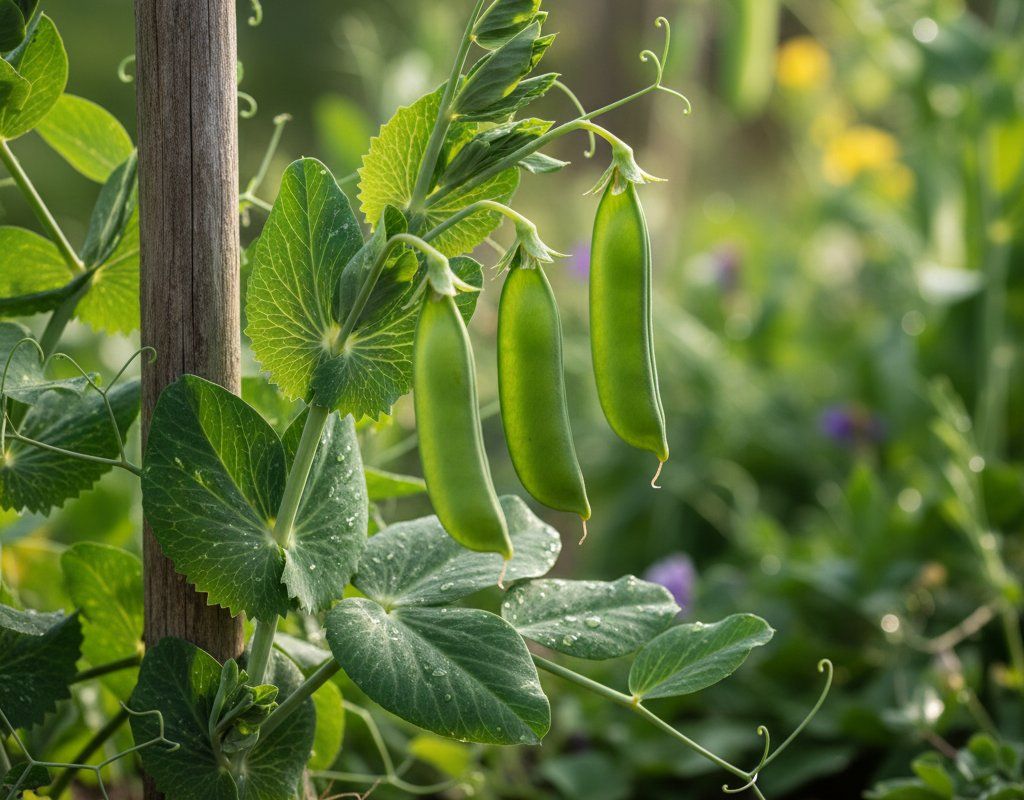
Peas and radishes work beautifully together in early season plantings, with peas providing some wind protection for young radish seedlings while radishes mature and clear out before peas need the space for spreading. Avoid planting radishes near hyssop, which can stunt radish growth and affect flavor development. The aromatic compounds from hyssop seem particularly problematic in our intense sunshine, where plant stress compounds are more concentrated.
🌸Best Flowers to Plant with Radish
These flowers protect your Radish from pests and attract pollinators for better harvests.



Get a Reminder When It's Time to Plant
We'll email you when key planting windows open for your zone.