
Carrot in Zone 7A — Mountain West
Daucus carota · Your Complete 2026 Planting Guide
Planning Ahead — Great!
You’re ahead of the season. Here’s when to start.
Mark Your Calendar
How to Plant Carrot in Zone 7A — Mountain West
Here are all your options for getting carrot in the ground, from the easiest method to more advanced approaches.
Direct Sow Seeds
RecommendedEarly April through mid July
around April 6
Consider succession planting every 2-3 weeks for continuous harvest.
Carrots have a taproot and don't transplant. Direct sow only.
Buy Starts
Works WellEarly April through early May
around April 6
Plant purchased starts after last frost (April 20).
Start Seeds Indoors
ChallengingThis plant is typically not started indoors.
Transplant Outdoors
Timing InfoEarly April through early May
around April 6
Can tolerate light frost, but wait for soil to be workable.
You have a nice window — no need to rush.
Fall Planting
Late July through late August
August 8 ideal · Direct sow for fall harvest
Plant a second crop in mid-summer for fall harvest. Carrot actually prefers the cooling temperatures of fall.
Overview
Carrots thrive in our Mountain West climate, developing exceptional sweetness thanks to our cool nights that slow sugar conversion back to starch. The intense sunlight at altitude promotes strong tops while the moderate temperatures keep roots from getting woody. Growing your own carrots means enjoying varieties you'll never find in stores—from purple Paris Market rounds perfect for our rocky soils to long Nantes types that showcase what real carrot flavor should be.
Our short growing season and alkaline soil present challenges, but carrots are actually well-suited to Mountain conditions. With our 173-day growing season, you can succession plant from spring through midsummer for continuous harvests. The key is understanding when to plant and how to manage our intense UV and low humidity during the critical germination period.
Transplanting Outdoors
Carrots develop a long taproot and absolutely cannot be transplanted successfully. Any disturbance to their taproot results in forked, stunted, or deformed roots. If you see carrot transplants at the garden center, skip them—they're destined to disappoint.
The transplant window of early April through early May would normally be perfect timing in our zone, but carrots must be direct-sown where they'll grow. This actually works in your favor since you avoid the hardening-off process and potential transplant shock that can plague other crops during our unpredictable spring weather.
Direct Sowing
Direct sowing is your only option with carrots, and it works beautifully in our Mountain climate. Plant from early April through mid-July, starting as soon as you can work the soil in spring. Carrot seeds need soil temperatures around 45-50°F to germinate, which typically arrives by early to mid-April at our elevation.
Prepare your soil deeply—at least 8-12 inches—removing every rock, clod, and stick you find. Our naturally compacted clay and rocky mountain soils cause forked carrots, so consider raised beds filled with loose potting mix for the straightest roots. Sow seeds ¼ inch deep and space them about 2-3 inches apart after thinning. The tiny seeds take 2-3 weeks to germinate, so keep the soil consistently moist during this critical period.
For succession planting, sow new rows every 2-3 weeks through mid-July. Later sowings actually perform better in our intense summer sun since they'll mature in cooler fall weather when our low humidity is less stressful on developing roots.
Watering Carrot in Zone 7A (Mountain West)
Consistent moisture is absolutely critical for carrot germination in our dry Mountain climate. Keep the soil surface damp for the full 2-3 week germination period—this means checking daily and likely watering every day or two. Our low humidity and intense sun can dry out the top inch of soil within hours, killing emerging seedlings.
Once established, carrots need about 1 inch of water per week, but our 10-20 inches of annual rainfall means you'll be irrigating throughout the growing season. Water deeply at soil level rather than overhead—our low humidity means overhead watering evaporates quickly and wastes water. Use the finger test: soil should be moist 2 inches down but not waterlogged.
Uneven watering causes split and cracked carrots, which is especially problematic during our typical late-summer dry spells. If you let carrots get stressed and dry, then water heavily, the roots expand too quickly and crack. Maintain steady soil moisture by checking every few days rather than soaking weekly.
A light mulch of grass clippings or straw helps retain moisture and keeps our intense UV from heating the soil surface. Just keep mulch away from the crown area where carrot shoulders might push up and turn green.
🧪Fertilizing Carrot
Feeding Schedule
Organic Fertilizer Options
Harvest Time
Your first carrots will be ready for harvest from mid-June through mid-October, typically 70 days from sowing. Look for carrot shoulders poking up at soil level—they should be about ¾ inch diameter for full-size varieties. Baby carrots can be harvested smaller for tender, sweet roots.
Test harvest by gently pulling one carrot, or loosen the soil around it first with a trowel to avoid snapping the root. In our rocky mountain soils, loosening first prevents frustrating breaks right at ground level. If the carrot resists pulling, it needs more time or the soil needs loosening.
Fall carrots actually improve in our cool mountain nights—they'll get sweeter as temperatures drop in September and early October. You can harvest right up until our first hard frost in early October, though a light frost won't hurt the roots. Cold-touched carrots develop incredible sweetness that store-bought varieties never match.
Unlike tomatoes or peppers, carrots won't ripen after harvest, so only pull what you need. Roots left in the ground stay fresh longer than those stored in your refrigerator, especially during our cool fall weather.
Common Problems in Zone 7A (Mountain West)
Forking Deformed carrots with multiple "legs" instead of single straight roots are frustrating but common in mountain gardens. You'll pull up carrots that look like tiny pants or have wild twisted shapes instead of the straight roots you expected. This happens when the taproot hits an obstacle—rocks, hard clay, or even clumps of uncomposted organic matter—and splits around it. Our naturally rocky and compacted mountain soils are notorious for causing this problem. Grow carrots in raised beds with loose, screened potting mix for the straightest roots. Work your soil deeply and remove every stone larger than a marble. Avoid fresh manure which creates obstacles as it breaks down.
Carrot Rust Fly Small rusty-brown tunnels throughout your carrot roots signal carrot rust fly damage, along with small dark flies hovering near plants and wilting tops despite adequate water. The larvae tunnel through roots making them inedible. This pest is less common at higher elevations but can still appear, especially in areas with sandy soil. Row covers provide the best protection during the fly's active periods in late spring and midsummer. Our intense UV can make row covers necessary anyway during peak summer, so this works double-duty. Interplanting with onions helps mask the carrot scent that attracts egg-laying females.
Green Shoulders Green tops on otherwise orange carrots occur when the shoulder pushes above soil level and develops chlorophyll from sun exposure. Our intense high-altitude UV makes this especially common and the green portions taste bitter. Hill soil over exposed shoulders as carrots develop, or apply mulch around the plants. Check your carrot patch regularly since our dry conditions cause soil to shrink and expose more root tops than in humid climates.
Mountain West Specific Challenges: Our alkaline soil can cause carrots to develop poorly, appearing stunted or off-color. Amend with sulfur or organic matter to lower pH slightly. The combination of intense UV and low humidity stresses young plants, so consider shade cloth during the hottest part of summer for late sowings.
Best Companions for Carrot
Plant these nearby for healthier Carrot and better harvests.

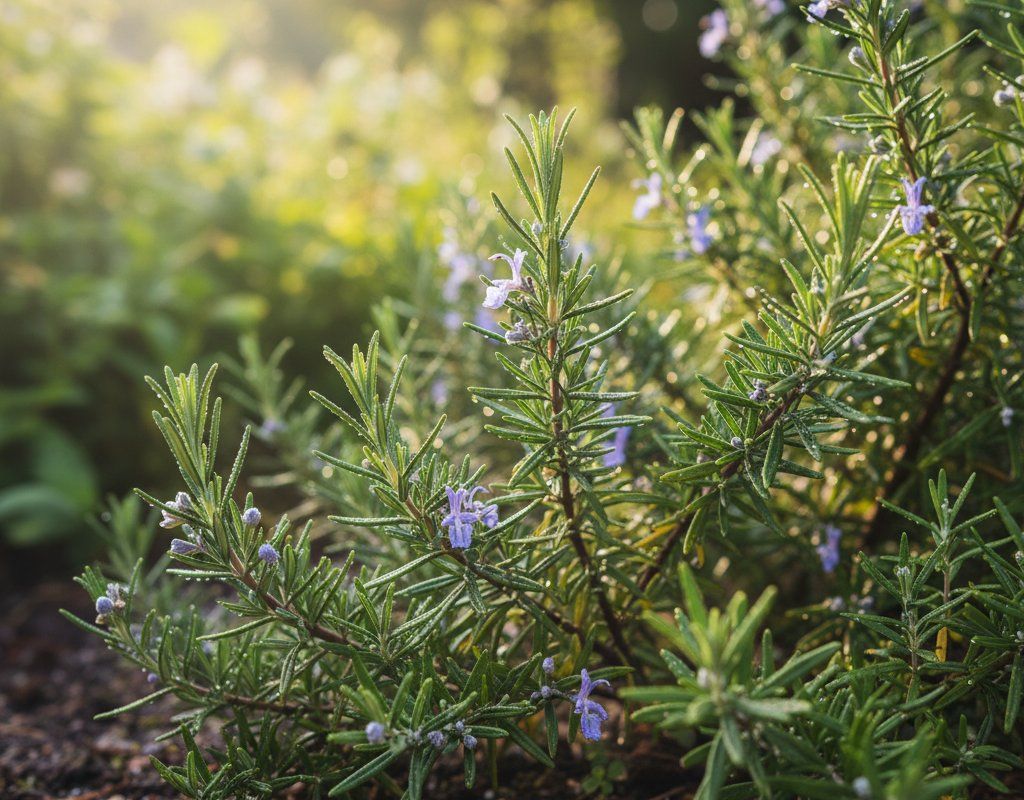
Keep Away From
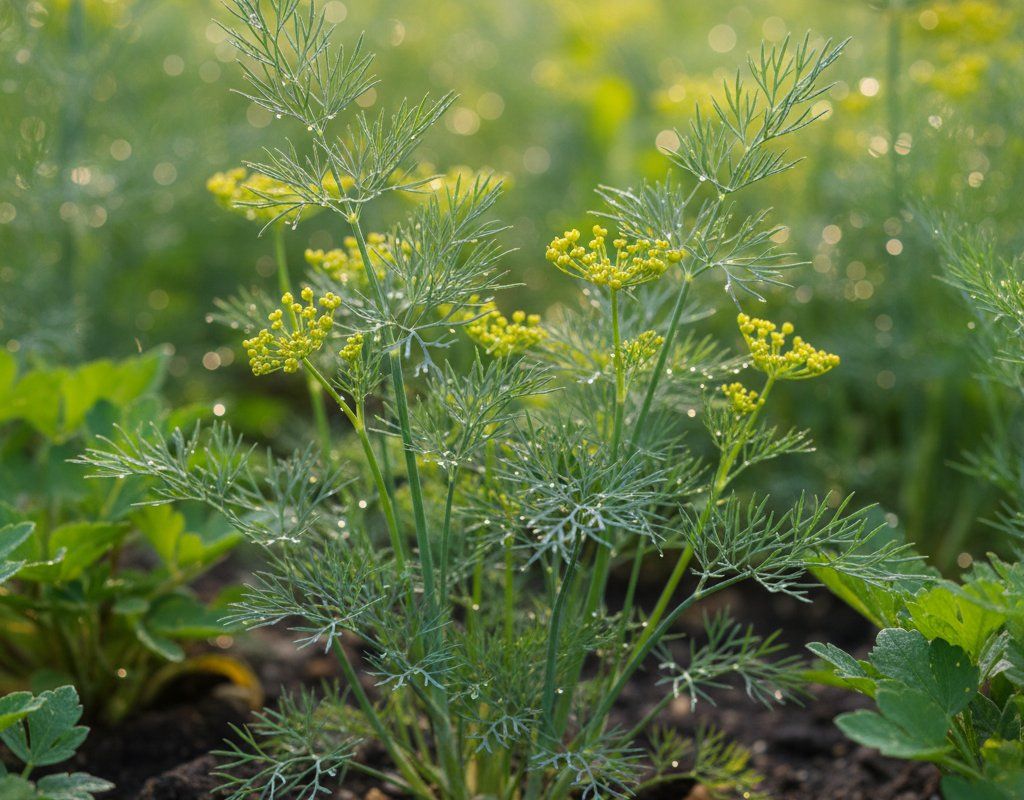
Companion Planting Details
Lettuce makes an excellent companion for carrots in our short mountain season since it matures quickly and uses space efficiently between slower-growing carrot rows. The lettuce also provides light shade for carrot seedlings during our intense summer sun. Onions planted nearby help repel carrot rust fly with their strong scent, plus both crops have similar water needs in our dry climate.
Tomatoes work well with carrots since tomato foliage provides afternoon shade during our peak UV hours, though keep tomatoes far enough away that their deeper watering doesn't create soggy conditions around carrot roots. Avoid planting dill near carrots—it attracts the same pests and can cross-pollinate if allowed to flower. Skip parsnips as companions since they're in the same family and compete for identical soil nutrients in our already-challenging alkaline conditions.
🌸Best Flowers to Plant with Carrot
These flowers protect your Carrot from pests and attract pollinators for better harvests.


Get a Reminder When It's Time to Plant
We'll email you when key planting windows open for your zone.