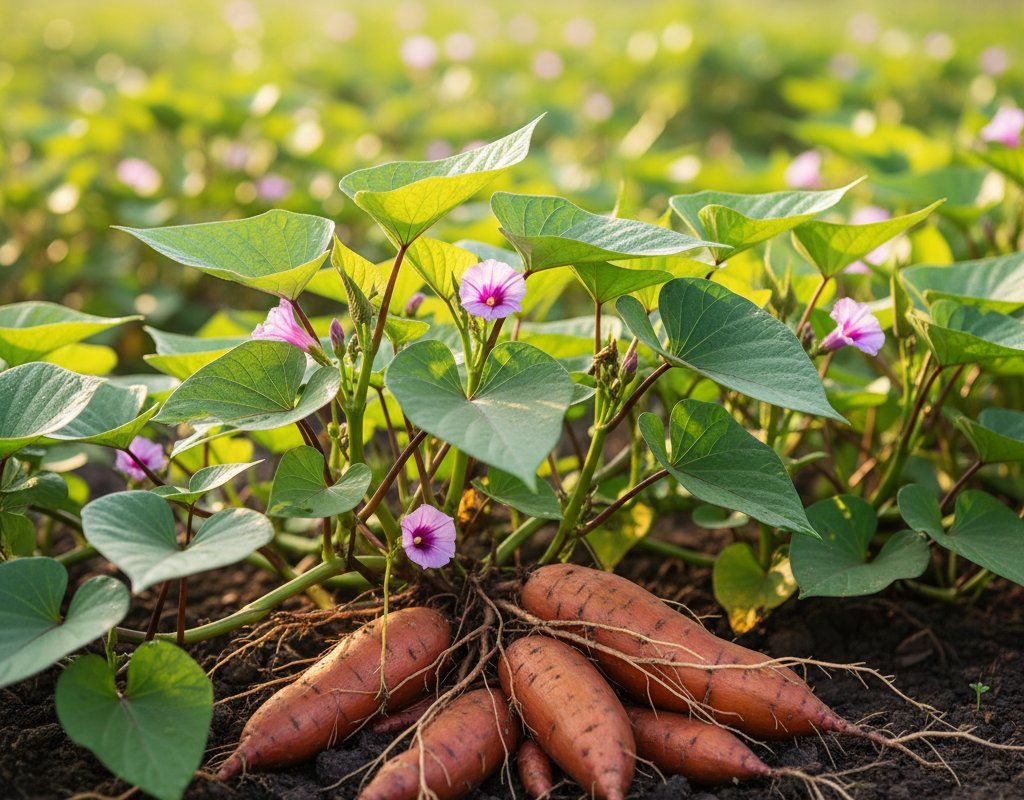
Sweet Potato in Zone 7A — Mountain West
Ipomoea batatas · Your Complete 2026 Planting Guide
Planning Ahead — Great!
You’re ahead of the season. Here’s when to start.
Mark Your Calendar
How to Plant Sweet Potato in Zone 7A — Mountain West
Here are all your options for getting sweet potato in the ground, from the easiest method to more advanced approaches.
Buy Starts
RecommendedMid May through early June
around May 11
Plant purchased starts after last frost (April 20).
Plant slips (rooted sprouts) after soil is warm. Buy slips or grow your own from a sweet potato.
Start Seeds Indoors
Works WellEarly to late March
around March 16
Then transplant: Mid May through early June
Start seeds 8-10 weeks before transplanting outdoors.
Direct Sow Seeds
ChallengingDirect sowing is not typical for Sweet Potato.
Transplant Outdoors
Timing InfoMid May through early June
around May 11
Wait until nighttime temperatures stay above 50°F.
Plan to transplant within a few weeks of your target date.
Overview
Sweet potatoes bring something special to Mountain West gardens—their incredible versatility and rich flavor that develops beautifully in our cool nights. Even with our intense sun and high altitude conditions, these nutritious vines can produce impressive harvests when you time things right. The natural sweetness concentrates wonderfully in our low-humidity climate, and you'll find they store exceptionally well for winter eating.
Yes, sweet potatoes need warmth and our short season presents challenges, but with our 173-day growing season, you have just enough time to grow them successfully. The key is starting with slips (rooted sprouts) rather than seeds, and being patient until soil temperatures warm up in late spring. Once established, they actually thrive in our dry conditions better than many gardeners expect.
Starting Seeds Indoors
Starting sweet potatoes from seed isn't the typical approach—most Mountain gardeners work with slips instead. If you do want to try seeds, start them early to late March, about 8 weeks before your transplant window. You'll need consistent warmth (75-80°F) and good light, which can be challenging during our unpredictable spring weather.
Set up your seed trays with a heat mat and grow lights, since our late spring means you can't rely on sunny windows yet. Use bottom watering to maintain consistent moisture without creating fungal problems. Keep in mind that growing from seed adds extra time to an already tight growing season.
The more reliable approach is buying certified disease-free slips in late April or early May, or starting your own slips from store-bought sweet potatoes about 6 weeks before transplant time. This method gives you a much better head start in our short season.
Transplanting Outdoors
Wait until mid-May through early June to transplant your sweet potato slips outdoors. The soil needs to be consistently warm—at least 60°F—and our last frost risk has passed. With our cool nights even in summer, rushing the timing will just stress the plants without any benefit.
Harden off your slips gradually over a week, starting with a few hours of morning sun and working up to full exposure. Our intense UV can shock tender plants, so this step is especially important at altitude. Space slips 12-18 inches apart in loose, well-draining soil that's been amended with compost.
Plant slips slightly deeper than they were growing, burying about two-thirds of the stem. This encourages strong root development, which is crucial for surviving our dry conditions. Create small hills or raised rows to improve drainage and help soil warm faster in our cool spring mornings.
Watering Sweet Potato in Zone 7A (Mountain West)
Sweet potatoes need moderate water to get established, then become surprisingly drought-tolerant—perfect for our dry Mountain climate. During the first few weeks after transplanting, water consistently to help roots develop, providing about an inch per week including any rainfall we actually get.
Once established by mid-summer, you can reduce watering to every 7-10 days unless we're in an exceptionally dry spell. In our low-humidity environment, check soil moisture by sticking your finger 2 inches deep near the base of the plant. The soil should feel barely moist, not wet or completely dry.
Water at the base of plants rather than overhead to conserve moisture and prevent any fungal issues that might develop during our brief humid periods after thunderstorms. Our intense sun means morning watering works best—it gives plants time to absorb moisture before the heat peaks.
About 3-4 weeks before your expected harvest in late September, reduce watering significantly. This helps the tubers develop better flavor and storage quality. Overwatering late in the season can cause the sweet potatoes to crack or develop poor texture.
🧪Fertilizing Sweet Potato
Feeding Schedule
Organic Fertilizer Options
Harvest Time
Your first sweet potatoes will be ready from mid-August through late September, typically about 100 days after transplanting. Unlike regular potatoes, you can't leave sweet potatoes in the ground once they're mature—they need to be harvested before any frost threat, which means early October in our area.
Look for yellowing vines as your first clue that tubers are developing underground. The best indicator is simply timing—sweet potatoes don't give obvious external signs of readiness like other root crops do. Carefully dig a test hill around the 90-day mark to check size and development.
Harvest on a dry day when soil isn't muddy from recent storms. Use a garden fork to gently loosen soil around the entire plant, working from the outside in. Sweet potato tubers can extend 2-3 feet from the main plant, so dig carefully to avoid damaging them with your tools.
Don't wait for that first frost—even a light freeze will damage the tubers underground. If an unexpected early freeze threatens, harvest immediately even if tubers seem small. Once dug, brush off excess soil but don't wash them. Cure in a warm (80-85°F), humid location for 1-2 weeks before storing in a cool, dry place.
Common Problems in Zone 7A (Mountain West)
Sweet Potato Weevils These small, dark beetles create tunnels through your tubers, leaving behind dark holes and a bitter taste. You'll see small emergence holes on the surface of harvested sweet potatoes, and the flesh inside shows dark tunnels with a distinctly unpleasant smell. In our dry climate, weevils are less common than in humid regions, but they can still appear, especially in stored tubers from previous seasons. Prevent problems by using certified disease-free slips, rotating crops away from previous sweet potato locations, and removing all plant debris after harvest. Inspect stored sweet potatoes regularly and remove any showing signs of damage.
Wireworms These thin, yellowish larvae bore small, round holes into developing tubers, creating entry points for rot. You'll find the damage when you dig your harvest—small, clean holes that go deep into the flesh, often with the slim worm still inside. Wireworms thrive in soil that's been in grass or weeds, common in our newly developed garden areas. They're more problematic in our alkaline soils that haven't been regularly amended. Work compost into your planting area each spring, avoid planting where sod was recently removed, and consider beneficial nematodes as a biological control if wireworms become a persistent problem.
Cracking Sweet potato tubers split open with deep cracks that expose the orange flesh, making them prone to rot and reducing storage life. This happens when plants get heavy watering or rain after a dry period—the tubers absorb water faster than their skin can expand to accommodate the growth. Our erratic late-summer thunderstorms followed by dry spells create perfect conditions for this problem. Maintain consistent soil moisture with mulch and regular watering rather than letting plants go through wet-dry cycles. Reduce watering as harvest approaches, and choose varieties known for crack resistance if this becomes a recurring issue.
Mountain West Specific Challenges: Our intense UV can stress sweet potato vines if they don't have adequate water, while our cool nights actually help concentrate sugars in the tubers. The combination of dry air and sudden thunderstorms means consistent watering is more critical here than in naturally humid climates.
Best Companions for Sweet Potato
Plant these nearby for healthier Sweet Potato and better harvests.


Keep Away From
Companion Planting Details
Sweet potatoes work beautifully in traditional three-sisters plantings with beans and corn, which makes perfect sense for our Mountain growing conditions. The beans fix nitrogen that feeds both the corn and sweet potatoes, while the sweet potato vines spread as a living mulch to conserve soil moisture—crucial in our dry climate. Corn provides some afternoon shade that protects the vines from our intense UV during the hottest part of summer.
Winter squash also pairs well with sweet potatoes since both crops need the same warm soil and full sun conditions. Plant squash on the north side so their large leaves don't shade the sweet potato vines. Both crops benefit from deep, infrequent watering once established, making them natural partners for our water-wise gardening approach. Avoid planting sweet potatoes near tomatoes or peppers, not because they harm each other, but because they compete for the same warm soil space and have different watering needs as the season progresses.
🌸Best Flowers to Plant with Sweet Potato
These flowers protect your Sweet Potato from pests and attract pollinators for better harvests.
For Pest Control




Get a Reminder When It's Time to Plant
We'll email you when key planting windows open for your zone.