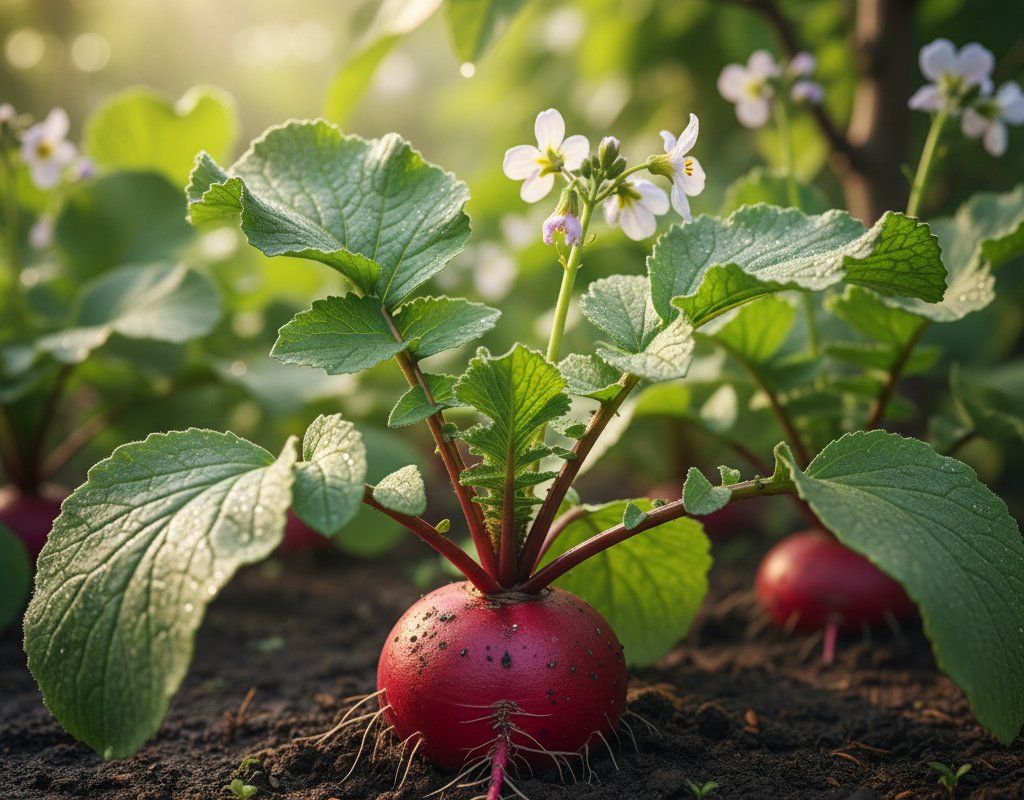
Radish in Zone 7A — Mountain West
Raphanus sativus · Your Complete 2026 Planting Guide
Planning Ahead — Great!
You’re ahead of the season. Here’s when to start.
Mark Your Calendar
How to Plant Radish in Zone 7A — Mountain West
Here are all your options for getting radish in the ground, from the easiest method to more advanced approaches.
Direct Sow Seeds
RecommendedLate March through early September
around March 23
Consider succession planting every 2-3 weeks for continuous harvest.
Fast-growing and easy. No reason to start indoors.
Buy Starts
Works WellLate March through early May
around March 23
Plant purchased starts after last frost (April 20).
Start Seeds Indoors
ChallengingThis plant is typically not started indoors.
Transplant Outdoors
Timing InfoLate March through early May
around March 23
Can tolerate light frost, but wait for soil to be workable.
You have a nice window — no need to rush.
Fall Planting
Mid August through mid September
August 29 ideal · Direct sow for fall harvest
Plant a second crop in mid-summer for fall harvest. Radish actually prefers the cooling temperatures of fall.
Overview
Radishes are perfect for Mountain West gardens, delivering crisp, peppery satisfaction in just 25 days from our cool spring soil to your table. Our intense high-altitude sun and cool nights create ideal conditions for developing that perfect bite — mild enough for fresh eating but with enough zip to wake up your taste buds. They're one of the few crops that actually benefits from our short, intense growing season.
With our 173-day growing season and unpredictable spring weather, radishes offer the perfect introduction to Mountain gardening. Yes, we face late frosts and temperature swings, but radishes handle our cool nights beautifully and mature so quickly that you can succession plant throughout the season. Their hardy nature means they'll push through those chilly April mornings that send other crops scrambling.
Transplanting Outdoors
While you can transplant radish seedlings, there's really no advantage to starting them indoors in our Mountain climate. If you do find yourself with transplants, move them outside during your late March through early May window when soil temperatures consistently reach 40°F.
Give transplants a full week of hardening off — our intense UV and temperature swings can shock tender seedlings. Start with 2-3 hours of morning sun, gradually increasing exposure. Space transplants 2-4 inches apart in rows or scattered through garden beds.
The main challenge with transplanting radishes at altitude is that they develop better root systems when direct-sown. Our rocky, alkaline soil can cause transplant shock, leading to smaller, less flavorful roots. Save yourself the trouble and direct sow instead.
Direct Sowing
Direct sowing is absolutely the way to go with radishes in the Mountain West — and it couldn't be easier. Sow seeds from late March through early September, timing your plantings every 2-3 weeks for continuous harvests. Wait until your soil reaches 40°F, which usually happens by late March in most Mountain valleys.
Work compost into your planting area to help with our alkaline soil, then scatter seeds 2-4 inches apart and cover with ½ inch of soil. In our intense sun and low humidity, keep the soil surface consistently moist until germination in 5-7 days. The beauty of radishes is they'll germinate in cool soil that would leave warm-season crops sitting dormant.
For fall crops, start your final sowings by mid-September to ensure harvest before our early October frosts. Summer sowings do best in partial shade during our hottest weeks — the cool nights help balance the intense daytime UV and prevent bitter, woody roots.
Watering Radish in Zone 7A (Mountain West)
Consistent moisture is absolutely critical for growing crisp, mild radishes in our dry Mountain climate — and this is where many Mountain gardeners go wrong. Unlike regions with summer humidity and regular rainfall, we need to be proactive about irrigation from the moment seeds hit the soil. Radishes need about 1 inch of water per week, but in our low humidity and intense sun, they may need more frequent, lighter waterings.
Use the finger test religiously: soil should feel consistently moist 2 inches down. In our dry air, surface soil can look wet while roots are stressed just beneath. Drought stress happens fast with radishes — just a few days without adequate water turns sweet, crisp roots into woody, fiery-hot disappointments that'll clear your sinuses.
Water at the base rather than overhead, especially during our intense afternoon sun. Our low humidity means foliar watering doesn't provide the cooling benefit it does in humid climates, and wet leaves can actually magnify UV damage. Morning watering works best, giving plants time to absorb moisture before afternoon heat peaks.
Apply 2-3 inches of straw mulch around plants once they're established. In our dry climate, mulch is insurance against moisture loss and helps buffer temperature swings. With radishes being such a fast crop, maintaining consistent soil moisture for just 25-30 days makes all the difference between success and disappointment.
🧪Fertilizing Radish
Feeding Schedule
Organic Fertilizer Options
Harvest Time
Your first radishes will be ready from mid-April through mid-October, depending on when you planted. At 25 days from seeding, start checking daily — radishes move from perfect to past-prime quickly in our intense sun. Look for shoulders pushing above the soil surface, usually when roots reach about 1 inch in diameter for standard spring varieties.
Pull radishes when they feel firm and have good color. In our climate, morning harvest gives you the crispest roots since cool nights help maintain moisture content. Twist and pull straight up — the entire root should come out cleanly. If it breaks off, your soil may be too compacted or too dry.
Don't let radishes sit too long in the ground, especially during hot spells. Our intense UV and temperature swings can turn perfect radishes woody and hollow in just a few extra days. Unlike storage crops, there's no benefit to leaving them longer than necessary.
As your early October frost approaches, harvest all remaining radishes regardless of size. Small radishes are often the sweetest anyway, and they won't continue growing once temperatures drop. Clean, trim, and store in the refrigerator where they'll keep for several weeks.
Common Problems in Zone 7A (Mountain West)
Flea Beetles
What it looks like: Tiny round holes scattered across radish leaves, creating a distinctive "shot-hole" pattern. You'll spot small, dark beetles that jump like fleas when disturbed, especially active during warm afternoons in late spring.
What causes it: These small jumping beetles target young brassicas when they're most vulnerable. Our intense spring sun stress makes seedlings even more appealing to flea beetles, and our low humidity means plants recover slowly from feeding damage.
How to fix/prevent it: Cover seedlings with lightweight row covers for the first 2-3 weeks — this is especially important in our intense UV where damaged leaves struggle to photosynthesize. Remove covers once plants are established and can outgrow the damage. Interplanting with basil or catnip provides some natural deterrence.
Root Maggots
What it looks like: Tunnels and brown scarring on radish roots, often with small white maggots visible inside. Above ground, plants may wilt unexpectedly despite adequate moisture, and leaves develop a bluish tint.
What causes it: Adult flies lay eggs near the base of plants in cool, moist soil — exactly the conditions we maintain for good radish growth. Our cool spring mornings provide perfect egg-laying conditions for these pests.
How to fix/prevent it: Use row covers during the critical egg-laying period in early spring. Avoid planting in soil where brassicas grew the previous year. Yellow sticky traps can catch adult flies before they lay eggs.
Pithy Roots
What it looks like: Radishes that look normal from outside but are spongy, hollow, or have woody centers when cut. They taste bitter and hot instead of crisp and mildly peppery.
What causes it: Inconsistent watering in our low-humidity climate is the main culprit. Our intense sun and dry air can stress roots quickly, triggering this survival response. Leaving radishes too long in warm soil also causes pithiness.
How to fix/prevent it: Maintain consistent soil moisture with regular deep watering. Harvest promptly at maturity — don't let them sit extra days. Provide afternoon shade during the hottest part of summer to reduce stress.
Mountain West Specific Challenges: Our combination of intense UV, low humidity, and alkaline soil creates unique stress conditions for radishes. The dry air means plants lose moisture faster than in other climates, while our alkaline soil can interfere with nutrient uptake. Success comes from consistent watering, well-amended soil, and prompt harvesting before our intense sun causes quality deterioration.
Best Companions for Radish
Plant these nearby for healthier Radish and better harvests.


Keep Away From
Companion Planting Details
Radishes make excellent companions for carrots in Mountain gardens — their quick maturity breaks up soil for slower-developing carrot roots, and they'll be harvested long before carrots need the space. Plant lettuce nearby to take advantage of radishes' natural pest-deterring properties, and both crops appreciate similar cool, moist conditions in our dry climate. Peas work beautifully as companions since they fix nitrogen that benefits radishes, and both tolerate our cool spring temperatures.
Avoid planting radishes near hyssop, which can stunt their growth through allelopathic effects. In our intense sun and short growing season, radishes need every advantage they can get, and any plant that interferes with their rapid development isn't worth the space. Keep the area around radishes clear of aggressive spreaders that might compete for our precious irrigation water.
🌸Best Flowers to Plant with Radish
These flowers protect your Radish from pests and attract pollinators for better harvests.



Get a Reminder When It's Time to Plant
We'll email you when key planting windows open for your zone.