
Carrot in Zone 7A — Pacific Northwest
Daucus carota · Your Complete 2026 Planting Guide
Planning Ahead — Great!
You’re ahead of the season. Here’s when to start.
Mark Your Calendar
How to Plant Carrot in Zone 7A — Pacific Northwest
Here are all your options for getting carrot in the ground, from the easiest method to more advanced approaches.
Direct Sow Seeds
RecommendedEarly April through late July
around April 6
Consider succession planting every 2-3 weeks for continuous harvest.
Carrots have a taproot and don't transplant. Direct sow only.
Buy Starts
Works WellEarly April through early May
around April 6
Plant purchased starts after last frost (April 20).
Start Seeds Indoors
ChallengingThis plant is typically not started indoors.
Transplant Outdoors
Timing InfoEarly April through early May
around April 6
Can tolerate light frost, but wait for soil to be workable.
You have a nice window — no need to rush.
Fall Planting
Early August through early September
August 18 ideal · Direct sow for fall harvest
Plant a second crop in mid-summer for fall harvest. Carrot actually prefers the cooling temperatures of fall.
Overview
Carrots are one of the most rewarding crops you can grow in our Pacific Northwest climate, delivering sweetness and crunch that store-bought varieties simply can't match. Our mild summers and cool nights create ideal conditions for developing those complex, sweet flavors that make homegrown carrots so special. You'll taste the difference in everything from fresh snacking to roasted winter dishes, and there's something deeply satisfying about pulling a perfect orange root from your own soil.
While our wet springs can make soil preparation challenging and our cool soils slow early germination, carrots are actually well-suited to our 183-day growing season. The key is working with our climate patterns rather than against them – timing your sowings to take advantage of our long, mild fall and understanding how our dry summer months affect watering needs.
Transplanting Outdoors
Carrots have long taproots that don't tolerate transplanting well, making direct sowing the strongly preferred method in the Pacific Northwest. If you do choose to transplant seedlings, you'll need to work within the narrow window of early April through early May, before the taproot develops too extensively.
Should you attempt transplanting, start with biodegradable pots that can go directly into the ground to minimize root disturbance. Harden off your seedlings gradually over a week, watching for those sudden temperature swings common in our spring weather. Space transplants 2-3 inches apart in deeply worked soil.
However, most experienced PNW gardeners skip transplanting entirely with carrots. The risk of root damage and stunted growth makes direct sowing the much more reliable approach for our growing conditions.
Direct Sowing
Direct sowing is the best method for growing carrots in our Pacific Northwest climate. You can sow from early April through late July, giving you multiple opportunities for succession plantings throughout our growing season. Start your first sowings once soil temperatures reach 45°F consistently – this usually happens by mid-April in our region.
Prepare your soil deeply, working in compost and removing any rocks or debris that could cause forked roots. Our spring soils often stay cool and wet longer than other regions, so consider raised beds or adding coarse sand to improve drainage. Carrot seeds are tiny and slow to germinate in cool conditions, so be patient – they can take 2-3 weeks to emerge in our typical spring weather.
Sow seeds about ¼ inch deep and 2-3 inches apart, or broadcast thinly and thin later. Keep the soil consistently moist during germination, which is especially important during our dry summer months. A light covering of vermiculite or fine compost helps retain moisture while allowing the delicate seedlings to push through.
Watering Carrot in Zone 7A (Pacific Northwest)
Consistent moisture is absolutely critical for carrots, especially during the 2-3 week germination period when our dry summer conditions can quickly dry out the soil surface. Once established, carrots need about 1 inch of water weekly, but your watering strategy should shift dramatically with our seasonal patterns.
During our wet spring months, focus on ensuring good drainage rather than adding water – soggy soil leads to rot and poor germination. As we transition into the dry summer period (typically by late June), you'll need to water more frequently but deeply. Check soil moisture by inserting your finger 2 inches down; the soil should feel evenly moist but not waterlogged.
Water at the base of plants rather than overhead, especially during our humid spring mornings when moisture on foliage can encourage disease. Our mild summer temperatures mean you won't need the intensive watering required in hotter climates, but don't let the surface dry out completely. Inconsistent watering causes carrots to crack or develop a woody texture.
Apply a thin layer of straw mulch around established plants to retain moisture during the dry summer months, but keep it away from the carrot shoulders to prevent pest issues. Signs of underwatering include stunted growth and bitter flavor, while overwatering shows up as cracked roots and yellowing foliage.
🧪Fertilizing Carrot
Feeding Schedule
Organic Fertilizer Options
Harvest Time
Your first carrots will be ready for harvest about 70 days after sowing, typically appearing from mid-June through late October depending on your planting schedule. Look for carrot tops pushing slightly above the soil surface – when they reach about ¾ inch in diameter, they're ready to pull.
Test harvest a few carrots by gently loosening the soil around them first, then pulling straight up with a slight twisting motion. Avoid yanking, which can snap the root and leave the bottom portion in the ground. The shoulders should be bright orange and firm, with no soft spots or cracking.
Carrots actually improve in flavor after light frosts, making them perfect for our long Pacific Northwest fall season. You can leave them in the ground well into late October or even early November, harvesting as needed. However, don't wait too long – carrots left past maturity become woody and bitter.
As your first frost approaches in mid-October, harvest any remaining carrots for storage. Our mild fall weather often allows for extended harvesting, but once hard freezes threaten, pull everything and store in a cool, humid location like your refrigerator crisper drawer.
Common Problems in Zone 7A (Pacific Northwest)
Forking appears as carrot roots that split into multiple branches or grow in twisted, deformed shapes instead of straight, smooth roots. This frustrating problem often stems from rocky or compacted soil that forces the developing taproot to grow around obstacles. Our clay-heavy Pacific Northwest soils can contribute to this issue, especially in areas that haven't been well-amended. Work your soil deeply each season, removing rocks and adding compost to create the loose, friable conditions carrots need. Consider raised beds filled with a quality potting mix if your native soil is too challenging.
Carrot rust fly shows up as rusty brown tunnels throughout your carrot roots, often accompanied by small dark flies hovering around plants and wilting foliage despite adequate moisture. These flies lay eggs near carrot stems, and the resulting maggots tunnel into developing roots. Row covers provide the most effective prevention – install them immediately after seeding and keep them in place until harvest. Our mild Pacific Northwest climate allows multiple generations of these flies, so consistent protection is essential. Interplanting with onions can help confuse the flies with competing scents.
Green shoulders occur when the top portions of carrot roots turn green where they've pushed above soil level and been exposed to sunlight. While these green areas are safe to eat, they can taste slightly bitter. Hill soil or apply mulch over exposed carrot tops as they develop, checking regularly during the growing season. This problem is more common during our dry summer months when soil levels can drop around developing roots.
Pacific Northwest Specific Challenges: Our region's slug population can damage young carrot seedlings, especially during wet spring weather. Use organic slug bait or copper barriers around seeded areas. The cool, moist conditions during spring can also slow germination and increase the risk of damping-off disease, making proper soil drainage and air circulation essential for success.
Best Companions for Carrot
Plant these nearby for healthier Carrot and better harvests.

Keep Away From
Companion Planting Details
Carrots pair beautifully with lettuce in our Pacific Northwest gardens, as the lettuce provides ground cover that helps retain moisture during our dry summer months while the carrots' deep roots don't compete for surface nutrients. Onions make excellent companions too, with their strong scent helping to confuse carrot rust flies – a particular concern in our mild, pest-friendly climate. Plant onions in rows alongside your carrot beds for maximum benefit.
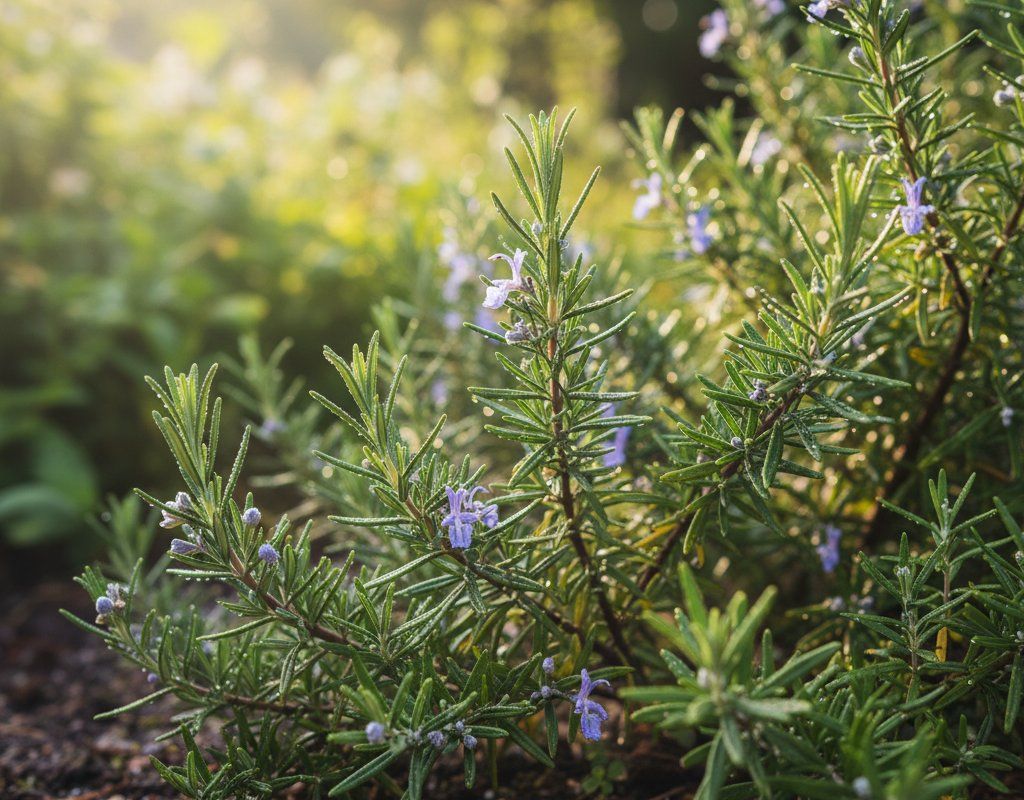
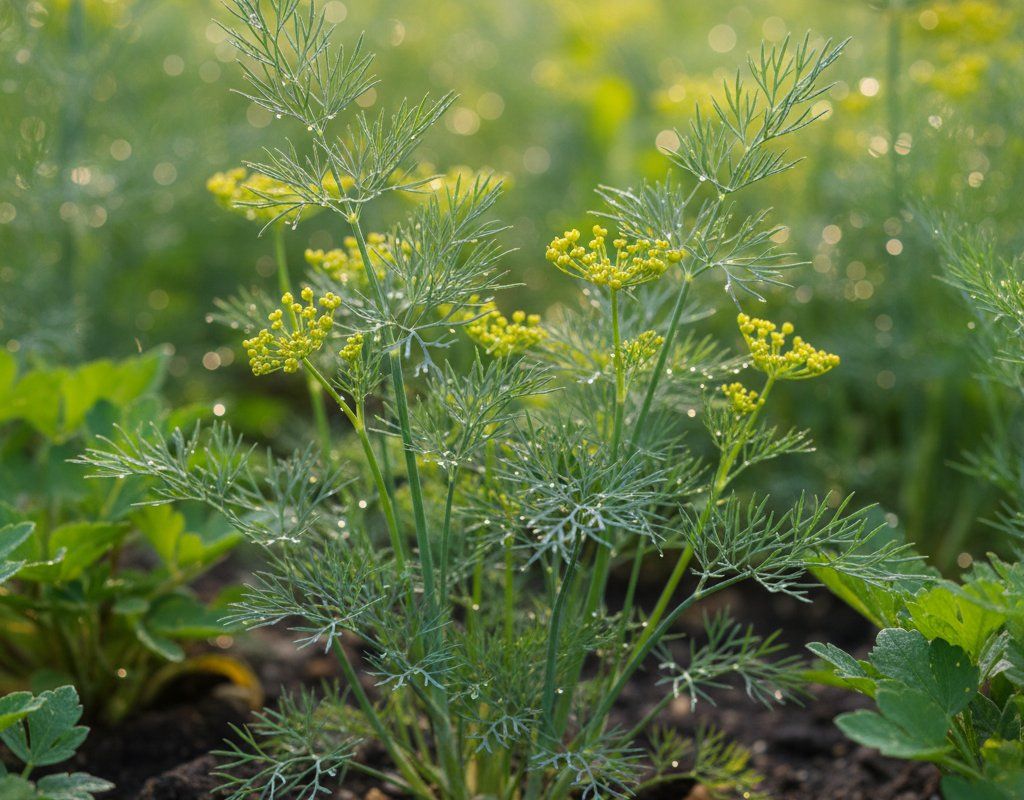
Tomatoes can work as companions since they occupy different soil levels, though be mindful of watering needs during our dry summer period. Rosemary planted nearby may help deter some pests with its aromatic oils. Avoid planting dill near carrots, as it can attract the same pests and may cross-pollinate if allowed to go to seed. Parsnips should also be kept separate since they're in the same family and share similar pest problems – concentrating these crops together can create larger target areas for carrot rust flies.
🌸Best Flowers to Plant with Carrot
These flowers protect your Carrot from pests and attract pollinators for better harvests.


Get a Reminder When It's Time to Plant
We'll email you when key planting windows open for your zone.