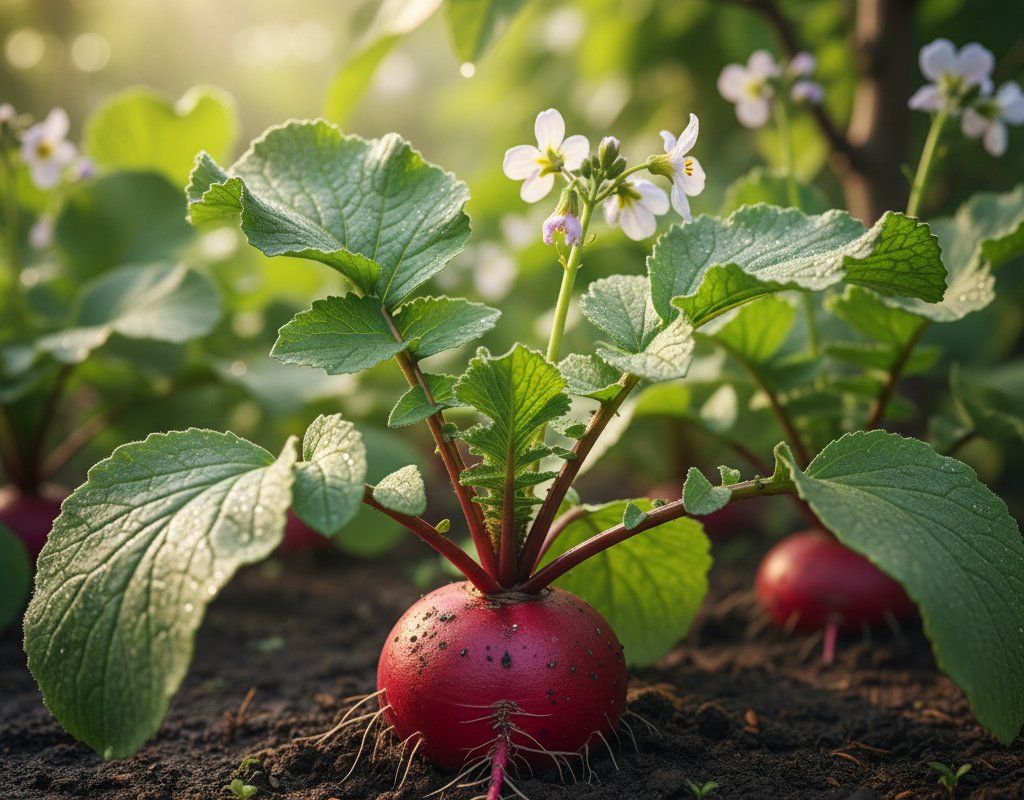
Radish in Zone 7A — Pacific Northwest
Raphanus sativus · Your Complete 2026 Planting Guide
Planning Ahead — Great!
You’re ahead of the season. Here’s when to start.
Mark Your Calendar
How to Plant Radish in Zone 7A — Pacific Northwest
Here are all your options for getting radish in the ground, from the easiest method to more advanced approaches.
Direct Sow Seeds
RecommendedLate March through mid September
around March 23
Consider succession planting every 2-3 weeks for continuous harvest.
Fast-growing and easy. No reason to start indoors.
Buy Starts
Works WellLate March through early May
around March 23
Plant purchased starts after last frost (April 20).
Start Seeds Indoors
ChallengingThis plant is typically not started indoors.
Transplant Outdoors
Timing InfoLate March through early May
around March 23
Can tolerate light frost, but wait for soil to be workable.
You have a nice window — no need to rush.
Fall Planting
Late August through late September
September 8 ideal · Direct sow for fall harvest
Plant a second crop in mid-summer for fall harvest. Radish actually prefers the cooling temperatures of fall.
Overview
Fresh radishes from your Pacific Northwest garden deliver a crisp snap and mild bite that makes store-bought roots taste flat by comparison. Our cool nights and mild summers create perfect conditions for radishes to develop their best flavor without the harsh heat that can make them overly pungent or woody. With our 183-day growing season, you can succession plant radishes from late March clear through early fall, giving you months of these quick-growing vegetables that add crunch to salads and sandwiches.
While our wet springs can delay soil warming and our dry summer months require consistent watering, radishes are so fast-growing at just 25 days to harvest that even beginning gardeners can master them. The key is timing your sowings to work with our regional weather patterns rather than against them.
Transplanting Outdoors
Transplanting radishes outdoors works best during our transition period from late March through early May, though direct sowing is the preferred method for this fast-growing crop. If you do choose to transplant, start seeds indoors just 2-3 weeks before your planned transplant date to avoid root disturbance.
Harden off transplants gradually over a week by placing them outside during mild overcast spring days and bringing them in during cool nights. Space transplants 2-4 inches apart in well-draining soil. Our wet springs can create soggy conditions, so ensure good drainage to prevent root rot.
Since radishes mature in just 25 days and prefer not to have their taproots disturbed, direct sowing eliminates transplant shock and often produces better results in our Pacific Northwest gardens.
Direct Sowing
Direct sowing is the best method for radishes in the Pacific Northwest, giving you the highest success rate with minimal effort. You can sow seeds from late March through mid-September, making radishes one of our most reliable season-extending crops. Start your first sowings when soil temperature reaches 40°F, which typically happens during those warming spells in late March.
Prepare your soil by loosening it to 6 inches deep and removing any rocks or debris that could cause misshapen roots. Sow seeds ½ inch deep and 2-4 inches apart in rows or scatter them in blocks. Our cool spring soil means germination takes 7-10 days initially, speeding up to 4-6 days during warmer summer months.
For continuous harvests, sow new rows every two weeks through summer, then increase frequency for fall crops from late August through late September. Fall radishes often taste sweeter thanks to our cool autumn weather.
Watering Radish in Zone 7A (Pacific Northwest)
Radishes need consistent, moderate moisture to develop crisp, mild roots in our Pacific Northwest climate. Inconsistent watering or drought stress creates woody, pithy radishes with harsh, burning heat that's unpleasant to eat. Since radishes mature in just 25-30 days, maintaining steady soil moisture throughout this short period is manageable.
During our wet spring months, natural rainfall often provides adequate moisture, but check soil 2 inches deep with your finger. Once our dry summer pattern begins in June, provide about 1 inch of water per week through deep, less frequent watering sessions. Water at soil level rather than overhead to prevent foliar diseases, though our naturally dry summer air reduces this concern compared to humid regions.
Signs of underwatering include wilted leaves and small, fiery-hot roots. Overwatering shows as yellowing leaves and potential root rot, especially during our cooler, wetter periods. A light mulch of straw or grass clippings helps maintain consistent soil moisture during our dry summer months without creating the slug habitat that heavy mulches can encourage.
Monitor soil moisture more frequently as harvest approaches, since water stress in the final week can quickly turn tender radishes tough and overly pungent.
🧪Fertilizing Radish
Feeding Schedule
Organic Fertilizer Options
Harvest Time
Your first radish harvest typically begins in mid-April from late March sowings, continuing through late October with succession plantings. At 25 days from sowing, watch for the characteristic shoulder-pushing above soil that signals readiness – you'll see the top of the radish bulging at ground level.
Pull radishes when they reach about 1 inch in diameter for standard varieties, though smaller sizes often offer the mildest flavor. Harvest by grasping the leaves close to the soil and pulling straight up with a slight twist. Don't leave mature radishes in the ground too long – they become woody and develop hollow centers within a week of peak ripeness.
Our long, mild fall season extending into October allows for excellent late-season radishes that are often sweeter and more tender than summer crops. As first frost approaches in mid-October, harvest all remaining radishes regardless of size, as they won't survive freezing temperatures.
Check your plantings every few days once harvest time arrives, since radishes can go from perfect to overripe quickly during warm spells, even in our mild Pacific Northwest summers.
Common Problems in Zone 7A (Pacific Northwest)
Flea Beetles Small round holes appearing like shot-hole patterns in radish leaves indicate flea beetles – tiny dark insects that jump when disturbed. Young seedlings suffer the most damage, with severe infestations potentially killing plants before they establish. These beetles thrive during the warm, dry conditions of our summer months and can quickly overwhelm small plants.
Row covers provide the best protection during the vulnerable seedling stage, though remove them once plants reach 3-4 inches tall. Our naturally cool spring weather often delays flea beetle emergence, giving early sowings an advantage. Kaolin clay coating on leaves creates a barrier, while interplanting with aromatic herbs like basil can help deter these pests.
Root Maggots Yellowing, wilting radish plants with tunneled, scarred roots indicate root maggot damage. These white, legless larvae tunnel through developing radish roots, creating brown scarred channels that make the crop inedible. Root maggots particularly thrive in our cool, moist spring soil conditions.
Floating row covers prevent adult flies from laying eggs near plants. Delay spring plantings until late April when fly activity decreases, or focus on summer and fall crops when populations are lower. Crop rotation away from other brassica family plants helps break the cycle.
Pithy Roots Radishes that feel spongy when squeezed and taste overly hot or bitter have developed pithy, hollow centers. This condition results from inconsistent watering, extended heat periods, or leaving roots in the ground too long past maturity. Our dry summer months can stress radishes if watering isn't consistent.
Maintain steady soil moisture throughout the growing period and harvest promptly when radishes reach proper size. During our hottest summer weeks, provide afternoon shade or increase watering frequency to prevent heat stress.
Pacific Northwest Specific Challenges: Our region's combination of wet springs and dry summers creates unique timing challenges for radishes. Cool spring soil delays germination, while our dry summer pattern requires vigilant watering for this fast-growing crop. However, our mild temperatures and cool nights actually favor radish quality, producing crisp roots with excellent flavor when watering stays consistent.
Best Companions for Radish
Plant these nearby for healthier Radish and better harvests.


Keep Away From
Companion Planting Details
Radishes work exceptionally well with carrots in Pacific Northwest gardens, since radishes mature quickly and break up soil for the slower-developing carrot roots. Plant radish seeds mixed with carrot seeds – the radishes will be harvested long before carrots need the space, and their taproots create channels that improve soil drainage during our wet spring months. Lettuce and other cool-season greens make excellent companions since they share similar growing requirements and harvest timing during our extended spring and fall seasons.
Peas and radishes complement each other beautifully, with peas fixing nitrogen that benefits subsequent plantings and radishes helping break up soil compaction. Cucumbers benefit from radishes planted nearby, as the radishes can help deter cucumber beetles while maturing well before cucumber vines spread. Avoid planting radishes near hyssop, which can stunt radish growth and negatively affect their flavor development.
🌸Best Flowers to Plant with Radish
These flowers protect your Radish from pests and attract pollinators for better harvests.



Get a Reminder When It's Time to Plant
We'll email you when key planting windows open for your zone.