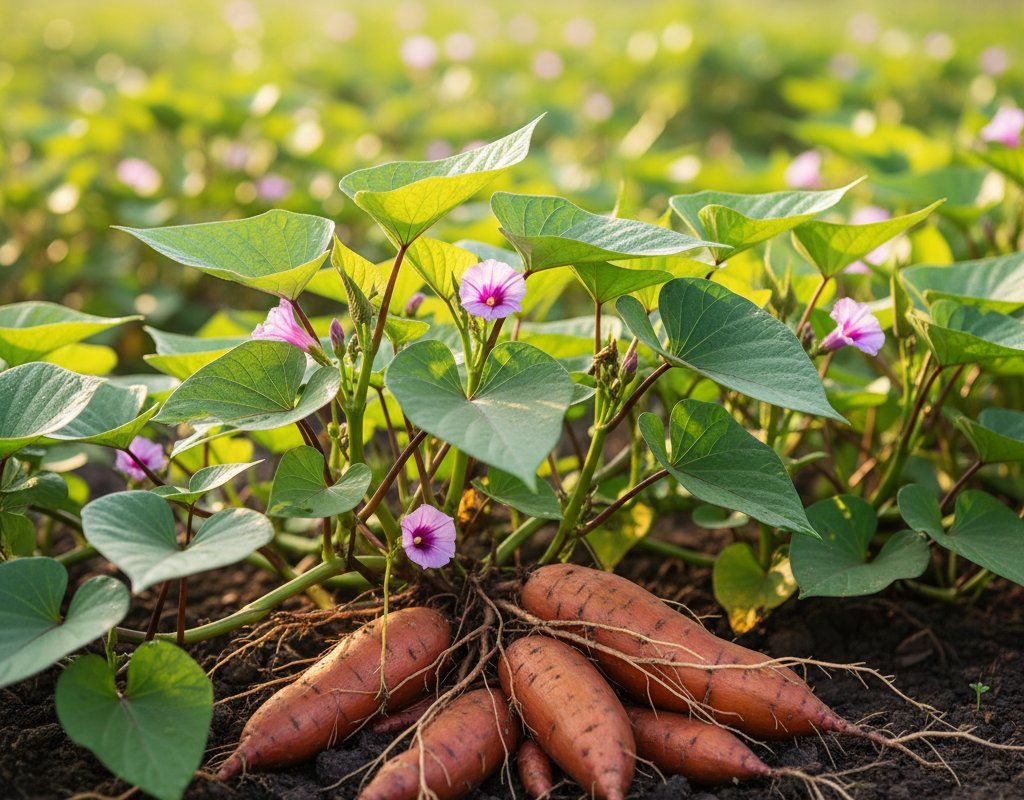
Sweet Potato in Zone 7A — Pacific Northwest
Ipomoea batatas · Your Complete 2026 Planting Guide
Planning Ahead — Great!
You’re ahead of the season. Here’s when to start.
Mark Your Calendar
How to Plant Sweet Potato in Zone 7A — Pacific Northwest
Here are all your options for getting sweet potato in the ground, from the easiest method to more advanced approaches.
Buy Starts
RecommendedMid May through early June
around May 11
Plant purchased starts after last frost (April 20).
Plant slips (rooted sprouts) after soil is warm. Buy slips or grow your own from a sweet potato.
Start Seeds Indoors
Works WellEarly to late March
around March 16
Then transplant: Mid May through early June
Start seeds 8-10 weeks before transplanting outdoors.
Direct Sow Seeds
ChallengingDirect sowing is not typical for Sweet Potato.
Transplant Outdoors
Timing InfoMid May through early June
around May 11
Wait until nighttime temperatures stay above 50°F.
Plan to transplant within a few weeks of your target date.
Overview
Sweet potatoes offer Pacific Northwest gardeners a chance to grow something truly special in our mild summer climate. These nutritious tubers develop incredible sweetness in our cool nights, and there's something deeply satisfying about harvesting your own orange treasures after months of watching those beautiful vines sprawl across your garden beds. Unlike store-bought sweet potatoes that often taste more like sawdust, homegrown ones have complex flavors that shine in everything from roasted dinners to morning hash.
Growing sweet potatoes in our region does require some planning since they need warmth and time to develop properly. With our 183-day growing season and tendency for cool spring soil, timing your plantings becomes crucial. The good news is that once you understand our climate patterns, sweet potatoes can thrive here with the right approach.
Starting Seeds Indoors
Starting sweet potatoes from seed isn't the typical approach most Pacific Northwest gardeners take, but it's possible if you're feeling adventurous or want to try specific varieties. Most of us find better success buying slips (rooted sprouts) from nurseries or growing our own slips from store-bought sweet potatoes. If you do start from seed, begin in early to late March, about 8 weeks before your planned transplant date.
Set up your seed trays with good seed-starting mix and provide consistent warmth around 75-80°F. Sweet potato seeds need warmth to germinate reliably, so a heat mat helps during our overcast spring days. Use bottom watering to keep the soil evenly moist without creating soggy conditions that can lead to damping off.
The more reliable method involves starting slips from whole sweet potatoes. Place a sweet potato in a jar with the bottom half submerged in water, then wait for sprouts to emerge from the top half. This typically takes 2-4 weeks in our slow spring conditions.
Transplanting Outdoors
Wait until mid-May through early June to transplant your sweet potato slips outdoors, when soil temperatures have warmed to at least 60°F consistently. Our cool spring soil is one of the biggest challenges for sweet potatoes, so patience pays off here. A week of hardening off is essential – gradually expose your slips to outdoor conditions starting with just a few hours of morning sun.
Space your slips 12-18 inches apart in your warmest, sunniest location. Sweet potatoes are vining plants that will sprawl, so give them room to roam or plan to train them. In our Pacific Northwest climate, consider using black plastic mulch or row covers early in the season to help warm the soil and give your plants the heat they crave.
Plant your slips so that about half the stem is buried, leaving several leaves above ground. Water them in well after transplanting, but be careful not to overwater in our typically cool, moist late spring weather.
Watering Sweet Potato in Zone 7A (Pacific Northwest)
Sweet potatoes have moderate water needs once established, and they're surprisingly drought-tolerant compared to many warm-season crops. In our dry summer months, this works to your advantage since you won't need to water as frequently as you might expect. Deep, infrequent watering encourages the roots to develop properly and helps prevent issues like cracking.
Check soil moisture using the finger test – stick your finger 2 inches deep into the soil near the base of the plant. Water when the top 2 inches feel dry. During our typical mild summer with highs around 82°F, this usually means watering once or twice per week, providing about 1 inch of water each time. Water at the base of the plants rather than overhead to keep the foliage dry and reduce disease risk.
As harvest time approaches in late August, reduce your watering frequency. Sweet potatoes that get too much water in their final 3-4 weeks can develop poor flavor and storage quality. Watch for signs of overwatering like yellowing leaves or soft spots on developing tubers, and underwatering like wilting during the heat of the day even when soil is moist.
A 2-3 inch layer of organic mulch around your plants helps maintain consistent soil moisture during our dry summer months while keeping the soil warmer – something sweet potatoes particularly appreciate in our climate.
🧪Fertilizing Sweet Potato
Feeding Schedule
Organic Fertilizer Options
Harvest Time
Your first sweet potatoes will be ready for harvest from mid-August through late September, roughly 100 days after transplanting. Unlike some crops, sweet potatoes don't give obvious external signs when they're ready – you'll need to do some detective work by gently digging around the base of a few plants to check tuber size.
Harvest carefully using a garden fork, working from the outside of the hill inward to avoid spearing the tubers. Sweet potatoes can extend surprisingly far from the main plant, and damaged ones won't store well. Brush off soil but don't wash them immediately – the skins need to cure first.
Plan your final harvest before our first frost arrives in mid-October. Sweet potatoes are extremely frost-sensitive and will be ruined by even a light freeze. If an unexpected early frost threatens, harvest everything immediately, even if some tubers are smaller than ideal.
After harvesting, cure your sweet potatoes in a warm (80-85°F), humid location for 1-2 weeks. This process converts starches to sugars and toughens the skins for storage. A bathroom or sunny enclosed porch often provides the right conditions in our fall climate.
Common Problems in Zone 7A (Pacific Northwest)
Sweet Potato Weevils These small, dark beetles create holes in both vines and tubers, with larvae tunneling through the sweet potatoes and making them inedible. You'll notice small round holes in the tubers and wilting vines despite adequate water. Sweet potato weevils thrive in warm, humid conditions but can still be problematic in our dry summers. Prevent them by rotating crops, removing all plant debris after harvest, and checking purchased slips carefully for signs of infestation. If you find weevils, remove affected plants immediately and don't compost them.
Wireworms These thin, yellowish larvae of click beetles bore into sweet potato tubers, creating narrow tunnels that ruin the appearance and storage quality. You'll find small holes in the skin with dark, narrow tunnels inside. Our Pacific Northwest soils, especially those that were previously in grass, can harbor wireworms. Reduce populations by tilling soil several times before planting and removing grass and weeds from the area the previous season. Trap them using pieces of cut potato buried in the soil before planting.
Cracking Sweet potato tubers split open with either circular cracks around the tuber or radial splits running lengthwise. This happens when plants get heavy watering or rain after a dry period – the tubers absorb water faster than their skins can expand. In our region's dry summer climate followed by fall rains, this timing can be tricky. Prevent cracking by maintaining consistent soil moisture with mulch and regular watering, then reducing water as harvest approaches.
Pacific Northwest Specific Challenges: Our mild summers and short heat season mean sweet potatoes often struggle to reach full size and sweetness compared to hotter climates. The combination of cool spring soil and our relatively short warm period requires careful timing and site selection. Choose your warmest, most protected location and consider season extension techniques like black plastic mulch to maximize heat accumulation.
Best Companions for Sweet Potato
Plant these nearby for healthier Sweet Potato and better harvests.


Keep Away From
Companion Planting Details
Sweet potatoes make excellent companions for beans and corn in a modified three sisters planting, as the beans fix nitrogen that sweet potatoes can use later in the season, while corn provides vertical structure that doesn't compete with the sprawling sweet potato vines. The sweet potato vines act as a living mulch, suppressing weeds and conserving moisture during our dry summer months.
Avoid planting sweet potatoes near members of the nightshade family like tomatoes and peppers, as they can compete for similar nutrients and may attract some of the same pests. In our Pacific Northwest climate where garden space often feels limited, sweet potatoes work well along the edges of beds where their vines can trail without interfering with other crops.
🌸Best Flowers to Plant with Sweet Potato
These flowers protect your Sweet Potato from pests and attract pollinators for better harvests.
For Pest Control




Get a Reminder When It's Time to Plant
We'll email you when key planting windows open for your zone.