
Carrot in Zone 8A — Texas
Daucus carota · Your Complete 2026 Planting Guide
Still Time to Sow!
The sowing window is still open for Carrot.
Sow Seeds Soon
Carrots have a taproot and don't transplant. Direct sow only.
How to Plant Carrot in Zone 8A — Texas
Here are all your options for getting carrot in the ground, from the easiest method to more advanced approaches.
Direct Sow Seeds
RecommendedMid February through late August
around February 19
Consider succession planting every 2-3 weeks for continuous harvest.
Carrots have a taproot and don't transplant. Direct sow only.
Buy Starts
Works WellMid February through mid March
around February 19
Plant purchased starts after last frost (March 5).
Start Seeds Indoors
ChallengingThis plant is typically not started indoors.
Transplant Outdoors
Timing InfoMid February through mid March
around February 19
Can tolerate light frost, but wait for soil to be workable.
You have a nice window — no need to rush.
Fall Planting
Early September through early October
September 18 ideal · Direct sow for fall harvest
Plant a second crop in mid-summer for fall harvest. Carrot actually prefers the cooling temperatures of fall.
Overview
Carrots are perfect for Texas gardeners who want sweet, crunchy homegrown flavor that beats anything from the store. In our unpredictable Texas climate, these hardy vegetables shine because they actually prefer our cooler months and can handle light frosts beautifully. You'll discover varieties that develop incredible sweetness when grown through our mild winters, and the satisfaction of pulling perfect orange roots from your own soil never gets old.
While the Texas heat and drought can challenge many crops, carrots work with our climate patterns rather than against them. Our 260-day growing season gives you multiple planting windows from late winter through early fall, letting you time your sowings to avoid the brutal summer heat. With proper timing and consistent watering, you'll have fresh carrots from late spring all the way through late November.
Transplanting Outdoors
Carrots have a long taproot that makes transplanting nearly impossible without damaging the plant. You'll want to skip transplanting entirely and direct sow your carrot seeds where you want them to grow. Even small carrot seedlings rarely survive the shock of having their taproot disturbed during transplanting.
If you absolutely must try transplanting (perhaps you started some indoors by mistake), your window runs from mid-February through mid-March when soil temperatures are still cool. However, expect very poor survival rates and stunted, forked roots from the transplant shock.
Direct Sowing
Direct sowing is your only reliable method for growing carrots, and it works beautifully in Texas when you time it right. Your main planting window runs from mid-February through late August, but you'll get the best results by avoiding the peak summer heat from June through early August. Plant your spring crop in late February through April, then come back for a fall planting from early September through early October.
Prepare loose, well-draining soil at least 8 inches deep since carrots need room for their taproots to develop straight. Rocky or compacted soil causes forked, stubby carrots that are frustrating to harvest. Sow seeds about 1/4 inch deep and 1 inch apart, then thin to 2-3 inches spacing once seedlings emerge.
The key to successful germination is keeping that soil consistently moist for 2-3 weeks while the tiny seeds sprout. In our variable Texas humidity and unpredictable spring weather, this means checking soil moisture daily and providing light, frequent watering until you see green shoots breaking through.
Watering Carrot in Zone 8A (Texas)
Consistent moisture makes the difference between perfect carrots and disappointing ones in Texas. During germination, you'll need to keep the soil surface damp but not waterlogged for 2-3 weeks – this is critical since carrot seeds are tiny and dry out quickly in our variable humidity. Once established, carrots need about 1 inch of water per week, delivered deeply and evenly.
Your watering strategy needs to shift with our unpredictable Texas weather patterns. During cool spring months, natural rainfall often handles most of your watering needs, but summer plantings require consistent irrigation through the extreme heat. Water at soil level rather than overhead to prevent disease issues and reduce water loss to evaporation during those 97°F days.
Use the finger test to check soil moisture 2 inches down – it should feel like a wrung-out sponge. Signs of underwatering include stunted growth and bitter, woody roots, while overwatering shows up as splitting or rotting. Inconsistent watering causes the worst problem of all: cracked carrots that split down the sides.
A 2-inch layer of mulch helps maintain even soil moisture and protects roots from temperature swings, which is especially valuable during our unpredictable weather patterns. Just keep mulch pulled back from the carrot shoulders as they develop to prevent green tops.
🧪Fertilizing Carrot
Feeding Schedule
Organic Fertilizer Options
Harvest Time
Your first carrots will be ready in late April if you planted in mid-February, with harvests continuing through late November from successive plantings. Count on about 70 days from seed to harvest, though you can often pull smaller "baby" carrots earlier if you want tender roots for fresh eating.
Look for carrot tops that are about 3/4 inch in diameter at the soil surface – this usually means the root below is full-sized and ready. The shoulders often push up slightly above ground level when they're mature. Gently brush away soil to check size rather than pulling blindly, since carrots can snap off if you tug too hard on the tops.
To harvest, loosen the soil around each carrot with a garden fork or your fingers, then pull straight up with a gentle rocking motion. If the tops break off, dig carefully with a trowel to retrieve the root. Fresh-pulled carrots have an incredible sweetness that store-bought ones never match.
As our first frost approaches in mid-November, harvest any remaining carrots since they won't survive a hard freeze. Light frosts actually improve their sweetness, so don't rush to pull them at the first cool weather – just be ready when temperatures are forecast to drop into the upper 20s.
Common Problems in Zone 8A (Texas)
Forking and Deformed Roots Your carrots look twisted, split into multiple forks, or grow stubby instead of long and straight. This is incredibly frustrating after months of careful tending, especially when you're expecting those perfect tapered roots.
Rocky, compacted, or clay-heavy soil causes this problem because the developing taproot hits obstacles and divides around them. Fresh manure or root-knot nematodes (common in Texas soils) can also cause deformity. Work your soil deeply before planting and remove rocks, or better yet, use raised beds filled with loose potting mix for consistently straight carrots.
Carrot Rust Fly You'll notice rusty brown tunnels carved through your carrot roots, often with small dark flies hovering around your plants. The foliage may wilt even when you're watering properly, and harvested carrots have ugly channels that make them inedible.
These flies lay eggs near the base of carrot plants, and the resulting maggots tunnel directly into the roots. Row covers provide the most reliable prevention – install them right after planting and keep them on except when thinning. You can also delay spring plantings until late March to miss the first generation of flies, and interplanting with onions helps confuse them with scent.
Green Shoulders The top portion of your carrots turns green where it's exposed above soil level. While not harmful, these green areas taste bitter and look unappetizing on an otherwise perfect carrot.
Carrot shoulders naturally push above ground as they mature, and exposure to sunlight triggers chlorophyll production just like potatoes. Hill soil or add mulch around the exposed tops as your carrots develop, or simply harvest them promptly once they reach full size. The green portions are safe to eat but you'll probably want to trim them off.
Texas Specific Challenges Our extreme summer heat can cause carrots to bolt prematurely or develop woody, bitter roots, which is why timing your plantings for cooler months works so much better. Flash floods can rot seeds before they germinate, while extended drought makes it nearly impossible to maintain the consistent moisture carrots need. Fire ants occasionally damage young seedlings, so keep an eye out for mounds near your carrot patch.
Best Companions for Carrot
Plant these nearby for healthier Carrot and better harvests.

Keep Away From

Companion Planting Details
Lettuce makes an excellent companion for carrots since it provides living mulch that keeps soil cool and moist – crucial during Texas heat waves. Plant lettuce between carrot rows for natural shading, and you'll harvest the lettuce long before carrots need the full space. Onions planted nearby confuse carrot rust flies with their strong scent, while their upright growth doesn't compete for the same soil space as your carrot roots.
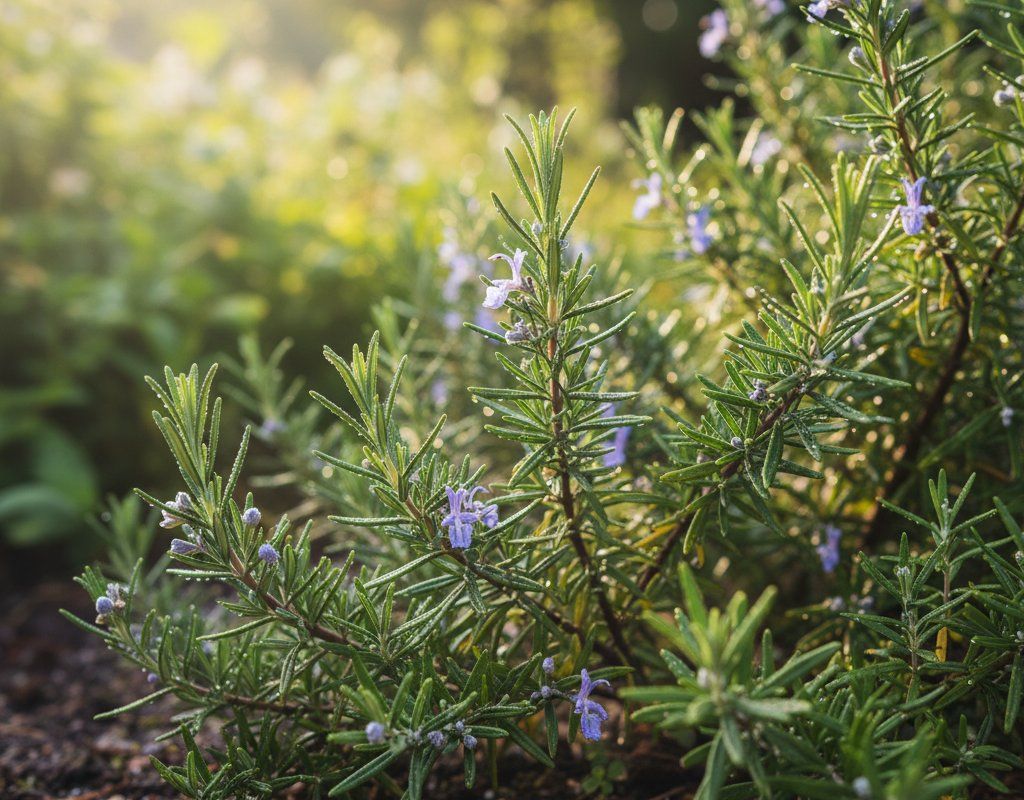
Tomatoes work well with carrots because they have different root zones and harvest times, plus the tomato foliage provides afternoon shade during our brutal summers. Rosemary planted at the ends of carrot rows helps repel various pests while thriving in the same well-draining soil conditions carrots prefer. Avoid planting dill nearby since it attracts carrot rust flies, and skip parsnips since they're in the same family and compete for identical nutrients and growing space.
🌸Best Flowers to Plant with Carrot
These flowers protect your Carrot from pests and attract pollinators for better harvests.


Get a Reminder When It's Time to Plant
We'll email you when key planting windows open for your zone.