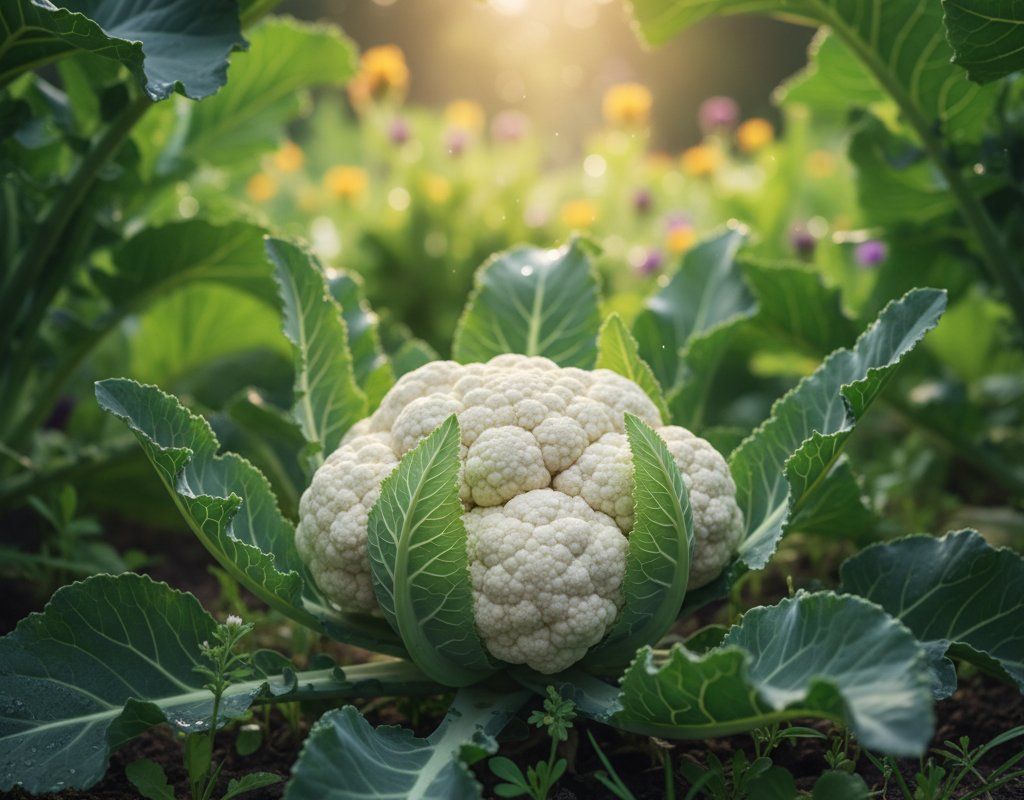
Cauliflower in Zone 5A — Midwest
Brassica oleracea var. botrytis · Your Complete 2026 Planting Guide
Ideal Time: Start Seeds Indoors!
This is the perfect time for the biggest, best harvest.
Start Seeds Now
- Start seeds in trays or pots with seed-starting mix
- Keep soil moist and warm (70-80°F)
- Transplant outdoors Mid April through mid May
Not Starting from Seed?
Buy starts around April 17 — that works great too!
How to Plant Cauliflower in Zone 5A — Midwest
Here are all your options for getting cauliflower in the ground, from the easiest method to more advanced approaches.
Start Seeds Indoors
RecommendedLate February through mid March
around March 6
Then transplant: Mid April through mid May
Start seeds 6-8 weeks before transplanting outdoors.
Cauliflower is fussy. Starting indoors gives you more control.
Buy Starts
Works WellMid April through mid May
around April 17
Plant purchased starts after last frost (May 1).
Direct Sow Seeds
ChallengingDirect sowing is not typical for Cauliflower.
Transplant Outdoors
Timing InfoMid April through mid May
around April 17
Can tolerate light frost, but wait for soil to be workable.
You have a nice window — no need to rush.
Fall Planting
Mid July through mid August
August 3 ideal · Transplant for fall harvest
Plant a second crop in mid-summer for fall harvest. Cauliflower actually prefers the cooling temperatures of fall.
Overview
Growing cauliflower in our Zone 5A Midwest gardens rewards you with crisp, sweet heads that put grocery store versions to shame. This cool-season brassica thrives in our fertile soil and benefits from the natural temperature swings that come with Midwest weather—the cool nights help develop those tight, white curds we're after. Fresh cauliflower roasts beautifully, makes incredible mashed "potatoes," and stores well for weeks in your root cellar or refrigerator.
While cauliflower has a reputation for being finicky, our 157-day growing season gives you plenty of flexibility to work with its preferences. The key is starting seeds indoors during late winter to avoid the stress of our variable spring weather, then timing transplants for after the last frost risk passes. Once you understand its rhythm, cauliflower becomes a reliable producer through our productive summer months.
Starting Seeds Indoors
Start your cauliflower seeds indoors during late February through mid-March, about six weeks before you plan to transplant outside. This timing works perfectly with our moderate-to-late spring pattern—you'll have strong seedlings ready when soil conditions improve. Set up seed trays in a warm spot (65-70°F works well) with good light, either from a south window or grow lights.
Cauliflower can be fussy about root disturbance, so consider starting seeds in individual cells or small pots rather than flats. Keep the soil consistently moist using bottom watering—set your trays in shallow water and let the soil absorb moisture from below. This prevents the surface crusting that can trap emerging seedlings.
Your seedlings will be ready to harden off when they're 4-5 inches tall with several true leaves, usually by mid-April. The controlled indoor environment protects them from those unpredictable Midwest spring temperature swings that can stress young brassicas.
Transplanting Outdoors
Plan to transplant your cauliflower seedlings outdoors from mid-April through mid-May, once soil temperatures consistently reach 50°F and the risk of hard frost has passed. In our area, waiting until after Memorial Day isn't necessary—cauliflower actually prefers the cooler conditions of late spring. Start hardening off your seedlings a full week before transplanting by gradually exposing them to outdoor conditions.
Space your transplants 18-24 inches apart in rows, giving them room to develop those large heads. Cauliflower needs good air circulation to prevent disease, especially important given our moderate-to-humid summer conditions. Choose your sunniest spot, though these plants will tolerate some afternoon shade during summer heat spells.
Watch the weather closely during transplant time—late April and early May can still bring surprise cold snaps. Keep row covers or buckets handy to protect young plants if overnight temperatures drop below 40°F. A stressed transplant often leads to buttoning (premature tiny heads) later in the season.
Watering Cauliflower in Zone 5A (Midwest)
Cauliflower demands consistent moisture more than most vegetables—irregular watering is the quickest way to ruin your crop. Aim for 1-1.5 inches of water weekly, including rainfall. Our typical 30-40 inches of annual precipitation helps, but summer heat spells can quickly dry out the soil, especially if you're dealing with clay that bakes hard.
Check soil moisture by pushing your finger 2 inches deep near the plants. The soil should feel like a wrung-out sponge—moist but not soggy. During those stretches of 86°F+ weather we get in July and August, you'll likely need to water every other day to maintain consistent moisture. Water early morning at the base of plants rather than overhead, since our moderate-to-humid conditions can promote fungal diseases.
Inconsistent watering causes buttoning—those disappointing tiny heads that form prematurely when plants get stressed. You'll see this happen when dry spells are followed by heavy rains, or when you let the soil dry out between waterings. Mulch around plants with straw or shredded leaves to help maintain even soil moisture.
The good news is our wet summers often provide natural irrigation. During rainy periods, check that water isn't pooling around plants. If you're dealing with heavy clay soil, consider raised beds or adding compost to improve drainage while still retaining the consistent moisture cauliflower craves.
🧪Fertilizing Cauliflower
Feeding Schedule
Organic Fertilizer Options
Harvest Time
Your first cauliflower heads will be ready from late June through mid-August, typically 70 days from transplant. Look for tight, compact white heads that measure 6-8 inches across—they should feel firm and heavy for their size. The curds (individual segments) should be tightly packed together without any yellowing or loosening at the edges.
Harvest in the morning when heads are cool and firm. Cut the entire head at the base with a sharp knife, leaving the root system in place. Unlike broccoli, cauliflower won't produce side shoots, so each plant gives you one main harvest. Don't wait too long—once the curds start separating or turning yellow, the texture becomes grainy and the flavor bitter.
If your heads are developing during a summer heat spell, you can blanch them by tying the outer leaves over the developing head about a week before harvest. This keeps the curds white and prevents them from developing a purple tinge, though it's not strictly necessary for eating quality.
As first frost approaches in early October, any remaining small heads won't have time to mature. These plants handle light frost well, but a hard freeze will damage the heads. Consider succession planting in mid-July for a fall harvest that matures just before our first frost date.
Common Problems in Zone 5A (Midwest)
Buttoning shows up as tiny, premature heads (1-3 inches across) that form when plants are still small. You'll see tight little white nubs appearing on plants that should still be growing leaves. This happens when cauliflower gets stressed by inconsistent watering, temperature fluctuations, or being transplanted too late in spring. Our variable spring weather makes this common—prevent it by maintaining consistent soil moisture and transplanting on schedule. Once buttoning occurs, there's no fix; those heads won't develop further.
Cabbage worms appear as smooth green caterpillars about an inch long, often hiding on leaf undersides. You'll notice irregular holes chewed through leaves and dark green droppings scattered around the plant. These are larvae from the white butterflies you see fluttering around your brassicas during summer. Our warm, humid summers support multiple generations. Spray with Bt (Bacillus thuringiensis) every 7-10 days, which kills only caterpillars and is completely safe for beneficial insects. Row covers work well but remove them during flowering if you're growing for seed.
Heat stress causes leaves to wilt during the day even with adequate soil moisture, and heads may develop a loose, ricey texture or bolt prematurely to seed. This typically hits during those July and August stretches when we see several days above 86°F. Provide afternoon shade using shade cloth (30-50% works well) during extreme heat. Deep, consistent watering helps plants cope with temperature stress.
Midwest Specific Challenges: Our moderate-to-humid summers create perfect conditions for fungal diseases if plants stay wet, while summer heat spells can stress plants that prefer cooler conditions. The combination of clay soil and variable rainfall means you'll need to monitor watering closely—too little during dry spells causes buttoning, while poor drainage during wet periods promotes root problems.
Best Companions for Cauliflower
Plant these nearby for healthier Cauliflower and better harvests.


Keep Away From
Companion Planting Details
Plant cauliflower alongside beets and spinach, which mature quickly and won't compete for space as your cauliflower heads develop. Celery makes an excellent companion since it has similar water needs and the strong scent may help deter pests. Onions planted nearby can help repel cabbage worms and other brassica pests while making efficient use of garden space with their upright growth habit.
Avoid planting tomatoes, peppers, or strawberries near cauliflower. These plants have different water and nutrient needs, and tomatoes can harbor diseases that affect brassicas. Strawberries spread aggressively and compete for the consistent moisture cauliflower requires. In our fertile Midwest soil, stick with vegetables that appreciate similar growing conditions—your cauliflower will reward you with bigger, better heads when its neighbors aren't competing for resources.
🌸Best Flowers to Plant with Cauliflower
These flowers protect your Cauliflower from pests and attract pollinators for better harvests.




Get a Reminder When It's Time to Plant
We'll email you when key planting windows open for your zone.