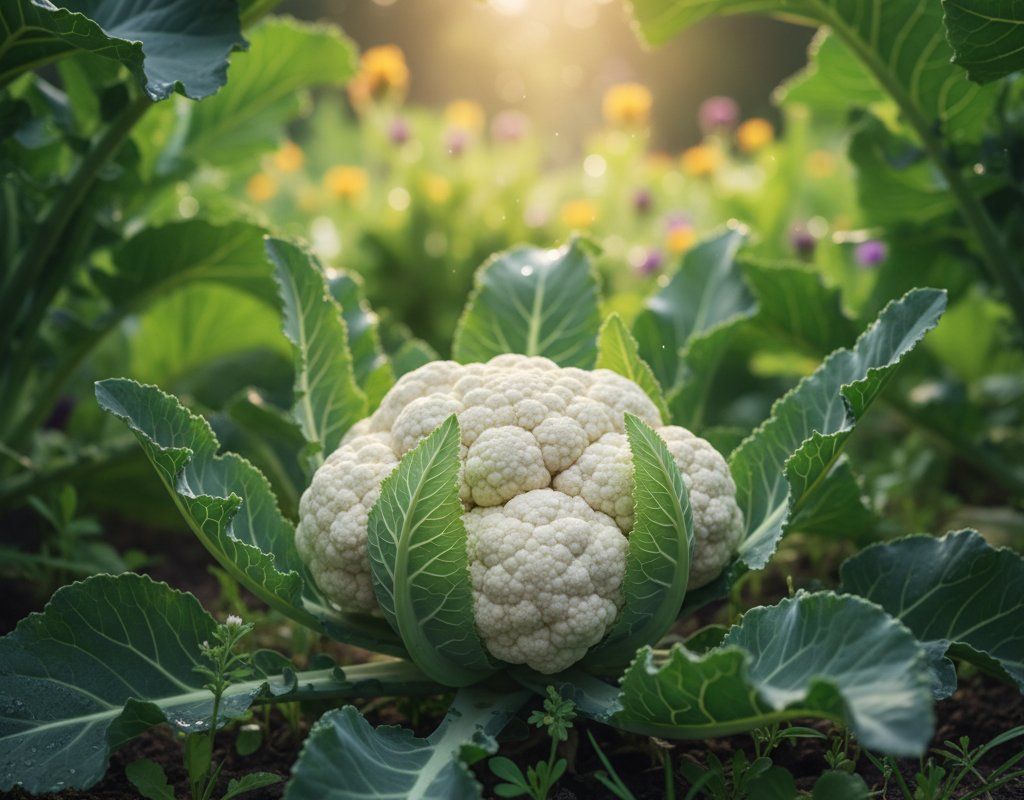
Cauliflower in Zone 7B — Pacific Northwest
Brassica oleracea var. botrytis · Your Complete 2026 Planting Guide
Missed Seed Starting? No Problem!
Wait for starts to become available.
What to Do
Starts will be available at nurseries in 28 days (around April 1).
How to Plant Cauliflower in Zone 7B — Pacific Northwest
Here are all your options for getting cauliflower in the ground, from the easiest method to more advanced approaches.
Start Seeds Indoors
RecommendedMid February through early March
around February 18
Then transplant: Early to late April
Start seeds 6-8 weeks before transplanting outdoors.
Cauliflower is fussy. Starting indoors gives you more control.
Buy Starts
Works WellEarly to late April
around April 1
Plant purchased starts after last frost (April 15).
Direct Sow Seeds
ChallengingDirect sowing is not typical for Cauliflower.
Transplant Outdoors
Timing InfoEarly to late April
around April 1
Can tolerate light frost, but wait for soil to be workable.
You have a nice window — no need to rush.
Fall Planting
Early August through early September
August 23 ideal · Transplant for fall harvest
Plant a second crop in mid-summer for fall harvest. Cauliflower actually prefers the cooling temperatures of fall.
Overview
Here in the Pacific Northwest, cauliflower thrives in our mild summers and cool nights, developing the dense, sweet heads that make store-bought versions pale in comparison. Our naturally cool growing conditions prevent the bitter flavors that plague cauliflower grown in hotter climates, while our long growing season gives you flexibility to time plantings perfectly for your kitchen needs.
While cauliflower has a reputation for being finicky, our 193-day growing season and predictable weather patterns actually work in your favor. The key is working with our wet springs and dry summers rather than against them—start seeds indoors during those overcast February days, then let our mild summer temperatures do the heavy lifting.
Starting Seeds Indoors
Starting cauliflower seeds indoors is essential here in the Pacific Northwest, where our cool soil temperatures in spring would leave direct-sown seeds struggling or rotting. Begin sowing seeds in mid-February through early March, about 6 weeks before you plan to transplant outdoors. This timing lets you get a head start while our spring is still finding its rhythm.
Set up seed trays in a warm spot (65-70°F works well) with good light once seedlings emerge. Use bottom watering to keep soil consistently moist without creating the soggy conditions that lead to damping-off disease—a common problem during our wet springs. Your seedlings will be ready for hardening off by early to mid-April, perfectly timed for our last frost window.
The controlled environment indoors gives you the steady conditions cauliflower demands, something our variable spring weather can't always provide. This extra effort up front pays off with stronger transplants that establish quickly once outdoors.
Transplanting Outdoors
Plan to transplant your cauliflower seedlings outdoors from early to late April, after hardening them off for about a week. Start the hardening process gradually—a few hours outside on mild days, working up to full days as your transplant window approaches. Our spring weather can swing between warm sunny days and cool, overcast stretches, so this gradual transition prevents transplant shock.
Space transplants 18-24 inches apart to allow for good air circulation, which helps prevent disease issues in our sometimes humid spring conditions. Choose a spot that gets full sun to partial shade—cauliflower actually appreciates some afternoon protection during our occasional warm spells.
Keep an eye on overnight temperatures during your transplant window. While cauliflower can handle light frosts, newly transplanted seedlings are more vulnerable than established plants. Row covers provide good insurance during those unpredictable April nights.
Watering Cauliflower in Zone 7B (Pacific Northwest)
Cauliflower needs consistent moisture throughout the growing season, and our dry summer months mean you'll be the primary water source from June onwards. Check soil moisture by sticking your finger 2 inches deep—if it's dry, it's time to water. During peak growing season (late spring through early summer), aim for about 1 inch of water per week.
Water at the base of plants rather than overhead to keep moisture off the leaves, which is particularly important during our dry summer months when disease pressure is lower but water efficiency matters more. Inconsistent watering is cauliflower's biggest enemy—it triggers "buttoning," where plants form tiny, premature heads instead of the large, dense ones you're after.
Your watering schedule will shift with our seasons. During our wet spring months, you might barely need to supplement natural rainfall. But once our dry period kicks in (typically by late June), you'll need to water 2-3 times per week, giving each plant a deep soaking rather than frequent light sprinklings.
A 2-3 inch layer of mulch around plants helps retain moisture during our dry summers while keeping weeds down. Organic mulch like straw or shredded leaves works well and gradually improves soil as it breaks down. Watch for signs of stress: wilting during the heat of the day (even when soil is moist) or leaves turning blue-green can indicate water issues.
🧪Fertilizing Cauliflower
Feeding Schedule
Organic Fertilizer Options
Harvest Time
Your first cauliflower heads will be ready from early June through late July, about 70 days from transplant. Look for white, firm heads that measure 6-8 inches across—they should feel dense and heavy for their size. The curds should be tight and compact, not starting to separate or show any yellowing or purple discoloration.
Harvest by cutting the main stem just below the head with a sharp knife, leaving the outer leaves intact. Unlike some vegetables, cauliflower heads don't continue to ripen once cut, so timing is crucial. Check your plants every few days during harvest season, as heads can go from perfect to over-mature quickly during warm weather.
Some varieties will produce small side shoots after you harvest the main head, though these secondary harvests are typically much smaller. If you're growing fall plantings, you can often extend harvest well into October thanks to our long, mild fall season.
As first frost approaches in late October, harvest any remaining heads regardless of size. Green or loose heads can still be used in cooking, and it's better to harvest early than lose the crop to frost damage.
Common Problems in Zone 7B (Pacific Northwest)
Buttoning (Premature Small Heads) Small, button-sized heads forming when plants are still young and leafy. Plants look healthy but produce tiny 2-3 inch heads instead of full-sized ones. This is the most frustrating cauliflower problem for PNW gardeners.
Temperature stress, inconsistent watering, or transplanting too late typically causes buttoning. Our variable spring weather can trigger this if transplants experience too much fluctuation. Maintain consistent soil moisture and transplant at the right time—not too early when nights are still cold, not too late when warming temperatures stress young plants.
Cabbage Worms Smooth green caterpillars on leaves create irregular holes and leave dark green droppings scattered around plants. You'll often see white butterflies hovering around your brassicas during warm days—these are the adults laying eggs that become the problematic larvae.
These are larvae of cabbage white butterflies, which can have multiple generations during our growing season. Our mild summers create ideal conditions for these pests to establish and spread. Apply Bt (Bacillus thuringiensis) spray every 7-10 days when you see the white butterflies active. Floating row covers work excellently for prevention, and handpicking caterpillars during your regular garden walks helps keep populations down.
Heat Stress While rare in our mild climate, unseasonably warm spells can cause cauliflower heads to become loose and ricey, or leaves to turn purple or blue-green. Plants may also bolt to seed prematurely during unexpected heat waves.
Even though our summers rarely exceed 90°F, cauliflower prefers temperatures below 75°F for optimal head development. Provide afternoon shade during hot spells and maintain consistent soil moisture. Consider succession planting to avoid having all your cauliflower maturing during the warmest part of summer.
Pacific Northwest Specific Challenges: Our dry summers actually work in cauliflower's favor by reducing disease pressure, while our cool nights help develop better flavor and tighter heads. However, the transition from wet spring to dry summer requires attention to watering schedules, and late blight can occasionally affect brassicas during particularly wet, humid periods.
Best Companions for Cauliflower
Plant these nearby for healthier Cauliflower and better harvests.


Keep Away From
Companion Planting Details
Plant cauliflower alongside beets, celery, onions, and spinach for a productive partnership that maximizes your growing space. Onions help deter cabbage worms and aphids with their strong scent, while their upright growth doesn't compete for the same soil space as your spreading cauliflower leaves. Spinach makes excellent use of the space between young cauliflower plants and will be ready to harvest before the cauliflower needs the full area.
Avoid planting cauliflower near tomatoes, peppers, or strawberries, which can compete for similar nutrients and may harbor pests that also target brassicas. In our Pacific Northwest climate, these companion relationships matter even more because our long growing season means plants spend months in close proximity—good companions continue helping each other, while poor matches can create ongoing problems.
🌸Best Flowers to Plant with Cauliflower
These flowers protect your Cauliflower from pests and attract pollinators for better harvests.




Get a Reminder When It's Time to Plant
We'll email you when key planting windows open for your zone.