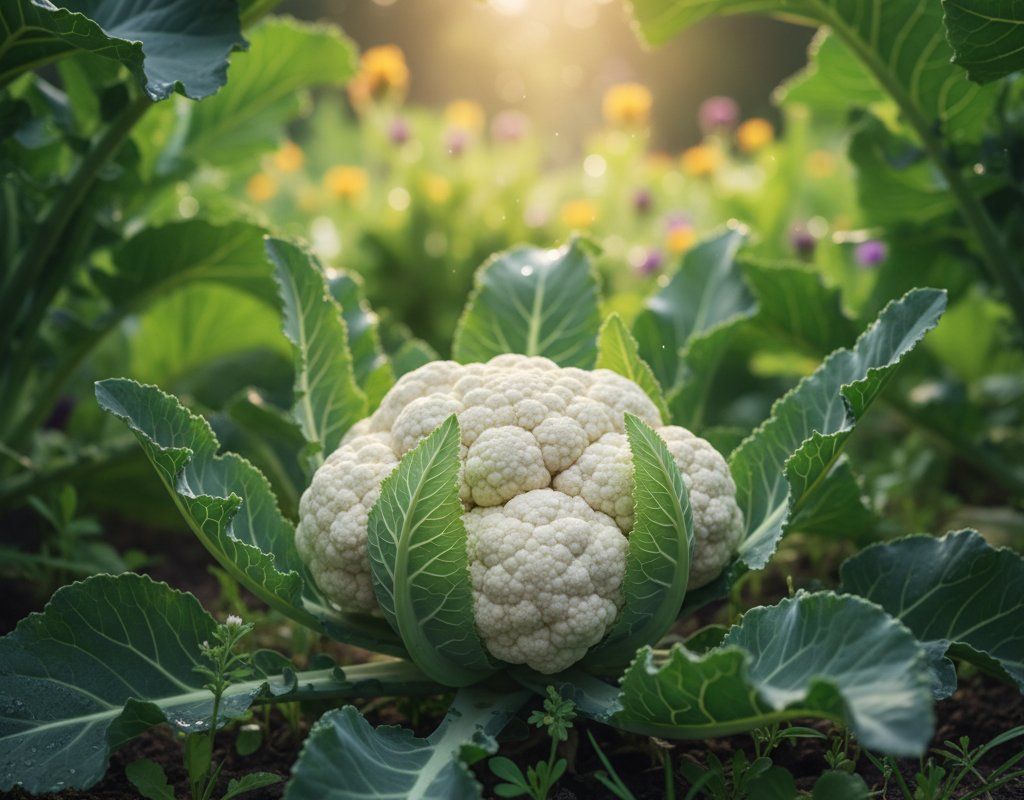
Cauliflower in Zone 8B — Southeast
Brassica oleracea var. botrytis · Your Complete 2026 Planting Guide
Time to Buy Starts!
Seed starting window passed, but starts are available now.
Buy Starts Now
Head to your local nursery, Home Depot, or farmers market for transplants.
- Look for stocky plants with dark green leaves
- Avoid leggy seedlings or plants already flowering
- Check that roots aren't circling the pot (rootbound)
How to Plant Cauliflower in Zone 8B — Southeast
Here are all your options for getting cauliflower in the ground, from the easiest method to more advanced approaches.
Start Seeds Indoors
RecommendedEarly to late January
around January 13
Then transplant: Late February through late March
Start seeds 6-8 weeks before transplanting outdoors.
Cauliflower is fussy. Starting indoors gives you more control.
Buy Starts
Works WellLate February through late March
around February 24
Plant purchased starts after last frost (March 10).
Direct Sow Seeds
ChallengingDirect sowing is not typical for Cauliflower.
Transplant Outdoors
Timing InfoLate February through late March
around February 24
Can tolerate light frost, but wait for soil to be workable.
You have a nice window — no need to rush.
Fall Planting
Early September through early October
September 18 ideal · Transplant for fall harvest
Plant a second crop in mid-summer for fall harvest. Cauliflower actually prefers the cooling temperatures of fall.
Overview
Cauliflower might seem like a cool-weather challenge in our hot and humid Southeast climate, but when timed right, it delivers some of the sweetest, most tender heads you'll ever taste. Our long growing season gives you two solid windows to grow this nutritious brassica - a spring crop that matures before the brutal summer heat hits, and a fall crop that takes advantage of our mild autumn temperatures.
The key to success with cauliflower here is working with our moderate spring start and avoiding the intense summer heat that can stress these plants into buttoning (forming tiny, bitter heads). With our 255-day growing season, you have plenty of time to get the timing right, and once you do, you'll understand why homegrown cauliflower tastes nothing like the grocery store version.
Starting Seeds Indoors
Starting cauliflower seeds indoors is absolutely essential in our Southeast climate because this crop is notoriously fussy about temperature swings and transplants much better than direct-sown plants. Start your seeds in early to late January, about 6 weeks before you plan to transplant outdoors in late February through March.
Set up your seed trays in a warm spot (65-70°F) with good light - a sunny south window or grow lights work well. Plant seeds about ¼ inch deep in quality seed-starting mix, and keep the soil consistently moist using bottom watering to prevent damping off. This method lets the roots draw up moisture without creating the humid conditions at soil level that encourage fungal problems.
Your seedlings should be ready to harden off by late February when our moderate spring weather begins to settle in. The controlled indoor environment gives you a huge advantage over direct seeding, especially with our unpredictable late winter temperature swings.
Transplanting Outdoors
Plan to transplant your cauliflower seedlings outdoors from late February through late March, timing it so they'll mature before our hot summer weather arrives. These plants need about a week of gradual hardening off - start with an hour or two outdoors in a protected spot and gradually increase their exposure to full sun and wind.
Space your transplants 18-24 inches apart in rich, well-draining soil (work some compost into our heavy clay if needed). Cauliflower needs room for good air circulation, which is especially important in our humid climate where fungal diseases can develop quickly on crowded plants.
Watch the weather closely during transplant season - a late cold snap can stress these plants into buttoning, while unseasonably warm weather can bolt them prematurely. If frost threatens, have row covers ready to protect your young plants.
Watering Cauliflower in Zone 8B (Southeast)
Consistent moisture is absolutely critical for cauliflower success, and in our hot, humid Southeast climate, getting the watering balance right can be tricky. These plants are extremely sensitive to stress - even short periods of drought will cause them to form tiny, bitter heads instead of the large, sweet heads you want.
Check soil moisture by sticking your finger 2 inches deep near the plants. The soil should feel consistently damp but not waterlogged. During our spring growing season, plan on about 1-1.5 inches of water per week, including rainfall. Once our afternoon thunderstorms start rolling in, you may need to adjust, but don't assume our summer rains are enough - they're often too sporadic for cauliflower's needs.
Always water at the base of plants rather than overhead to minimize disease pressure in our humid conditions. Overwatering shows up as yellowing lower leaves and stunted growth, while underwatering causes leaves to wilt and heads to button prematurely. A 2-3 inch layer of organic mulch helps maintain even soil moisture and keeps roots cool as temperatures climb.
During the transition from spring to early summer, pay extra attention to soil moisture as our temperatures start spiking into the 90s. This is when many gardeners lose their crop to heat stress and inconsistent watering.
🧪Fertilizing Cauliflower
Feeding Schedule
Organic Fertilizer Options
Harvest Time
Your spring-planted cauliflower should be ready for harvest from early May through late June, about 70 days from transplanting. Look for heads that are white, firm, and compact, measuring 6-8 inches across. The curds (the white flowering parts) should be tightly packed together with no separation or yellowing.
Harvest in the early morning when temperatures are cooler and heads are at their crispest. Cut the entire head with a sharp knife, leaving about an inch of stem attached. Don't wait too long - once the curds start separating or turning yellow, the flavor becomes strong and bitter.
Unlike some vegetables, cauliflower won't continue producing after you harvest the main head, so timing is everything. In our climate, you want to get these heads cut before our intense summer heat hits, as hot weather quickly degrades the quality.
As your fall crop approaches maturity in late October through November, keep an eye on weather forecasts. Cauliflower can handle light frost, but our first hard freeze typically arrives in mid-November, so plan your harvest accordingly.
Common Problems in Zone 8B (Southeast)
Buttoning appears as tiny, premature heads (1-3 inches) that form when plants are stressed. You'll see the white head starting to develop but it never gets larger than a golf ball. This happens when plants experience temperature stress, drought, or overcrowding during their critical development phase. In our Southeast climate, unseasonably warm weather in late winter or early spring often triggers buttoning. Keep soil consistently moist, provide afternoon shade during warm spells, and make sure plants have adequate spacing for air circulation.
Cabbage Worms show up as irregular holes chewed through leaves, along with dark green droppings on foliage. You'll often spot the smooth green caterpillars themselves, plus white butterflies fluttering around your plants. These pests thrive in our long, warm growing season with multiple generations appearing throughout spring and summer. Apply Bt (Bacillus thuringiensis) spray every 7-10 days as soon as you see the white butterflies. Floating row covers prevent egg-laying, and handpicking caterpillars works for small infestations.
Heat Stress causes leaves to wilt during the day even with adequate soil moisture, and plants may bolt prematurely or develop poor-quality heads. As our spring temperatures climb toward summer, cauliflower struggles with anything above 85°F. Plant early enough so heads form before intense heat arrives, provide afternoon shade during late spring, and maintain consistent soil moisture to help plants cope with temperature stress.
Southeast Specific Challenges: Our hot, humid climate with heavy clay soil creates the perfect storm for cauliflower problems. The combination of afternoon thunderstorms and high humidity promotes fungal diseases, while our rapid transition from mild spring to hot summer compresses the ideal growing window. Japanese beetles may also target stressed plants in early summer.
Best Companions for Cauliflower
Plant these nearby for healthier Cauliflower and better harvests.


Keep Away From
Companion Planting Details
Plant cauliflower alongside beets and spinach, which appreciate similar cool-season timing and help maximize your spring garden space. Onions planted around the perimeter help deter cabbage worms and other pests with their strong scent, while celery provides beneficial shade as temperatures warm up and has similar water requirements.
Avoid planting cauliflower near tomatoes, peppers, or strawberries. These crops attract different pests and diseases, compete for nutrients, and in the case of tomatoes and peppers, their heat-loving nature means they'll be getting established just as your cauliflower should be finishing up. This timing mismatch can lead to watering conflicts in our transitional spring-to-summer weather.
🌸Best Flowers to Plant with Cauliflower
These flowers protect your Cauliflower from pests and attract pollinators for better harvests.




Get a Reminder When It's Time to Plant
We'll email you when key planting windows open for your zone.