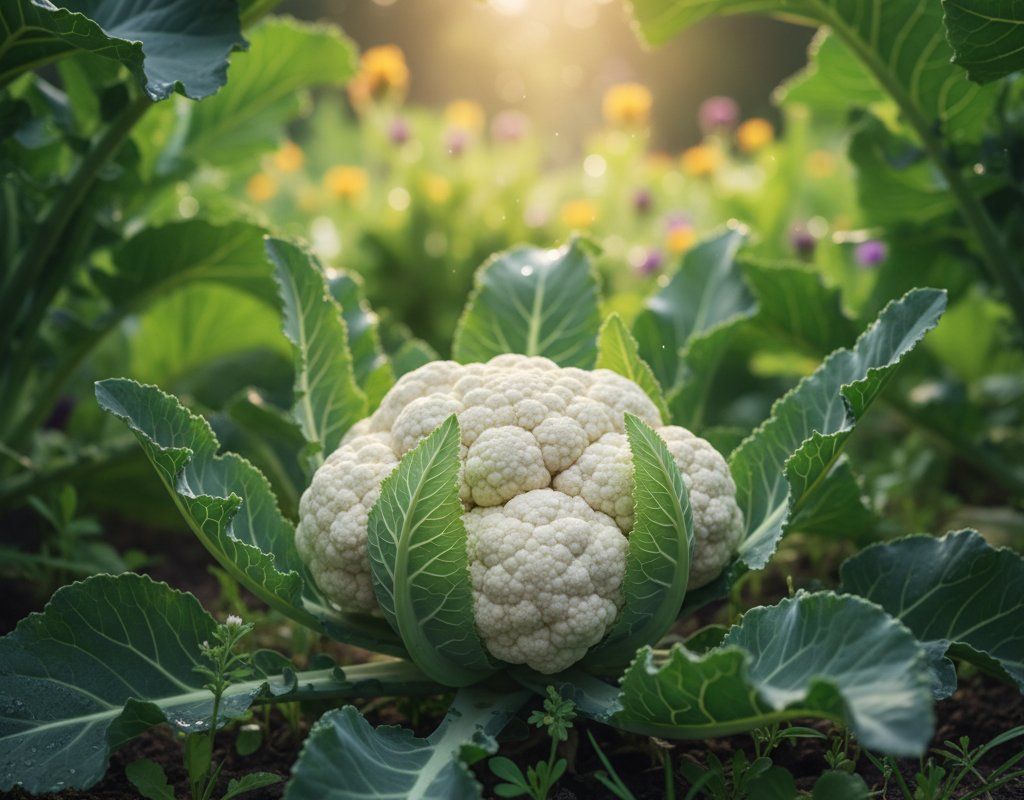
Cauliflower in Zone 9B — Southern California
Brassica oleracea var. botrytis · Your Complete 2026 Planting Guide
Check Planting Details Below
See the full planting guide for timing information.
How to Plant Cauliflower in Zone 9B — Southern California
Here are all your options for getting cauliflower in the ground, from the easiest method to more advanced approaches.
Start Seeds Indoors
RecommendedLate November through mid December
around November 30
Then transplant: Mid January through early February
Start seeds 6-8 weeks before transplanting outdoors.
Cauliflower is fussy. Starting indoors gives you more control.
Buy Starts
Works WellMid January through early February
around January 11
Plant purchased starts after last frost (January 25).
Direct Sow Seeds
ChallengingDirect sowing is not typical for Cauliflower.
Transplant Outdoors
Timing InfoMid January through early February
around January 11
Can tolerate light frost, but wait for soil to be workable.
You have a nice window — no need to rush.
Fall Planting
Early October through early November
October 23 ideal · Transplant for fall harvest
Plant a second crop in mid-summer for fall harvest. Cauliflower actually prefers the cooling temperatures of fall.
Overview
Cauliflower thrives in Southern California's mild winters, giving you the chance to grow this nutritious cool-season crop when most of the country is buried in snow. Our 334-day growing season means you can harvest fresh, crisp heads while enjoying perfect outdoor weather in late March and April. There's nothing quite like the satisfaction of cutting your own snow-white cauliflower head, knowing it hasn't traveled thousands of miles to reach your table.
The key to success here is working with our climate pattern rather than fighting it. Yes, our intense summer heat and dry conditions would stress this cool-weather lover, but that's exactly why we plant in winter. Your cauliflower will establish roots during our gentle winter months and mature before the real heat kicks in inland.
Starting Seeds Indoors
Starting cauliflower seeds indoors is essential in Southern California because this crop is notoriously fussy about temperature swings and stress. Begin sowing seeds in late November through mid-December, about six weeks before you plan to transplant outdoors. Use seed trays filled with quality seed-starting mix and keep them consistently moist with bottom watering—this prevents the surface from crusting over and helps seeds germinate evenly.
Set up your seed trays in a warm spot (65-70°F) with bright light, either under grow lights or in a sunny window that gets morning sun but stays cool in the afternoon. Bottom watering works particularly well for cauliflower because it keeps moisture levels steady without disturbing the delicate seedlings. Once seedlings emerge in 7-10 days, they'll need consistent moisture and temperatures between 60-65°F.
Your seedlings will be ready to transplant when they have 3-4 true leaves and sturdy stems, usually by mid-January. This timing takes advantage of our very early spring character, getting plants established while temperatures are still mild and before any unexpected warm spells stress them out.
Transplanting Outdoors
Transplant your cauliflower seedlings outdoors from mid-January through early February, when daytime temperatures hover in the 60s and nighttime lows stay above freezing. Before transplanting, harden off your seedlings by gradually exposing them to outdoor conditions over one week—start with just a few hours of morning sun and work up to full outdoor exposure.
Space your transplants 18-24 inches apart in well-amended soil that drains well but retains moisture. This generous spacing is crucial because cauliflower needs room for its large leaves and good air circulation. Plant them at the same depth they were growing in their containers, and water them in thoroughly with a weak fertilizer solution.
January and February weather in Southern California can be unpredictable, with occasional warm spells followed by cooler temperatures. Keep row covers handy for sudden temperature drops, and be prepared to provide afternoon shade if we get an unusually warm stretch. Your transplants should establish quickly in our mild winter conditions.
Watering Cauliflower in Zone 9B (Southern California)
Cauliflower is extremely sensitive to watering stress, and inconsistent moisture is the fastest way to end up with tiny, premature heads (called "buttoning") instead of the large, white crowns you want. In Southern California's semi-arid climate, you'll need to stay on top of watering because our low-to-moderate humidity means soil dries out faster than in more humid regions.
During the cool winter growing season, aim for about 1-1.5 inches of water per week, including any rainfall we receive. Check soil moisture by sticking your finger 2 inches deep—if it's dry at that depth, it's time to water. Water at the base of plants rather than overhead to keep the developing heads dry and prevent disease issues.
As temperatures warm up in March and April, your cauliflower will need more frequent watering, especially if you're gardening inland where it gets hotter. By late spring, you might need to water every 2-3 days to maintain consistent soil moisture. A 2-3 inch layer of mulch around plants helps retain moisture and keeps roots cool during our increasingly warm days.
Watch for signs of water stress: wilting during the day (even with adequate soil moisture), leaves turning blue-green, or small heads forming prematurely. Overwatering shows up as yellowing lower leaves and sluggish growth. The finger test at 2 inches deep remains your best guide throughout the growing season.
🧪Fertilizing Cauliflower
Feeding Schedule
Organic Fertilizer Options
Harvest Time
Your first cauliflower heads will be ready to harvest from late March through early May, about 70 days after transplanting. Look for compact, white heads that measure 6-8 inches across—they should feel firm and heavy, with tightly packed curds that haven't started to separate or show any yellow or purple discoloration.
Harvest in the morning when heads are cool and crisp. Use a sharp knife to cut the main stem about 6 inches below the head, taking some of the surrounding leaves with it—these leaves help protect the cauliflower during storage. Once you cut the main head, the plant is done; unlike broccoli, cauliflower doesn't produce side shoots.
Don't wait too long to harvest once heads reach maturity. In our warming spring weather, cauliflower heads deteriorate quickly once they pass their prime. The curds will start to separate, turn yellow, or even develop a fuzzy texture if left too long. When in doubt, harvest slightly early rather than late.
Since our first frost typically doesn't arrive until late December, you have plenty of time to enjoy your harvest and even consider a second fall planting. However, once daytime temperatures consistently hit the upper 80s inland, it's time to pull up your cauliflower plants and prepare the bed for summer crops.
Common Problems in Zone 9B (Southern California)
Buttoning (Premature Small Heads) Your cauliflower forms tiny, button-sized heads instead of full-size ones, usually when plants are still quite small. This happens when plants experience stress during their early growth, most commonly from inconsistent watering, temperature swings, or transplant shock. In Southern California, buttoning often occurs when we get an unexpected warm spell in late winter or early spring.
Prevent buttoning by maintaining consistent soil moisture and protecting young plants from temperature extremes with row covers. Choose varieties suited to mild winter growing, and make sure you're transplanting at the right size—seedlings that are too small or too large are both more prone to stress. Once buttoning occurs, there's no fix; you'll need to replant.
Cabbage Worms Small holes appear in leaves, often with dark green droppings nearby, and you might spot white butterflies fluttering around your plants. These are cabbage worms—smooth green caterpillars that blend in perfectly with cauliflower leaves and can quickly defoliate plants. Our mild Southern California winters mean these pests stay active longer than in colder regions.
Bt (Bacillus thuringiensis) spray is highly effective against cabbage worms and safe for beneficial insects. Apply in the evening when temperatures are cooler. Floating row covers prevent the white butterflies from laying eggs on your plants. Check plants regularly and handpick any caterpillars you find. Interplanting with aromatic herbs like thyme and sage helps deter the adult butterflies.
Heat Stress Leaves turn blue-green, growth slows, and plants may bolt to seed prematurely when temperatures climb. While you're growing cauliflower during our cooler months, inland areas can still hit 80°F+ on warm winter days, and spring heat arrives earlier than many gardeners expect. Heat stress is particularly common if you're gardening away from the coastal influence.
Provide afternoon shade during warm spells using shade cloth or tall companion plants. Consistent moisture helps plants cope with temperature fluctuations. If you're gardening inland, consider varieties specifically bred for mild winter growing and be prepared to harvest earlier than expected if a heat wave hits.
Southern California Specific Challenges: Our combination of intense sun, low humidity, and unpredictable winter warm spells means cauliflower can face stress even during the "cool" season. Santa Ana winds can quickly dry out soil and stress plants, while our lack of consistent winter rainfall means you'll be providing most of the water your cauliflower needs rather than relying on natural precipitation.
Best Companions for Cauliflower
Plant these nearby for healthier Cauliflower and better harvests.


Keep Away From
Companion Planting Details
Plant cauliflower alongside beets and spinach—both mature quickly and can be harvested before your cauliflower needs the space, plus they don't compete heavily for nutrients. Celery makes an excellent companion because it has similar water requirements and can provide some afternoon shade during our increasingly warm spring days. Onions planted around the perimeter help deter cabbage worms and other brassica pests while taking up minimal space.
Avoid planting cauliflower near tomatoes, peppers, or strawberries. These plants have different water and nutrient needs, and tomatoes and peppers are heavy feeders that will compete aggressively with your cauliflower. Strawberries can harbor pests that also attack brassicas, and their spreading habit can crowd out your cauliflower's need for good air circulation in our sometimes humid coastal conditions.
🌸Best Flowers to Plant with Cauliflower
These flowers protect your Cauliflower from pests and attract pollinators for better harvests.




Get a Reminder When It's Time to Plant
We'll email you when key planting windows open for your zone.