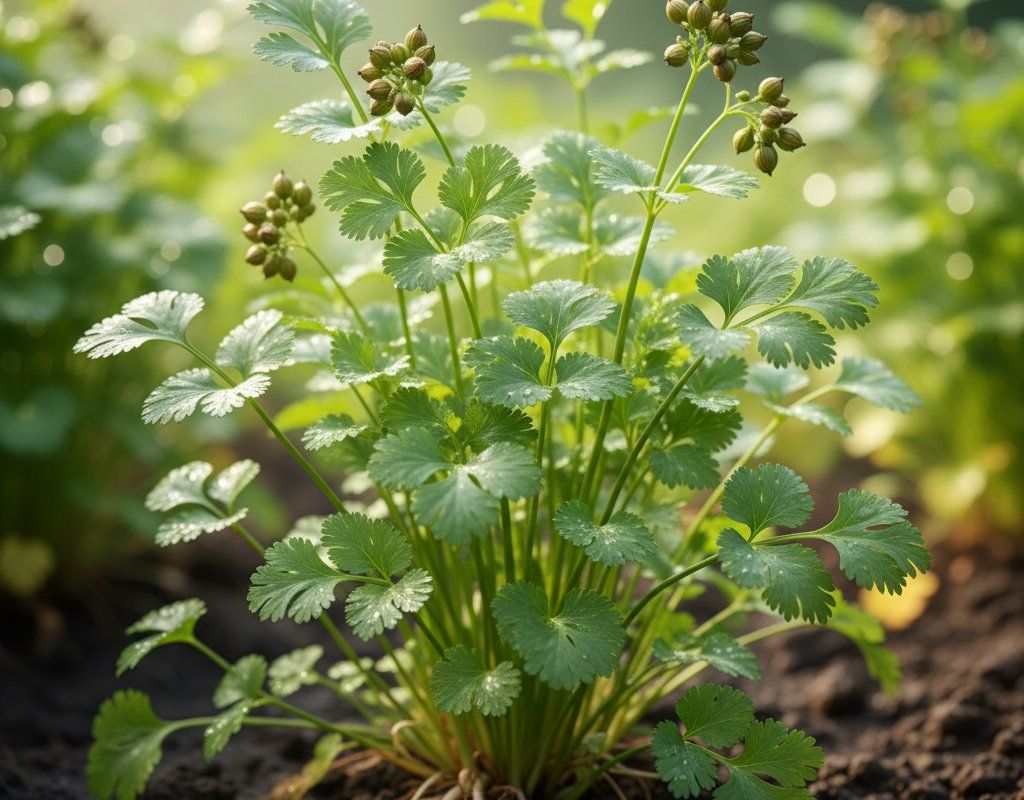
Cilantro in Zone 10A — Florida
Coriandrum sativum · Your Complete 2026 Planting Guide
Harvest Time!
Your Cilantro should be producing now!
Harvest Tips
Harvest in the morning after dew dries for the best flavor.
How to Plant Cilantro in Zone 10A — Florida
Here are all your options for getting cilantro in the ground, from the easiest method to more advanced approaches.
Direct Sow Seeds
RecommendedLate December through early November
around December 27
Consider succession planting every 2-3 weeks for continuous harvest.
Cilantro bolts quickly in heat. Direct sow in cool weather for best results.
Start Seeds Indoors
RecommendedEarly to late December
around December 13
Then transplant: Early January through late February
Start seeds 4-6 weeks before transplanting outdoors.
Buy Starts
Works WellEarly January through late February
around January 10
Plant purchased starts after last frost (January 10).
Transplant Outdoors
Timing InfoEarly January through late February
around January 10
Can tolerate light frost, but wait for soil to be workable.
You have a nice window — no need to rush.
Fall Planting
Early November through early December
November 19 ideal · Direct sow for fall harvest
Plant a second crop in mid-summer for fall harvest. Cilantro actually prefers the cooling temperatures of fall.
Overview
Cilantro brings unmatched freshness to your Florida kitchen garden, offering that bright, citrusy flavor that's essential for authentic salsas, curries, and Vietnamese pho. Here in Zone 10A, you can grow this fast-maturing herb almost year-round, taking advantage of our unique reversed growing seasons where fall through spring becomes your prime cilantro window. The 45-day maturity means you'll have fresh leaves from winter plantings when store-bought herbs are expensive and lackluster.
Our Florida climate presents some cilantro challenges—the extreme summer heat sends this cool-season crop straight to bolt, and our high humidity can encourage fungal issues. But timing is everything, and with our 355-day growing season, you can succession plant from late fall through early spring for a continuous harvest through the cooler months when cilantro thrives.
Starting Seeds Indoors
Starting cilantro seeds indoors makes sense during our brief "winter" window when you want precise timing for succession plantings. Start seeds in early to late December, about 4 weeks before you plan to transplant in January. This method works well when you're planning multiple small sowings every 2-3 weeks for continuous harvest.
Use seed trays with good drainage and keep them in a warm spot around 65-70°F—easy to achieve in most Florida homes during December. Cilantro seeds are actually small fruits that benefit from soaking overnight before planting. Bottom watering prevents disturbing the shallow-rooted seedlings and reduces fungal issues in our humid climate.
Since our spring character is reversed compared to northern regions, indoor starting in December gives you control over timing when outdoor conditions can still be variable. The seedlings will be ready to transplant when January's cooler, more stable weather arrives.
Transplanting Outdoors
Transplant your cilantro seedlings outdoors from early January through late February when daytime temperatures stay consistently below 80°F. This timing takes advantage of our coolest months before the spring heat arrives. Harden off seedlings gradually over a week, starting with morning shade and working up to their preferred partial sun exposure.
Space transplants 6-8 inches apart in well-draining soil—crucial in Florida where our sandy soil and wet-season rains can create drainage issues. The wider spacing also improves air circulation, helping prevent the fungal problems that love our humid conditions.
January transplanting works particularly well because you avoid the temperature swings that can shock young plants. By late February, you're pushing the season as our days start lengthening and warming, which can trigger early bolting even in young plants.
Direct Sowing
Direct sowing cilantro works well from late December through early November, though timing is critical for success in our climate. Sow seeds when soil temperatures drop below 75°F—typically our December through February window. The November timing works for a quick fall crop before winter's brief arrival.
Prepare your planting area with compost to improve our sandy soil's water retention since cilantro needs consistent moisture. Sow seeds ¼ inch deep and space them 6-8 inches apart, or sow thickly and thin later. The seeds germinate quickly in cool weather, usually within 7-10 days.
Direct sowing gives you the advantage of avoiding transplant shock, but timing becomes even more critical. Plant too late in spring, and the rapidly warming weather will bolt your cilantro before you get a decent harvest. The key is getting seeds in the ground while soil temperatures remain cool.
Watering Cilantro in Zone 10A (Florida)
Cilantro's moderate water needs become challenging in Florida's climate extremes. During our growing season (fall through spring), provide about 1 inch of water weekly through deep, consistent watering. Use the finger test—soil should feel moist 2 inches down but not waterlogged in our sandy soil that drains quickly.
Water at the base of plants rather than overhead to minimize fungal issues in our very high humidity. Our wet summers dump 50-65 inches annually, but during the cilantro season, you'll likely need supplemental watering, especially during dry winter spells. Morning watering allows leaves to dry before evening, reducing disease pressure.
Watch for signs of stress carefully—wilted leaves in morning indicate under-watering, while yellow, mushy leaves suggest overwatering or poor drainage. Cilantro bolts extremely quickly when stressed by drought, especially as temperatures climb above 75°F in late spring.
Apply a thin layer of organic mulch around plants to retain soil moisture and keep roots cool, but don't pile it against stems where our humidity can encourage rot. Consistent moisture is absolutely critical since even brief dry spells combined with heat will send cilantro straight to seed.
🧪Fertilizing Cilantro
Feeding Schedule
Organic Fertilizer Options
Harvest Time
Your first cilantro harvest typically comes in early February through early January, depending on your planting timing—about 45 days from seed. Begin harvesting when plants reach 6 inches tall by cutting outer stems at the base, leaving the central growing point intact for continued production.
Harvest frequently to prevent bolting, taking what you need for meals every few days rather than letting the plant grow large. Cut stems cleanly with scissors or a sharp knife just above where new growth emerges. The more you harvest, the longer your plant will produce leaves before shifting energy to flowers and seeds.
Once cilantro sends up its distinctive flower stalk, leaf production essentially stops and remaining leaves become bitter. This bolting happens quickly in Florida—sometimes seemingly overnight when temperatures spike. Succession plant every 2-3 weeks from December through February to ensure continuous harvest.
As our late December first frost approaches, harvest any remaining good leaves for freezing or drying. Unlike hardier herbs, cilantro won't survive our occasional winter freezes, though in Zone 10A these are brief and infrequent events.
Common Problems in Zone 10A (Florida)
Bolting appears as a tall central flower stalk shooting up from your cilantro plant, often happening seemingly overnight. The leaves become bitter and sparse as the plant shifts energy to seed production. In Florida, this happens when temperatures consistently hit 80°F or during stress from drought, which triggers the plant's survival response to reproduce quickly.
Plant cilantro only during our cool season—December through February plantings work best. Provide afternoon shade as temperatures warm in late spring, and maintain consistent soil moisture since drought stress accelerates bolting. Choose slow-bolt varieties and succession plant every 2-3 weeks for continuous harvest before heat arrives.
Aphids show up as clusters of tiny green, black, or white soft-bodied insects on stem tips and leaf undersides, leaving sticky honeydew residue and causing leaves to curl. These sap-suckers multiply rapidly in our warm, humid climate and are often tended by ant colonies that harvest their sweet secretions.
Blast them off with a strong water spray in the morning, or use insecticidal soap for heavy infestations. Encourage natural predators like ladybugs by avoiding broad-spectrum pesticides. Avoid excess nitrogen fertilizer which creates the tender new growth aphids prefer.
Leaf spot appears as brown or black circular spots on leaves, often with yellow halos, eventually causing leaves to yellow and drop. Florida's extreme humidity and wet-summer rainfall create perfect conditions for these fungal diseases, especially when combined with poor air circulation.
Improve spacing between plants and avoid overhead watering to reduce humidity around leaves. Water at soil level in the morning so foliage dries quickly. Remove affected leaves immediately and consider copper-based fungicides for severe infections, though prevention through proper spacing and watering practices works better long-term.
Florida Specific Challenges: Our hot summers and extreme humidity create a perfect storm for cilantro problems. The rapid temperature swings between winter cold snaps and warm spells stress plants, while our sandy soil requires more frequent watering that can encourage fungal issues when combined with high humidity.
Best Companions for Cilantro
Plant these nearby for healthier Cilantro and better harvests.
Keep Away From

Companion Planting Details
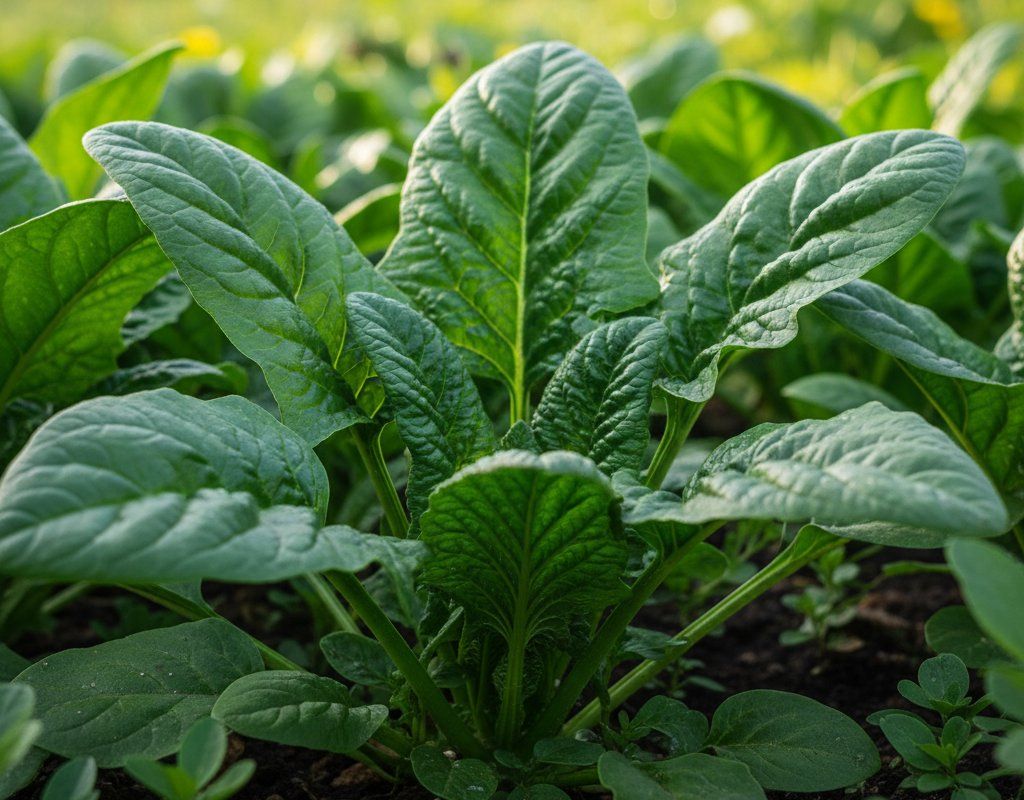
Cilantro grows beautifully alongside tomatoes, spinach, and peppers in Florida gardens because these plants share similar water needs and growing seasons. Tomatoes and peppers benefit from cilantro's natural pest-deterrent properties—it repels aphids and spider mites that commonly attack these heat-loving crops. Plant cilantro around the base of tomato cages in January for early spring harvest before tomato season peaks.
Spinach makes an excellent companion since both are cool-season crops that prefer our fall-through-spring growing window. They have similar water requirements and neither competes aggressively for space. Beans fix nitrogen in the soil, which benefits cilantro's moderate fertility needs without encouraging the excessive leaf growth that attracts pests. Avoid planting cilantro near fennel, which can inhibit cilantro's growth and may cross-pollinate if both plants bolt, creating off-flavored seeds.
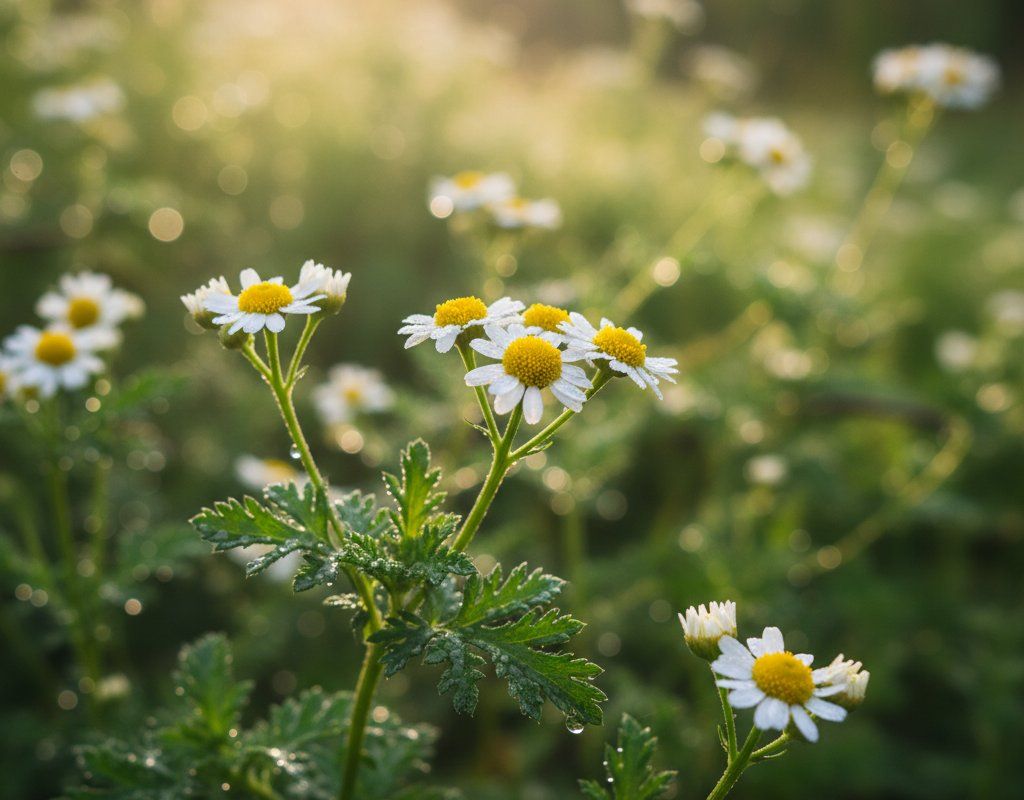
🌸Best Flowers to Plant with Cilantro
These flowers protect your Cilantro from pests and attract pollinators for better harvests.



Get a Reminder When It's Time to Plant
We'll email you when key planting windows open for your zone.