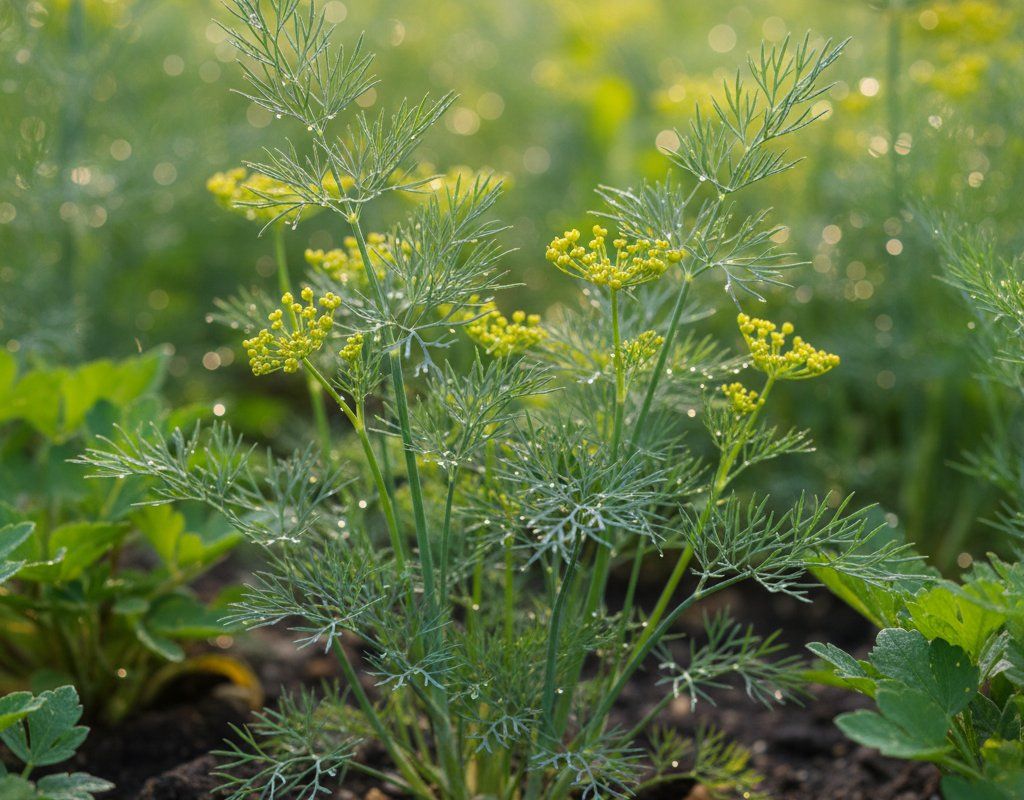
Dill in Zone 10A — Florida
Anethum graveolens · Your Complete 2026 Planting Guide
Harvest Time!
Your Dill should be producing now!
Harvest Tips
Harvest in the morning after dew dries for the best flavor.
How to Plant Dill in Zone 10A — Florida
Here are all your options for getting dill in the ground, from the easiest method to more advanced approaches.
Direct Sow Seeds
RecommendedEarly January through early November
around January 10
Consider succession planting every 2-3 weeks for continuous harvest.
Dill has a taproot and prefers direct sowing, but transplants work if handled carefully.
Start Seeds Indoors
RecommendedMid December through early January
around December 20
Then transplant: Mid January through late February
Start seeds 4-6 weeks before transplanting outdoors.
Buy Starts
Works WellMid January through late February
around January 17
Plant purchased starts after last frost (January 10).
Transplant Outdoors
Timing InfoMid January through late February
around January 17
Can tolerate light frost, but wait for soil to be workable.
You have a nice window — no need to rush.
Fall Planting
Early November through early December
November 19 ideal · Direct sow for fall harvest
Plant a second crop in mid-summer for fall harvest. Dill actually prefers the cooling temperatures of fall.
Overview
Dill thrives in Florida's unique growing calendar, offering fresh feathery foliage and aromatic seeds when you need them most. Here in Zone 10A, you can grow dill through most of our 355-day growing season, making it perfect for year-round cooking and preserving. The herb's quick 40-day maturity means you'll have fresh dill for your fish dishes and pickle-making projects when northern gardeners are still dealing with snow.
Florida's extreme humidity and intense summer heat can challenge dill, but timing is everything. Plant during our cooler months from fall through early spring, and you'll avoid the worst of our summer stress. The key is working with our reversed seasons – when the rest of the country is winding down their gardens, we're just getting started with our prime growing period.
Starting Seeds Indoors
Starting dill seeds indoors works well here in Florida, especially if you want precise timing for your transplants. Sow seeds in mid-December through early January, about four weeks before you plan to move them outside. Since our spring arrives early compared to northern zones, this indoor head start gives you better control over the process.
Set up your seed trays in a warm spot – dill seeds germinate best around 60-70°F, which is easy to maintain indoors during our mild winter months. Use bottom watering to keep the soil moist without encouraging fungal issues that love our high humidity. Keep seedlings under grow lights or in a sunny south-facing window.
The main advantage of indoor starting here is protecting young plants from our unpredictable winter weather swings. While we rarely get hard freezes, those occasional cold snaps can stress direct-sown seedlings. Indoor-started plants are more robust when transplant time arrives.
Transplanting Outdoors
Move your indoor-started dill seedlings outside from mid-January through late February, when our nighttime temperatures stay consistently above 40°F. Even though dill is frost-hardy, transplanting during this window gives plants time to establish before our heat arrives. Harden off seedlings gradually over a week, starting with a few hours of morning sun and building up to full outdoor exposure.
Space transplants 12 inches apart to allow good air circulation – crucial in our humid climate where fungal problems can develop quickly. Handle the root ball gently since dill develops a taproot that doesn't love disturbance. Plant at the same depth they were growing in their containers.
Watch the weather during transplant time, as late January through February can bring unexpected cold fronts through Florida. Keep row covers handy for protection, and water transplants well but avoid overhead watering that keeps foliage wet in our humid conditions.
Direct Sowing
Direct sowing is actually dill's preferred method since the plant develops a long taproot that resents transplant shock. In Florida, you can direct sow from early January through early November, though the best results come during our cooler months. Sow seeds in well-draining soil amended with compost – essential in our sandy soils that drain too quickly.
Plant seeds about ¼ inch deep and 12 inches apart, or sow more thickly and thin later. Seeds germinate in 7-14 days when soil temperatures reach 60°F, which happens early here compared to northern zones. Our warm winter soil helps seeds sprout reliably even in January.
The main challenge with direct sowing in Florida is our summer heat – seeds sown after early spring will struggle with our intense temperatures and afternoon thunderstorms. For continuous harvest, succession plant every 2-3 weeks during the cooler months rather than trying to grow dill through our brutal summer period.
Watering Dill in Zone 10A (Florida)
Dill needs consistent but moderate moisture – about 1 inch per week including rainfall. During Florida's wet summer months, you might not need to water at all, but our dry winter and spring periods require regular irrigation. Check soil moisture by inserting your finger 2 inches deep; water when it feels dry at that depth.
Water at the base of plants rather than overhead to prevent fungal diseases that thrive in our very high humidity. Early morning watering works best, giving foliage time to dry before our humid nights. During our intense summer heat, dill bolts quickly regardless of watering, which is why timing your plantings for cooler months matters more than irrigation.
Our sandy soils drain rapidly, so you'll water more frequently than gardeners in heavier soils. Apply a light mulch around plants to retain moisture and keep roots cool, but avoid thick mulching that can trap humidity against stems. Overwatering shows up as yellowing lower leaves, while underwatered dill wilts and bolts to seed prematurely.
Watch for signs of stress during our spring heat buildup – dill that's not getting enough water will send up flower stalks early as survival strategy. Once flowering begins, leaf production drops off significantly, so consistent moisture during the vegetative stage is crucial for maximum harvest.
🧪Fertilizing Dill
Feeding Schedule
Organic Fertilizer Options
Harvest Time
Your first dill harvest comes about 40 days after planting, typically mid-February through early January depending on your planting window. Start snipping the feathery foliage when plants reach 6-8 inches tall, cutting outer stems first and leaving the center growing point intact. Fresh leaves taste best before the plant flowers, so harvest regularly to delay bolting.
Cut stems just above a leaf node to encourage continued growth – dill produces new foliage from these points. Harvest in the morning after dew dries but before afternoon heat wilts the delicate leaves. The young, tender growth has the best flavor for cooking and preserving.
For dill seeds, let some plants flower and go to seed. The umbrella-shaped flower heads turn brown and dry when seeds are ready – usually 2-3 weeks after flowering begins. Shake the seed heads into a paper bag or cut entire heads and hang them upside down to dry. Collect seeds before they scatter naturally.
As first frost approaches in late December, harvest all remaining foliage for drying or freezing. Unlike northern gardeners who can extend harvest with protection, our issue is more about timing plantings to avoid summer heat. Plan your final spring planting to mature before our intense summer weather arrives.
Common Problems in Zone 10A (Florida)
Bolting shows up as tall flower stalks shooting up from the center of your dill plants, often accompanied by bitter or tough leaves. This premature flowering happens when plants experience stress from heat, drought, or long day length. In Florida, bolting is especially common if you try growing dill through late spring into summer – our 93°F temperatures and intense sun trigger this survival response quickly.
Aphids appear as clusters of tiny green, black, or white insects on stem tips and leaf undersides, leaving sticky honeydew residue and causing new growth to curl and distort. These sap-sucking pests multiply rapidly in our warm, humid conditions and can overwhelm plants quickly. Encourage beneficial insects like ladybugs and lacewings, knock aphids off with strong water sprays, or use insecticidal soap for heavy infestations. Avoid excess nitrogen fertilizer which makes plants more attractive to aphids.
Caterpillars like parsley worms (black swallowtail larvae) chew holes in dill foliage and can defoliate plants rapidly. These bright green caterpillars with black stripes are actually beneficial butterfly larvae, so hand-picking and relocating them works better than chemical controls. Check plants regularly during peak butterfly season in spring and fall when adults are laying eggs.
Florida Specific Challenges: Our extreme humidity creates perfect conditions for fungal diseases, while sandy soils require more frequent watering and fertilization. Summer heat makes dill growing nearly impossible, so timing plantings for our cooler months is essential. Hurricane season can damage or destroy plantings, making succession planting through fall and winter more reliable than depending on spring crops alone.
Best Companions for Dill
Plant these nearby for healthier Dill and better harvests.


Keep Away From
Companion Planting Details
Dill makes an excellent companion for brassicas like cabbage and lettuce, helping repel aphids and cabbage worms that commonly plague these crops in Florida's gardens. Plant dill near your winter vegetable beds where it can provide natural pest control during our prime cool-season growing period. Cucumbers also benefit from nearby dill, which attracts beneficial insects that help with pollination and pest management.
Avoid planting dill near carrots, as these two plants can cross-pollinate and affect seed quality if you're saving seeds. Tomatoes and dill don't make good neighbors either – tomatoes prefer consistent deep watering while dill needs well-draining conditions, and their different growing seasons in Florida (tomatoes in spring, dill in fall through winter) make companion planting less practical anyway.
🌸Best Flowers to Plant with Dill
These flowers protect your Dill from pests and attract pollinators for better harvests.
For Pest Control




Get a Reminder When It's Time to Plant
We'll email you when key planting windows open for your zone.