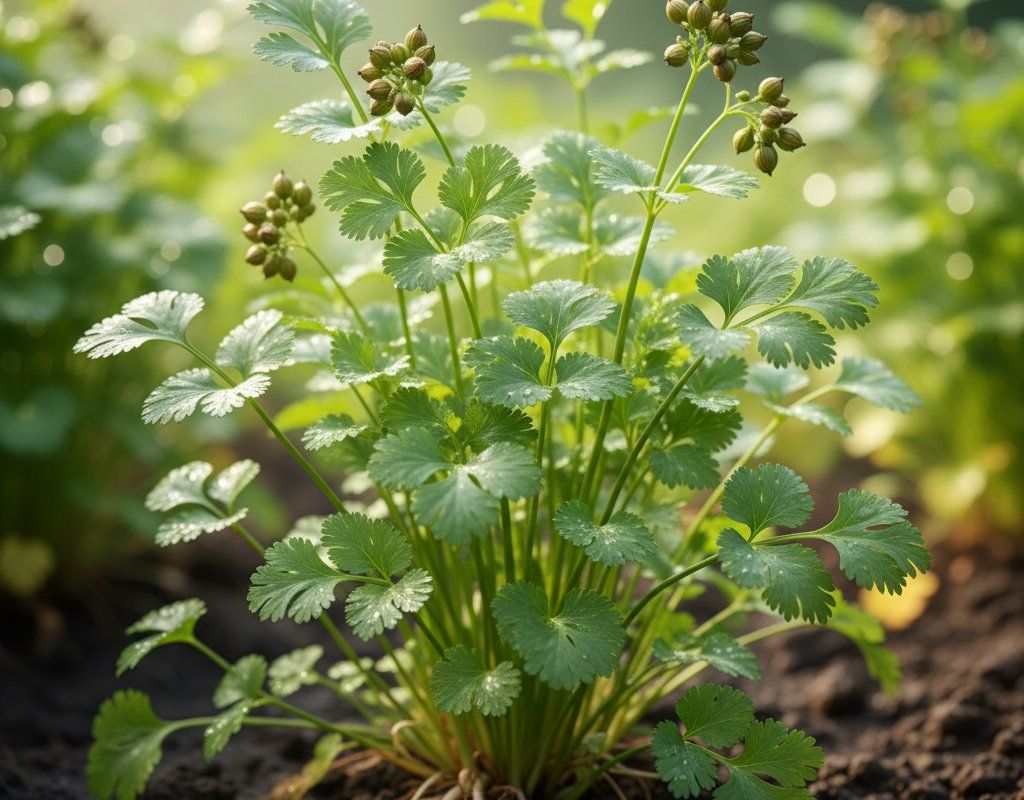
Cilantro in Zone 8B — Southeast
Coriandrum sativum · Your Complete 2026 Planting Guide
Missed Seed Starting? No Problem!
Wait for starts to become available.
What to Do
Starts will be available at nurseries in 6 days (around March 10).
How to Plant Cilantro in Zone 8B — Southeast
Here are all your options for getting cilantro in the ground, from the easiest method to more advanced approaches.
Direct Sow Seeds
RecommendedLate February through late September
around February 24
Consider succession planting every 2-3 weeks for continuous harvest.
Cilantro bolts quickly in heat. Direct sow in cool weather for best results.
Start Seeds Indoors
RecommendedEarly to late February
around February 10
Then transplant: Early March through late April
Start seeds 4-6 weeks before transplanting outdoors.
Buy Starts
Works WellEarly March through late April
around March 10
Plant purchased starts after last frost (March 10).
Transplant Outdoors
Timing InfoEarly March through late April
around March 10
Can tolerate light frost, but wait for soil to be workable.
You have a nice window — no need to rush.
Fall Planting
Late September through late October
October 9 ideal · Direct sow for fall harvest
Plant a second crop in mid-summer for fall harvest. Cilantro actually prefers the cooling temperatures of fall.
Overview
Cilantro brings that distinctive, bright flavor to your Southeast garden that you simply can't get from dried herbs at the store. Here in Zone 8B, our long growing season means you can enjoy fresh cilantro from early spring through late fall with proper succession planting. The herb thrives in our moderate spring temperatures and can handle our clay soil better than many delicate greens.
Growing cilantro in our hot and humid climate does require some timing strategy since it bolts quickly once summer heat arrives. But with our 255-day growing season, you have plenty of opportunities for multiple plantings in spring and fall when conditions are just right. The key is working with our seasonal patterns rather than fighting them.
Starting Seeds Indoors
Starting cilantro seeds indoors makes sense if you want to get a jump on the season or ensure transplants are ready when weather conditions are perfect. Start seeds in early to late February, about 4 weeks before you plan to transplant outdoors. Our moderate spring character in the Southeast gives you flexibility with this timing.
Use seed trays filled with quality potting mix and keep them at 65-70°F for germination. Bottom watering works best since it prevents the tiny seeds from washing around and reduces the chance of damping-off in our humid conditions. Once seedlings emerge, they'll need bright light from a south-facing window or grow lights.
Keep in mind that cilantro doesn't love root disturbance, so many Southeast gardeners prefer direct sowing. But indoor starting gives you more control over timing and protects young plants from any late cold snaps that can surprise us in early March.
Transplanting Outdoors
Transplant your cilantro seedlings outdoors from early March through late April, once soil temperatures consistently stay above 50°F. In the Southeast, this window gives you the best balance of cool growing conditions before summer heat sets in. Space transplants 6-8 inches apart to allow good air circulation in our humid climate.
Harden off seedlings gradually over a week by exposing them to outdoor conditions for increasing periods each day. Start with just an hour or two in a protected spot and work up to full days outside. This process is especially important in our region since transplants need to adjust to humidity levels and potential afternoon thunderstorms.
Plant on a cloudy day or in late afternoon to reduce transplant shock. Our spring weather can swing between warm and cool, so keep row covers handy if unexpected cold threatens your newly transplanted cilantro.
Direct Sowing
Direct sowing is often the preferred method for cilantro in the Southeast since it avoids root disturbance and gives you more flexibility with successive plantings. Sow seeds from late February through late September, timing plantings for cooler weather periods. Work compost into your clay soil to improve drainage and create the loose texture cilantro prefers.
Plant seeds ¼ inch deep and space them 6-8 inches apart, or sow more densely and thin later. Cilantro germinates best in soil temperatures between 55-65°F, which we typically see in early spring and again in fall. Keep the soil consistently moist during germination, which usually takes 7-14 days.
Remember that cilantro bolts quickly once our summer heat arrives, so focus your direct sowing on spring plantings (late February through April) and fall plantings (late August through September). The key to continuous harvest is succession sowing every 2-3 weeks during these cooler periods.
Watering Cilantro in Zone 8B (Southeast)
Cilantro needs consistent moisture to prevent bolting, especially important in our hot and humid Southeast climate. Water deeply when the top 2 inches of soil feel dry to your finger - this usually means about 1-1.5 inches per week during spring and fall growing seasons. Our clay soil holds moisture well, but it can also become waterlogged, so finding the right balance is key.
During our hot summers, container-grown cilantro may need daily watering, while garden beds benefit from deep watering 2-3 times per week. Water at the base of plants rather than overhead to reduce disease pressure in our humid conditions. Morning watering works best since it allows leaves to dry before evening humidity sets in.
Watch for signs of stress: drooping leaves usually mean the plant needs water, while yellowing lower leaves often indicate overwatering in our clay soil. If plants bolt prematurely, it's often due to inconsistent watering combined with heat stress. Mulch around plants with a thin layer of compost or shredded leaves to help maintain soil moisture and keep roots cool.
Our afternoon thunderstorms provide natural irrigation during summer months, but spring and fall plantings may need supplemental water during dry spells. Adjust your watering schedule based on our seasonal rainfall patterns - less in spring and fall, more during summer heat waves.
🧪Fertilizing Cilantro
Feeding Schedule
Organic Fertilizer Options
Harvest Time
You can start harvesting cilantro leaves from early April through late November with proper succession planting in the Southeast. Begin cutting outer stems when plants reach 6+ inches tall, usually about 45 days after sowing. Cut stems at the base rather than picking individual leaves to encourage continued growth and bushier plants.
Harvest regularly to keep plants productive - the more you cut, the more leaves you'll get before the plant bolts. Take what you need for immediate use and cut extra stems to dry or freeze. In our climate, morning harvest after dew dries gives you the cleanest leaves with the best flavor concentration.
Once cilantro sends up its central flower stalk, leaf production slows and flavor becomes bitter. This happens quickly in hot weather, which is why timing plantings for cooler periods is so important here. You can pinch off flower buds to extend leaf harvest, but eventually the plant will win this battle.
As first frost approaches in mid-November, harvest any remaining plants completely. You can pot up small plants and grow them indoors on a sunny windowsill, or let the last planting go to seed to collect coriander for next year's garden.
Common Problems in Zone 8B (Southeast)
Bolting appears as a central flower stalk shooting up from the center of your cilantro plant, often seemingly overnight. The leaves become smaller, tougher, and bitter once this happens. In the Southeast, this is triggered by our combination of increasing day length, heat stress, and irregular watering during the transition from spring to summer. Plant cilantro during cooler periods, provide afternoon shade during warm spells, and maintain consistent soil moisture. Choose slow-bolt varieties like 'Slow Bolt' or 'Delfino' for better heat tolerance.
Aphids show up as clusters of tiny green, black, or white insects on stems and leaf undersides, leaving behind sticky honeydew residue that can attract ants. Our warm, humid conditions allow populations to explode quickly, especially on stressed plants. Blast them off with a strong water spray from your hose, or use insecticidal soap for heavy infestations. Encourage beneficial insects like ladybugs by planting diverse flowers nearby. Avoid excess nitrogen fertilizer, which creates the tender growth aphids love.
Leaf spot appears as small brown or yellow spots on leaves, often with a water-soaked appearance that can spread rapidly in our humid conditions. This fungal disease thrives in the combination of moisture and poor air circulation common in Southeast gardens. Prevent it by spacing plants properly, watering at soil level rather than overhead, and ensuring good drainage in clay soil. Remove affected leaves immediately and avoid working with wet plants.
Southeast Specific Challenges: Our hot and humid climate creates perfect conditions for fast bolting and disease pressure on cilantro. The key is timing plantings for cooler weather windows and providing consistent moisture without creating soggy conditions in clay soil. Focus on spring and fall growing seasons when afternoon thunderstorms and humidity won't stress your plants as severely.
Best Companions for Cilantro
Plant these nearby for healthier Cilantro and better harvests.

Keep Away From

Companion Planting Details
Cilantro pairs beautifully with tomatoes, peppers, and other warm-season crops in the Southeast garden. Plant it around the base of tomato plants where it benefits from partial shade during hot afternoons while helping to repel aphids and spider mites. Spinach makes an excellent companion for succession planting - as your spring spinach finishes, cilantro can take its place. Bush beans also work well since their nitrogen-fixing roots benefit the soil while cilantro's strong scent may help deter bean beetles.
Avoid planting cilantro near fennel, as these two herbs can cross-pollinate and create offspring with poor flavor. Fennel also tends to inhibit the growth of many plants, including cilantro. Keep them on opposite sides of your garden to prevent any issues and maintain the distinct flavors of both herbs.
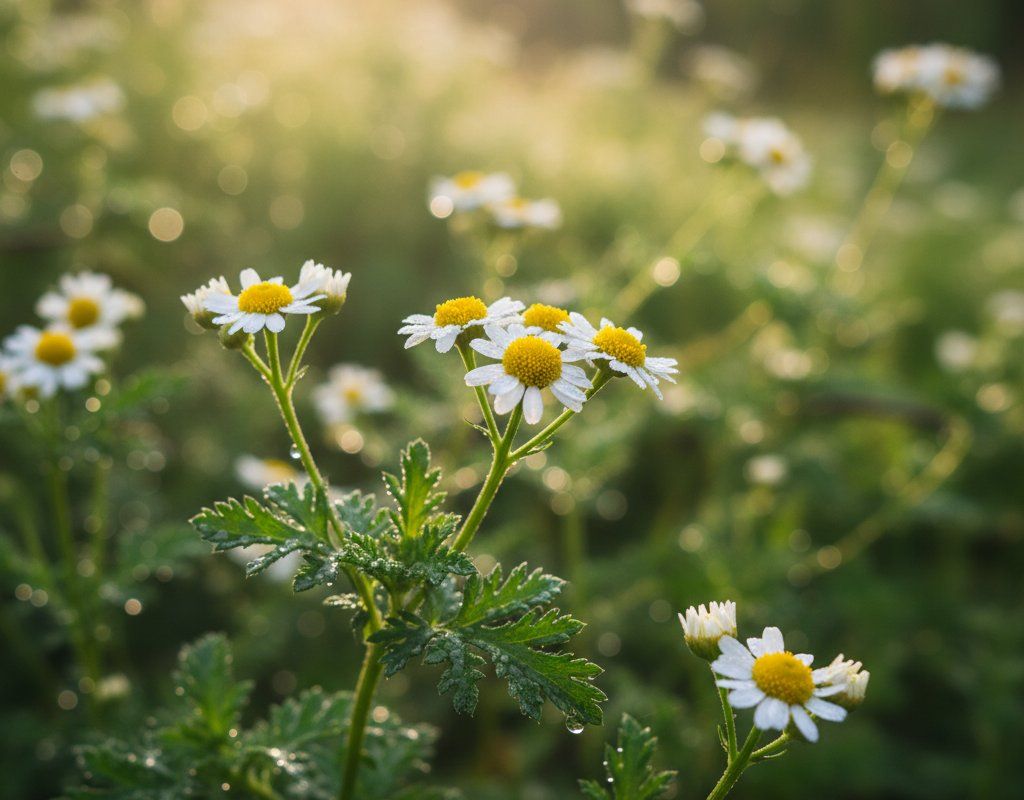
🌸Best Flowers to Plant with Cilantro
These flowers protect your Cilantro from pests and attract pollinators for better harvests.



Get a Reminder When It's Time to Plant
We'll email you when key planting windows open for your zone.