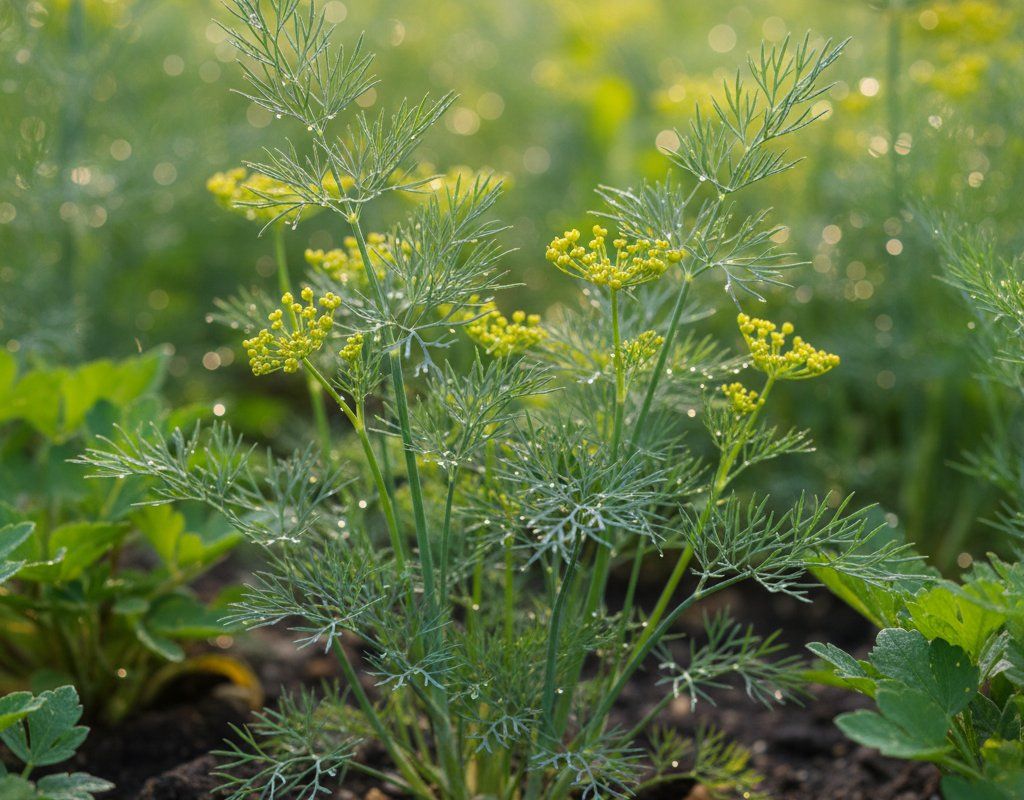
Dill in Zone 5A — Mountain West
Anethum graveolens · Your Complete 2026 Planting Guide
Planning Ahead — Great!
You’re ahead of the season. Here’s when to start.
Mark Your Calendar
How to Plant Dill in Zone 5A — Mountain West
Here are all your options for getting dill in the ground, from the easiest method to more advanced approaches.
Direct Sow Seeds
RecommendedEarly May through early August
around May 10
Consider succession planting every 2-3 weeks for continuous harvest.
Dill has a taproot and prefers direct sowing, but transplants work if handled carefully.
Start Seeds Indoors
RecommendedMid April through early May
around April 19
Then transplant: Mid May through late June
Start seeds 4-6 weeks before transplanting outdoors.
Buy Starts
Works WellMid May through late June
around May 17
Plant purchased starts after last frost (May 10).
Transplant Outdoors
Timing InfoMid May through late June
around May 17
Can tolerate light frost, but wait for soil to be workable.
You have a nice window — no need to rush.
Fall Planting
Late July through late August
August 14 ideal · Direct sow for fall harvest
Plant a second crop in mid-summer for fall harvest. Dill actually prefers the cooling temperatures of fall.
Overview
Dill thrives in our Mountain West climate, delivering that distinctive fresh flavor that transforms everything from potato salad to pickles. The herb's preference for cooler weather aligns perfectly with our moderate-at-altitude summers and cool nights, while our intense sunlight helps develop those essential oils that make homegrown dill so much more potent than store-bought. You'll get continuous harvests from late spring through fall with successive plantings.
Our short 138-day growing season and late spring start might seem limiting, but dill's fast 40-day maturity makes it ideal for multiple plantings throughout the season. The key is working with our cool nights and moderate summer heat rather than fighting them – dill actually prefers our Mountain conditions to the sweltering heat of lower elevations.
Starting Seeds Indoors
Starting dill indoors makes sense mainly for getting that first early harvest or if you want precise control over spacing. Start seeds from mid-April through early May, about 4 weeks before you plan to transplant outdoors after our last frost passes.
Use seed trays with good drainage and keep soil consistently moist through bottom watering – this prevents the delicate seedlings from getting knocked over by overhead watering. Our late Mountain springs mean indoor starting gives you a head start, but dill's taproot makes it somewhat fussy about transplanting.
Keep seedlings in a warm spot (65-70°F) until germination, then provide bright light once they emerge. Our intense high-altitude sun can shock tender seedlings, so you'll need to harden them off carefully before transplanting.
Transplanting Outdoors
Transplant your indoor-started dill from mid-May through late June, once soil has warmed and nighttime temperatures consistently stay above 40°F. Our Mountain springs can throw surprise cold snaps even after the average last frost, so watch the forecast closely.
Harden off seedlings gradually over a full week – start with just 2-3 hours of morning sun, then increase daily exposure. Our intense UV at altitude can burn tender leaves quickly if you rush this process. Handle transplants gently since dill's taproot doesn't appreciate disturbance.
Space plants 12 inches apart in loose, well-draining soil. Plant at the same depth they were growing in containers, water thoroughly, and consider light shade cloth for the first few days if we're having one of those intense late-spring sunny spells.
Direct Sowing
Direct sowing is actually dill's preferred method since it avoids transplant shock to that sensitive taproot. Sow seeds from early May through early August, giving you multiple succession plantings throughout our growing season.
Wait until soil temperature reaches at least 50°F consistently – usually early to mid-May in our area. Prepare loose, well-draining soil since dill won't tolerate soggy conditions in our clay-heavy or compacted Mountain soils. Sow seeds ¼ inch deep and thin seedlings to 12 inches apart once they're 2-3 inches tall.
The beauty of direct sowing here is that each planting gives you about 6 weeks of harvest before the plant bolts. Plant every 2-3 weeks through mid-summer for continuous fresh dill right up until our first frost in late September.
Watering Dill in Zone 5A (Mountain West)
Dill needs consistent moderate moisture but absolutely cannot tolerate soggy soil – a common issue in our clay-heavy Mountain soils with poor drainage. Water when the top 2 inches of soil feel dry to your finger, typically every 3-4 days during our dry summers.
Aim for about 1 inch of water per week, including any natural rainfall (which isn't much in our 10-20 inch annual climate). Water at soil level rather than overhead to prevent fungal issues, though our low humidity makes this less critical than in more humid regions. Our intense sun evaporates surface moisture quickly, so deep watering encourages strong root development.
Watch for bolting signs during hot spells – when temperatures hit the upper 80s or 90s, even our moderate-at-altitude heat can stress dill into premature flowering. Consistent moisture and some afternoon shade during heat waves help prevent this. Mulch lightly with straw to retain soil moisture, but avoid thick mulching that can trap moisture against stems in our low-humidity climate.
Underwatered dill shows wilted, yellowing lower leaves and bolt quickly. Overwatered dill develops yellowing from the bottom up and may show root rot in our sometimes clay-heavy soils. The key is consistent moisture without waterlogged conditions.
🧪Fertilizing Dill
Feeding Schedule
Organic Fertilizer Options
Harvest Time
Your first dill harvest starts about 6 weeks after planting, typically from mid-June through early October depending on your planting schedule. Begin snipping the feathery leaves when plants reach 6-8 inches tall – they're at peak flavor before the plant flowers.
Harvest individual fronds by cutting stems near the base, or pinch growing tips to encourage bushier growth. Fresh leaves have the best flavor in early morning after our cool Mountain nights. For dill seed, let some plants flower and wait until the seed heads turn brown and dry – usually late summer or early fall.
Cut entire stems with flower heads and hang them upside down in paper bags to catch falling seeds. Our dry climate makes this process easier than in humid regions since the low moisture prevents mold during drying. Shake dried seed heads into bags – the seeds should fall easily when ready.
Keep succession planting every 2-3 weeks through mid-summer since each plant only produces for about 6 weeks before bolting. This gives you continuous fresh dill until our first frost arrives in late September, when you can harvest final plants entirely for freezing or drying.
Common Problems in Zone 5A (Mountain West)
Bolting Dill sends up tall flower stalks prematurely, and the leaves become bitter and lose their delicate flavor. You'll see the plant suddenly shooting upward with umbrella-like flower clusters instead of producing more feathery foliage. In our Mountain climate, this typically happens during hot spells when temperatures exceed 85°F for several consecutive days, or when plants experience drought stress. Plant dill in early spring or late summer when temperatures are more moderate. Provide consistent moisture and consider light afternoon shade during those intense high-altitude sun periods. Choose bolt-resistant varieties and succession plant every 2-3 weeks rather than trying to keep one planting going all season.
Aphids Small clusters of green, black, or white soft-bodied insects appear on stem tips and leaf undersides, leaving behind sticky honeydew residue. New growth may curl or appear distorted. Our dry Mountain climate actually reduces aphid problems compared to humid regions, but they can still appear during warm periods. Blast them off with a strong water spray from your hose – this works well in our low-humidity environment since plants dry quickly. Encourage beneficial insects like ladybugs and lacewings by planting diverse flowers nearby. For heavy infestations, use insecticidal soap, but avoid overwatering which can stress plants in our well-draining Mountain soils.
Swallowtail Caterpillars Large green caterpillars with black and yellow stripes appear on leaves, often completely defoliating plants overnight. These are actually beneficial butterfly larvae, but they can destroy your dill crop. Parsley worms (black swallowtail caterpillars) particularly love dill and other herbs in the carrot family. Hand-pick them if you only have a few plants, or plant extra dill specifically for the butterflies while protecting your harvest crop with row cover. Our intense UV actually makes caterpillars more active during cooler morning and evening hours.
Mountain West Specific Challenges Our intense high-altitude sun can stress dill during peak summer heat, leading to premature bolting even with adequate water. The combination of dry air and intense UV means plants need consistent soil moisture but excellent drainage – a balance that requires attention in our variable Mountain soils. Sudden hailstorms can shred the delicate foliage, so consider row cover during storm season.
Best Companions for Dill
Plant these nearby for healthier Dill and better harvests.


Keep Away From
Companion Planting Details
Dill makes an excellent companion for cool-season crops that share its preference for moderate temperatures and consistent moisture. Plant it alongside lettuce and other greens – the dill's upright growth provides light shade during intense afternoon sun while its flowers attract beneficial insects that help control aphids on leafy crops. Cabbage family plants benefit from dill's pest-deterrent properties, and both crops appreciate similar soil moisture levels in our dry climate.
Cucumbers traditionally pair with dill for both culinary and garden reasons – dill flowers attract pollinators that cucumbers need, while the cucumber's sprawling habit doesn't compete with dill's upright growth. Avoid planting dill near carrots since they can cross-pollinate and affect flavor, and keep it away from tomatoes which prefer warmer conditions and may shade out your dill in our intense Mountain sun.
🌸Best Flowers to Plant with Dill
These flowers protect your Dill from pests and attract pollinators for better harvests.
For Pest Control




Get a Reminder When It's Time to Plant
We'll email you when key planting windows open for your zone.