
Parsley in Zone 5A — Mountain West
Petroselinum crispum · Your Complete 2026 Planting Guide
Last Call for Seed Starting!
Indoor seed starting window closes in 11 days.
Start Seeds This Week
Start seeds now for transplanting later.
Or Wait for Starts
If you don’t want to start seeds, starts will be available around April 26.
How to Plant Parsley in Zone 5A — Mountain West
Here are all your options for getting parsley in the ground, from the easiest method to more advanced approaches.
Direct Sow Seeds
RecommendedLate April through early July
around April 26
Consider succession planting every 2-3 weeks for continuous harvest.
Parsley is slow to germinate (2-4 weeks). Soaking seeds helps.
Start Seeds Indoors
RecommendedLate February through mid March
around March 1
Then transplant: Late April through late May
Start seeds 8-10 weeks before transplanting outdoors.
Start indoors 8-10 weeks early due to slow germination.
Buy Starts
Works WellLate April through late May
around April 26
Plant purchased starts after last frost (May 10).
Transplant Outdoors
Timing InfoLate April through late May
around April 26
Can tolerate light frost, but wait for soil to be workable.
You have a nice window — no need to rush.
Fall Planting
Early July through early August
July 24 ideal · Direct sow for fall harvest
Plant a second crop in mid-summer for fall harvest. Parsley actually prefers the cooling temperatures of fall.
Overview
Parsley thrives in our Mountain West climate, where cool nights and intense sunlight create ideal conditions for this hardy herb. The moderate summer temperatures at altitude mean parsley doesn't bolt as quickly as it would in hotter regions, giving you a longer harvest window. Our dry air reduces fungal problems that plague parsley elsewhere, and the herb's natural hardiness makes it perfect for handling our temperature swings.
While our short 138-day growing season and late spring start might seem limiting, parsley's frost tolerance works in our favor. You can plant early when other herbs would suffer, and it'll keep producing right up until hard frost hits in late September. The key is working with our late spring timing and choosing the right planting method for your schedule.
Starting Seeds Indoors
Starting parsley indoors makes sense if you want an early harvest or struggle with our intense UV burning young seedlings. Begin seeds from late February through mid-March, about 8-10 weeks before your last frost. Parsley is notoriously slow to germinate—sometimes taking 3-4 weeks—so patience is essential.
Set up your seed trays in a warm spot (70-75°F) with good light once they sprout. Bottom watering works best for these slow starters since it keeps the soil consistently moist without creating soggy conditions. The extra weeks indoors give you stronger plants that can handle our intense Mountain sun better than direct-sown seedlings.
Starting indoors isn't necessary though—direct sowing often works just as well here. The main advantage is getting a jump on our short season, especially if you want multiple harvests before fall.
Transplanting Outdoors
Transplant your indoor-started parsley from late April through late May, after your soil has warmed and the worst of our spring temperature swings have passed. These seedlings need a full week of hardening off—our intense UV and dry air can shock plants that aren't gradually acclimated.
Start the hardening process by placing plants outside for just 2-3 hours in filtered light, then gradually increase their exposure over 7-10 days. Watch for signs of stress like wilting or bleached leaves—our high-altitude sun is stronger than most plants expect.
Space transplants 6-10 inches apart in well-draining soil. In our alkaline conditions, parsley adapts well, but adding some compost helps with moisture retention. Plant on a cloudy day if possible, or provide temporary shade cloth for the first few days after transplanting.
Direct Sowing
Direct sowing parsley works well from late April through early July in our Mountain climate. The main advantage is avoiding transplant shock, though you'll wait longer for your first harvest since germination takes 2-4 weeks even in warm soil.
Soak seeds overnight before planting—this simple step can cut germination time in half. Plant seeds ¼ inch deep in rows spaced 6-10 inches apart. Keep the soil consistently moist during the long germination period, which can be challenging in our dry air. Consider using row covers or shade cloth to prevent the soil from crusting over.
Your biggest challenge will be keeping the seedbed moist for 2-3 weeks while seeds germinate. Morning watering helps, and a thin layer of straw can reduce evaporation. Direct-sown parsley often catches up to transplanted seedlings by midsummer, especially with our intense growing conditions.
Watering Parsley in Zone 5A (Mountain West)
Parsley needs consistent moisture but never soggy soil—a balance that's tricky in our dry Mountain climate. Plan on about 1 inch of water per week, delivered in 2-3 deep waterings rather than daily sprinkles. Our low humidity means surface soil dries quickly, but check 2 inches down with your finger to see what's really happening.
Water at the base of plants rather than overhead. With our dry air, foliage diseases aren't a major concern, but watering at soil level is more efficient and reduces evaporation. Morning watering works best since it gives plants time to absorb moisture before our intense afternoon sun hits.
Watch for signs of stress in our challenging conditions. Underwatered parsley wilts and develops pale, brittle leaves. Overwatered plants show yellowing from the bottom up and may develop crown rot in our heavy clay soils. The sweet spot is soil that feels like a wrung-out sponge.
A 2-3 inch layer of organic mulch helps tremendously in our dry climate. Straw or shredded leaves conserve moisture and keep roots cool during our hottest afternoons. Just pull mulch back slightly from the plant crown to prevent moisture buildup that could cause problems.
🧪Fertilizing Parsley
Feeding Schedule
Organic Fertilizer Options
Harvest Time
Expect your first parsley harvest from early July through early October, about 70 days from seeding. Start harvesting when outer stems develop three distinct segments—this usually happens when plants reach 4-6 inches tall. Cut entire stems at the base rather than snipping tips, which encourages bushier growth.
Always harvest from the outside of the plant, leaving the center growing point intact. Take no more than one-third of the plant at once to keep it productive. In our intense Mountain sun, regular harvesting actually helps the plant by preventing it from putting energy into flowering too early.
Parsley is biennial, producing leaves the first year and flowers the second. In our climate, most gardeners treat it as an annual since few plants survive our harsh winters. Keep harvesting regularly through summer—the more you cut, the more it produces.
As your first frost approaches in late September, harvest heavily and preserve what you can't use fresh. The plants will keep producing until a hard freeze, often giving you 3-4 months of continuous harvest in our short but intense growing season.
Common Problems in Zone 5A (Mountain West)
Slow Germination Seeds sit in soil for 2-4 weeks without sprouting, sometimes failing entirely. This happens because parsley seeds have natural germination inhibitors and need consistent moisture and warmth. In our dry Mountain air, soil surfaces crust over and seeds dry out before they can establish.
Soak seeds overnight before planting and keep soil consistently moist (not soggy) during the germination period. Use row covers or shade cloth to prevent soil crusting. Bottom watering works better than overhead watering for maintaining even moisture.
Carrot Rust Fly You'll see rusty brown tunnels in your parsley roots and small dark flies hovering around plants. Foliage may wilt despite adequate water. These flies lay eggs near plant stems, and the larvae tunnel into roots, weakening the entire plant.
Row covers provide the best protection—install them right after planting and leave on for 4-6 weeks. Interplanting with onions helps confuse the flies since they locate plants by smell. Avoid thinning during peak fly season (late spring) since bruised plant tissue attracts them.
Crown Rot Plants suddenly collapse at soil level with blackened, mushy stems near the base. This fungal problem develops when moisture sits around the plant crown, especially in our heavy clay soils that don't drain well after irrigation or summer storms.
Improve soil drainage by adding compost and avoid overhead watering. Plant in raised beds or mounded soil if drainage is poor. Pull mulch back 2-3 inches from plant stems and water at the base rather than around the crown.
Mountain West Specific Challenges Our alkaline soil rarely causes nutrient problems for parsley, but our intense UV can bleach young leaves. Provide afternoon shade during the hottest part of summer, especially for direct-sown seedlings. Hail can shred tender leaves—row covers offer protection during storm season.
Best Companions for Parsley
Plant these nearby for healthier Parsley and better harvests.
View Full Companion Planting Chart →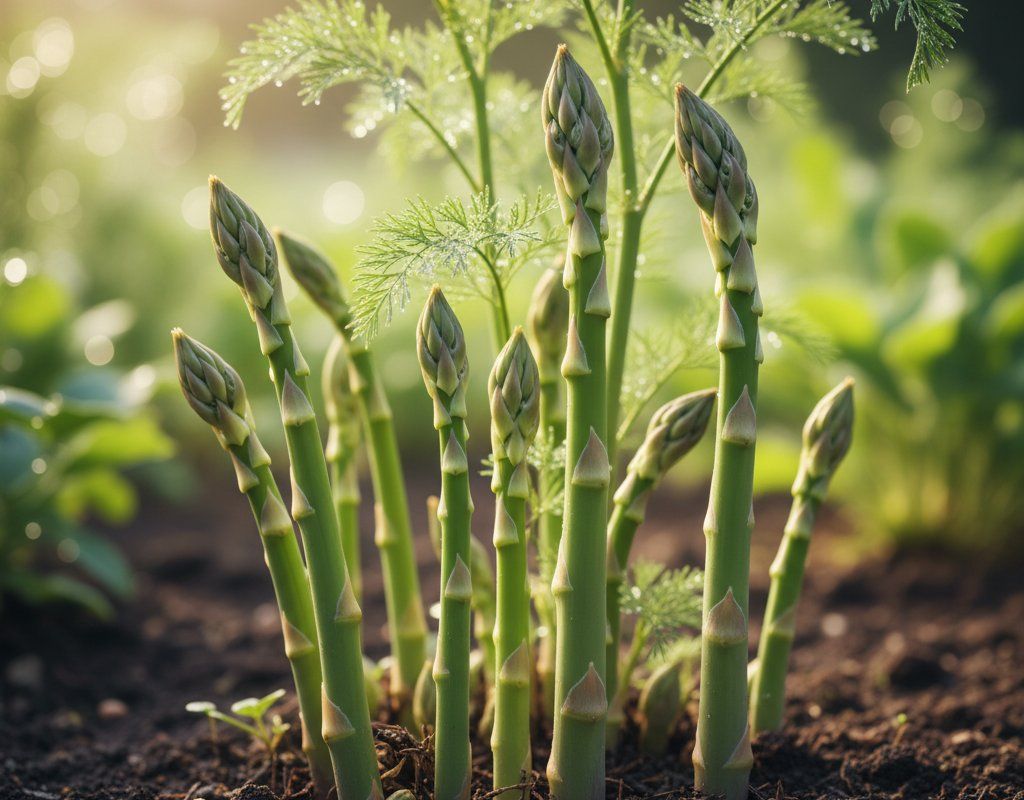



Companion Planting Details
Parsley makes an excellent companion for tomatoes, roses, and asparagus in Mountain gardens. The herb's strong scent helps confuse pests that target these plants, while its deep taproot brings nutrients up from lower soil layers. Plant parsley around the base of tomato cages or between asparagus spears—it won't compete significantly for space or nutrients.
Avoid planting parsley near lettuce or mint. Lettuce and parsley have similar water needs but different light preferences in our intense Mountain sun—lettuce benefits from afternoon shade while parsley handles full sun. Mint's aggressive spreading habit will overwhelm parsley's more reserved growth pattern, and both compete for the same soil moisture in our dry climate.
🌸Best Flowers to Plant with Parsley
These flowers protect your Parsley from pests and attract pollinators for better harvests.
For Pest Control




Get a Reminder When It's Time to Plant
We'll email you when key planting windows open for your zone.