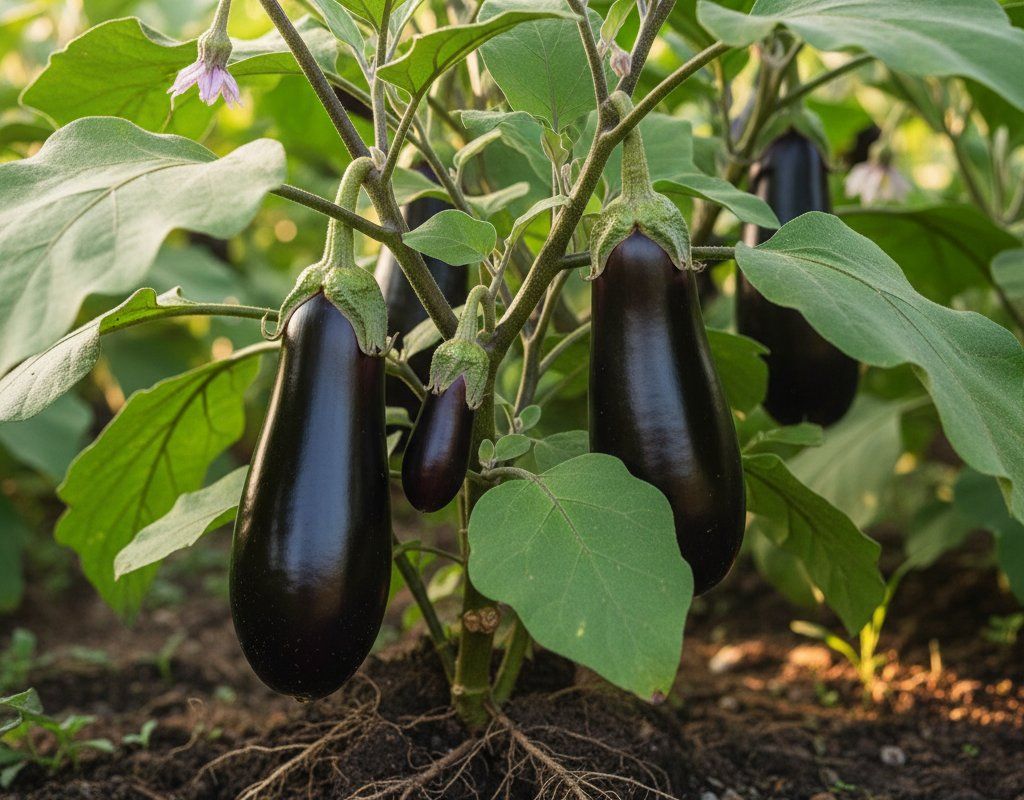
Eggplant in Zone 9B — Southern California
Solanum melongena · Your Complete 2026 Planting Guide
Time to Buy Starts!
Seed starting window passed, but starts are available now.
Buy Starts Now
Head to your local nursery, Home Depot, or farmers market for transplants.
- Look for stocky plants with dark green leaves
- Avoid leggy seedlings or plants already flowering
- Check that roots aren't circling the pot (rootbound)
How to Plant Eggplant in Zone 9B — Southern California
Here are all your options for getting eggplant in the ground, from the easiest method to more advanced approaches.
Start Seeds Indoors
RecommendedMid December through early January
around December 21
Then transplant: Mid February through mid March
Start seeds 8-10 weeks before transplanting outdoors.
Eggplant needs warm soil and a long season. Start 8-10 weeks early.
Buy Starts
Works WellMid February through mid March
around February 15
Plant purchased starts after last frost (January 25).
Wait until soil is truly warm (65°F+) before transplanting.
Direct Sow Seeds
ChallengingDirect sowing is not typical for Eggplant.
Transplant Outdoors
Timing InfoMid February through mid March
around February 15
Wait until nighttime temperatures stay above 50°F.
You have a nice window — no need to rush.
Overview
Eggplant thrives in our long, warm Southern California growing season, rewarding you with beautiful, glossy fruit perfect for everything from baba ghanoush to eggplant parmesan. The satisfaction of harvesting your own delicious eggplant, knowing exactly where it came from, is hard to beat, especially when you consider the prices at the local farmers market!
While we face challenges like drought and summer heat inland, careful planning and water-wise gardening practices allow us to enjoy a bountiful eggplant harvest. Our 334-day growing season gives you plenty of time to get it right.
Starting Seeds Indoors
Starting eggplant seeds indoors is the way to go here in Southern California. Starting your seeds indoors from mid-December through early January (about 8 weeks before transplanting) gives them a head start for our very-early spring.
Use seed trays with a good seed-starting mix, and make sure they have consistent warmth and light. Bottom watering is a great way to keep the soil consistently moist without disturbing the delicate seedlings.
Transplanting Outdoors
Transplant your eggplant seedlings outdoors from mid-February through mid-March, once the soil has warmed up. Before transplanting, harden off your seedlings by gradually exposing them to outdoor conditions for about a week.
Space your eggplant plants 18-24 inches apart in a sunny spot. Keep an eye on the forecast; sometimes we get unexpected late-season cool snaps even in Southern California, so be ready to cover your young plants if needed.
Watering Eggplant in Zone 9B (Southern California)
Eggplant needs consistent moisture to produce smooth, glossy fruit. In our Southern California climate, that means paying close attention, especially during the summer heat inland. Water stress can lead to bitter fruit and a less-than-ideal texture, so don't let them dry out.
During our mild winters, you may only need to water once a week, but as the weather warms up, increase watering to 2-3 times per week, providing about 1-2 inches of water each time. Use the "finger test" – if the top 2 inches of soil feel dry, it's time to water. Water at the base of the plant to avoid fungal diseases, which can occur even with our low-to-moderate humidity.
Signs of underwatering include wilting leaves and dry soil, while overwatering can cause yellowing leaves and root rot. A good layer of mulch helps retain moisture and regulate soil temperature, which is especially helpful during our hot summers and fire season.
Supporting Your Eggplant
Eggplant branches can become heavy with fruit, causing them to droop or even break. Staking is the best way to support your eggplant plants and keep the fruit off the ground, preventing rot and pest problems.
Install a sturdy stake near each plant at planting time, driving it deep enough into the ground to provide solid support. As the plant grows, gently tie the main stem to the stake using soft plant ties.
Pruning & Maintaining Eggplant
Eggplant requires minimal pruning, but a little attention can improve fruit production. Remove any suckers (small shoots) that grow below the first main fork of the plant.
Throughout the season, limit the plant to 5-6 main branches to encourage larger fruit. As the end of the season approaches (around late December in SoCal), you can remove any new flowers to redirect the plant's energy into ripening the existing fruit before the first frost.
🧪Fertilizing Eggplant
Feeding Schedule
Organic Fertilizer Options
Harvest Time
You can expect your first eggplant harvest from late April through mid-June, about 70 days after transplanting. The key is to harvest when the skin is glossy and the fruit has a slight give when pressed gently. Dull skin indicates the eggplant is overripe and may be seedy.
Use pruners or a sharp knife to cut the stem just above the fruit, being careful not to damage the plant. Regular harvesting encourages continuous production, so keep an eye on your plants and pick the fruit as it ripens. As the first frost approaches in late December, harvest any remaining mature fruit, even if it's not fully ripe; it will still be delicious.
Common Problems in Zone 9B (Southern California)
Here are some common problems you might encounter growing eggplant in Southern California:
Flea Beetles
- What it looks like: Tiny round holes (shot-hole pattern) in leaves, especially on young seedlings. You might see small, dark beetles that jump when disturbed.
- What causes it: Small jumping beetles that feed on the leaves. They're most damaging to small, young plants and thrive in dry conditions.
- How to fix/prevent it: Use row covers to protect seedlings during their vulnerable stage. Delay planting until plants are larger and more resilient. Apply kaolin clay coating to the leaves. Neem oil spray can also help. Interplant with basil or catnip to deter them. Healthy, vigorous plants often outgrow the damage.
Colorado Potato Beetle
- What it looks like:
- What causes it:
- How to fix/prevent it:
Verticillium Wilt
- What it looks like: Lower leaves yellow, wilt, and die, progressing upward. One side of the plant may be affected first. Brown streaks can be seen in the stem when cut open.
- What causes it: A soil-borne fungus that can persist for years. It's favored by cooler soil temperatures, which can be a factor during our winter-wet season.
- How to fix/prevent it: Unfortunately, there's no cure. Remove infected plants immediately to prevent spread. Rotate crops with non-susceptible plants like corn or grains. Soil solarization can help. When possible, choose resistant varieties (look for a 'V' on the label).
Blossom Drop
- What it looks like: Flowers fall off the plant without setting fruit. Small fruit may yellow and drop prematurely. The plant looks healthy overall but produces no fruit.
- What causes it: Temperature stress, especially when nights stay above 75°F or days exceed 95°F. Low humidity, excess nitrogen, or poor pollination can also contribute.
- How to fix/prevent it: Be patient; fruit set often resumes when temperatures moderate. Provide afternoon shade during extreme heat inland. Keep plants well-watered. Avoid over-fertilizing with nitrogen. Hand-pollination can help.
Southern California Specific Challenges: Our hot summer heat inland and low-to-moderate humidity can exacerbate blossom drop and flea beetle problems. Water restrictions require us to be water-wise, so mulching and efficient watering techniques are essential. Santa Ana winds can also stress plants, so provide protection during these events.
Best Companions for Eggplant
Plant these nearby for healthier Eggplant and better harvests.



Keep Away From

Companion Planting Details
Eggplant benefits from companion planting here in Southern California. Green beans are a good choice because they fix nitrogen in the soil, enriching it for the eggplant. Peppers and tomatoes also make good companions, as they have similar growing requirements and can benefit from shared support structures. Spinach can act as a ground cover, helping to retain moisture in our dry climate.
Avoid planting fennel near eggplant, as it can inhibit its growth.
🌸Best Flowers to Plant with Eggplant
These flowers protect your Eggplant from pests and attract pollinators for better harvests.
For Pest Control




Get a Reminder When It's Time to Plant
We'll email you when key planting windows open for your zone.