
Fennel in Zone 6A — Mountain West
Foeniculum vulgare · Your Complete 2026 Planting Guide
Planning Ahead — Great!
You’re ahead of the season. Here’s when to start.
Mark Your Calendar
How to Plant Fennel in Zone 6A — Mountain West
Here are all your options for getting fennel in the ground, from the easiest method to more advanced approaches.
Direct Sow Seeds
RecommendedEarly May through mid July
around May 1
Consider succession planting every 2-3 weeks for continuous harvest.
Fennel has a taproot and bolts easily when transplanted. Direct sow only.
Buy Starts
Works WellEarly to late May
around May 1
Plant purchased starts after last frost (May 1).
Start Seeds Indoors
ChallengingThis plant is typically not started indoors.
Transplant Outdoors
Timing InfoEarly to late May
around May 1
Can tolerate light frost, but wait for soil to be workable.
You have a nice window — no need to rush.
Overview
Fennel is a fantastic addition to any Mountain West garden. Its anise-like flavor brightens up salads and soups, and the feathery fronds are beautiful in the garden. Plus, that slight licorice flavor really pops when our cool nights concentrate the sugars. Growing your own fennel is incredibly rewarding.
Our short growing season and intense sun in the Mountain West can seem daunting, but fennel is pretty forgiving if you time it right. With a 153-day growing season, you'll have plenty of time to get a harvest.
Transplanting Outdoors
You can transplant fennel outdoors from early to late May, but direct sowing is best. If you do start indoors, make sure to harden them off properly. Gradually expose them to the outdoors for about a week, increasing their time outside each day, before planting.
When transplanting, space them 12-18 inches apart to give them room to grow. Keep an eye on the weather during this time. We can still get some late frosts or even hail in May, so be prepared to cover your young plants if necessary.
Direct Sowing
Direct sowing is the preferred method for fennel, as it has a taproot and doesn't always love being transplanted. Start direct sowing from early May through mid July. The soil should be at least 60°F for best germination.
Prepare your garden bed by loosening the soil and amending with compost to improve drainage and fertility. Sow seeds about ¼ inch deep and 12-18 inches apart. Keep the soil consistently moist until the seedlings emerge.
Watering Fennel in Zone 6A (Mountain West)
Fennel needs consistent moisture, especially during bulb development. Aim for about 1 inch of water per week, but adjust based on rainfall and temperature. Use the "finger test" – stick your finger about 2 inches into the soil. If it feels dry, it's time to water.
Water at the base of the plant to avoid wetting the foliage. Since we have low humidity in the Mountain West, overhead watering isn't as much of a concern for fungal diseases, but watering at the base is still more efficient. Overwatering can lead to root rot, while underwatering can cause the plant to bolt (go to seed prematurely) and produce tough, stringy bulbs.
If the leaves start to yellow or wilt, you're likely overwatering. If the plant seems stunted or the bulb isn't developing well, you may be underwatering. A layer of mulch around the base of the plant can help retain moisture and keep the soil cool.
🧪Fertilizing Fennel
Feeding Schedule
Organic Fertilizer Options
Harvest Time
You can expect your first harvest of fennel bulbs from early July through early October, about 65 days after sowing. Look for bulbs that are 3-4 inches in diameter. That's the sweet spot for flavor and texture.
To harvest, simply cut the bulb at soil level with a sharp knife. The fronds are also edible and can be harvested at any time. Just snip off what you need, being careful not to take too much at once, as this can weaken the plant.
As our first frost approaches in early October, harvest any remaining bulbs, even if they're a bit smaller. They won't ripen off the vine, so it's best to get them before the freeze.
Common Problems in Zone 6A (Mountain West)
Here are some common problems you might encounter growing fennel in the Mountain West:
Bolting in Heat
- What it looks like: A tall flower stalk emerges from the center of the plant. The leaves become tough and bitter.
- What causes it: Extended warm temperatures, especially when daytime temperatures consistently exceed 80°F.
- How to fix/prevent it: Time your plantings to take advantage of our cooler spring and fall weather. Provide shade during warm spells with shade cloth. Mulch around the plants to keep the soil cool. Harvest bulbs before bolting progresses too far.
Allelopathy with Most Vegetables
- What it looks like: Stunted growth of nearby vegetables, especially tomatoes, beans, peppers, and carrots.
- What causes it: Fennel releases chemicals into the soil that inhibit the growth of many other plants.
- How to fix/prevent it: Plant fennel in a separate bed or container away from other vegetables.
Aphids
- What it looks like: Clusters of tiny green, black, or white insects on stems and leaf undersides. Sticky honeydew residue. Curled or distorted new growth.
- What causes it: Rapidly reproducing sap-sucking insects. Populations explode in warm weather.
- How to fix/prevent it: Knock them off with a strong spray of water. Encourage natural predators like ladybugs and lacewings. Use insecticidal soap or neem oil for heavy infestations. Avoid excess nitrogen fertilizer.
Mountain West Specific Challenges: Our intense UV light can sometimes stress young fennel plants, making them more susceptible to bolting. Our dry climate also means you need to be extra vigilant about watering, as drought stress can also trigger bolting. Keep an eye on the weather forecast and be prepared to provide shade and extra water during hot, dry spells.
Best Companions for Fennel
Plant these nearby for healthier Fennel and better harvests.
View Full Companion Planting Chart →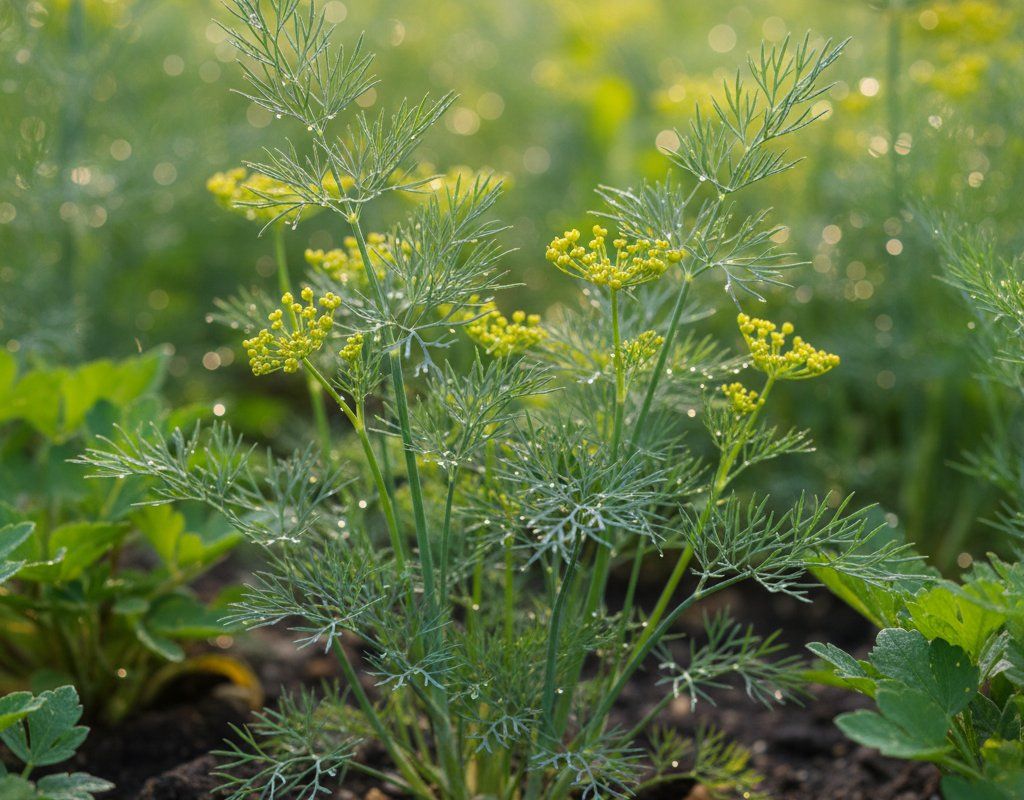



Companion Planting Details
Dill is a great companion plant for fennel because it attracts beneficial insects like ladybugs and lacewings, which prey on aphids. These beneficial insects help keep fennel pest-free.
Avoid planting fennel near tomatoes, beans, green peppers, or carrots. Fennel inhibits the growth of these vegetables. This allelopathic effect can really impact your yields. Keep them separated to ensure healthy growth for all your plants.
🌸Best Flowers to Plant with Fennel
These flowers protect your Fennel from pests and attract pollinators for better harvests.


Get a Reminder When It's Time to Plant
We'll email you when key planting windows open for your zone.