
Fennel in Zone 8B — Northern California
Foeniculum vulgare · Your Complete 2026 Planting Guide
Still Time to Sow!
The sowing window is still open for Fennel.
Sow Seeds Soon
Fennel has a taproot and bolts easily when transplanted. Direct sow only.
How to Plant Fennel in Zone 8B — Northern California
Here are all your options for getting fennel in the ground, from the easiest method to more advanced approaches.
Direct Sow Seeds
RecommendedEarly March through early September
around March 1
Consider succession planting every 2-3 weeks for continuous harvest.
Fennel has a taproot and bolts easily when transplanted. Direct sow only.
Buy Starts
Works WellEarly to late March
around March 1
Plant purchased starts after last frost (March 1).
Start Seeds Indoors
ChallengingThis plant is typically not started indoors.
Transplant Outdoors
Timing InfoEarly to late March
around March 1
Can tolerate light frost, but wait for soil to be workable.
You have a nice window — no need to rush.
Overview
Fennel is a fantastic addition to any Northern California garden. Its anise-like flavor brightens salads and soups, plus you can use the fronds as a flavorful herb. Given our long growing season and mild winters, you can enjoy fresh fennel from your garden for a good portion of the year.
Even with our Mediterranean climate, we face challenges like summer heat and water restrictions. But with careful timing and water-wise gardening practices, you can easily grow fennel successfully. Our 269-day growing season gives you plenty of opportunity to get it right.
Transplanting Outdoors
You can transplant fennel seedlings outdoors in early to late March here in Northern California. Before planting, harden off your seedlings by gradually exposing them to outdoor conditions for about a week. This helps them adjust to the sun and temperature swings.
Space the seedlings 12-18 inches apart to give them plenty of room to develop their bulbs. Keep an eye on the weather forecast, as late frosts can still occur during this time. Protect young plants with row covers if a frost is predicted.
Direct Sowing
Direct sowing is the preferred method for growing fennel, as it develops a taproot and doesn't always take well to transplanting. Sow fennel seeds directly into your garden from early March through early September. This gives you flexibility to harvest throughout the long NorCal growing season.
Prepare your soil by loosening it and amending with compost. Fennel prefers well-drained soil with a pH between 6.0 and 7.0. Sow seeds about ¼ inch deep and keep the soil consistently moist until germination, which usually takes 7-14 days. Thin seedlings to 12-18 inches apart once they are a few inches tall.
Watering Fennel in Zone 8B (Northern California)
Fennel needs consistent moisture, especially during bulb development, but it's crucial not to overwater, especially with our typically low humidity. Aim for moderate watering. In our dry-summer climate, consistent watering is essential to prevent bolting and ensure tender bulbs.
During the spring and fall, when temperatures are mild, water deeply once or twice a week, providing about 1 inch of water each time. In the hotter summer months, increase watering to 2-3 times a week, ensuring the soil stays consistently moist. Do the finger test: stick your finger about 2 inches deep into the soil. If it feels dry, it's time to water.
Water at the base of the plant to avoid wetting the foliage, which can lead to fungal issues. Signs of underwatering include wilting leaves and slow growth. Overwatering can cause yellowing leaves and root rot. A good layer of mulch, like straw or wood chips, will help retain moisture and keep the soil cool during the dry summer months.
🧪Fertilizing Fennel
Feeding Schedule
Organic Fertilizer Options
Harvest Time
You can expect your first fennel harvest from early May through early December, depending on when you sowed your seeds. Fennel is usually ready to harvest about 65 days after planting. Look for bulbs that are 3-4 inches in diameter.
To harvest, simply cut the bulb at soil level with a sharp knife. The fronds are also edible and can be harvested anytime throughout the growing season. Just snip off what you need.
As late November approaches and our first frosts threaten, harvest any remaining bulbs that are close to maturity. Even if they are slightly smaller than ideal, they will still be delicious. You can also cover plants with frost cloth to extend the harvest a bit longer.
Common Problems in Zone 8B (Northern California)
Here are some common problems you might encounter growing fennel in Northern California:
Bolting in Heat
- What it looks like: A tall flower stalk emerges from the center of the plant. The bulb becomes tough and bitter, and the leaves lose their flavor.
- What causes it: Extended periods of warm weather, especially when temperatures consistently exceed 80°F, trigger bolting. This is a common issue during our moderate-to-hot dry summers.
- How to fix/prevent it: Time your plantings for cooler spring and fall weather. Choose bolt-resistant varieties. Provide shade during heat waves with shade cloth. Mulch heavily to keep the soil cool. Harvest bulbs as soon as they reach a usable size to beat the heat.
Allelopathy with Most Vegetables
- What it looks like: Stunted growth or poor performance of nearby vegetables.
- What causes it: Fennel releases chemicals into the soil that can inhibit the growth of many common garden vegetables.
- How to fix/prevent it: Plant fennel away from other vegetables. Grow it in its own dedicated area or in containers. Dill is a good companion.
Aphids
- What it looks like: Clusters of tiny green, black, or white insects on stems and undersides of leaves. Sticky honeydew residue. Curled or distorted new growth.
- What causes it: These sap-sucking insects thrive in warm weather and can quickly multiply.
- How to fix/prevent it: Knock aphids off plants with a strong spray of water. Encourage beneficial insects like ladybugs and lacewings. Use insecticidal soap or neem oil for heavy infestations. Avoid over-fertilizing with nitrogen, which attracts aphids.
Northern California Specific Challenges: Our moderate-to-hot summers and dry conditions mean you need to be extra vigilant about preventing bolting and managing water stress. The low humidity can help reduce fungal diseases, but it also means you need to monitor soil moisture carefully. Pay close attention to microclimates in your yard; a spot that gets afternoon shade will be much more suitable for fennel during the hottest months.
Best Companions for Fennel
Plant these nearby for healthier Fennel and better harvests.
View Full Companion Planting Chart →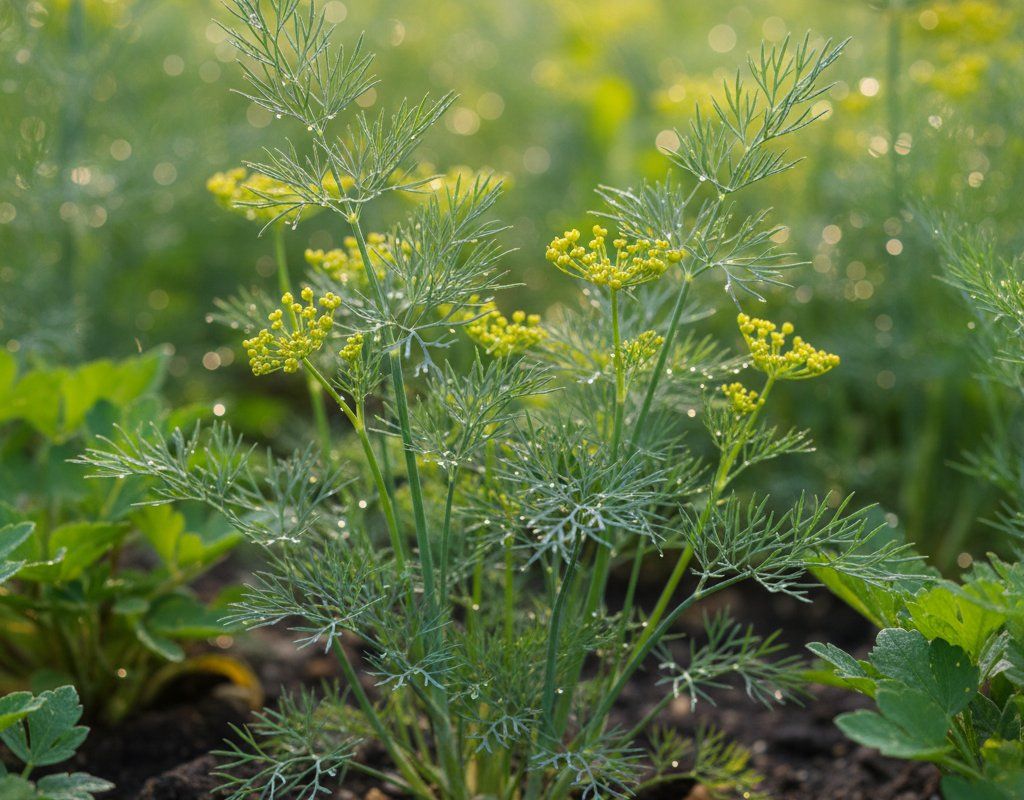



Companion Planting Details
Fennel isn't the best neighbor for most of your veggies, but it does have a few friends! Dill makes a great companion plant for fennel. Dill attracts beneficial insects that can help control pests. Dill also seems to be unaffected by the allelopathic chemicals that fennel releases.
Avoid planting fennel near tomatoes, green beans, peppers, or carrots. Fennel can inhibit their growth. It's best to keep fennel isolated to its own area in your garden to prevent any negative impacts on your other crops.
🌸Best Flowers to Plant with Fennel
These flowers protect your Fennel from pests and attract pollinators for better harvests.


Get a Reminder When It's Time to Plant
We'll email you when key planting windows open for your zone.