
Iceberg Lettuce in Zone 5A — Midwest
Lactuca sativa · Your Complete 2026 Planting Guide
Planning Ahead — Great!
You’re ahead of the season. Here’s when to start.
Mark Your Calendar
How to Plant Iceberg Lettuce in Zone 5A — Midwest
Here are all your options for getting iceberg lettuce in the ground, from the easiest method to more advanced approaches.
Direct Sow Seeds
RecommendedEarly April through mid July
around April 3
Consider succession planting every 2-3 weeks for continuous harvest.
Start Seeds Indoors
RecommendedMid March through early April
around March 20
Then transplant: Mid April through mid May
Start seeds 4-6 weeks before transplanting outdoors.
Buy Starts
Works WellMid April through mid May
around April 17
Plant purchased starts after last frost (May 1).
Transplant Outdoors
Timing InfoMid April through mid May
around April 17
Can tolerate light frost, but wait for soil to be workable.
You have a nice window — no need to rush.
Fall Planting
Mid July through mid August
August 3 ideal · Direct sow for fall harvest
Plant a second crop in mid-summer for fall harvest. Iceberg Lettuce actually prefers the cooling temperatures of fall.
Overview
Iceberg lettuce might seem like a basic choice, but there's real satisfaction in growing your own crisp heads right here in the Midwest. Store-bought lettuce just doesn't compare to the fresh, clean taste of homegrown, especially when you've nurtured it from seed. Plus, it's incredibly versatile for salads, wraps, and more, adding a refreshing crunch to your summer table when the Midwest weather is warm.
We all know the Midwest growing season has its quirks, from variable springs to summer heat spells. But with careful timing, you can definitely enjoy a successful Iceberg harvest within our 157-day growing season. The key is to work with the weather, not against it.
Starting Seeds Indoors
Starting Iceberg indoors gives you a head start, but honestly, it's not always necessary here in the Midwest unless you're really itching for an early crop. If you want to go this route, aim to sow seeds indoors from mid-March through early April, about four weeks before you plan to transplant.
Use seed trays with a good seed-starting mix, keep them consistently moist (bottom watering works great!), and provide warmth and light. A simple shop light works wonders. Just remember, our springs can be unpredictable, so be prepared to protect those seedlings if a late frost threatens after transplanting.
Transplanting Outdoors
Transplanting your Iceberg seedlings outdoors should happen from mid-April through mid-May. Before planting, harden them off for about a week by gradually exposing them to outdoor conditions. This helps them adjust to the Midwest weather, which can still be chilly at this time of year.
Space the seedlings about 12 inches apart in rows. Keep an eye on the forecast – those late frosts can still nip at your plants. If a frost is predicted, cover the seedlings with blankets or cloches to protect them.
Direct Sowing
Direct sowing is a perfectly viable option for Iceberg lettuce in the Midwest, and often a bit easier than starting indoors. You can sow seeds directly into the garden from early April through mid-July. This gives you a long window to get multiple crops in.
Prepare your soil by loosening it and adding some compost for extra nutrients. Sow seeds about ¼ inch deep and keep the soil consistently moist until they germinate. Thin the seedlings to about 12 inches apart once they have a few true leaves. Direct sowing avoids transplant shock, but you'll need to watch out for pests and weeds.
Watering Iceberg Lettuce in Zone 5A (Midwest)
Watering is crucial for Iceberg lettuce, especially in the Midwest, where we can have periods of both heavy rainfall and summer heat spells. Consistent moisture is key – Iceberg is more sensitive than other lettuce types. Aim for about 1 inch of water per week, either from rain or irrigation.
Stick your finger about 2 inches deep into the soil. If it feels dry, it's time to water. During the warmer parts of summer, you might need to water more frequently. Water at the base of the plants to avoid wetting the leaves, which can increase the risk of fungal diseases in our moderate-to-humid climate.
Signs of underwatering include wilting and stunted growth. Overwatering, on the other hand, can lead to yellowing leaves and root rot. A layer of mulch around your lettuce plants helps retain moisture and keeps the soil cool, which is especially beneficial during those summer heat spells we often get.
🧪Fertilizing Iceberg Lettuce
Feeding Schedule
Organic Fertilizer Options
Harvest Time
You can expect your first Iceberg harvest from mid-June through mid-October in the Midwest, depending on when you planted. Iceberg is ready to harvest when the head feels firm and compact, similar to what you'd find at the grocery store. It takes about 70 days from planting.
To harvest, simply cut the head at the base with a sharp knife. Unlike leaf lettuce, Iceberg is not a cut-and-come-again crop, so you'll only get one harvest per plant.
As the first frost approaches in early October, harvest any remaining heads, even if they're not quite fully mature. They won't survive a hard freeze. Bring them inside and store them in the refrigerator for as long as possible.
Common Problems in Zone 5A (Midwest)
Here are some common problems you might encounter growing Iceberg lettuce in the Midwest:
Tip Burn
- What it looks like: Brown, dried edges on the inner lettuce leaves, sometimes spreading to the outer leaves in severe cases.
- What causes it: A calcium uptake problem due to inconsistent watering, exacerbated by high temperatures. It's similar to blossom end rot in tomatoes.
- How to fix/prevent it: Water consistently to maintain even soil moisture. Avoid fertilizers high in ammonium nitrogen. Ensure your soil has adequate calcium levels. Choose tip burn-resistant varieties and provide shade during warm spells.
Bolting in Heat
- What it looks like: The lettuce plant sends up a flower stalk. The leaves become tough and bitter, and the overall harvest quality declines.
- What causes it: Extended periods of warm temperatures, especially when days consistently exceed 80°F. Iceberg is a cool-season crop, so heat stress triggers bolting.
- How to fix/prevent it: Time your plantings to take advantage of cooler spring and fall weather. Choose bolt-resistant varieties. Provide shade during heat spells, and mulch to keep the soil cool. Harvest the lettuce before bolting progresses too far.
Aphids
- What it looks like: Clusters of tiny green, black, or white insects on the stems and undersides of leaves. You might also notice a sticky honeydew residue and curled or distorted new growth.
- What causes it: Aphids are sap-sucking insects that reproduce rapidly, especially in warm weather. Ant colonies often "farm" them for their honeydew.
- How to fix/prevent it: Knock aphids off with a strong spray of water. Encourage natural predators like ladybugs and lacewings. Use insecticidal soap for heavy infestations, or neem oil for a systemic solution. Avoid excessive nitrogen fertilizer, which attracts aphids.
Slugs
- What it looks like: Irregular holes in the leaves, particularly on low-growing plants. Silvery slime trails on the leaves and soil are a telltale sign. Damage is worse at night and in wet weather.
- What causes it: Slugs are gastropods that feed at night in moist conditions. They hide under mulch, boards, and debris during the day.
- How to fix/prevent it: Use beer traps (shallow dishes of beer sunk into the soil). Apply iron phosphate bait (which is pet-safe). Remove hiding spots like boards and debris. Water in the morning so the soil surface dries out by evening. Apply copper tape around beds or diatomaceous earth around plants.
Midwest Specific Challenges: Our moderate-to-hot summers, combined with moderate-to-humid humidity and wet-summer rainfall, can create ideal conditions for tip burn, bolting, and fungal diseases. Consistent watering and good air circulation are essential for success. Be prepared to provide shade during heat spells and monitor your plants closely for pests and diseases.
Best Companions for Iceberg Lettuce
Plant these nearby for healthier Iceberg Lettuce and better harvests.
View Full Companion Planting Chart →



Companion Planting Details
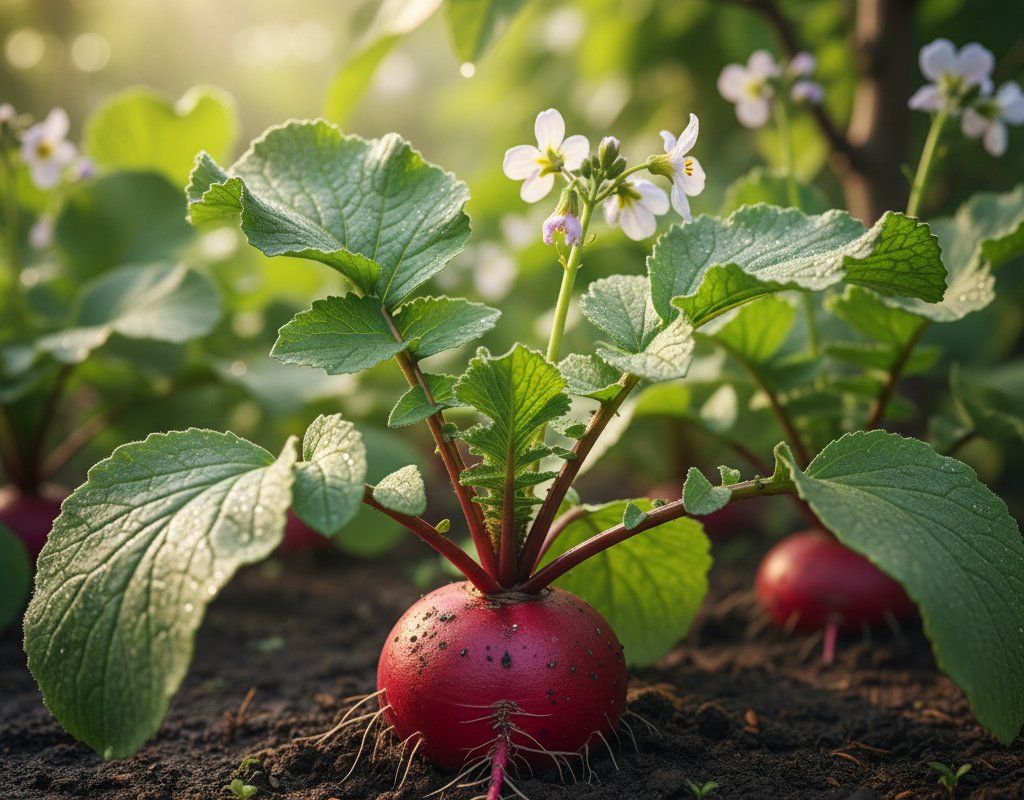
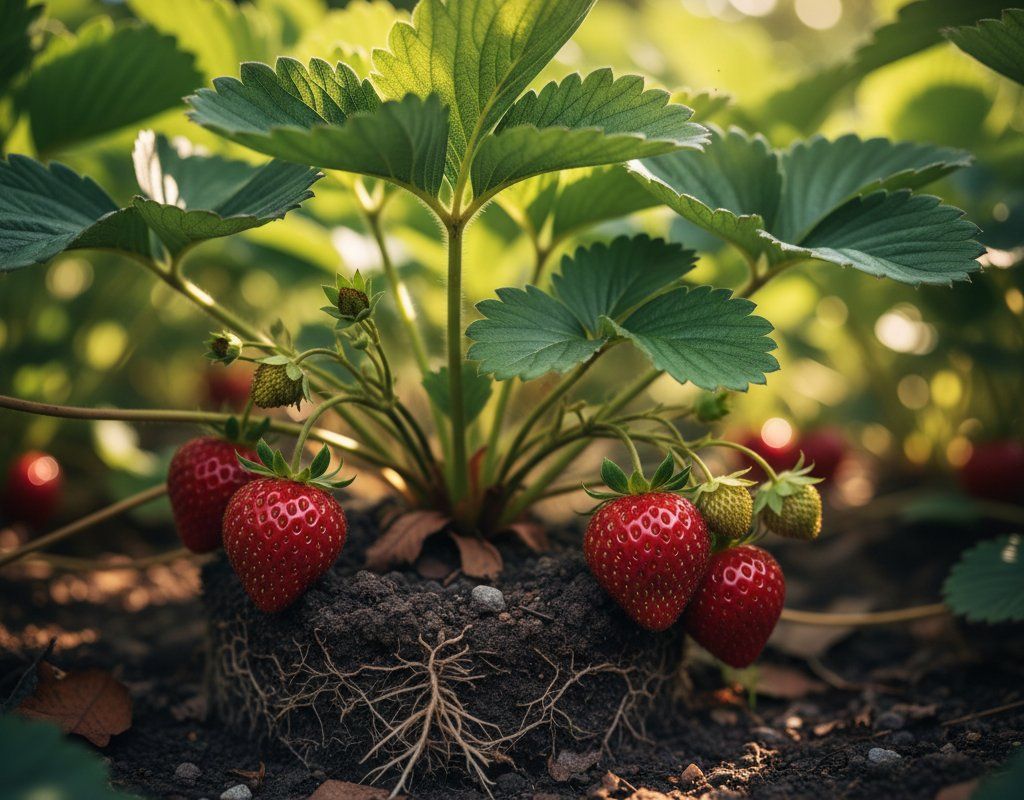
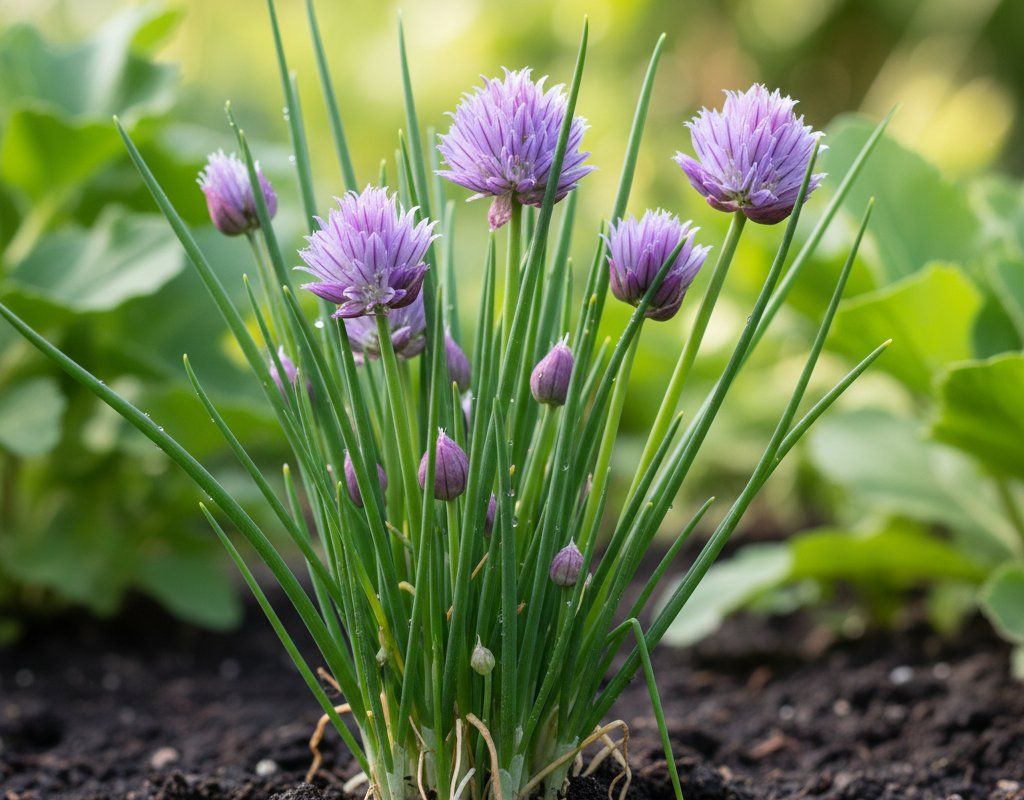
Companion planting can give your Iceberg lettuce a boost here in the Midwest. Carrots are great companions because their scent deters lettuce root aphids. Radishes are quick growers that help break up the soil and can be harvested before the lettuce fully matures, giving it more space. Strawberries make a good ground cover that helps retain moisture. Chives and garlic are excellent deterrents to many common pests, including aphids and slugs.
Avoid planting Iceberg lettuce near celery or parsley. Celery attracts the same pests as lettuce, increasing the risk of infestation. Parsley can stunt the growth of lettuce. By choosing the right companions, you can create a healthier and more productive garden.
🌸Best Flowers to Plant with Iceberg Lettuce
These flowers protect your Iceberg Lettuce from pests and attract pollinators for better harvests.
For Pest Control

Get a Reminder When It's Time to Plant
We'll email you when key planting windows open for your zone.