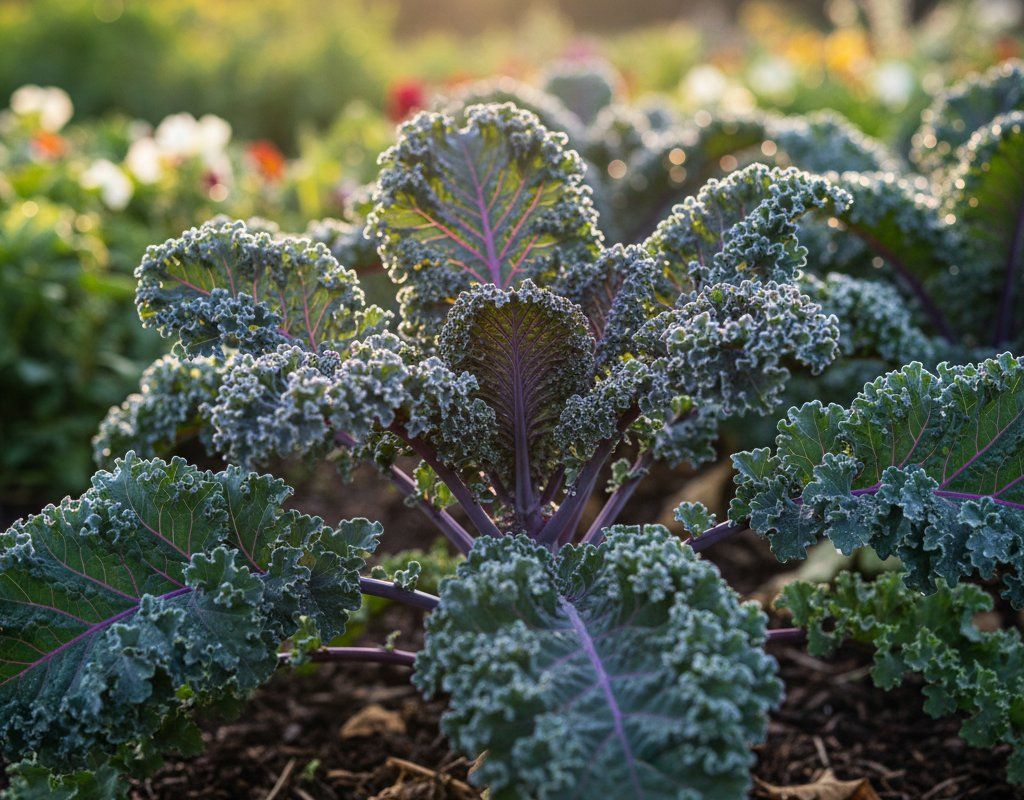
Kale in Zone 7B — Pacific Northwest
Brassica oleracea var. sabellica · Your Complete 2026 Planting Guide
Last Call for Seed Starting!
Indoor seed starting window closes in 14 days.
Start Seeds This Week
Start seeds now for transplanting later.
Or Wait for Starts
If you don’t want to start seeds, starts will be available around April 1.
How to Plant Kale in Zone 7B — Pacific Northwest
Here are all your options for getting kale in the ground, from the easiest method to more advanced approaches.
Direct Sow Seeds
RecommendedMid March through mid August
around March 18
Consider succession planting every 2-3 weeks for continuous harvest.
Hardy and easy to direct sow in spring or late summer for fall harvest.
Start Seeds Indoors
RecommendedLate February through mid March
around March 4
Then transplant: Early to late April
Start seeds 4-6 weeks before transplanting outdoors.
Buy Starts
Works WellEarly to late April
around April 1
Plant purchased starts after last frost (April 15).
Transplant Outdoors
Timing InfoEarly to late April
around April 1
Can tolerate light frost, but wait for soil to be workable.
You have a nice window — no need to rush.
Fall Planting
Early August through early September
August 23 ideal · Direct sow for fall harvest
Plant a second crop in mid-summer for fall harvest. Kale actually prefers the cooling temperatures of fall.
Overview
Kale thrives in the Pacific Northwest's mild summers and cool nights, making our Zone 7B climate nearly perfect for this nutritious green. Here in the PNW, you'll get tender, sweet leaves that never turn bitter from heat stress, and the cool evenings actually improve the flavor by encouraging sugar production. With our long growing season of 193 days, you can harvest fresh kale from late spring through early winter, often picking leaves right through light frosts.
While our wet springs can create some challenges with soil preparation and our overcast conditions might slow early growth, the timing is entirely manageable. Kale's hardiness means it handles our spring temperature swings beautifully, and once established, it practically grows itself through our mild summer months with minimal water needs.
Starting Seeds Indoors
Starting kale indoors isn't necessary in the Pacific Northwest, but it gives you a head start during our slow-warming spring. If you want early harvests, start seeds indoors from late February through mid-March, about 4 weeks before you plan to transplant outside.
Use seed starting trays filled with quality potting mix, keeping seeds warm (65-75°F) until germination. Once seedlings emerge, they need bright light—either a sunny south window or grow lights. Bottom watering works best to prevent damping-off disease, which can be an issue during our humid spring months.
The main advantage of indoor starting here is getting around our cool, wet spring soil conditions. You'll have sturdy transplants ready to go out in early to late April when conditions improve.
Transplanting Outdoors
Transplant your kale seedlings outdoors from early to late April, after hardening them off for about a week. Our spring weather can be unpredictable, so gradually expose seedlings to outdoor conditions over 7-10 days, bringing them in if temperatures drop below 40°F at night.
Space transplants 12-18 inches apart in well-draining soil amended with compost. Choose a spot with full sun to partial shade—kale actually appreciates some afternoon shade during our warmer summer days. The cooler spacing (18 inches) works better if you're growing through summer, as it improves air circulation.
Plant transplants slightly deeper than they were in their containers, up to the first set of true leaves. This encourages strong root development, which helps them establish quickly in our still-cool spring soil.
Direct Sowing
Direct sowing kale works beautifully in the Pacific Northwest from mid-March through mid-August. For spring planting, wait until soil temperature reaches at least 45°F—usually by mid-March in our area. Fall plantings from early August through early September often produce the sweetest leaves.
Prepare your planting area by working compost into the top 6 inches of soil. Sow seeds ½ inch deep and 2-3 inches apart, then thin seedlings to 12-18 inches once they're 3-4 inches tall. The wider spacing gives you larger, more tender leaves and better air circulation during our humid spring months.
Spring direct-sown kale sometimes germinates slowly due to our cool soil, but it develops stronger root systems than transplants. Fall plantings establish quickly in our still-warm soil and produce sweet, tender leaves well into winter.
Watering Kale in Zone 7B (Pacific Northwest)
Kale needs consistent moisture for tender leaves, but overwatering in our clay-heavy soils causes more problems than drought. During our dry summer months (July through September), provide about 1 inch of water weekly, checking soil moisture by inserting your finger 2 inches deep.
In spring and fall, natural rainfall often provides enough moisture, but supplement during dry spells. Water at the base of plants rather than overhead to prevent leaf diseases, which can be an issue during our humid spring weather. Morning watering allows leaves to dry before cool evening temperatures set in.
Watch for signs of stress: wilting during the heat of the day (even at 82°F) indicates underwatering, while yellowing lower leaves often signals too much moisture. Drought-stressed kale develops tough, bitter leaves, so maintaining steady moisture is key to good eating quality.
Mulch around plants with 2-3 inches of straw or shredded leaves to retain moisture and suppress weeds. This is especially helpful during our dry summer stretch when you want to minimize watering frequency.
🧪Fertilizing Kale
Feeding Schedule
Organic Fertilizer Options
Harvest Time
Your first kale harvest typically begins in mid-May if you started from transplants, or early June for direct-sown crops. Look for outer leaves that are 8-10 inches long and deep green—they should feel substantial but not tough or fibrous.
Harvest by cutting or pinching outer leaves at the base, always leaving the central growing point intact. This "cut and come again" method keeps plants productive for months. Take 3-4 outer leaves per plant each week, working your way around the plant to encourage even growth.
The real magic happens after our first light frost in late October—cold temperatures convert starches to sugars, making leaves noticeably sweeter. Continue harvesting through fall and early winter, as kale handles temperatures down to the low 20s without protection.
By late November, growth slows significantly, but you can often harvest into early December if you cover plants during hard freezes. The long mild fall we enjoy in the Pacific Northwest extends your kale season well beyond what gardeners in harsher climates experience.
Common Problems in Zone 7B (Pacific Northwest)
Aphids Look for clusters of tiny, soft-bodied insects (green, black, or white) on leaf undersides and stems. You'll notice sticky honeydew residue and curled, distorted new growth. These sap-sucking pests multiply rapidly during warm spells and are often tended by ants that harvest their honeydew. Blast them off with a strong water spray from your hose, encourage beneficial insects like ladybugs and lacewings, and use insecticidal soap for heavy infestations. Avoid over-fertilizing with nitrogen, which creates tender growth that attracts aphids.
Cabbage Worms Watch for smooth, green caterpillars on leaves and irregular holes chewed through foliage. You'll also see dark green droppings and white butterflies hovering around plants—these are adult cabbage moths laying eggs. These pests produce multiple generations per season, with peak activity during our mild summer months. Bt (Bacillus thuringiensis) spray provides excellent organic control. Floating row covers prevent egg-laying, or you can handpick caterpillars in the morning when they're sluggish.
Flea Beetles Small round holes creating a "shot-hole" pattern indicate flea beetle damage. These tiny, dark beetles jump when disturbed and cause the most damage to young seedlings and transplants. They're particularly problematic during warm, dry periods in late spring. Protect vulnerable young plants with floating row covers until they're established. Larger, vigorous plants typically outgrow flea beetle damage. Kaolin clay coating and neem oil sprays also help deter feeding.
Pacific Northwest Specific Challenges: Our mild, humid springs can promote fungal issues if plants stay wet too long, while slugs thrive in our moist conditions and will demolish young kale plants overnight. The extended cool, wet weather in spring also means slower establishment and potential root problems in heavy soils.
Best Companions for Kale
Plant these nearby for healthier Kale and better harvests.

Keep Away From
Companion Planting Details
Plant kale alongside beets and celery, which have similar water and nutrient needs and won't compete aggressively for space. Onions make excellent companions by deterring aphids and cabbage worms with their strong scent, while their upright growth doesn't shade the kale. Potatoes work well nearby since their dense foliage helps suppress weeds and they're harvested before kale reaches full size in fall.
Avoid planting kale near tomatoes, peppers, or strawberries. These plants have different water requirements and can harbor pests that also attack brassicas. In our Pacific Northwest climate, mixing plants with drastically different moisture needs often leads to overwatering some crops while underwatering others, especially during our transition from wet spring to dry summer conditions.
🌸Best Flowers to Plant with Kale
These flowers protect your Kale from pests and attract pollinators for better harvests.




Get a Reminder When It's Time to Plant
We'll email you when key planting windows open for your zone.