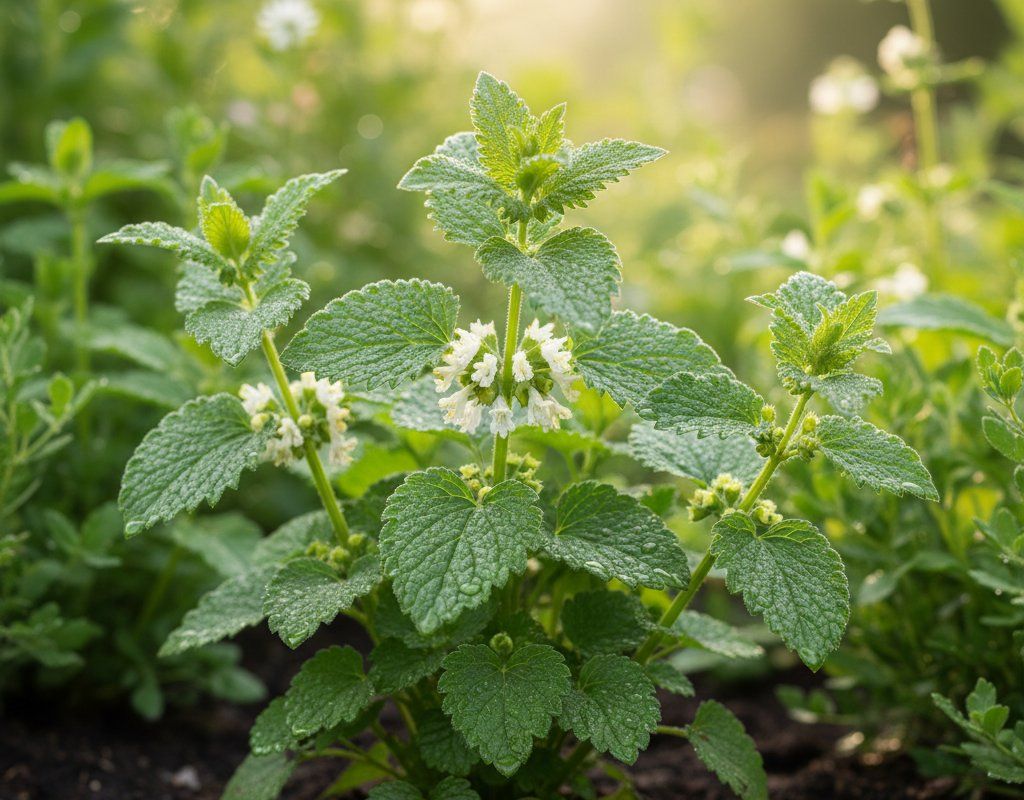
Lemon Balm in Zone 8B — Florida
Melissa officinalis · Your Complete 2026 Planting Guide
Time to Buy Starts!
Seed starting window passed, but starts are available now.
Buy Starts Now
Head to your local nursery, Home Depot, or farmers market for transplants.
- Look for stocky plants with dark green leaves
- Avoid leggy seedlings or plants already flowering
- Check that roots aren't circling the pot (rootbound)
How to Plant Lemon Balm in Zone 8B — Florida
Here are all your options for getting lemon balm in the ground, from the easiest method to more advanced approaches.
Direct Sow Seeds
RecommendedMid February through late September
around February 15
Consider succession planting every 2-3 weeks for continuous harvest.
Start Seeds Indoors
RecommendedLate December through mid January
around January 4
Then transplant: Mid February through mid March
Start seeds 6-8 weeks before transplanting outdoors.
Buy Starts
Works WellMid February through mid March
around February 15
Plant purchased starts after last frost (February 15).
Transplant Outdoors
Timing InfoMid February through mid March
around February 15
Can tolerate light frost, but wait for soil to be workable.
You have a nice window — no need to rush.
Overview
Lemon Balm is a fantastic addition to any Florida garden. Its lemony fragrance and flavor brighten teas, salads, and even desserts. Plus, it's incredibly satisfying to harvest fresh herbs right from your backyard, especially when the grocery store prices climb during our hurricane season.
While our Florida summers can be brutally hot and humid, and nematodes are always a concern, Lemon Balm is surprisingly resilient if you time your planting right. With our long, 303-day growing season in Zone 8B, you can enjoy a bountiful harvest for many months.
Starting Seeds Indoors
Starting Lemon Balm indoors is definitely an option here in Florida, but it's usually not essential. If you want a head start, especially for an earlier spring harvest, starting seeds indoors in late December through mid January is ideal. This gives you about 6 weeks to get seedlings ready for transplanting.
Use seed trays with a good seed-starting mix and keep them in a warm spot with plenty of light – a sunny windowsill or under grow lights works well. Remember to water from the bottom to prevent damping-off, which can be a real problem with our high humidity. Keep in mind that our spring is reversed, so starting early gives you a jump on the warm weather ahead.
Transplanting Outdoors
Transplanting Lemon Balm outdoors can be done in mid February through mid March. This is after our typical last frost, but keep an eye on the forecast for any unexpected cold snaps. Before transplanting, harden off your seedlings by gradually exposing them to outdoor conditions for about a week.
Choose a spot with well-drained soil and space the plants 18-24 inches apart to give them room to grow. Our weather can be unpredictable during this time, so be prepared to protect young plants from excessive wind or heavy rain.
Direct Sowing
Direct sowing Lemon Balm is a straightforward method that works well in our climate. You can direct sow from mid February through late September. The key is to ensure the soil temperature is consistently warm enough for germination.
Prepare the soil by loosening it and removing any weeds. Sow seeds shallowly and keep the soil moist until they sprout. Thin the seedlings to 18-24 inches apart once they are a few inches tall. Direct sowing is especially convenient because you can stagger plantings throughout the growing season for a continuous supply of fresh leaves.
Watering Lemon Balm in Zone 8B (Florida)
Watering Lemon Balm properly is crucial in Florida's unique climate. While it needs moderate moisture, our high humidity and heavy summer rains mean you have to be careful not to overwater. During the drier months of late fall through early spring, aim to water deeply once or twice a week, providing about 1 inch of water each time.
Use the "finger test" – stick your finger about 2 inches deep into the soil. If it feels dry, it's time to water. In the wet summer months, you might not need to water at all, unless we're experiencing an unusual dry spell. Overwatering can lead to root rot, a common problem in our humid environment.
Always water at the base of the plant to avoid wetting the leaves, which can encourage fungal diseases. Overhead watering is fine if it's infrequent, but avoid it, especially in the evenings. Mulching around the base of the plant with pine straw or wood chips helps retain moisture and suppress weeds, but keep the mulch a few inches away from the stem to prevent rot.
Signs of underwatering include wilting leaves and slow growth. Overwatering symptoms include yellowing leaves and a soggy soil. Adjust your watering schedule accordingly to keep your Lemon Balm healthy and thriving.
Pruning & Maintaining Lemon Balm
Pruning Lemon Balm is essential for maintaining its shape and preventing it from becoming leggy. In midsummer, when the plant is at its peak, cut it back by about half to encourage new growth. This also helps to keep it from getting too woody.
Regularly remove any flower stalks as they appear, because Lemon Balm is an aggressive self-seeder. Removing flowers also encourages the plant to focus its energy on producing more leaves, which is what you want for culinary use. Before our first frost around mid- December, give the plant a final trim to tidy it up for the winter months. Leave some foliage to help protect the crown during any potential cold snaps.
🧪Fertilizing Lemon Balm
Feeding Schedule
Organic Fertilizer Options
Harvest Time
You can start harvesting Lemon Balm leaves as soon as the plant is established, typically around late April through late December. The best flavor is just before the plant flowers, so harvest frequently to encourage leaf production. Lemon Balm is ready to harvest about 70 days from planting.
To harvest, simply snip off the stems with scissors or pinch off individual leaves. Avoid taking more than one-third of the plant at a time to allow it to recover quickly. Lemon Balm is best used fresh, as it loses much of its flavor when dried.
For continuous production, harvest regularly throughout the growing season. As the first frost approaches in mid- December, you can harvest the remaining leaves and use them fresh or freeze them for later use.
Common Problems in Zone 8B (Florida)
Here are some common problems you might encounter with Lemon Balm in Florida:
Aggressive Spreading
- What it looks like: Lemon Balm popping up in unwanted areas of your garden, spreading beyond its intended space.
- What causes it: Lemon Balm self-seeds readily, and its seeds can spread quickly, especially with our frequent summer rains.
- How to fix/prevent it: Remove flower stalks before they go to seed. Consider growing Lemon Balm in a container to limit its spread. Regularly pull up any unwanted seedlings that appear in your garden.
Bolting
- What it looks like: The plant sends up a flower stalk prematurely. The leaves become bitter or tough.
- What causes it: Bolting can be triggered by heat stress, which is common during our long, hot summers.
- How to fix/prevent it: Provide some afternoon shade to protect the plant from the hottest sun. Ensure consistent moisture, especially during dry spells. Regularly harvest leaves to encourage continued leaf production and prevent bolting.
Powdery Mildew
- What it looks like: A white or grayish powdery coating on the leaves and stems. Leaves may curl, yellow, and die.
- What causes it: Powdery mildew thrives in warm days, cool nights, and moderate humidity, all conditions we often experience in Florida. Poor air circulation also contributes.
- How to fix/prevent it: Improve air circulation by spacing plants adequately and pruning crowded growth. Remove affected leaves promptly. Apply neem oil or potassium bicarbonate sprays.
Florida Specific Challenges: Our hot, humid summers and sandy soil can create unique challenges for growing Lemon Balm. The high humidity increases the risk of fungal diseases, while the sandy soil requires consistent watering and fertilization. Nematodes can also be a problem, so consider amending your soil with organic matter and using nematode-resistant varieties if available.
Best Companions for Lemon Balm
Plant these nearby for healthier Lemon Balm and better harvests.
View Full Companion Planting Chart →


Companion Planting Details
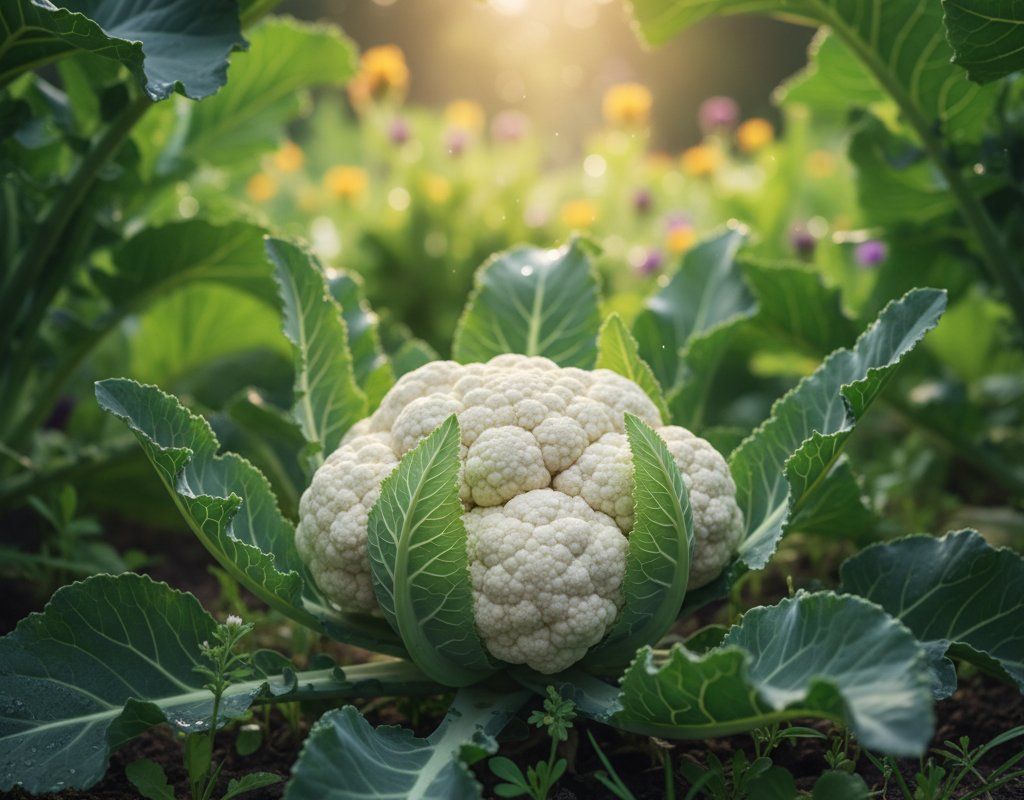
Lemon Balm makes a great companion plant for several vegetables in your Florida garden. Planting it near tomatoes can help repel tomato hornworms. It also benefits squash by deterring squash bugs and vine borers. Broccoli and cauliflower also thrive near Lemon Balm because it can help repel cabbage moths.
Avoid planting Lemon Balm near rue, as it can inhibit its growth. Also, be mindful of planting it near other mint family members, as they can become overly competitive and crowd each other out in our sometimes limited garden space.
🌸Best Flowers to Plant with Lemon Balm
These flowers protect your Lemon Balm from pests and attract pollinators for better harvests.
For Pest Control

For Pollinators


Get a Reminder When It's Time to Plant
We'll email you when key planting windows open for your zone.