
Onion in Zone 3A — Mountain West
Allium cepa · Your Complete 2026 Planting Guide
Ideal Time: Start Seeds Indoors!
This is the perfect time for the biggest, best harvest.
Start Seeds Now
- Start seeds in trays or pots with seed-starting mix
- Keep soil moist and warm (70-80°F)
- Transplant outdoors Mid to late May
Not Starting from Seed?
Buy starts around May 18 — that works great too!
How to Plant Onion in Zone 3A — Mountain West
Here are all your options for getting onion in the ground, from the easiest method to more advanced approaches.
Direct Sow Seeds
RecommendedEarly to mid May
around May 4
Direct sow as soon as conditions allow.
Can direct sow seeds or plant sets (small bulbs) in early spring.
Start Seeds Indoors
RecommendedEarly to late March
around March 9
Then transplant: Mid to late May
Start seeds 10-12 weeks before transplanting outdoors.
Start seeds indoors 10-12 weeks early for largest bulbs.
Buy Starts
Works WellMid to late May
around May 18
Plant purchased starts after last frost (June 1).
Onion sets (small bulbs) are the easiest method for beginners.
Transplant Outdoors
Timing InfoMid to late May
around May 18
Can tolerate light frost, but wait for soil to be workable.
Timing is critical in your zone — don’t delay!
Overview
Onions are one of the most rewarding crops for high altitude gardening in Zone 3A. The intense sun and cool nights of the Mountain West create ideal conditions for developing those sharp, complex flavors that store-bought onions simply can't match. Your 96-day growing season is perfectly suited to most onion varieties, and the dry conditions help prevent many of the fungal issues that plague gardeners in more humid regions.
While our short season and alkaline soil present challenges, proper timing makes onion growing surprisingly manageable here. The key is working with our late spring start and intense summer sun to produce bulbs that will store through our long mountain winters.
Starting Seeds Indoors
Starting onion seeds indoors makes sense if you want the largest possible bulbs or specific varieties not available as sets. Start seeds in early to late March, about 10 weeks before your last frost. This timing works well since our springs arrive late anyway, giving you plenty of indoor growing time.
Set up seed trays in a warm spot (65-70°F) with good light once seedlings emerge. Bottom watering works especially well for onions since they're prone to damping off in our low humidity conditions. The seedlings look like tiny grass blades and grow slowly at first.
Keep in mind that starting from seed requires more patience than sets, and transplant shock can be an issue at our altitude. For beginners, onion sets (small bulbs) are often the easier path to success in our Mountain climate.
Transplanting Outdoors
Transplant your onion seedlings outdoors from mid to late May, after the soil has warmed and the risk of hard frost has passed. Our spring nights can still dip into the 20s well into May, so don't rush this timing even if you're eager to get growing.
Harden off seedlings gradually over a week, starting with just a few hours of morning sun. The intense UV at altitude can shock tender seedlings, so build up their exposure slowly. Space transplants 4-6 inches apart in rows, planting them at the same depth they were growing in their containers.
Watch for late spring temperature swings that can stress young transplants. Having row cover handy helps protect them during unexpected cold snaps that are common in our mountain springs.
Direct Sowing
Direct sowing onion seeds works well in the Mountain West from early to mid May, once soil temperatures reach about 50°F. This method eliminates transplant shock and works particularly well with our intense sun and dry conditions. You can also plant onion sets at this same timing.
Prepare your planting area by working compost into our typically alkaline soil. Sow seeds about half an inch deep and 4-6 inches apart, or plant sets with just the tips showing above soil level. The consistent moisture from snowmelt often provides ideal germination conditions.
Direct seeding takes longer to produce mature bulbs than transplants, but it's often more reliable at altitude since the plants develop stronger root systems from the start. Keep the seedbed consistently moist until germination, which can take 2-3 weeks in our cool spring soil.
Watering Onion in Zone 3A (Mountain West)
Onions need consistent moisture throughout the growing season, especially during bulb formation in mid to late summer. Our dry mountain air (10-20 inches annual rainfall) means you'll need to water regularly rather than relying on natural precipitation. Aim for about 1 inch of water per week, including any rainfall.
Use the finger test to check soil moisture 2 inches deep before watering. In our low humidity conditions, the soil surface can look dry while there's still adequate moisture below. Water at the base of plants rather than overhead to prevent disease and reduce water loss to evaporation.
During bulb formation in late July and August, maintain steady moisture but avoid waterlogging. Our alkaline soil can become compacted when overwatered, limiting root development. Stop watering completely once the tops begin to fall over – this signals the start of the curing process.
A thin layer of straw mulch helps retain moisture in our dry climate while keeping soil temperatures more consistent. Our cool nights help reduce water stress, but the intense daytime sun can quickly dry out unmulched soil.
🧪Fertilizing Onion
Feeding Schedule
Organic Fertilizer Options
Harvest Time
Your onions will be ready for harvest from mid August through mid September, about 100 days from planting. The telltale sign is when the green tops begin to fall over and turn yellow – this indicates the bulbs have stopped growing and are ready to cure.
Pull onions on a dry day and brush off excess soil, but don't wash them. Lay them in a warm, well-ventilated area for 2-3 weeks to cure. Our low humidity and warm late summer days create ideal curing conditions. The necks should feel completely dry and papery when properly cured.
For storage onions, harvest before our first frost, which typically arrives in early September. Green onions can be harvested anytime during the growing season by pulling every other plant, giving the remaining bulbs more room to develop.
If an early frost threatens before your onions are ready, pull them anyway and cure indoors. Our mountain weather can change quickly, and even slightly immature onions will store better than frost-damaged ones.
Common Problems in Zone 3A (Mountain West)
Onion Thrips: These tiny, slender insects cause silvery streaks and speckling on onion leaves, eventually leading to yellowing and stunted growth. Heavy infestations can significantly reduce bulb size. Our intense UV and dry conditions can stress plants, making them more susceptible to thrip damage.
Row covers early in the season help exclude thrips, and beneficial insects thrive in our low-pesticide mountain environment. Remove plant debris promptly after harvest since thrips overwinter in garden refuse.
Pink Root: This fungal disease causes roots to turn pink, then purple, and eventually black and rot. Affected plants show yellowing leaves and poor bulb development. Our alkaline soil can sometimes worsen this condition by affecting nutrient uptake.
Improve drainage and avoid overwatering, especially important in our clay-heavy mountain soils. Rotate onion family crops every 3-4 years and choose resistant varieties when possible. Adding compost helps improve soil structure and beneficial microbial activity.
Bolting: Onions send up flower stalks prematurely, making bulbs small and bitter. Temperature swings common in our mountain climate – warm days followed by cold nights – can trigger bolting, especially in long-day varieties planted too early.
Plant at the right time for your specific elevation and choose varieties suited to your day length. Consistent watering during stress periods helps prevent bolting, and removing flower stalks immediately if they appear may save the bulb.
Mountain West Specific Challenges: Our intense UV can stress onion foliage, while alkaline soil may limit nutrient availability. The combination of cool nights and warm days generally favors good bulb development, but late spring frosts and early fall freezes compress our already short growing season. Hail is always a concern for any leafy crop at altitude.
Best Companions for Onion
Plant these nearby for healthier Onion and better harvests.

Keep Away From
Companion Planting Details
Onions make excellent companions for carrots and beets since their strong scent helps deter root maggots and other soil pests common in our mountain gardens. The upright growth of onions doesn't compete for space with these root crops, and they all have similar water needs during our dry summers. Lettuce grows well between onion rows, taking advantage of light shade during the intense midday sun at altitude.
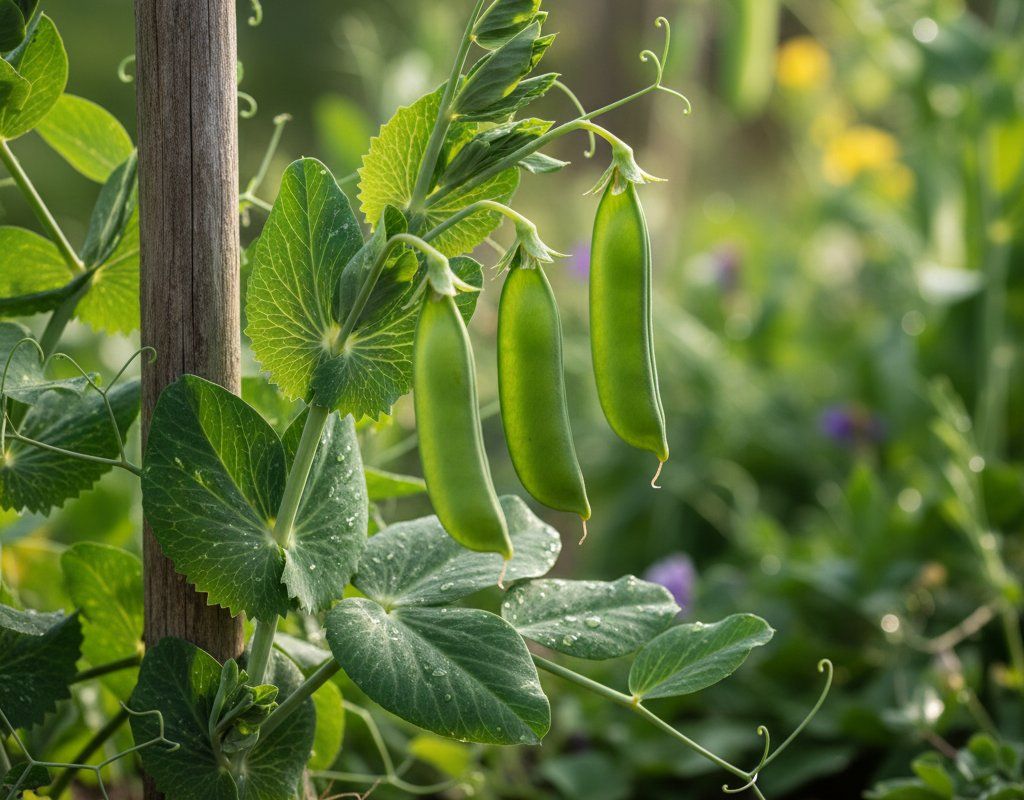
Avoid planting onions near beans and peas, as they can inhibit the nitrogen-fixing bacteria that legumes depend on. In our short growing season, you want your beans and peas to be as productive as possible, so keep onions in separate beds or at least several feet away.
🌸Best Flowers to Plant with Onion
These flowers protect your Onion from pests and attract pollinators for better harvests.
For Pest Control

For Pollinators

Get a Reminder When It's Time to Plant
We'll email you when key planting windows open for your zone.