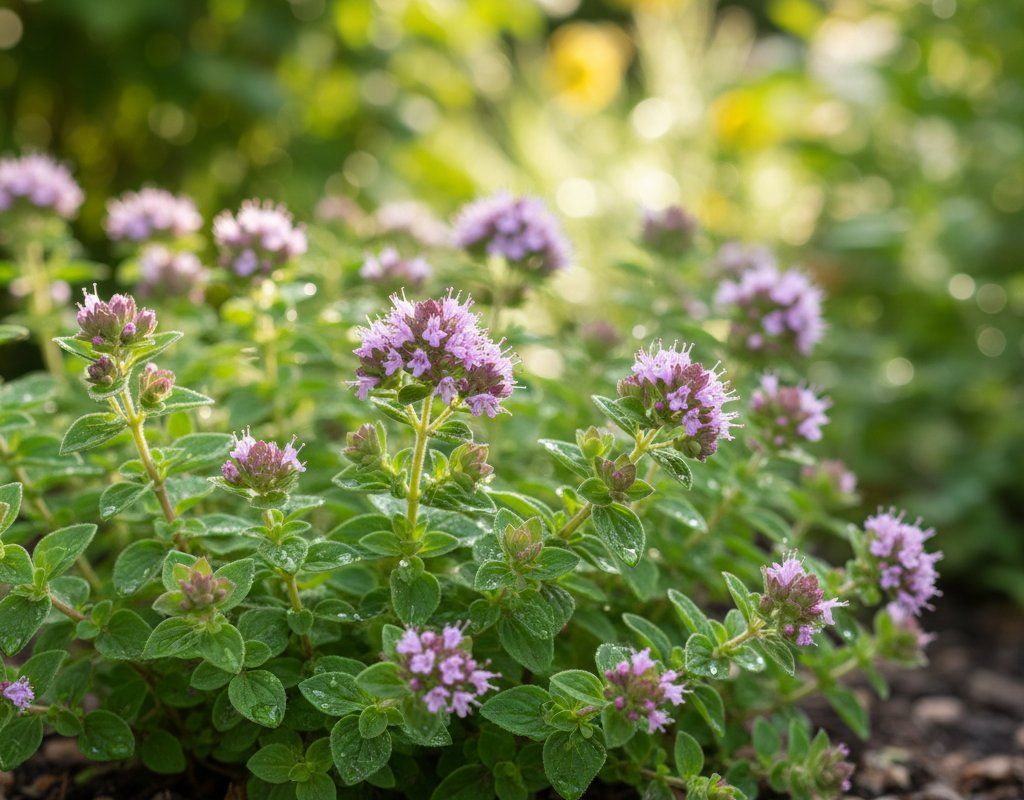
Oregano in Zone 3B — Great Plains
Origanum vulgare · Your Complete 2026 Planting Guide
Planning Ahead — Great!
You’re ahead of the season. Here’s when to start.
Mark Your Calendar
How to Plant Oregano in Zone 3B — Great Plains
Here are all your options for getting oregano in the ground, from the easiest method to more advanced approaches.
Buy Starts
RecommendedMid May through early July
around May 20
Plant purchased starts after last frost (May 20).
Easy from seed but slow. Starts give faster results.
Start Seeds Indoors
Works WellMid March through early April
around March 25
Then transplant: Mid May through early July
Start seeds 8-10 weeks before transplanting outdoors.
Direct Sow Seeds
Works WellMid May through mid July
around May 20
Consider succession planting every 2-3 weeks for continuous harvest.
Transplant Outdoors
Timing InfoMid May through early July
around May 20
Can tolerate light frost, but wait for soil to be workable.
You have a nice window — no need to rush.
Overview
Growing oregano in our Zone 3B Great Plains climate gives you a drought-tolerant herb that thrives in our intense sunshine and handles our temperature swings better than most tender herbs. This hardy perennial spreads naturally, creating a flavorful ground cover that keeps producing through our hot summers with minimal water once established. The concentrated essential oils develop beautifully in our low-to-moderate humidity, giving you more flavor per leaf than store-bought versions.
Our 118-day growing season and variable spring weather might seem challenging for herbs, but oregano actually works with our conditions rather than fighting them. The key is timing your planting to avoid late spring cold snaps while giving the plants enough time to establish before our first frost around mid-September.
Starting Seeds Indoors
Starting oregano from seed indoors makes sense if you want to save money on multiple plants or try specific varieties not available as transplants. Begin seeds mid-March through early April, about eight weeks before your last expected frost. Our variable spring weather makes indoor starting a smart backup plan since you can wait out any late cold spells.
Set up seed trays in a warm spot (65-70°F) with good light once seedlings emerge. Bottom watering works better than overhead watering to prevent damping off. The seeds are tiny and slow to germinate, taking 10-14 days even under ideal conditions.
Keep in mind that oregano is notoriously slow from seed, and you'll get faster results from nursery transplants. If you do start seeds, be patient – these little plants need time to develop a strong root system before facing our Plains wind and weather.
Transplanting Outdoors
Transplant oregano outdoors from mid-May through early July, after soil has warmed and the risk of hard frost has passed. You have flexibility here since oregano handles some cool weather once established, but those tender transplants need protection from sudden temperature swings.
Harden off transplants gradually over a week, starting with just a few hours of morning sun and building up to full exposure. Space plants 12-18 inches apart to allow for their spreading habit and ensure good air circulation around each plant. This spacing also helps them weather our summer heat without competing for water.
Plant on a calm day if possible – our Plains wind can stress newly transplanted herbs. Choose a spot with excellent drainage since oregano absolutely cannot tolerate soggy soil, especially during spring when we might get heavy rains followed by heat.
Direct Sowing
Direct sowing oregano works best from mid-May through mid-July when soil stays consistently warm. The main advantage is avoiding transplant shock, but you'll need patience since direct-sown oregano takes longer to reach harvestable size than transplants.
Prepare a fine seedbed and barely cover the tiny seeds – they need light to germinate. Keep the soil surface consistently moist (not wet) until germination, which can take up to three weeks in cooler soil. This consistent moisture requirement during our variable spring weather makes direct sowing trickier than transplanting.
Space your sowings 12-18 inches apart and thin to the strongest seedlings once they're 2 inches tall. Consider succession planting every 3-4 weeks through mid-July to extend your harvest window, especially useful given our relatively short growing season.
Watering Oregano in Zone 3B (Great Plains)
Oregano's drought tolerance makes it perfect for our Plains climate, but proper watering during establishment is crucial. Water transplants regularly for the first month, then gradually reduce frequency as the plants develop deeper roots. Once established (usually by midsummer), oregano typically survives on rainfall alone during normal years.
During our typical hot summers with temperatures reaching 93°F, check soil moisture by sticking your finger 2 inches deep. If it's dry at that depth, provide a deep soaking – about 1 inch of water per week during dry spells. Water at the base rather than overhead to keep leaves dry and reduce disease pressure, though our low-to-moderate humidity makes this less critical than in muggy climates.
Our variable rainfall (15-35 inches annually) means some years you'll barely need to water established plants, while drought years require more attention. Watch for signs of stress: wilting during the hottest part of the day is normal, but if plants don't perk up by evening, they need water. Overwatered oregano develops weak flavor and becomes susceptible to root problems.
A light mulch helps retain moisture during dry spells and moderates soil temperature swings, but keep it away from the plant stems. In our windy conditions, choose a heavier mulch like small bark chips rather than lightweight materials that blow around.
Pruning & Maintaining Oregano
Oregano needs minimal pruning, but strategic cutting keeps plants productive and prevents them from getting woody. Cut back about one-third of the plant growth in midsummer (usually mid to late July) to encourage fresh, tender shoots and prevent flowering, which reduces leaf flavor.
Regular harvesting serves as natural pruning – the more you cut, the bushier the plant becomes. Always cut just above a pair of leaves to encourage branching from that point. Remove any flower buds as soon as you see them to keep energy focused on leaf production.
In late fall, after our first frost hits in mid-September, cut plants back to about 2 inches above ground level. This helps prevent winter damage from our extreme temperature swings and wind. The roots will survive our Zone 3B winters and regrow vigorously the following spring.
🧪Fertilizing Oregano
Feeding Schedule
Organic Fertilizer Options
Harvest Time
Your first oregano harvest typically comes in early July, about 45 days after transplanting or 60-75 days from direct-sown seed. Start harvesting once plants reach 4-6 inches tall – taking small amounts frequently encourages bushier growth better than waiting for large harvests.
The best flavor develops just before flowering when essential oil concentration peaks, usually in mid to late summer. Look for sturdy stems with fully developed leaves that spring back when gently pressed. Cut stems 4-6 inches long just above a pair of leaves, preferably in the morning after dew dries but before afternoon heat.
Oregano provides continuous harvest through our growing season – the more you cut, the more it produces. Take advantage of this by harvesting weekly during peak summer growth. You can cut up to one-third of the plant at once without stressing it, making oregano ideal for preserving large batches.
As our first frost approaches in mid-September, harvest heavily for drying or freezing. The plant will die back anyway, so don't hesitate to take all the good growth. Fresh oregano also stores well in the refrigerator for 1-2 weeks if you harvest long stems and place them in water like flowers.
Common Problems in Zone 3B (Great Plains)
Root Rot Yellowing leaves starting from the bottom, wilting despite moist soil, and eventual plant collapse signal root rot. Black, mushy roots confirm the problem. Our clay-heavy prairie soil and spring moisture create perfect conditions for this fungal disease, especially in low-lying areas where water collects. Prevention beats treatment: plant in raised beds or add coarse sand to improve drainage. Once root rot sets in, remove affected plants and improve soil drainage before replanting.
Aphids Clusters of tiny, soft-bodied insects (green, black, or white) appear on stems and leaf undersides, leaving sticky honeydew residue and causing curled, distorted growth. These sap-suckers multiply rapidly in warm weather, and our hot summers can trigger population explosions. A strong spray from the hose knocks them off effectively – repeat daily for a week. Encourage beneficial insects like ladybugs and lacewings, or use insecticidal soap for heavy infestations. Avoid excess nitrogen fertilizer, which makes plants more attractive to aphids.
Spider Mites Fine white stippling on leaves, bronze or yellow discoloration, and tiny webs between stems indicate spider mites. These microscopic pests thrive in our hot, dry conditions and become problematic during drought stress. Daily water sprays work better than pesticides – the mites hate humidity and high water pressure destroys their webs. Increase humidity around plants by grouping them together or mulching. Neem oil provides longer-term control, but avoid broad-spectrum pesticides that kill beneficial predator mites.
Great Plains Specific Challenges Our combination of intense heat, variable rainfall, and strong winds creates unique stress conditions for oregano. While the plant handles drought well, sudden temperature swings can weaken plants and make them susceptible to pest problems. Wind protection becomes essential for young plants, and our low-to-moderate humidity means spider mites can explode quickly during hot, dry spells.
Best Companions for Oregano
Plant these nearby for healthier Oregano and better harvests.

Keep Away From
Companion Planting Details
Oregano makes an excellent companion for heat-loving vegetables that share its preference for well-drained soil and full sun. Plant it near peppers and tomatoes – oregano's strong scent helps repel aphids, whiteflies, and other common pests of these crops while its low water needs won't compete for irrigation. The spreading habit creates living mulch that helps retain soil moisture around larger plants during our hot summers.
Squash and beans also benefit from oregano's pest-deterrent properties, and all these plants handle our Plains wind better when grown together rather than isolated. Avoid planting oregano near moisture-loving herbs like basil or cilantro – their different water requirements make irrigation management difficult, and oregano's spreading nature can overwhelm less vigorous companions in our intense growing conditions.
🌸Best Flowers to Plant with Oregano
These flowers protect your Oregano from pests and attract pollinators for better harvests.
For Pest Control


Get a Reminder When It's Time to Plant
We'll email you when key planting windows open for your zone.