
Parsley in Zone 3B — Great Plains
Petroselinum crispum · Your Complete 2026 Planting Guide
Ideal Time: Start Seeds Indoors!
This is the perfect time for the biggest, best harvest.
Start Seeds Now
- Start seeds in trays or pots with seed-starting mix
- Keep soil moist and warm (70-80°F)
- Transplant outdoors Early May through early June
Not Starting from Seed?
Buy starts around May 6 — that works great too!
How to Plant Parsley in Zone 3B — Great Plains
Here are all your options for getting parsley in the ground, from the easiest method to more advanced approaches.
Direct Sow Seeds
RecommendedEarly May through late June
around May 6
Consider succession planting every 2-3 weeks for continuous harvest.
Parsley is slow to germinate (2-4 weeks). Soaking seeds helps.
Start Seeds Indoors
RecommendedEarly to late March
around March 11
Then transplant: Early May through early June
Start seeds 8-10 weeks before transplanting outdoors.
Start indoors 8-10 weeks early due to slow germination.
Buy Starts
Works WellEarly May through early June
around May 6
Plant purchased starts after last frost (May 20).
Transplant Outdoors
Timing InfoEarly May through early June
around May 6
Can tolerate light frost, but wait for soil to be workable.
You have a nice window — no need to rush.
Fall Planting
Late June through late July
July 14 ideal · Direct sow for fall harvest
Plant a second crop in mid-summer for fall harvest. Parsley actually prefers the cooling temperatures of fall.
Overview
Parsley thrives in our Plains climate, offering fresh herbs from mid-summer through frost despite our challenging weather. This hardy biennial handles our temperature swings better than many herbs, and our intense sunshine develops exceptional flavor in both flat-leaf and curly varieties. You'll appreciate having fresh parsley for everything from garnishes to cooking, especially since store-bought versions can't match the flavor intensity that develops under our prairie conditions.
Our 118-day growing season gives parsley plenty of time to establish strong root systems before our hot summers hit. While our variable spring weather and potential for late frosts can make timing tricky, parsley's cold tolerance works in your favor. The key is understanding when to start and how to protect young plants from our notorious wind until they're established.
Starting Seeds Indoors
Starting parsley seeds indoors makes sense if you want an earlier harvest or better control over germination in our unpredictable spring weather. Start seeds anytime from early to late March, about 8-10 weeks before your planned transplant date. Parsley is notoriously slow to germinate, often taking 2-4 weeks even under ideal conditions.
Set up seed trays in a warm location (70-75°F) with good light once seedlings emerge. Bottom watering works best for parsley since the seeds are small and easily disturbed by overhead watering. Keep the soil consistently moist during the long germination period – this is critical for success.
The main advantage of indoor starting here in the Plains is avoiding our variable spring conditions and getting a head start on the growing season. However, parsley transplants fairly well, so don't worry if you prefer direct sowing once soil conditions improve.
Transplanting Outdoors
Transplant your parsley seedlings outdoors anytime from early May through early June, once soil has warmed and the risk of hard frost has passed. Our last frost typically occurs around mid-May, but you can plant parsley a bit earlier since it handles light frost well.
Harden off seedlings gradually over a week by placing them outside for increasing periods each day. This is especially important in our windy climate – sudden exposure to Plains wind can shock tender seedlings. Space plants 6-10 inches apart, giving them room to develop their characteristic rosette growth habit.
Choose a location with some wind protection for young transplants, especially during their first few weeks. Our spring winds can be brutal on newly planted herbs. A simple row cover or strategically placed taller plants can make a significant difference in establishment success.
Direct Sowing
Direct sowing parsley works well in the Plains from early May through late June, though the long germination period requires patience. Soak seeds overnight before planting to speed germination, which can otherwise take 3-4 weeks in cooler soil conditions. Plant seeds ¼ inch deep in well-prepared soil.
Space seeds 6-10 inches apart, or plant more densely and thin later once germination occurs. The main challenge with direct sowing here is keeping the soil consistently moist during our variable spring and early summer weather. Parsley seeds need steady moisture to germinate properly, which can be tricky with our irregular rainfall patterns.
Consider succession planting every 2-3 weeks through late June for continuous harvest. Later sowings often germinate faster in warmer soil, though they'll need more consistent watering as summer heat builds.
Watering Parsley in Zone 3B (Great Plains)
Parsley needs moderate, consistent moisture throughout the growing season and isn't drought tolerant like some herbs. In our Plains climate with hot summers reaching 93°F and variable rainfall, you'll need to supplement natural precipitation regularly. During germination, keep soil consistently moist but not waterlogged – this is crucial for the 2-4 week germination period.
Once established, provide about 1 inch of water per week through deep, infrequent watering sessions. Use the finger test by pushing 2 inches deep into soil near the base of plants – if it's dry at that depth, it's time to water. Our low-to-moderate humidity means plants lose moisture steadily, especially during hot, windy periods.
Water at the base of plants rather than overhead to reduce disease risk and water loss to evaporation. This is particularly important during our hot summers when overhead watering can stress plants and waste water. Signs of underwatering include wilting during heat and slow growth, while overwatering shows as yellowing leaves and stunted development.
Apply a 2-inch layer of organic mulch around plants to help retain soil moisture and moderate temperature swings. This is especially valuable here where summer heat and constant wind can quickly dry out soil.
🧪Fertilizing Parsley
Feeding Schedule
Organic Fertilizer Options
Harvest Time
Your first parsley harvest typically begins in mid-July, about 70 days after planting, and continues through late September until first frost hits. Harvest outer stems when they develop three distinct segments, cutting them at the base near soil level rather than just snipping the tips. This cutting method encourages new growth from the center of the plant.
Take what you need regularly rather than waiting for a big harvest – parsley produces continuously when harvested properly. Cut stems early in the morning when leaves are crisp and full of moisture. The plant will keep producing new growth from the center crown throughout our growing season.
As we approach our typical first frost in mid-September, harvest becomes more urgent. Parsley can handle light frost, but a hard freeze will end production. Consider harvesting heavily before the first major freeze and preserving excess by drying or freezing for winter use.
Since parsley is biennial, it focuses on leaf production the first year, then flowers and sets seed the second year. In our Zone 3b climate, most gardeners treat it as an annual since winter survival is uncertain.
Common Problems in Zone 3B (Great Plains)
Slow Germination Parsley seeds taking 3-4 weeks to sprout, or failing to germinate entirely, often frustrates Plains gardeners. Seeds may sit in cold, wet soil and rot, or dry out during warm spells before germination occurs. Our variable spring weather makes consistent soil conditions challenging to maintain. Soak seeds overnight before planting, ensure soil temperature reaches 50°F consistently, and keep soil evenly moist throughout the germination period. Consider starting indoors where you can control conditions better.
Carrot Rust Fly Small dark flies hovering around plants, followed by wilting foliage despite adequate water, indicate carrot rust fly problems. You might notice rusty brown tunnels if you examine plant roots. The larvae tunnel into roots and crowns, weakening or killing plants. Row covers provide the best protection, especially during peak fly periods in late spring and early summer. Interplant with onions whose scent confuses the flies, and avoid thinning plants when flies are active since bruised leaves attract them.
Crown Rot Plants suddenly wilting and collapsing despite proper watering, often with dark, mushy areas at the soil line, indicate crown rot. This fungal problem develops in overly wet soil conditions, which can occur during our periods of heavy spring rains or with overwatering. Improve drainage, avoid overhead watering, and space plants properly for air circulation. Remove affected plants immediately to prevent spread to healthy ones.
Great Plains Specific Challenges: Our intense summer heat combined with constant wind can stress parsley plants, making them more susceptible to problems. The extreme temperature swings common here can also weaken plants, while our variable rainfall creates either drought stress or waterlogged conditions that invite disease issues.
Best Companions for Parsley
Plant these nearby for healthier Parsley and better harvests.
View Full Companion Planting Chart →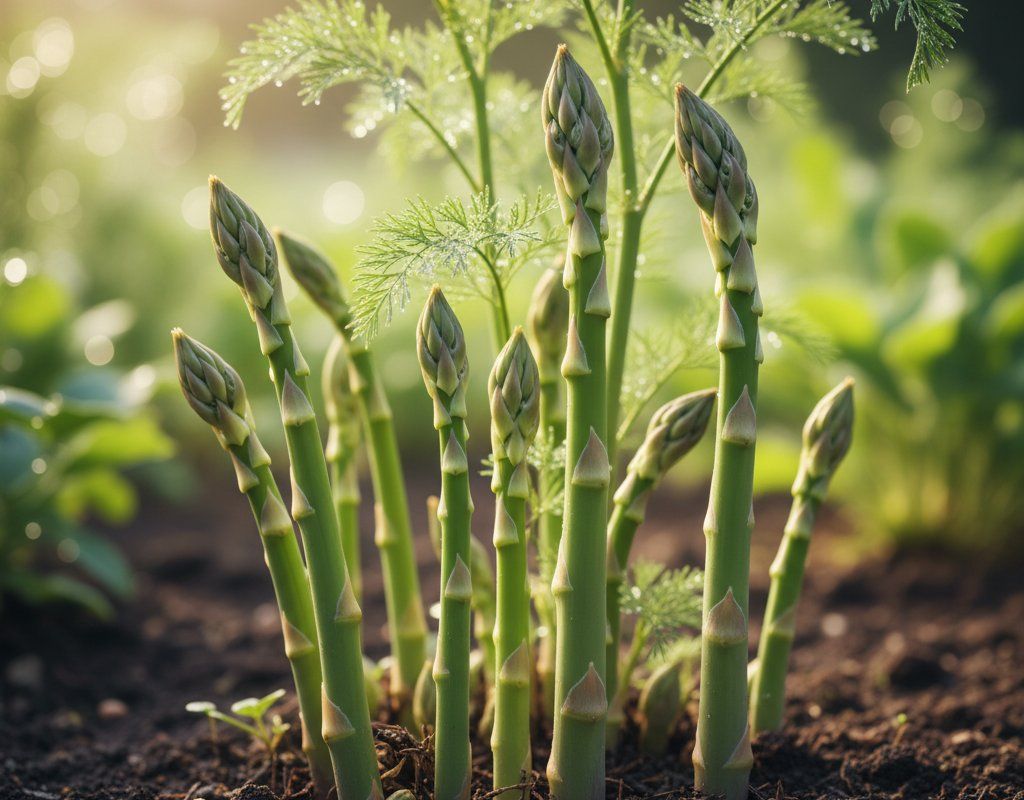



Companion Planting Details
Parsley makes an excellent companion for tomatoes, asparagus, and corn in Plains gardens. Plant it near tomatoes where it reportedly improves flavor while attracting beneficial insects that help control pests. The herb's dense foliage provides ground coverage that helps retain soil moisture around these larger plants – valuable in our hot, windy climate. Asparagus and parsley work well together since both prefer similar soil conditions and the parsley can fill space between asparagus rows.
Avoid planting parsley near lettuce, which has different water requirements and may bolt quickly in the heat that parsley can better tolerate. Also keep it away from mint, which spreads aggressively and can overwhelm the slower-growing parsley. Some gardeners plant parsley near roses, where it's said to enhance fragrance while helping deter harmful insects, though this works better in locations with some protection from our strongest Plains winds.
🌸Best Flowers to Plant with Parsley
These flowers protect your Parsley from pests and attract pollinators for better harvests.
For Pest Control




Get a Reminder When It's Time to Plant
We'll email you when key planting windows open for your zone.