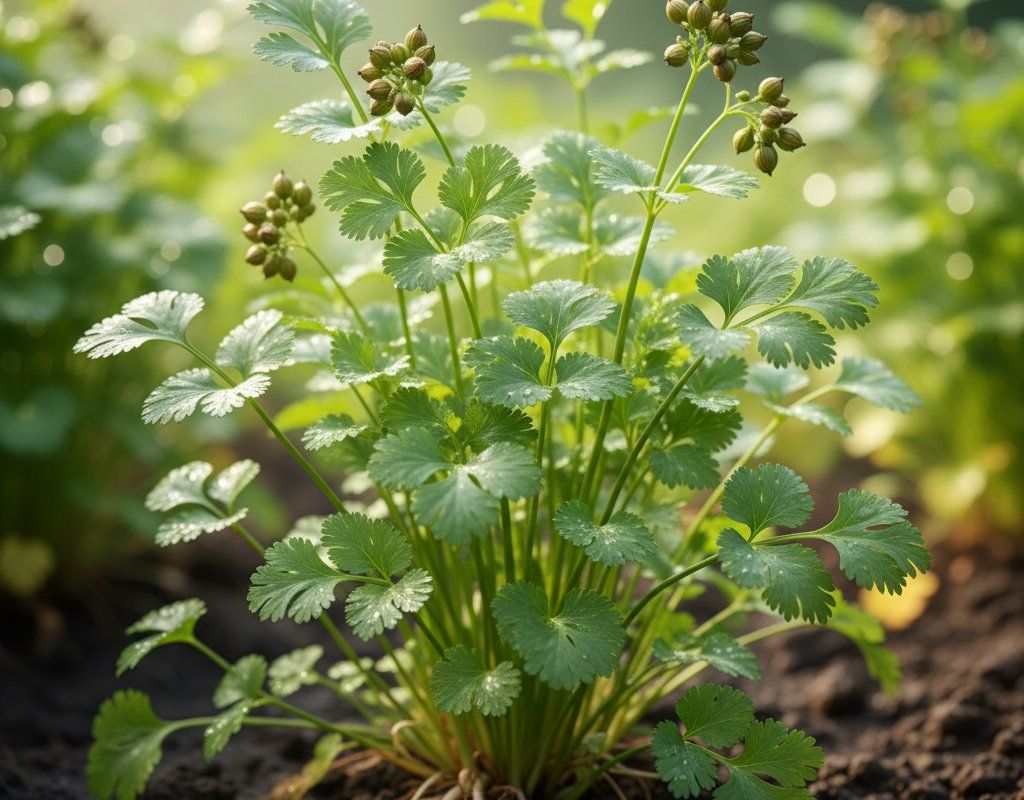
Cilantro in Zone 3B — Great Plains
Coriandrum sativum · Your Complete 2026 Planting Guide
Planning Ahead — Great!
You’re ahead of the season. Here’s when to start.
Mark Your Calendar
How to Plant Cilantro in Zone 3B — Great Plains
Here are all your options for getting cilantro in the ground, from the easiest method to more advanced approaches.
Direct Sow Seeds
RecommendedEarly May through mid July
around May 6
Consider succession planting every 2-3 weeks for continuous harvest.
Cilantro bolts quickly in heat. Direct sow in cool weather for best results.
Start Seeds Indoors
RecommendedMid April through early May
around April 22
Then transplant: Mid May through early July
Start seeds 4-6 weeks before transplanting outdoors.
Buy Starts
Works WellMid May through early July
around May 20
Plant purchased starts after last frost (May 20).
Transplant Outdoors
Timing InfoMid May through early July
around May 20
Can tolerate light frost, but wait for soil to be workable.
You have a nice window — no need to rush.
Fall Planting
Late July through mid August
August 4 ideal · Direct sow for fall harvest
Plant a second crop in mid-summer for fall harvest. Cilantro actually prefers the cooling temperatures of fall.
Overview
Cilantro thrives in our Great Plains climate when you time it right, delivering that fresh, bright flavor that store-bought herbs simply can't match. The intense Prairie sunshine helps develop strong essential oils, while our low disease pressure means cleaner, healthier plants. You'll appreciate having fresh cilantro on hand for everything from salsa to curry, and the satisfaction of harvesting your own is unbeatable in our challenging climate.
Our 118-day growing season and extreme temperature swings require careful timing with cilantro, but don't let that intimidate you. This herb actually prefers our cool spring and fall conditions over blazing summer heat. With proper scheduling and a bit of wind protection, you'll enjoy multiple harvests throughout the season.
Starting Seeds Indoors
Starting cilantro seeds indoors gives you more control over timing, though it's not strictly necessary in our zone. If you want an early start or need to work around our variable spring weather, sow seeds indoors from mid-April through early May, about 4 weeks before your planned transplant date.
Use standard seed trays with good drainage and keep soil consistently moist through bottom watering. Cilantro seeds need warmth to germinate (around 65-70°F), so place trays near a heat source or use a heat mat. Once seedlings emerge, provide bright light and keep them slightly cooler to prevent legginess.
Indoor starting works best when you're planning succession plantings or want to get a jump on the season despite our unpredictable Plains spring weather. Just remember that cilantro doesn't love root disturbance, so handle transplants gently.
Transplanting Outdoors
Transplant your indoor-started cilantro seedlings from mid-May through early July, after soil has warmed and the risk of hard frost has passed. In our Plains climate, this timing catches the sweet spot between spring cold snaps and summer's intense heat.
Harden off seedlings gradually over a week, starting with just an hour of outdoor exposure and building up daily. Our wind can be brutal on tender plants, so choose a protected spot for the hardening process. Space transplants 6-8 inches apart to allow for good air circulation, which helps prevent disease issues in our variable humidity.
Plant on a calm, overcast day if possible – our intense sunshine can shock newly transplanted seedlings. Water thoroughly at transplanting and provide temporary shade cloth if temperatures spike above 80°F during the first week.
Direct Sowing
Direct sowing works well for cilantro in our Plains climate, especially for succession plantings from early May through mid-July. The key is timing your sowings to avoid the worst summer heat while taking advantage of our excellent prairie soil.
Prepare your beds when soil temperature reaches at least 50°F and can be worked without clumping. Our clay-rich prairie soils benefit from adding compost to improve drainage. Sow seeds ¼ inch deep and 6-8 inches apart, keeping the soil consistently moist until germination in 7-14 days.
Since cilantro bolts quickly once temperatures consistently hit the 80s, focus your direct sowings in early to mid-season, then switch to fall plantings in late July through mid-August. This approach gives you the longest harvest window in our challenging climate.
Watering Cilantro in Zone 3B (Great Plains)
Cilantro needs consistent moisture to prevent premature bolting, which is your biggest challenge in our hot, often dry Plains summers. Aim for about 1 inch of water per week, but adjust based on our highly variable rainfall patterns – some years you'll supplement heavily, others you'll barely need to water.
Check soil moisture using the finger test: stick your finger 2 inches down near the plants. If it's dry at that depth, it's time to water. Our low-to-moderate humidity means plants lose moisture quickly, especially when combined with our persistent winds. Water at the base of plants rather than overhead to reduce disease risk and water loss to evaporation.
In our typical summer heat (reaching 93°F), you may need to water every 2-3 days. Mulch around plants with 2-3 inches of organic matter to retain moisture and moderate soil temperature, but keep mulch away from plant stems to prevent rot. Watch for signs of stress: drooping leaves in morning hours or premature flower stalks indicate water stress.
During heat waves, consider providing afternoon shade cloth to reduce water needs and extend your harvest. Overwatering is less common here than underwatering, but watch for yellowing leaves or musty smells that indicate soggy soil conditions.
🧪Fertilizing Cilantro
Feeding Schedule
Organic Fertilizer Options
Harvest Time
Your first cilantro harvest typically arrives from mid-June through late September, about 45 days after planting. In our Plains climate, timing depends heavily on when you planted and how quickly summer heat arrives – spring plantings mature faster than fall ones.
Begin harvesting when plants reach 6+ inches tall by cutting outer stems at the base, leaving the center growing point intact. Take only what you need, cutting stems just above where new leaves are emerging. This encourages continued growth and delays bolting in our heat-prone climate.
Once cilantro sends up its flower stalk (bolting), leaf production slows and flavor becomes bitter. In our hot summers, this can happen quickly once temperatures consistently hit the 80s. Harvest heavily just before bolting, then let plants go to seed for coriander spice or next year's plantings.
With our first frost typically arriving in mid-September, plan your final succession plantings in late July to early August. These fall plantings often produce the best flavor as plants mature in cooler conditions, and you can extend harvest by covering plants during light frosts.
Common Problems in Zone 3B (Great Plains)
Bolting Your cilantro suddenly sends up tall flower stalks and leaves turn bitter or tough. This premature flowering is triggered by our Plains heat waves, long summer days, and drought stress – all common here from mid-summer onward.
Plant at the right times for our zone (spring and fall rather than peak summer), provide afternoon shade during heat waves, and keep soil consistently moist. Choose slow-bolt varieties like 'Slow Bolt' or 'Leisure' that tolerate heat better. Most importantly, succession plant every 2-3 weeks to ensure continuous harvest before plants bolt.
Aphids Look for clusters of tiny green, black, or white insects on stems and leaf undersides, plus sticky honeydew residue and curled new growth. Our low-to-moderate humidity and hot summers create perfect conditions for rapid aphid reproduction.
Knock them off with a strong spray from your hose – effective and easy in our dry climate where leaves dry quickly. Encourage natural predators like ladybugs and lacewings by planting diverse flowers nearby. For heavy infestations, use insecticidal soap early morning or evening to avoid leaf burn in our intense sunshine.
Leaf Spot Brown or black spots appear on leaves, often with yellow halos, eventually causing leaves to drop. This fungal disease thrives during periods of high humidity combined with warm temperatures, especially after our sudden summer thunderstorms.
Improve air circulation by proper spacing (6-8 inches apart) and avoid overhead watering during humid periods. Water at soil level early in the day so plants dry quickly in our typical low humidity. Remove affected leaves immediately and avoid working with wet plants.
Great Plains Specific Challenges: Our extreme temperature swings stress plants and trigger bolting, while persistent winds can dry out soil rapidly. The combination of intense heat and variable rainfall means you'll need to stay vigilant about consistent watering, and our sudden hailstorms can damage tender leaves, requiring succession plantings for reliable harvests.
Best Companions for Cilantro
Plant these nearby for healthier Cilantro and better harvests.
Keep Away From

Companion Planting Details
Cilantro pairs beautifully with tomatoes and peppers in our Plains gardens – it helps repel aphids and spider mites that love these warm-season crops, while benefiting from their slight shade during our intense summer heat. Plant cilantro around the base of pepper plants or between tomato rows for natural pest control and efficient space use.
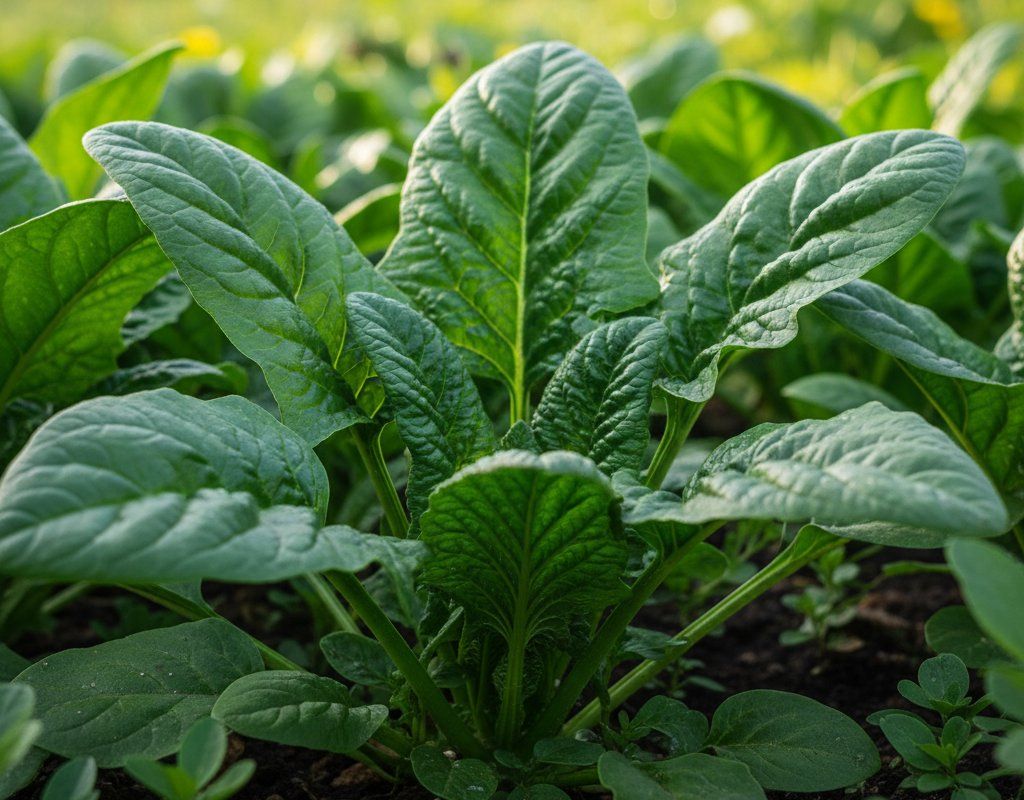
Spinach and beans make excellent spring companions, as they share similar cool-weather preferences and watering needs. The beans provide some wind protection for cilantro while fixing nitrogen that benefits both crops. Avoid planting near fennel, which can inhibit cilantro's growth and attract similar pests. In our challenging Plains climate, these companion relationships help create microclimates that benefit all your plants while maximizing your limited growing space.
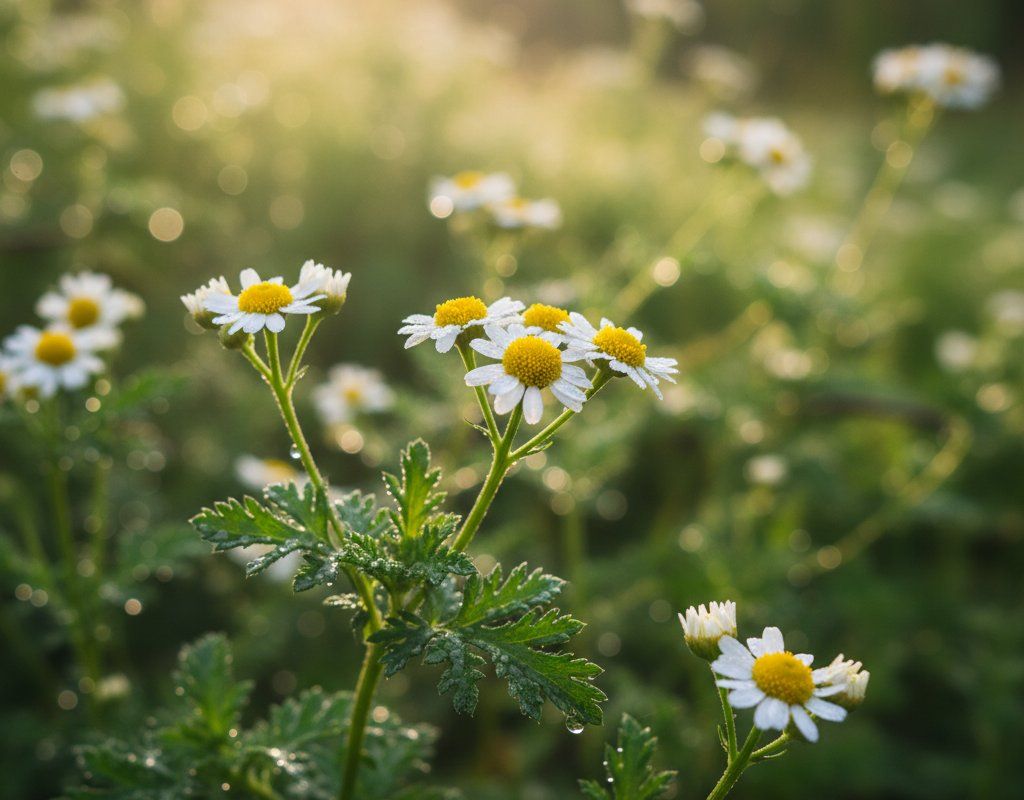
🌸Best Flowers to Plant with Cilantro
These flowers protect your Cilantro from pests and attract pollinators for better harvests.



Get a Reminder When It's Time to Plant
We'll email you when key planting windows open for your zone.