
Squash in Zone 9B — Florida
Cucurbita maxima · Your Complete 2026 Planting Guide
Still Time to Sow!
The sowing window is still open for Squash.
Sow Seeds Soon
Summer squash grows quickly from direct-sown seeds.
How to Plant Squash in Zone 9B — Florida
Here are all your options for getting squash in the ground, from the easiest method to more advanced approaches.
Direct Sow Seeds
RecommendedLate January through late September
around January 27
Consider succession planting every 2-3 weeks for continuous harvest.
Summer squash grows quickly from direct-sown seeds.
Buy Starts
Works WellEarly February through early March
around February 3
Plant purchased starts after last frost (January 20).
Start Seeds Indoors
Works WellEarly to late January
around January 13
Then transplant: Early February through early March
Start seeds 3-5 weeks before transplanting outdoors.
Transplant Outdoors
Timing InfoEarly February through early March
around February 3
Wait until nighttime temperatures stay above 50°F.
You have a nice window — no need to rush.
Overview
Squash varieties thrive in Florida's extended growing season, giving you fresh summer and winter squash for most of the year. Our 344-day frost-free period means you can succession plant squash from late winter through early fall, harvesting everything from tender zucchini in spring to hearty butternut squash through the holidays. Florida's warm soil and abundant sunshine create ideal conditions for these heat-loving vines.
While our extreme humidity and sandy soils present challenges, proper timing makes squash surprisingly manageable here. The key is working with Florida's reversed growing calendar - plant in fall for winter harvest, or get spring crops established before our brutal summer heat arrives. With the right varieties and good garden hygiene, you'll enjoy homegrown squash through three seasons.
Starting Seeds Indoors
Starting squash seeds indoors isn't typically necessary in Florida, but it can give you a head start during our brief cool season. Start seeds in early to late January, about 3 weeks before you plan to transplant in early February. Use seed starting trays with good drainage and keep them in a warm spot - squash seeds need consistent 70-75°F temperatures to germinate reliably.
Set up your seedlings under grow lights or in a sunny south-facing window. Bottom watering works best to prevent damping-off, which can be a problem in our humid conditions. Florida's spring arrives early compared to most zones, so your indoor-started transplants will be ready to go out when soil temperatures warm up in February.
The main advantage of indoor starting here is getting past the vulnerable seedling stage before our spring rains and humidity encourage fungal problems. However, squash grows so quickly from direct-sown seeds that most Florida gardeners skip this step entirely.
Transplanting Outdoors
Transplant your indoor-started squash seedlings in early February through early March, when nighttime temperatures stay consistently above 50°F. Before transplanting, harden off seedlings gradually over a week - start with 2-3 hours outdoors in filtered light, then increase exposure daily until they're outside full-time.
Space transplants 48-72 inches apart to allow for proper air circulation in our humid climate. Wide spacing helps prevent the fungal diseases that love Florida's moisture-laden air. Plant on slightly raised beds or mounds to improve drainage in our often-soggy spring soils.
Watch for late cold snaps during transplant season - even here in Zone 9B, we occasionally get surprise chilly nights in February and early March. Keep row covers handy for protection, as squash transplants are more vulnerable to temperature swings than direct-sown plants that develop hardier root systems from the start.
Direct Sowing
Direct sowing is the preferred method for growing squash in Florida. You can sow seeds from late January through late September, working around our summer heat peak. For spring crops, plant in late January through March. For fall and winter harvests, sow again in August and September when temperatures start moderating.
Prepare your planting area by working compost into our sandy soils - squash are heavy feeders and need good organic matter retention. Plant seeds 1 inch deep in groups of 2-3, spacing groups 48-72 inches apart. This wide spacing is crucial in Florida's humid conditions to promote air circulation and reduce disease pressure.
Summer squash varieties grow incredibly fast from seed in our warm climate, often catching up to or surpassing transplants. The deep taproot that develops from direct sowing also handles our summer heat and occasional dry spells better than transplanted seedlings with disturbed root systems.
Watering Squash in Zone 9B (Florida)
Squash need consistent moisture but not waterlogged conditions - a tricky balance in Florida's wet summers and sandy soils. During our dry winter and spring months, provide about 1-1.5 inches of water weekly through deep, infrequent watering sessions. Water at the base of plants rather than overhead to minimize fungal diseases in our high humidity.
Use the finger test regularly: stick your finger 2 inches into the soil near the base of the plant. If it's dry at that depth, it's time to water. During Florida's rainy season (typically June through September), you may need to scale back watering significantly or even stop entirely when we get our frequent afternoon thunderstorms.
Watch for signs of overwatering, which is more common here than drought stress. Yellowing leaves, especially from the bottom up, often indicate too much moisture combined with our heavy humidity. Underwatered squash will show wilting during the hottest part of the day, even with adequate soil moisture - this is normal heat stress, not a watering issue.
Apply a 2-3 inch layer of organic mulch around plants to help regulate soil moisture and temperature. In our sandy soils, mulch also adds organic matter as it breaks down and helps retain the nutrients that otherwise wash away with our heavy summer rains.
🧪Fertilizing Squash
Feeding Schedule
Organic Fertilizer Options
Harvest Time
Your first squash harvest will begin in late April if you planted in early spring, continuing through late December in our extended growing season. Summer squash varieties are ready when fruits are 6-8 inches long with glossy, tender skin. Winter squash need 85 days to full maturity and are ready when the shell resists denting with a fingernail and the stem turns corky and dry.
For summer squash, harvest every 2-3 days once production starts - this keeps plants producing instead of putting energy into oversized, tough fruits. Cut (don't pull) stems with a sharp knife, leaving about an inch attached to the fruit. Handle winter squash more carefully at harvest, leaving a 2-inch stem attached and avoiding any cuts or bruises that invite rot in storage.
Check your plants daily during peak season, as squash can go from perfect to oversize seemingly overnight in Florida's heat and humidity. Morning harvest is best when fruits are fully hydrated and less likely to wilt during handling.
As our first frost approaches in late December, harvest all remaining winter squash even if they're not fully mature. Green or partially ripe winter squash won't continue ripening off the vine, but they can still be used for cooking if the skin has begun to harden.
Common Problems in Zone 9B (Florida)
Squash Vine Borers
Look for sudden wilting of entire vines or sections, often when plants seemed perfectly healthy the day before. You'll see sawdust-like frass (insect droppings) at the base of stems where the larvae have bored inside. These fat white grubs tunnel through stems, cutting off water and nutrient flow. In Florida, the adult clearwing moths are active from early spring through fall, laying eggs repeatedly throughout our long growing season. Wrap the base of stems with aluminum foil or use row covers during egg-laying periods. If caught early, you can slit the stem and remove the grub, then cover the wounded area with soil. Butternut squash varieties show more resistance than summer types.
Powdery Mildew
This fungal disease appears as white or grayish powdery coating on leaves, stems, and sometimes fruit surfaces. Leaves eventually curl, yellow, and die back, reducing plant vigor significantly. Florida's combination of warm days, mild nights, and high humidity creates perfect conditions for powdery mildew, especially during our transition seasons. Unlike most fungal diseases, this one actually prefers dry leaf surfaces. Improve air circulation through proper spacing (48-72 inches apart) and remove lower leaves that touch the ground. Spray with neem oil or try the surprisingly effective milk spray - mix 1 part milk with 9 parts water and apply weekly.
Squash Bugs
These gray-brown, shield-shaped insects cluster on leaf undersides and lay bronze-colored egg masses. Feeding damage causes leaves to wilt and turn brown and crispy, starting with yellow stippling where they've sucked plant juices. Adults inject toxins while feeding, causing more damage than the actual sap removal. In Florida, squash bugs can have multiple generations per year due to our long warm season. Hand-pick adults early in the morning when they're sluggish, and crush any egg clusters you find on leaf undersides. Set up board traps - adults hide under boards overnight, so flip them in early morning and destroy the bugs underneath.
Florida Specific Challenges
Our extreme humidity and frequent summer rains create ideal conditions for fungal diseases beyond powdery mildew. Proper spacing and good air circulation become even more critical here than in drier climates. The combination of heat, humidity, and our sandy soils that drain nutrients quickly means squash plants can be more stressed and vulnerable to pest problems throughout our extended growing season.
Best Companions for Squash
Plant these nearby for healthier Squash and better harvests.

Keep Away From
Companion Planting Details
Corn makes an excellent companion for squash in Florida, providing natural support for vining types and some shade during our intense summer sun. The classic "Three Sisters" combination of corn, beans, and squash works well here, with beans fixing nitrogen that both heavy-feeding crops appreciate. Plant radishes around the base of squash plants - they mature quickly in our warm climate and their peppery scent may help deter squash bugs and cucumber beetles.
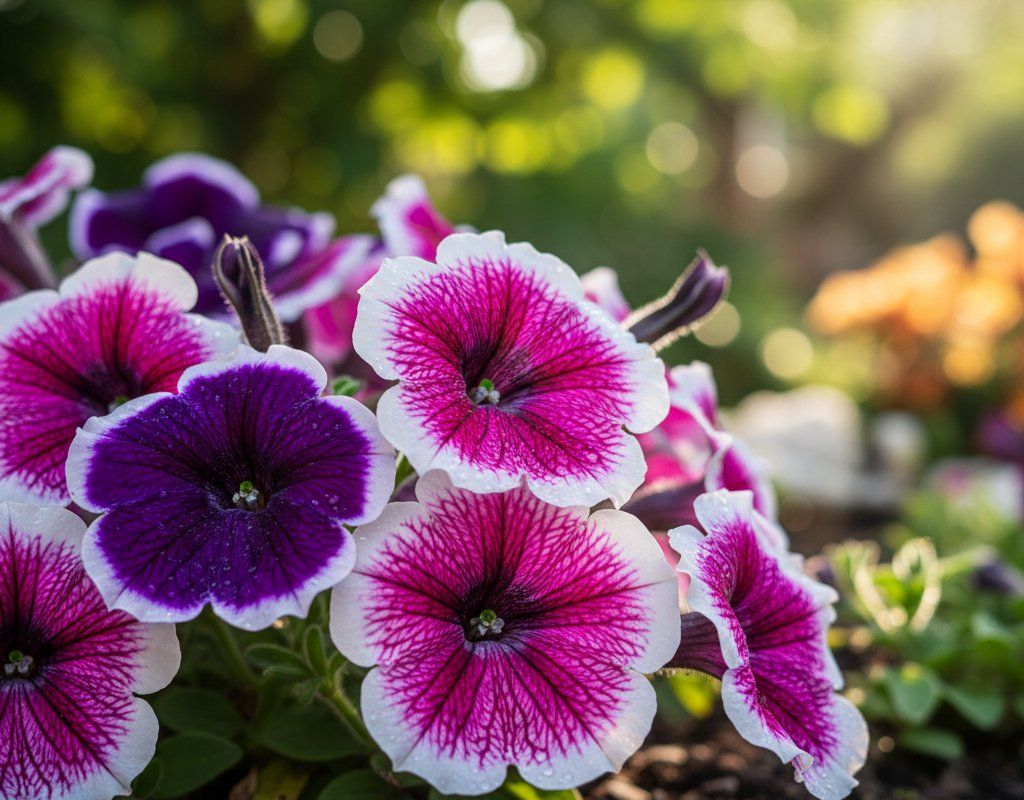
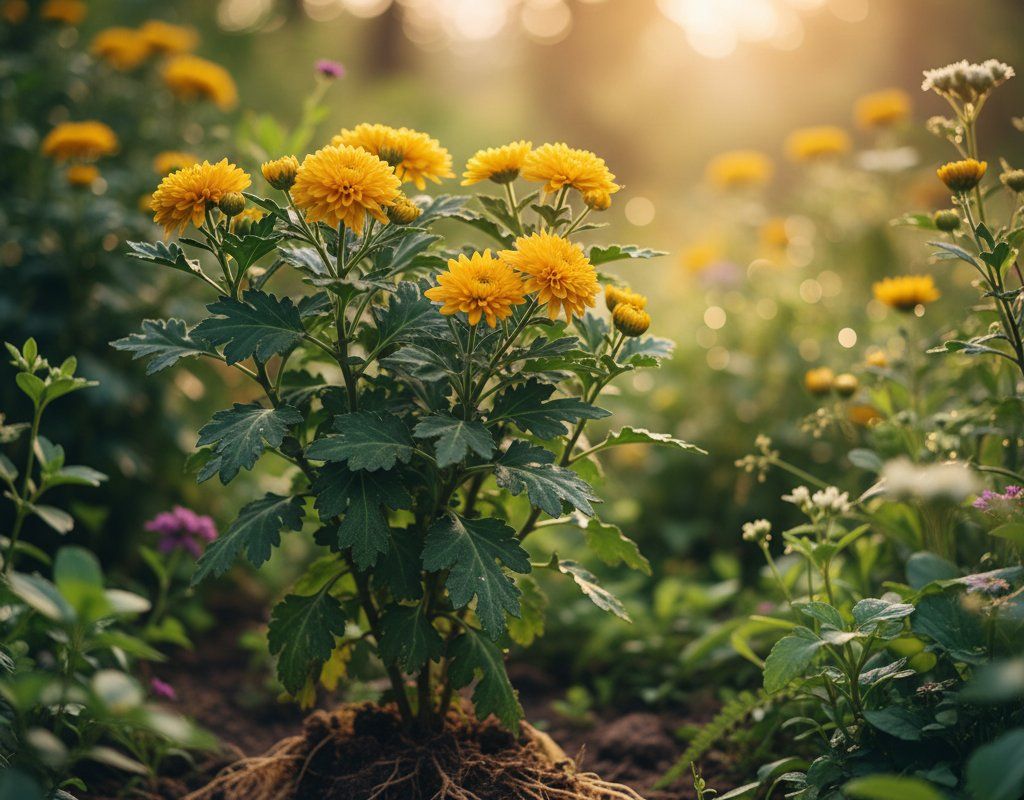
Marigolds planted nearby can help repel various garden pests while adding color to your squash patch. Their strong scent seems particularly effective against squash bugs in Florida's conditions. Avoid planting potatoes near squash - both crops are susceptible to similar fungal diseases, and our high humidity means these problems can spread rapidly between neighboring plants when conditions are favorable.
🌸Best Flowers to Plant with Squash
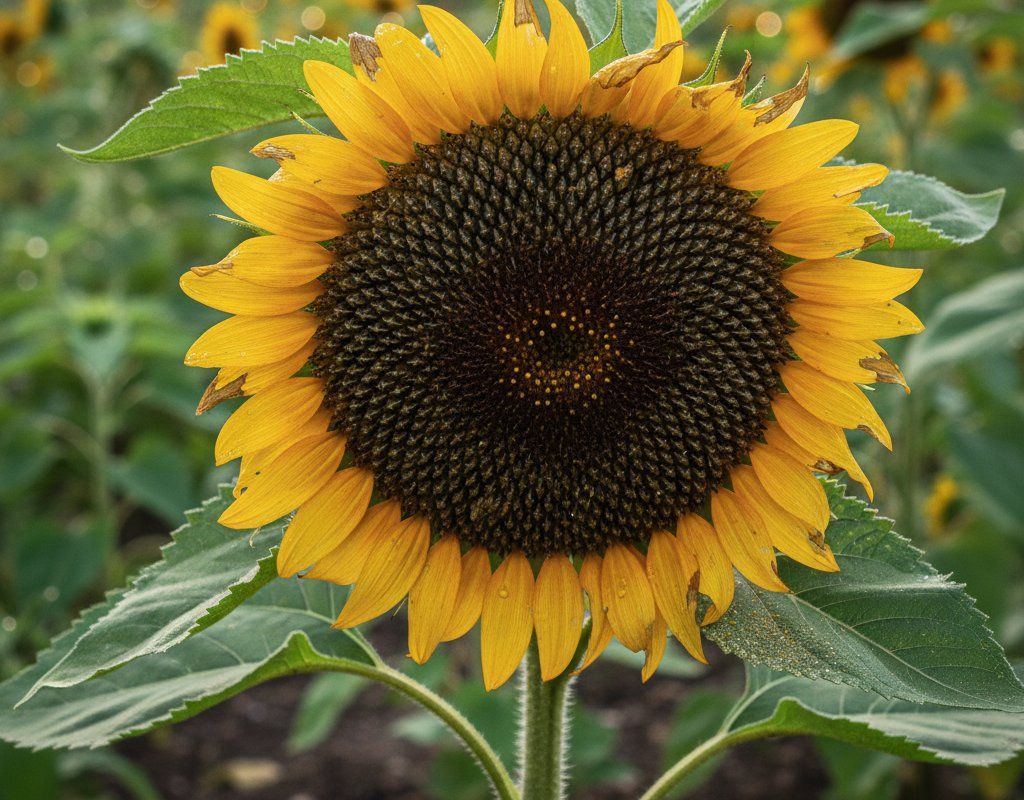
These flowers protect your Squash from pests and attract pollinators for better harvests.
For Pest Control





Get a Reminder When It's Time to Plant
We'll email you when key planting windows open for your zone.