
Parsley in Zone 10B — Florida
Petroselinum crispum · Your Complete 2026 Planting Guide
Harvest Time!
Your Parsley should be producing now!
Harvest Tips
Harvest in the morning after dew dries for the best flavor.
How to Plant Parsley in Zone 10B — Florida
Here are all your options for getting parsley in the ground, from the easiest method to more advanced approaches.
Direct Sow Seeds
RecommendedLate December through early October
around December 22
Consider succession planting every 2-3 weeks for continuous harvest.
Parsley is slow to germinate (2-4 weeks). Soaking seeds helps.
Start Seeds Indoors
RecommendedMid October through early November
around October 27
Then transplant: Late December through mid January
Start seeds 8-10 weeks before transplanting outdoors.
Start indoors 8-10 weeks early due to slow germination.
Buy Starts
Works WellLate December through mid January
around December 22
Plant purchased starts after last frost (January 5).
Transplant Outdoors
Timing InfoLate December through mid January
around December 22
Can tolerate light frost, but wait for soil to be workable.
You have a nice window — no need to rush.
Fall Planting
Mid October through mid November
October 29 ideal · Direct sow for fall harvest
Plant a second crop in mid-summer for fall harvest. Parsley actually prefers the cooling temperatures of fall.
Overview
Parsley thrives in Florida's unique growing calendar, giving you fresh, flavorful herbs when most of the country is dormant. Unlike the bland grocery store varieties, your homegrown curly or flat-leaf parsley offers intense flavor and the satisfaction of year-round harvests. In Florida's reversed seasons, parsley becomes a cool-weather champion that produces abundantly through our mild winters.
Our extreme humidity and fungal pressure can challenge herb growing, but parsley's timing works in your favor. Plant during our cooler months to avoid the brutal summer heat, and you'll enjoy harvests from our 360-day growing season. The key is working with Florida's climate, not against it.
Starting Seeds Indoors
Starting parsley indoors makes sense if you want an early jump on the season or prefer controlled conditions during germination. Begin seeds mid-October through early November, about 8 weeks before your planned transplant date. Parsley seeds are notoriously slow to germinate, taking 2-4 weeks even under ideal conditions, so patience is essential.
Set up seed trays in a warm spot with good light - a sunny windowsill or under grow lights works well. Keep soil consistently moist using bottom watering to prevent fungal issues that our humidity encourages. The controlled environment helps you manage that lengthy germination period while avoiding the unpredictable weather swings of early winter.
Since Florida's spring growing season is actually our winter months, indoor starting gives you transplant-ready seedlings right when outdoor conditions become favorable. This method works particularly well if you're growing flat-leaf parsley, which tends to be more finicky about germination than curly varieties.
Transplanting Outdoors
Transplant your parsley seedlings outdoors from late December through mid-January, when our "spring" season begins. Your seedlings should have 3-4 true leaves and sturdy stems before making the move. Even though parsley is frost-hardy, gradually harden them off over a week with increasing outdoor exposure.
Space transplants 6-10 inches apart in prepared beds with good drainage - crucial in our sandy soils that can still hold too much moisture during winter rains. Choose a spot with morning sun and afternoon shade, as even winter sun can stress young plants in Florida's intense light.
Watch for those occasional cold snaps that can surprise us in January. While parsley handles light frost well, a sudden temperature drop from 80°F to 40°F can shock transplants. Have row covers ready for protection during unseasonable cold spells.
Direct Sowing
Direct sowing parsley works well in Florida from late December through early October, giving you flexibility across most of our growing season. The advantage is avoiding transplant shock, but you'll need patience during the slow germination period. Soak seeds overnight before planting to speed up the process slightly.
Prepare your beds with compost or aged manure to improve our sandy soil's water retention. Plant seeds ¼ inch deep and space them 6-10 inches apart. In our climate, consistent moisture is critical during germination - that 2-4 week window when seeds are most vulnerable.
Fall plantings (mid-October through mid-November) often perform better than winter sowings since soil temperatures are still warm enough to encourage germination. Summer heat makes direct sowing impractical, as parsley struggles when soil temperatures exceed 85°F consistently.
Watering Parsley in Zone 10B (Florida)
Parsley needs consistent, moderate watering throughout Florida's variable seasons. During our wet summers, established plants rarely need supplemental water, but winter and spring growing seasons require regular attention. Aim for about 1 inch of water weekly when rainfall doesn't provide it naturally.
Use the finger test - stick your finger 2 inches into the soil near the base of plants. If it's dry at that depth, it's time to water. Our sandy soils drain quickly, so you'll likely water more frequently than gardeners in other regions. Water at the base of plants rather than overhead to minimize fungal problems that our extreme humidity encourages.
During germination, keep soil consistently moist but not waterlogged. This is particularly challenging in Florida since our winter rains can be unpredictable - bone dry one week, flooding the next. A thin layer of mulch helps moderate soil moisture and temperature swings.
Watch for overwatering signs like yellowing leaves or crown rot, especially during our humid summer months when growth slows. Underwatered parsley wilts quickly but recovers fast with proper watering - just don't let it reach that stress point repeatedly.
🧪Fertilizing Parsley
Feeding Schedule
Organic Fertilizer Options
Harvest Time
Your first parsley harvest begins early March through early January in Florida's reversed seasons, about 70 days from seeding. Look for outer stems with at least three fully developed leaf segments - these are mature enough to cut without harming the plant's growth center.
Harvest by cutting stems at the base near soil level, not just pinching the tips. This encourages new growth from the crown and keeps plants productive longer. Take outer stems first, working your way inward, and never harvest more than one-third of the plant at once.
Parsley is biennial, producing abundant leaves in year one before flowering in year two. In Florida's climate, plants often bolt earlier than expected during hot weather, so harvest regularly from established plants. Cut flower stalks immediately if they appear to redirect energy back into leaf production.
As our "first frost" approaches in late December, harvest heavily since plants may struggle through temperature swings. However, established parsley often survives our mild winters and produces again, giving you multiple harvest seasons from single plantings.
Common Problems in Zone 10B (Florida)
Slow Germination Parsley seeds can take 2-4 weeks to germinate, often frustrating new gardeners who expect quicker results. Seeds appear to do nothing for weeks before suddenly sprouting.
Poor germination rates or extended germination periods usually result from old seeds, inconsistent moisture, or soil temperatures outside the 60-70°F range. Our fluctuating winter temperatures can extend germination even longer.
Soak seeds overnight before planting and keep soil consistently moist during the germination period. Use fresh seeds and consider bottom-watering seed trays to maintain steady moisture without creating soggy conditions that encourage fungal problems.
Crown Rot Plants suddenly wilt and die despite adequate watering, with blackened, mushy growth at soil level. Entire plants may collapse overnight during humid weather.
Crown rot thrives in Florida's humid conditions, especially when combined with poor drainage or overhead watering. Our heavy summer rains and sandy soils that hold unexpected moisture pockets create ideal conditions.
Improve drainage with raised beds or containers, water at soil level rather than on leaves, and ensure good air circulation between plants. Remove affected plants immediately and don't replant parsley in the same spot for several months.
Carrot Rust Fly Small brown tunnels appear in roots, and plants wilt despite adequate water. You might notice small dark flies hovering near plants during cooler months.
The larvae tunnel into parsley roots (parsley is in the carrot family), weakening plants and creating entry points for diseases. Adult flies are attracted to the scent of bruised or freshly thinned plants.
Use row covers during peak fly season (typically our cooler growing months) and avoid thinning when flies are active. Interplant with onions - their strong scent confuses the flies and provides natural protection.
Florida Specific Challenges Our extreme humidity creates perfect conditions for fungal diseases that rarely affect parsley in drier climates. The combination of hot temperatures and high moisture during summer months makes this traditionally easy herb much more challenging to grow year-round.
Best Companions for Parsley
Plant these nearby for healthier Parsley and better harvests.
View Full Companion Planting Chart →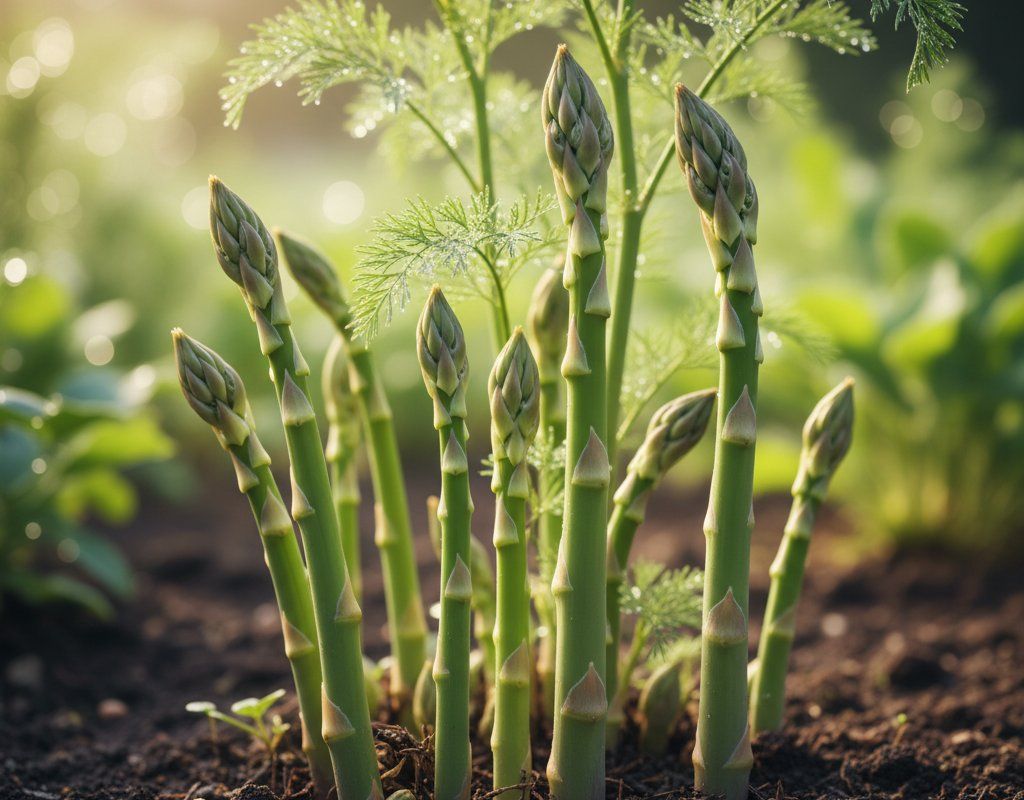



Companion Planting Details
Parsley makes an excellent companion for tomatoes, naturally repelling some pests while attracting beneficial insects with its flowers. Plant it near asparagus beds where it helps deter asparagus beetles and won't compete for nutrients. Corn also benefits from parsley's pest-deterrent properties, and both crops appreciate similar soil conditions in Florida's sandy soils.
Roses particularly benefit from parsley planted at their base - the herb's strong scent helps mask rose fragrance from aphids and other pests. Avoid planting parsley near lettuce, as both compete for similar nutrients and space, and lettuce can shade out lower-growing parsley. Keep it away from mint, which spreads aggressively and can overwhelm parsley's more delicate root system in our loose, sandy soils.
🌸Best Flowers to Plant with Parsley
These flowers protect your Parsley from pests and attract pollinators for better harvests.
For Pest Control




Get a Reminder When It's Time to Plant
We'll email you when key planting windows open for your zone.