
Parsley in Zone 3A — Mountain West
Petroselinum crispum · Your Complete 2026 Planting Guide
Planning Ahead — Great!
You’re ahead of the season. Here’s when to start.
Mark Your Calendar
How to Plant Parsley in Zone 3A — Mountain West
Here are all your options for getting parsley in the ground, from the easiest method to more advanced approaches.
Direct Sow Seeds
RecommendedMid May through mid June
around May 18
Direct sow as soon as conditions allow.
Parsley is slow to germinate (2-4 weeks). Soaking seeds helps.
Start Seeds Indoors
RecommendedMid March through early April
around March 23
Then transplant: Mid May through mid June
Start seeds 8-10 weeks before transplanting outdoors.
Start indoors 8-10 weeks early due to slow germination.
Buy Starts
Works WellMid May through mid June
around May 18
Plant purchased starts after last frost (June 1).
Transplant Outdoors
Timing InfoMid May through mid June
around May 18
Can tolerate light frost, but wait for soil to be workable.
You have a nice window — no need to rush.
Fall Planting
Mid June through mid July
July 4 ideal · Direct sow for fall harvest
Plant a second crop in mid-summer for fall harvest. Parsley actually prefers the cooling temperatures of fall.
Overview
Parsley thrives in our Mountain West climate, taking advantage of our intense sunlight while staying comfortable in our naturally cool nights. The crisp mountain air and low humidity mean less disease pressure, and that temperature swing between day and night actually concentrates the oils that give parsley its distinctive flavor. Both flat-leaf and curly varieties do well here, producing tender, flavorful leaves all season long.
Our 96-day growing season and late spring start might seem limiting, but parsley is perfectly suited to these conditions. This hardy herb can handle our cool nights and even light frosts, making it one of the more forgiving crops for high altitude gardening. With proper timing, you'll have fresh parsley from midsummer right up to our first hard frost.
Starting Seeds Indoors
Starting parsley indoors makes sense if you want an early harvest or live at particularly high elevation where the outdoor season is even shorter. Start seeds mid-March through early April, about 8 weeks before you plan to transplant outside. Parsley is notoriously slow to germinate – sometimes taking 3-4 weeks – so patience is key here.
Use standard seed trays with good drainage and keep soil consistently moist but not waterlogged. Bottom watering works especially well since it prevents the tiny seeds from washing around. Keep trays warm (65-70°F) until germination, then provide bright light. A simple shop light works fine in our intense mountain sun environment.
The main advantage of starting indoors is getting a jump on our late spring. Since our growing season doesn't really start until mid-May, indoor starts give you mature plants ready to produce by midsummer instead of waiting until late July for your first harvest.
Transplanting Outdoors
Transplant your parsley seedlings outside from mid-May through mid-June, once nighttime temperatures stay consistently above freezing. Even though parsley can handle light frost, young transplants need a bit of protection while they establish roots in our mountain conditions.
Harden off seedlings gradually over a week before transplanting. Start with just an hour or two outside in filtered light, gradually increasing their exposure to our intense UV. Mountain sun can shock indoor-grown plants quickly, so don't rush this step. Space plants 6-10 inches apart – the wider spacing works better in our low humidity since plants dry out faster.
Watch the weather during transplant time. Late spring temperature swings are common here, and while mature parsley handles cold well, newly transplanted seedlings can struggle if hit with an unexpected late frost or hail. Keep row covers handy for the first few weeks after transplanting.
Direct Sowing
Direct sowing parsley works well in our mountain climate, though you'll need patience for germination. Sow seeds from mid-May through mid-June once soil temperatures reach at least 50°F consistently. The advantage is avoiding transplant shock, which can be more severe in our intense sun and low humidity.
Prepare your soil well before sowing. Parsley prefers loose, well-draining soil, and our alkaline mountain soils benefit from added compost. Soak seeds overnight before planting to speed germination – in our dry climate, this extra moisture helps get them started. Plant seeds ¼ inch deep and keep the soil consistently moist during the long germination period.
Space seeds 6-10 inches apart, or plant more densely and thin later. Direct-sown plants often develop stronger root systems than transplants, making them more drought-tolerant once established. Just remember that germination can take 2-4 weeks, so mark your rows clearly and be patient.
Watering Parsley in Zone 3A (Mountain West)
Parsley needs consistent, moderate watering in our dry mountain climate. Aim for about 1 inch of water per week, including any rainfall we might get. Since our annual precipitation is typically only 10-20 inches, you'll be providing most of this water yourself throughout the growing season.
Check soil moisture by sticking your finger 2 inches down – if it's dry at that depth, it's time to water. In our low humidity, surface soil dries out quickly but may still be moist underneath. Water at the base of plants rather than overhead; our dry air means foliar watering evaporates quickly and wastes water you could be getting to the roots.
During germination, keep soil consistently moist but not soggy. This is the trickiest part with parsley since germination takes 2-3 weeks. A light mulch of shredded leaves or straw helps retain moisture and protect against our intense UV, but keep it light – too much mulch in our cool nights can keep soil too cold.
Signs of underwatering include wilting during the heat of the day (even at our moderate 85°F highs) and yellowing lower leaves. Overwatering shows up as yellowing that starts from the center of the plant and soggy, blackened stems. Our well-draining mountain soils make overwatering less common than in heavier soils, but watch for it during cool, cloudy periods.
🧪Fertilizing Parsley
Feeding Schedule
Organic Fertilizer Options
Harvest Time
Expect your first parsley harvest from late July through mid-September, depending on when you planted. Look for stems with at least three leaf segments – this indicates the plant is mature enough for harvesting. Unlike many herbs, you harvest parsley by cutting entire stems at the base rather than just pinching tips.
Always harvest the outer stems first, working your way inward. This keeps the growing center intact and encourages continued production. Cut stems cleanly with scissors or a sharp knife about ¼ inch above soil level. In our intense mountain sun, harvest in early morning when leaves are fully hydrated and flavors are concentrated from the cool nights.
Regular harvesting actually encourages more growth, so don't be shy about cutting what you need. A healthy plant can handle losing up to one-third of its foliage at a time. Keep harvesting regularly through August and into September – parsley can handle light frosts and often keeps producing until our first hard freeze.
As first frost approaches in early September, harvest heavily and preserve what you can't use fresh. You can also pot up plants and bring them indoors for winter harvesting on a sunny windowsill, taking advantage of our high altitude's intense light even in winter.
Common Problems in Zone 3A (Mountain West)
Slow Germination The most frustrating issue with parsley is waiting for seeds to sprout, which can take 2-4 weeks even under good conditions. Seeds sit in soil looking like nothing's happening, making you wonder if they're viable. Our cool mountain nights can slow germination even more, especially early in the season. Soak seeds overnight before planting and keep soil consistently warm and moist. Consider starting indoors where you can control temperature better, or wait until soil truly warms in late May for direct sowing.
Carrot Rust Fly Small dark flies hovering near your parsley plants signal carrot rust fly, whose larvae tunnel into roots and crown. You'll see rusty brown tunnels in roots and wilting foliage despite adequate water. These flies are active during warm spells and are attracted to the scent of bruised parsley leaves. Row covers provide the best protection, especially during peak fly activity in early summer. Delay thinning until after the first generation passes, and interplant with onions whose strong scent confuses the flies.
Crown Rot Blackened, musty-smelling stems at soil level indicate crown rot, usually caused by too much moisture combined with poor drainage. Our mountain soils typically drain well, but crown rot can develop during cool, wet periods or if you're overwatering. Ensure good air circulation between plants and avoid watering late in the day when cool nights keep moisture around too long. Remove affected plants immediately and improve soil drainage with compost before replanting.
Mountain West Specific Challenges Our intense UV can stress young parsley plants, causing leaf scorch on transplants not properly hardened off. The combination of moderate daytime heat and cool nights means plants dry out quickly during the day but stay moist too long at night if overwatered. Hail is always a concern – keep row covers handy during storm season to protect your leafy crops from damage.
Best Companions for Parsley
Plant these nearby for healthier Parsley and better harvests.
View Full Companion Planting Chart →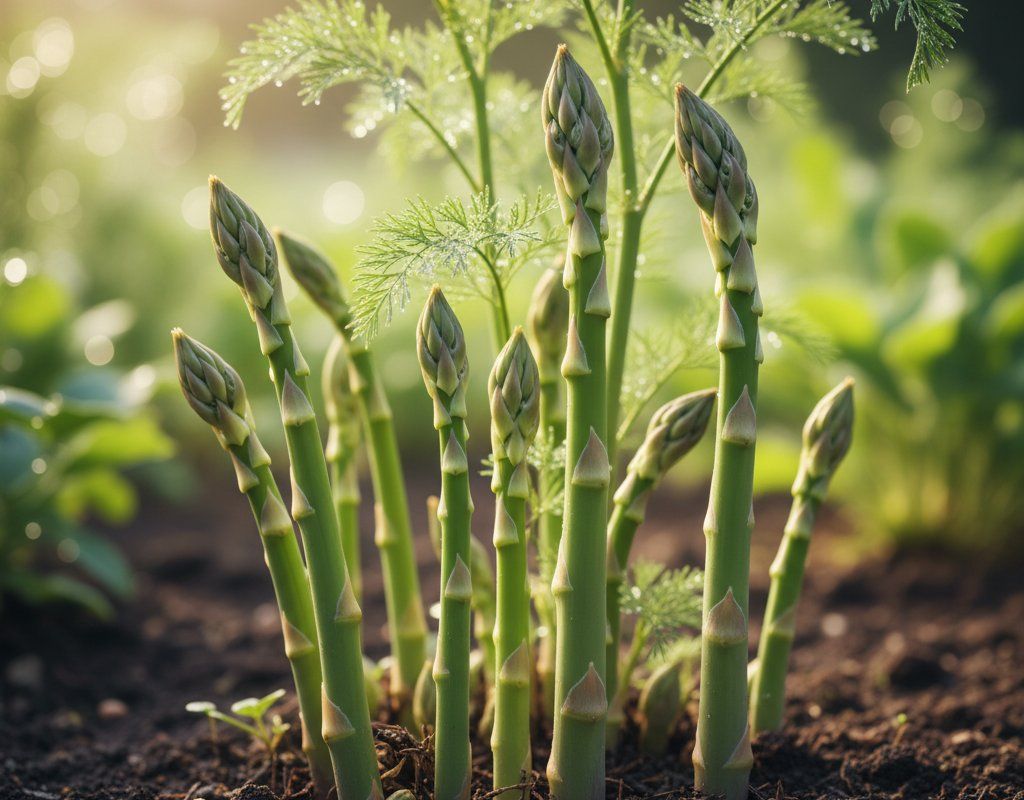



Companion Planting Details
Parsley makes an excellent companion throughout the mountain garden. Plant it near tomatoes, where it reportedly improves flavor and may help deter some pests. The herb's deep taproot brings up nutrients that benefit shallow-rooted crops, and its flowers (if you let some plants go to seed) attract beneficial insects that help with pest control across your garden.
Asparagus and parsley grow well together since asparagus provides some afternoon shade that parsley appreciates during our intense summer sun. Corn also makes a good companion, offering wind protection in our often breezy mountain locations. Avoid planting parsley near lettuce, as both compete for similar nutrients and space. Also keep it away from mint, which can become invasive and overwhelm the more delicate parsley plants in our low-competition mountain growing conditions.
🌸Best Flowers to Plant with Parsley
These flowers protect your Parsley from pests and attract pollinators for better harvests.
For Pest Control




Get a Reminder When It's Time to Plant
We'll email you when key planting windows open for your zone.