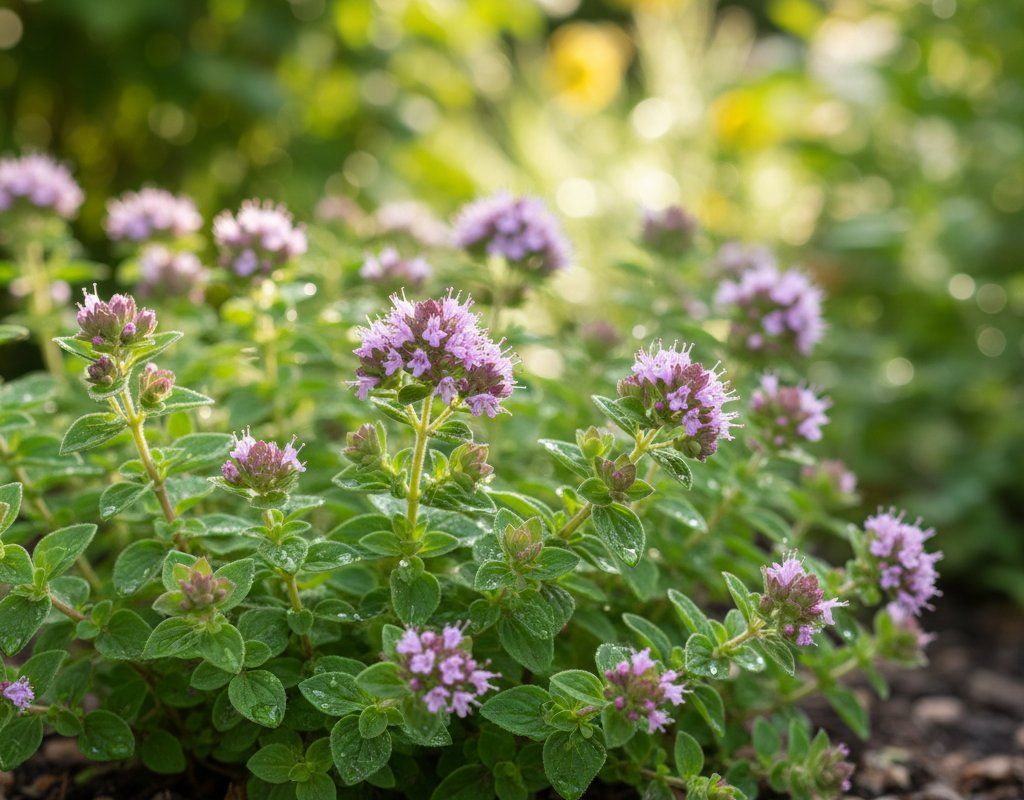
Oregano in Zone 6A — Great Plains
Origanum vulgare · Your Complete 2026 Planting Guide
Missed Seed Starting? No Problem!
Wait for starts to become available.
What to Do
Starts will be available at nurseries in 42 days (around April 15).
How to Plant Oregano in Zone 6A — Great Plains
Here are all your options for getting oregano in the ground, from the easiest method to more advanced approaches.
Buy Starts
RecommendedMid April through late May
around April 15
Plant purchased starts after last frost (April 15).
Easy from seed but slow. Starts give faster results.
Start Seeds Indoors
Works WellMid February through early March
around February 18
Then transplant: Mid April through late May
Start seeds 8-10 weeks before transplanting outdoors.
Direct Sow Seeds
Works WellMid April through late August
around April 15
Consider succession planting every 2-3 weeks for continuous harvest.
Transplant Outdoors
Timing InfoMid April through late May
around April 15
Can tolerate light frost, but wait for soil to be workable.
You have a nice window — no need to rush.
Overview
Oregano thrives in our Great Plains climate like it was meant to be here. The intense prairie sunshine and our naturally well-drained soils create perfect conditions for developing those essential oils that make homegrown oregano so much more flavorful than anything you'll find at the grocery store. You'll get a steady supply of fresh leaves from late spring through first frost, and this drought-tolerant herb actually prefers our drier conditions once established.
Our extreme temperature swings and variable spring weather might seem challenging, but oregano handles Plains conditions beautifully once you get the timing right. With our 188-day growing season, you have plenty of time to establish plants and harvest continuously through summer and fall. The key is working with our unpredictable spring by starting indoors or waiting until soil warms consistently.
Starting Seeds Indoors
Starting oregano seeds indoors makes sense if you want the earliest possible harvest or prefer having complete control over your plants' early development. Sow seeds in seed trays from mid-February through early March, about 8 weeks before you plan to transplant outside. oregano seeds are tiny and slow to germinate, so patience pays off here.
Set up your seed trays in a warm spot (65-70°F works well) with good light once seedlings emerge. Bottom watering prevents the delicate seedlings from getting knocked over and keeps soil moisture even. Our variable spring weather makes indoor starting particularly valuable since you're not at the mercy of late cold snaps or early warm spells that can stress direct-sown seeds.
The main downside is that oregano grows slowly from seed, so you won't see dramatic progress for several weeks. If you want faster results, buying transplants might be worth the extra cost.
Transplanting Outdoors
Move your oregano transplants outside from mid-April through late May, after our soil has warmed and the risk of hard freezes has passed. Harden plants off gradually over a week by setting them outside during the day and bringing them in at night - our temperature swings can shock tender plants if you rush this step.
Space transplants 12-18 inches apart to give them room to spread as they mature. The wider spacing works better in our windy conditions since plants develop stronger root systems when they're not competing closely. Wind protection from taller plants or structures helps young transplants establish faster.
Watch the weather forecast closely during transplant time since late April can still surprise us with unexpected cold snaps. Keep row cover handy for the first few weeks if temperatures threaten to drop into the 30s.
Direct Sowing
Direct sowing oregano works well from mid-April through late August, giving you flexibility to plant whenever your garden schedule allows. The key is waiting until soil temperature consistently stays above 60°F - cold soil leads to poor germination and slow growth. Late spring through mid-summer sowings often establish faster than early plantings.
Prepare a sunny spot with well-drained soil (oregano hates wet feet) and scatter the tiny seeds thinly over the surface. Barely cover them with fine soil since they need light to germinate. Keep the seedbed consistently moist but not soggy during the 7-14 day germination period.
Direct-sown plants take longer to reach harvestable size compared to transplants, but they often develop stronger root systems better adapted to our challenging Plains conditions. Space final plants 12-18 inches apart after thinning - our intense summer sun and heat require good air circulation.
Watering Oregano in Zone 6A (Great Plains)
Oregano's drought tolerance makes it perfect for our variable Plains rainfall, but young plants need consistent moisture to establish strong roots. Water transplants regularly for the first 3-4 weeks, then gradually reduce frequency as they settle in. The finger test works perfectly - stick your finger 2 inches into the soil, and water only when it feels dry at that depth.
Once established (usually by midsummer), mature oregano plants handle our hot, dry conditions with minimal irrigation. During typical Plains summers with temperatures hitting 93°F, deep watering once a week provides about an inch of moisture. Our low-to-moderate humidity means less disease pressure, so you can water at the base or use overhead sprinklers without worry.
Watch for signs of stress during prolonged dry spells - leaves may curl slightly or lose their vibrant green color. However, avoid overwatering, which dilutes the essential oils that give oregano its intense flavor. In our clay-heavy prairie soils, soggy conditions also invite root rot problems.
A thin layer of mulch helps retain soil moisture during our intense summer heat while keeping weeds down. Grass clippings or chopped leaves work well, but keep mulch a few inches away from plant stems to ensure good air circulation around the base.
Pruning & Maintaining Oregano
Oregano requires minimal pruning, but a mid-summer trim keeps plants compact and encourages fresh, tender growth. When plants reach 6-8 inches tall (usually by mid-July), cut them back by about one-third. This prevents the somewhat sprawling habit from taking over neighboring plants and redirects energy into producing more leaves rather than flowers.
Regular harvesting throughout the growing season provides natural pruning as you clip sprigs for cooking. Always cut just above a pair of leaves to encourage bushier growth from that point. Remove any flower buds that appear unless you're saving seeds - flowering reduces leaf production and flavor intensity.
As our first frost approaches in mid-October, cut plants back to about 2 inches above ground level. This helps them survive winter better and prevents old woody stems from interfering with next year's new growth, since oregano often returns as a short-lived perennial in our Zone 6A conditions.
🧪Fertilizing Oregano
Feeding Schedule
Organic Fertilizer Options
Harvest Time
Your first oregano harvest typically begins in late May if you started with transplants, or mid-June from direct-sown seeds. Look for plants that have reached at least 4 inches tall with several sets of true leaves - this usually happens around 45 days from transplanting. The beauty of oregano is that you can keep harvesting continuously through late October.
For the best flavor, harvest just before the plants flower when essential oil concentration peaks. Cut 4-6 inch sprigs in the morning after dew dries but before the heat of the day. Always cut just above a pair of leaves - this encourages branching and more harvest points. Your plants will quickly regrow and provide another cutting in 2-3 weeks.
During our hot Plains summers, oregano flavor intensifies due to the stress of heat and low moisture. This makes homegrown oregano incredibly potent compared to store-bought versions. Harvest regularly to keep plants producing; if you let them flower and go to seed, leaf production drops significantly.
As first frost approaches in mid-October, harvest heavily and preserve your crop through drying or freezing. The plants often survive mild frosts, but a hard freeze will end the growing season. Make your final harvest before temperatures drop into the mid-20s.
Common Problems in Zone 6A (Great Plains)
Root Rot Yellowing leaves that start from the bottom of the plant, wilting despite moist soil, and black or brown mushy roots signal root rot. Our prairie clay soils can hold too much moisture, especially during wet springs or if you're overwatering established plants. Oregano evolved in Mediterranean conditions and truly hates soggy roots.
Prevent root rot by improving drainage before planting - work in compost or coarse sand to heavy clay areas. Water less frequently but more deeply, and always check soil moisture before irrigating. If root rot appears, stop watering immediately and consider relocating plants to better-drained spots. Severe cases require starting over with new plants.
Aphids Look for clusters of tiny green, black, or white insects on stems and leaf undersides, plus sticky honeydew residue and curled new growth. Our warm Plains summers create perfect breeding conditions for aphid populations that can explode seemingly overnight. Ants often appear too, farming the aphids for their sweet secretions.
A strong spray from your garden hose knocks most aphids off and often solves minor infestations. Encourage beneficial insects like ladybugs and lacewings by avoiding broad-spectrum pesticides. For persistent problems, insecticidal soap or neem oil work well in our low-humidity conditions since they dry quickly and don't promote fungal issues.
Spider Mites Fine stippling on leaves (tiny white or yellow dots), light webbing on leaf undersides, and eventual bronze or yellow foliage indicate spider mite damage. These microscopic pests thrive in our hot, dry Plains summers, especially when plants are drought-stressed. They're particularly problematic during heat waves.
Daily water spraying for a week often eliminates light infestations - the mites can't handle moisture. Increase humidity around plants with mulch or by grouping containers together. Neem oil provides systemic control, while predatory mites offer biological control for severe cases.
Great Plains Specific Challenges Our combination of intense heat, variable rainfall, and strong winds creates unique stress patterns for oregano. While the plant handles drought well, sudden temperature swings can shock young plants, and our notorious winds can dry out foliage faster than expected. The upside is that our low humidity and intense sunshine create ideal conditions for essential oil production, giving you incredibly flavorful oregano that's naturally resistant to most fungal diseases.
Best Companions for Oregano
Plant these nearby for healthier Oregano and better harvests.

Keep Away From
Companion Planting Details
Oregano makes an excellent companion for heat-loving vegetables that share similar water needs. Plant it near peppers and tomatoes - the strong scent helps deter aphids and other soft-bodied insects while the spreading habit provides living mulch that conserves soil moisture. The aromatic oils also seem to enhance the flavor of nearby tomatoes when planted within a few feet.
Squash and beans benefit from oregano's pest-deterrent properties, plus the herb's low water requirements mean it won't compete for moisture during our dry summers. Avoid planting oregano near moisture-loving crops like lettuce or spinach since their watering needs conflict. The herb's spreading nature can also overwhelm smaller plants if not given adequate space, so maintain those 12-18 inch spacings even in companion plantings.
🌸Best Flowers to Plant with Oregano
These flowers protect your Oregano from pests and attract pollinators for better harvests.
For Pest Control



Get a Reminder When It's Time to Plant
We'll email you when key planting windows open for your zone.