
Parsley in Zone 7A — Mountain West
Petroselinum crispum · Your Complete 2026 Planting Guide
Missed Seed Starting? No Problem!
Wait for starts to become available.
What to Do
Starts will be available at nurseries in 33 days (around April 6).
How to Plant Parsley in Zone 7A — Mountain West
Here are all your options for getting parsley in the ground, from the easiest method to more advanced approaches.
Direct Sow Seeds
RecommendedEarly April through mid July
around April 6
Consider succession planting every 2-3 weeks for continuous harvest.
Parsley is slow to germinate (2-4 weeks). Soaking seeds helps.
Start Seeds Indoors
RecommendedEarly to late February
around February 9
Then transplant: Early April through early May
Start seeds 8-10 weeks before transplanting outdoors.
Start indoors 8-10 weeks early due to slow germination.
Buy Starts
Works WellEarly April through early May
around April 6
Plant purchased starts after last frost (April 20).
Transplant Outdoors
Timing InfoEarly April through early May
around April 6
Can tolerate light frost, but wait for soil to be workable.
You have a nice window — no need to rush.
Fall Planting
Late July through late August
August 8 ideal · Direct sow for fall harvest
Plant a second crop in mid-summer for fall harvest. Parsley actually prefers the cooling temperatures of fall.
Overview
Parsley thrives in our Mountain West climate, where the intense high-altitude sun and cool nights create ideal growing conditions for this hardy herb. The moderate summer temperatures and excellent drainage typical of our region produce parsley with intense flavor and sturdy growth, while our low humidity means fewer disease problems than gardeners face in muggy climates. Fresh parsley adds brightness to mountain cooking year-round, and it's one of the most reliable herbs you can grow here.
Our short 173-day growing season and late spring start might seem challenging for parsley, but this biennial herb actually benefits from our cool nights and doesn't mind our alkaline soil. With proper timing, you can harvest fresh parsley from mid-June straight through to our first frost in early October, making it a dependable addition to your high-altitude garden.
Starting Seeds Indoors
Starting parsley seeds indoors makes sense if you want an early harvest or live at higher elevations where the outdoor season is even shorter. Sow seeds in early to late February, about 8-10 weeks before you plan to transplant outdoors. Parsley is notoriously slow to germinate—often taking 3-4 weeks—so patience is key.
Set up seed trays in a warm spot (65-70°F) with good light once seedlings emerge. Bottom watering works best for parsley since the seeds are small and surface watering can wash them around. Soak seeds overnight before planting to speed up the slow germination process.
Given our late spring character in the Mountain West, indoor starting gives you a significant head start. However, direct sowing works just as well if you're not in a rush, and many Mountain gardeners prefer the simplicity of sowing directly in the garden.
Transplanting Outdoors
Transplant your indoor-started parsley seedlings from early April through early May, after the soil has warmed and the worst of our spring temperature swings have passed. These seedlings are quite hardy and can handle light frosts, but they'll establish better when nighttime temperatures stay consistently above freezing.
Harden off seedlings gradually over a week, starting with a few hours of morning sun and building up to full outdoor exposure. Our intense high-altitude UV can shock tender indoor-grown plants, so this gradual transition is especially important in Mountain conditions.
Space transplants 6-10 inches apart in well-draining soil. The wider spacing works better in our dry climate since it reduces competition for moisture. Plant them at the same depth they were growing in their containers, and water them in well to help establish roots before our dry summer weather arrives.
Direct Sowing
Direct sowing parsley works well in the Mountain West and is often simpler than transplanting. Sow seeds from early April through mid-July, giving you flexibility to succession plant for continuous harvests. The soil should be workable and approaching 50°F, which usually happens by early April in most Mountain valleys.
Prepare your soil by working in compost if you have heavy clay or need to improve drainage. Parsley tolerates our naturally alkaline soil well, so don't worry about pH adjustments. Sow seeds about ¼ inch deep and keep the soil consistently moist—this is crucial since parsley can take 2-4 weeks to germinate, and our low humidity can dry out surface soil quickly.
Space seeds 6-10 inches apart, or sow more densely and thin later. Soaking seeds overnight before planting can reduce germination time by a week. Be patient and keep that soil moist; many Mountain gardeners think their parsley seeds failed when they're actually just taking their time in our cool spring soil.
Watering Parsley in Zone 7A (Mountain West)
Parsley needs consistent, moderate watering throughout our dry Mountain growing season. In our low-humidity climate with only 10-20 inches of annual rainfall, you'll need to provide about 1 inch of water per week, either from irrigation or those occasional summer thunderstorms. The key is keeping soil evenly moist but not waterlogged.
Use the finger test—stick your finger 2 inches into the soil near your parsley plants. If it's dry at that depth, it's time to water. In our intense sun and low humidity, surface soil can look dry while deeper soil still has moisture, so this deeper check is essential. Water at the base of plants rather than overhead; our dry air means less disease pressure, but targeted watering is more efficient.
During germination, keep soil consistently moist for those long 2-4 weeks it takes parsley to sprout. Once established, parsley handles our moderate summer heat well but will wilt and become bitter if allowed to dry out completely. A 2-inch layer of organic mulch helps retain soil moisture and keeps roots cool during our intense midday sun.
Watch for signs of stress: wilting in morning or evening indicates underwatering, while yellowing lower leaves often means overwatering or poor drainage. In late summer, as nights get cooler, reduce watering frequency but maintain consistent moisture levels through harvest season.
🧪Fertilizing Parsley
Feeding Schedule
Organic Fertilizer Options
Harvest Time
Your first parsley harvest will be ready from mid-June through mid-October, depending on when you planted and which variety you're growing. Look for stems with at least three distinct leaf segments—this usually happens about 70 days from seeding. The plants should be 6-8 inches tall with several robust stems before you start cutting.
Always harvest parsley by cutting outer stems at the base, near soil level, rather than pinching tips. This encourages the plant to produce new growth from the center crown. Take no more than one-third of the plant at any harvest, cutting the oldest, outermost stems first. In our Mountain climate, this method keeps plants productive through our entire growing season.
Parsley produces continuously until our first frost in early October, so regular harvesting actually improves production. Cut stems early morning when plants are fully hydrated for the best flavor and longest storage life. As a biennial, parsley will focus on leaf production this first year—perfect for our needs.
As autumn approaches and nighttime temperatures drop into the 20s, harvest heavily and preserve what you can't use fresh. The plants may survive light frosts but won't produce new growth once hard freezes arrive. Consider potting up a plant or two to bring indoors for winter harvesting.
Common Problems in Zone 7A (Mountain West)
Slow Germination Parsley seeds taking 3-4 weeks to sprout, or not coming up at all, is the most common frustration for Mountain gardeners. You'll see empty soil while other crops are already up and growing. This happens because parsley seeds have tough seed coats and prefer consistent moisture and warmth—challenging in our variable spring weather and low humidity. Soak seeds overnight before planting, keep soil consistently moist (check daily), and be patient. Row covers can help maintain soil moisture during our windy spring days.
Carrot Rust Fly Look for rusty brown tunnels in your parsley roots (it's related to carrots) and small dark flies hovering around plants. Despite adequate watering, plants may wilt or show yellow, stunted growth. These flies lay eggs near plant stems, and the maggots tunnel into roots, especially problematic in our longer daylight hours that extend their active period. Use lightweight row covers from planting through mid-summer, delay spring planting until late April to miss the first generation, and interplant with onions whose scent confuses the flies.
Crown Rot Plants develop black, mushy areas at soil level and suddenly collapse, especially during warm periods followed by cool, wet weather. Our clay soils and intense sun creating surface crusting can trap moisture around plant crowns. Improve drainage by adding compost, avoid overhead watering, and ensure good air circulation between plants. In heavy soils common in Mountain valleys, consider raised beds or mounded planting areas.
Mountain West Specific Challenges: Our intense UV can stress young plants, while our alkaline soil sometimes causes nutrient tie-up showing as yellowing leaves. The dramatic temperature swings between day and night can slow growth, and our frequent late spring hail can shred leaves just as plants are establishing.
Best Companions for Parsley
Plant these nearby for healthier Parsley and better harvests.
View Full Companion Planting Chart →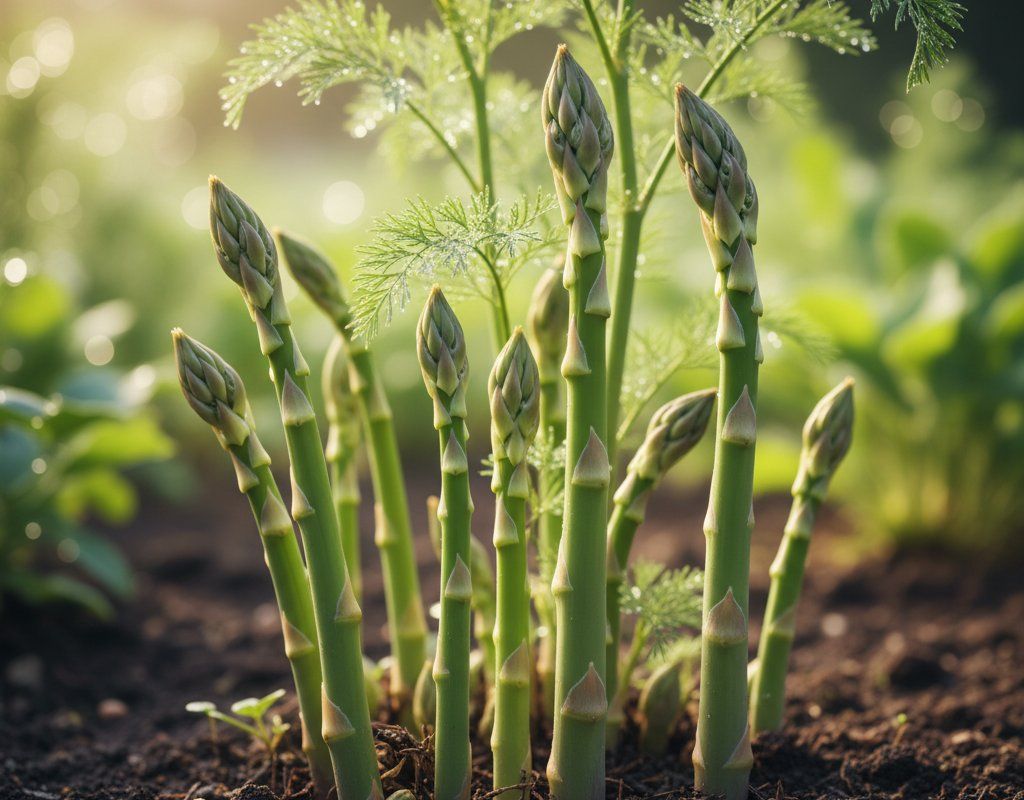



Companion Planting Details
Parsley makes an excellent companion for tomatoes, asparagus, and corn in Mountain gardens. The herb's deep taproot helps break up our often-compacted clay soils while its flowers (if you let it go to seed in year two) attract beneficial insects that help pollinate other crops and control pests. Plant parsley near tomatoes—it reportedly improves their flavor and helps repel some pest insects, plus the combination makes harvesting for cooking convenient.
Avoid planting parsley near lettuce, as both prefer similar soil conditions and will compete for nutrients and water in our dry climate. Keep it away from mint, which can become invasive and overwhelm the slower-growing parsley, especially in irrigated areas where mint thrives in our Mountain conditions.
🌸Best Flowers to Plant with Parsley
These flowers protect your Parsley from pests and attract pollinators for better harvests.
For Pest Control




Get a Reminder When It's Time to Plant
We'll email you when key planting windows open for your zone.