
Parsley in Zone 9B — Desert Southwest
Petroselinum crispum · Your Complete 2026 Planting Guide
You Can Still Sow!
Direct sowing window is open for Parsley.
Direct Sow Now
Parsley is slow to germinate (2-4 weeks). Soaking seeds helps.
How to Plant Parsley in Zone 9B — Desert Southwest
Here are all your options for getting parsley in the ground, from the easiest method to more advanced approaches.
Direct Sow Seeds
RecommendedLate January through late September
around January 22
Consider succession planting every 2-3 weeks for continuous harvest.
Parsley is slow to germinate (2-4 weeks). Soaking seeds helps.
Start Seeds Indoors
RecommendedMid November through mid December
around November 27
Then transplant: Late January through mid February
Start seeds 8-10 weeks before transplanting outdoors.
Start indoors 8-10 weeks early due to slow germination.
Buy Starts
Works WellLate January through mid February
around January 22
Plant purchased starts after last frost (February 5).
Transplant Outdoors
Timing InfoLate January through mid February
around January 22
Can tolerate light frost, but wait for soil to be workable.
You have a nice window — no need to rush.
Fall Planting
Late September through late October
October 13 ideal · Direct sow for fall harvest
Plant a second crop in mid-summer for fall harvest. Parsley actually prefers the cooling temperatures of fall.
Overview
Parsley thrives in our Desert Southwest climate, giving you fresh, vibrant herbs through both our growing seasons. Unlike store-bought parsley that wilts within days, homegrown varieties like Italian flat-leaf and curly parsley stay crisp and flavorful for weeks. In our arid climate, having a reliable source of fresh herbs becomes even more valuable since dried herbs lose their punch quickly in low humidity.
Our extreme heat and intense sun create challenges, but parsley's hardy nature and your timing make success manageable. With our 313-day growing season, you can grow parsley almost year-round, avoiding only the most brutal summer months. Plant during our mild winters and enjoy fresh harvests through spring, then again in fall when temperatures drop.
Starting Seeds Indoors
Starting parsley indoors works best if you want early spring transplants or precise timing for your first harvest. Start seeds in mid-November through mid-December, about 8 weeks before transplanting outdoors in late January. This timing lets you get ahead of our very-early spring growing season.
Set up seed trays in a warm spot since parsley needs consistent warmth to germinate. Use bottom watering to keep soil moist without disturbing the slow-emerging seeds. Parsley can take 2-4 weeks to germinate, so patience pays off here.
Provide grow lights or a sunny window once seedlings emerge. The indoor start method gives you more control during our unpredictable winter weather, ensuring strong transplants ready for our February planting window.
Transplanting Outdoors
Transplant your indoor-started parsley seedlings from late January through mid-February, when nighttime temperatures stay consistently above freezing. This timing takes advantage of our mild winter conditions and gets plants established before spring heat arrives.
Harden off seedlings gradually over one week by placing them outside for increasing periods daily. Start with 2-3 hours of morning sun, then build up to full outdoor exposure. Our desert sun can shock tender seedlings, so this gradual transition prevents transplant stress.
Space transplants 6-10 inches apart in prepared soil. Choose a location that gets morning sun but afternoon shade during warmer months. Water transplants thoroughly after planting and maintain consistent moisture while roots establish in our alkaline soil.
Direct Sowing
Direct sowing parsley works well in the Desert Southwest from late January through late September, though spring and fall plantings perform best. Soak seeds overnight before planting to speed up the notoriously slow germination process - this can cut your wait time from 3-4 weeks down to 2 weeks.
Plant seeds ¼ inch deep in well-amended soil, spacing them about 2 inches apart in rows. You'll thin later to final spacing of 6-10 inches. Our alkaline soil benefits from compost or sulfur amendments to improve growing conditions for parsley.
Keep soil consistently moist during the long germination period. In our arid climate, this means checking daily and possibly covering with shade cloth during hot spells. Fall sowings from late September through late October often germinate more reliably than summer attempts.
Watering Parsley in Zone 9B (Desert Southwest)
Parsley needs moderate, consistent moisture throughout our Desert Southwest growing seasons. Check soil moisture by inserting your finger 2 inches deep - if it's dry, it's time to water. During our mild winter growing period, this typically means watering 2-3 times per week with about ½ inch each time.
As temperatures climb in late spring, increase to daily watering, providing about 1 inch per week total. Our extreme summer heat and arid conditions mean parsley planted in late spring will need consistent moisture to survive until monsoon season arrives. Water at soil level rather than overhead to conserve moisture in our low-humidity environment.
During monsoon season, adjust your watering based on natural rainfall, but don't rely entirely on sporadic storms. Our clay and caliche soils can shed water quickly, so deep, slow watering works better than light, frequent applications. Watch for overwatering signs like yellowing leaves or mushy stems.
Apply a 2-inch layer of mulch around plants to conserve moisture and keep roots cool during temperature swings. Wood chips or shredded bark work well in our climate, breaking down slowly and improving our alkaline soil over time.
🧪Fertilizing Parsley
Feeding Schedule
Organic Fertilizer Options
Harvest Time
Expect your first parsley harvest in early April if you planted transplants in late January, or about 70 days from direct sowing. Look for stems with at least three full segments of leaves - this indicates the plant has enough energy stored to handle cutting.
Harvest by cutting outer stems at the base, not just the leaf tips. This method encourages new growth from the center crown and keeps your plant productive. Take no more than one-third of the plant at any single harvest to maintain healthy growth throughout our long growing season.
Parsley produces continuously through our mild fall and winter months, giving you fresh harvests until flowering begins in the second year. Regular harvesting actually encourages more leaf production and delays flowering, extending your harvest window.
As our first frost approaches in mid-December, harvest heavily and preserve excess by freezing whole stems or chopping and freezing in ice cube trays with water. Fresh parsley loses quality quickly in our low humidity, so preservation methods become especially valuable here.
Common Problems in Zone 9B (Desert Southwest)
Slow Germination Seeds take 2-4 weeks to sprout, and may appear to have failed completely before suddenly emerging. You'll see no activity for weeks, then tiny green loops appearing seemingly overnight. This extended timeline often leads Desert Southwest gardeners to overwater or give up too early.
Our alkaline soil and temperature fluctuations slow germination further. Soak seeds overnight before planting and maintain consistent soil moisture without waterlogging. Cover seed beds with shade cloth during hot spells to prevent soil from drying out completely.
Carrot Rust Fly Small dark flies hovering near plants signal trouble, followed by wilting foliage despite adequate watering. You'll eventually find rusty brown tunnels in roots and stunted growth. The larvae tunnel into parsley roots just like they do carrots, since both plants are in the same family.
These flies lay eggs near plant stems during our mild spring weather, and maggots develop in roots through summer. Use row covers during peak fly activity in spring, and interplant with onions whose scent confuses the pests. Avoid thinning during fly season since bruised leaves attract them.
Crown Rot The plant's center turns black and mushy, with outer leaves yellowing and collapsing. This typically happens during our monsoon season when poor drainage combines with high humidity around the soil surface. Over-mulching or planting in clay soil without amendments increases risk.
Our heavy clay and caliche layers trap moisture around plant crowns. Improve drainage with compost and plant in slightly raised beds. Water at soil level rather than overhead, and ensure good air circulation around plants during humid monsoon weather.
Desert Southwest Specific Challenges Our extreme heat and intense UV rays can cause leaf scald on parsley, especially during late spring and early summer plantings. The combination of arid conditions and alkaline soil stresses plants, making them more susceptible to all these problems. Plant during cooler months and provide afternoon shade to minimize heat stress.
Best Companions for Parsley
Plant these nearby for healthier Parsley and better harvests.
View Full Companion Planting Chart →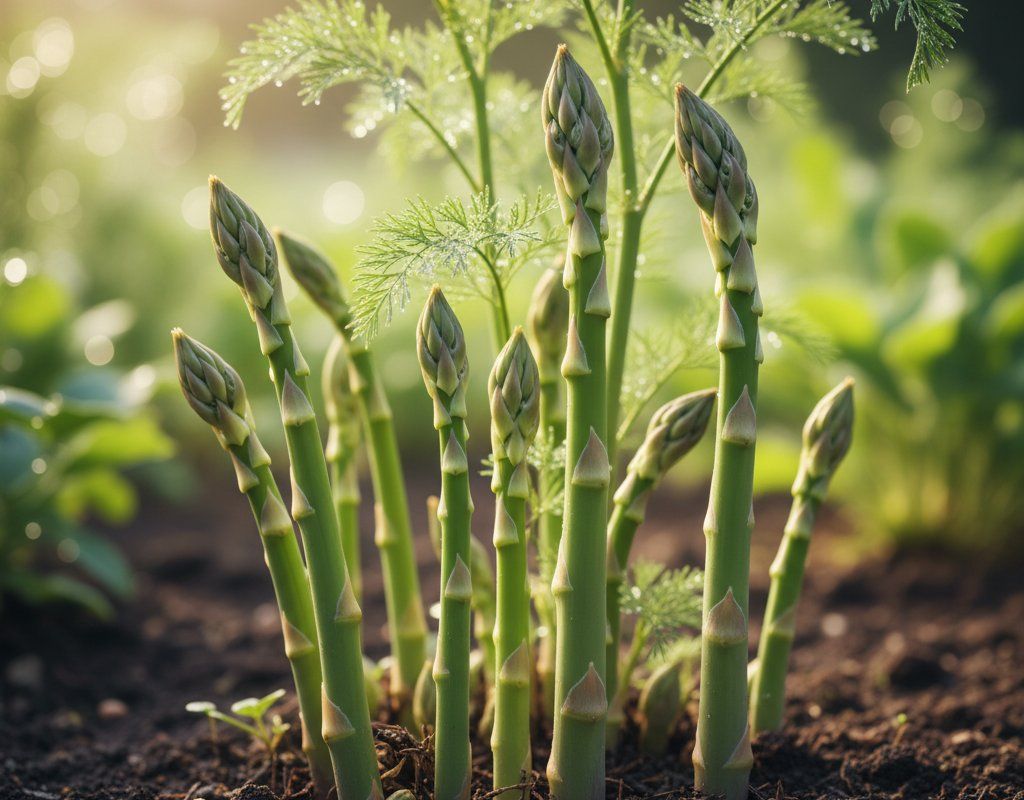



Companion Planting Details
Plant parsley near tomatoes, asparagus, and corn for mutual benefits in our Desert Southwest gardens. Tomatoes and parsley make excellent neighbors because parsley's deep taproot brings up nutrients that tomatoes can use, while tomatoes provide afternoon shade that parsley appreciates during our intense sun. Asparagus and parsley both prefer consistent moisture and can share irrigation zones effectively in our water-conscious region.
Avoid planting parsley near lettuce and mint in the Desert Southwest. Lettuce needs more frequent, shallow watering than parsley prefers, creating moisture management conflicts in our arid climate. Mint spreads aggressively and competes for the deep moisture that parsley needs to survive our extreme heat. Keep these plants in separate garden areas to maintain proper watering schedules for each.
🌸Best Flowers to Plant with Parsley
These flowers protect your Parsley from pests and attract pollinators for better harvests.
For Pest Control




Get a Reminder When It's Time to Plant
We'll email you when key planting windows open for your zone.