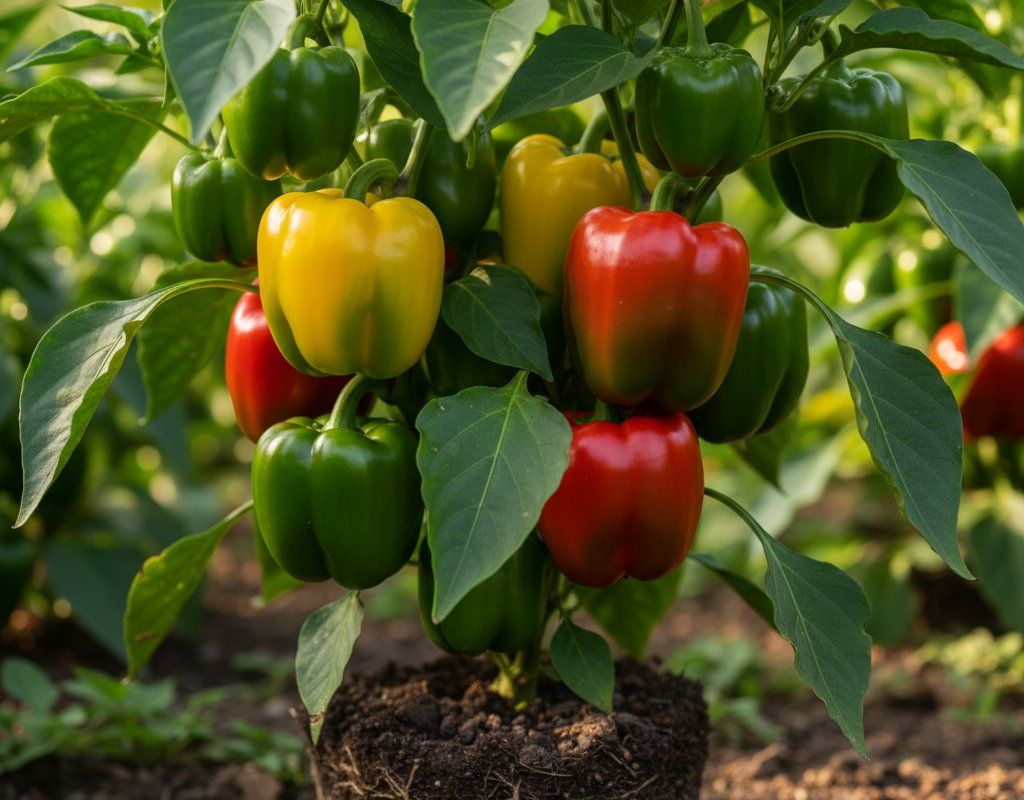
Bell Peppers in Zone 8B — Southeast
Capsicum annuum · Your Complete 2026 Planting Guide
Missed Seed Starting? No Problem!
Wait for starts to become available.
What to Do
Starts will be available at nurseries in 20 days (around March 24).
How to Plant Bell Peppers in Zone 8B — Southeast
Here are all your options for getting bell peppers in the ground, from the easiest method to more advanced approaches.
Start Seeds Indoors
RecommendedMid January through early February
around January 27
Then transplant: Late March through late April
Start seeds 8-10 weeks before transplanting outdoors.
Buy Starts
Works WellLate March through late April
around March 24
Plant purchased starts after last frost (March 10).
Direct Sow Seeds
ChallengingDirect sowing is not typical for Bell Peppers.
Transplant Outdoors
Timing InfoLate March through late April
around March 24
Wait until nighttime temperatures stay above 50°F.
You have a nice window — no need to rush.
Overview
Bell peppers are a must-grow in the Southeast. Their sweet, vibrant flavor shines in everything from summer salads to grilled skewers, and they're so rewarding to harvest from your own backyard. With our long summer and reliable rainfall, you can enjoy a continuous supply of these colorful beauties.
Of course, our hot and humid climate does present challenges, like disease pressure and the occasional Japanese beetle. But with some careful planning and attention to timing, you can easily overcome these hurdles and make the most of our 255-day growing season.
Starting Seeds Indoors
Starting your bell pepper seeds indoors from mid January through early February gives them a head start. This is especially important in our region, allowing you to get a jump on the growing season. Spring here in the Southeast is moderate, so you need to be ready to go as soon as the weather warms up.
Use seed trays with a good seed-starting mix. Provide warmth with a heat mat and plenty of light with grow lights. Don't forget to water from the bottom to encourage strong root growth!
Transplanting Outdoors
Transplant your bell pepper seedlings outdoors from late March through late April, once the danger of frost has passed. Before planting, harden them off by gradually exposing them to outdoor conditions for about a week. This helps them adjust to the sun and wind.
Space your plants about 18-24 inches apart in well-drained soil. Even though we have a long growing season, late freezes can happen, so check the forecast before you plant!
Watering Bell Peppers in Zone 8B (Southeast)
Consistent watering is key to plump, thick-walled bell peppers here in the Southeast. Our summers are hot and humid, but afternoon thunderstorms can be spotty. You can't always rely on the rain. Aim to give your pepper plants about 1-2 inches of water per week, depending on rainfall.
Stick your finger about 2 inches deep into the soil – if it feels dry, it's time to water. Water at the base of the plant to avoid wetting the leaves, which can encourage fungal diseases in our humid climate.
Signs of underwatering include wilting leaves and blossom drop. Overwatering can lead to yellowing leaves and root rot. A good layer of mulch, like pine straw or shredded hardwood, helps retain moisture and regulate soil temperature, which is a big help with our clay soil.
Supporting Your Bell Peppers
Bell pepper plants can get heavy with fruit, so providing support is a good idea, especially after those summer thunderstorms roll through. A simple stake and some soft twine work wonders. You can also use tomato cages for extra stability.
Install the supports at planting time to avoid disturbing the roots later. As the plant grows, gently tie the main stem to the stake to keep it upright. This prevents branches from breaking and keeps the fruit off the ground.
Pruning & Maintaining Bell Peppers
Pinching off the first few flowers that appear on your bell pepper plants encourages them to focus on vegetative growth, resulting in a stronger, more productive plant later on. Throughout the season, remove any fruit that's touching the ground to prevent rot.
Also, prune away some of the interior branches to improve airflow and reduce the risk of fungal diseases, which can be a real problem in our humid climate. As the first frost approaches around mid- November, you can remove any remaining small peppers to encourage the plant to put its energy into ripening the larger ones.
🧪Fertilizing Bell Peppers
Feeding Schedule
Organic Fertilizer Options
Harvest Time
You can expect your first harvest of bell peppers from early June through late July, about 70 days after transplanting. Green peppers are immature and have a slightly bitter taste. For the sweetest flavor, wait until they turn their full color – red, yellow, or orange.
To harvest, use pruning shears or a sharp knife to cut the pepper from the plant, leaving about an inch of stem attached. Regular harvesting encourages the plant to produce more peppers. As the season winds down and frost threatens, you can harvest any remaining green peppers and ripen them indoors in a paper bag.
Common Problems in Zone 8B (Southeast)
Here are some common problems you might encounter with bell peppers in the Southeast:
Blossom End Rot
- What it looks like: A sunken, dark brown or black leathery patch on the bottom of the pepper.
- What causes it: Inconsistent watering leads to calcium deficiency. Our clay soil can make drainage tricky, and fluctuating rainfall doesn't help.
- How to fix/prevent it: Water consistently, especially during dry spells. Mulch heavily to maintain even soil moisture. Avoid over-fertilizing with nitrogen.
Blossom Drop
- What it looks like: Flowers fall off without setting fruit. Small fruit yellows and drops.
- What causes it: High temperatures and humidity. Bell peppers struggle to set fruit when nights stay above 75°F or days exceed 95°F, which happens often during our long summer.
- How to fix/prevent it: Provide afternoon shade during extreme heat. Keep plants well-watered. Try hand-pollination.
Aphids
- What it looks like: Clusters of tiny green, black, or white insects on stems and leaf undersides. Sticky honeydew residue.
- What causes it: Rapidly reproducing sap-sucking insects thrive in warm weather.
- How to fix/prevent it: Knock them off with a strong water spray. Encourage ladybugs and lacewings. Use insecticidal soap or neem oil for heavy infestations.
Sunscald
- What it looks like: White, papery patches on fruit exposed to direct sun.
- What causes it: Intense sunlight on fruit, often after leaves are lost to disease or over-pruning.
- How to fix/prevent it: Don't over-prune foliage. Use shade cloth in extreme heat.
Southeast Specific Challenges: Our hot and humid summers create the perfect environment for fungal diseases like early blight and Septoria leaf spot. Good airflow, proper watering techniques, and disease-resistant varieties are crucial for success with bell peppers in our region.
Best Companions for Bell Peppers
Plant these nearby for healthier Bell Peppers and better harvests.


Keep Away From

Companion Planting Details
Companion planting can be a big help in the Southeast.
- Good companions:
- Tomatoes: They enjoy similar growing conditions and don't compete for resources.
- Basil: It repels pests like aphids and whiteflies.
- Carrots: They loosen the soil and attract beneficial insects.
- Onions: They deter pests like aphids and Japanese beetles.
- Spinach: It provides ground cover, suppressing weeds and keeping the soil cool.
- Bad companions:
- Fennel: It inhibits the growth of many plants.
- Kohlrabi: It can stunt the growth of bell peppers.
- Brassicas (cabbage, broccoli, cauliflower): They compete for nutrients and attract similar pests.
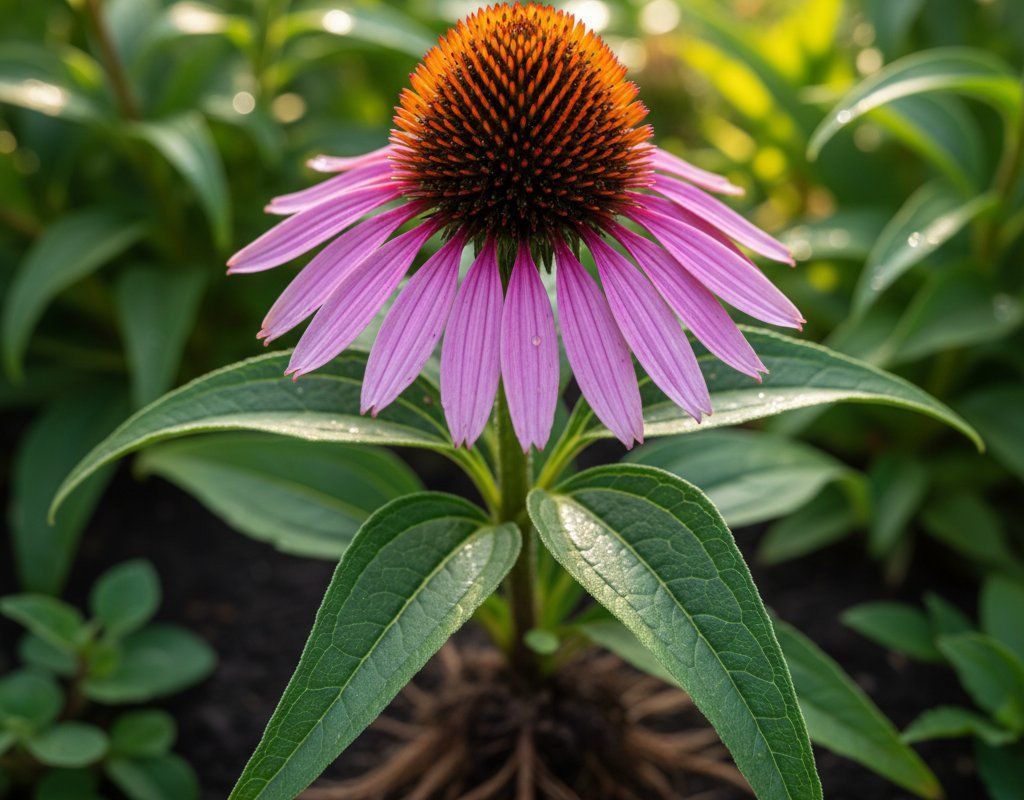
🌸Best Flowers to Plant with Bell Peppers
These flowers protect your Bell Peppers from pests and attract pollinators for better harvests.
For Pest Control







Get a Reminder When It's Time to Plant
We'll email you when key planting windows open for your zone.