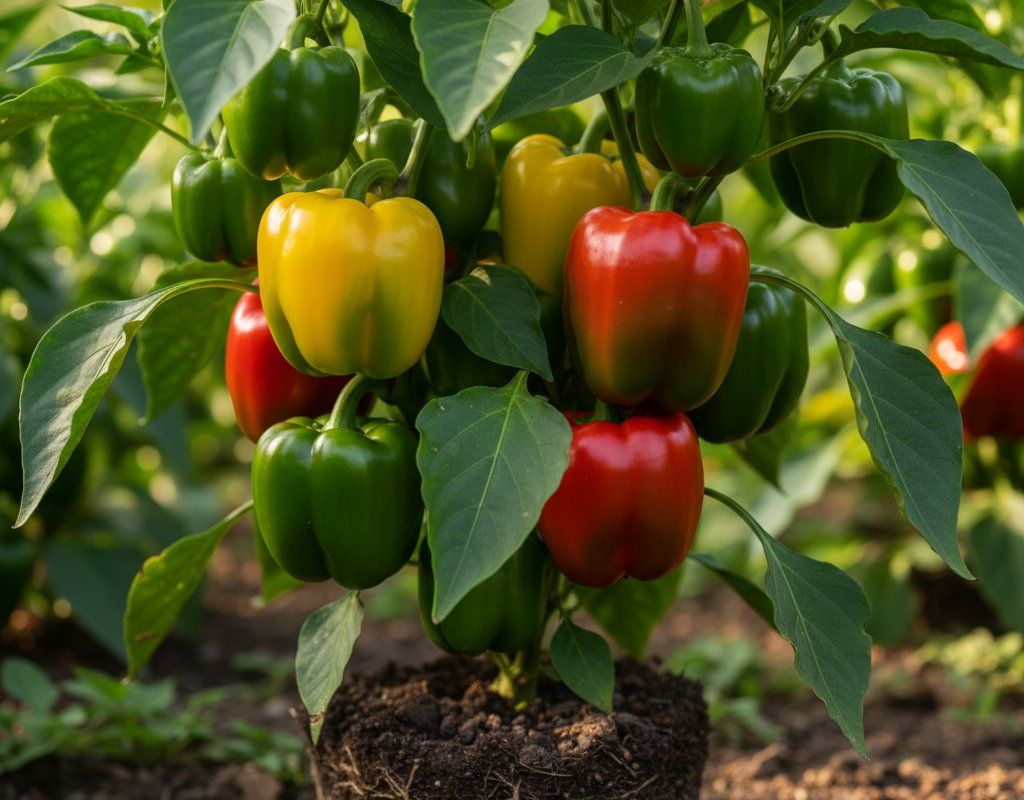
Bell Peppers in Zone 9B — Gulf Coast
Capsicum annuum · Your Complete 2026 Planting Guide
Time to Buy Starts!
Seed starting window passed, but starts are available now.
Buy Starts Now
Head to your local nursery, Home Depot, or farmers market for transplants.
- Look for stocky plants with dark green leaves
- Avoid leggy seedlings or plants already flowering
- Check that roots aren't circling the pot (rootbound)
How to Plant Bell Peppers in Zone 9B — Gulf Coast
Here are all your options for getting bell peppers in the ground, from the easiest method to more advanced approaches.
Start Seeds Indoors
RecommendedMid December through early January
around December 19
Then transplant: Mid February through mid March
Start seeds 8-10 weeks before transplanting outdoors.
Buy Starts
Works WellMid February through mid March
around February 13
Plant purchased starts after last frost (January 30).
Direct Sow Seeds
ChallengingDirect sowing is not typical for Bell Peppers.
Transplant Outdoors
Timing InfoMid February through mid March
around February 13
Wait until nighttime temperatures stay above 50°F.
You have a nice window — no need to rush.
Overview
Bell Peppers thrive in our long Gulf Coast growing season, offering sweet, crisp flavor straight from the garden. Their versatility in the kitchen is unmatched, and there's a special satisfaction in harvesting your own colorful peppers, especially after nurturing them through our unique climate.
Sure, we face challenges like high humidity and potential hurricanes, but careful timing and smart gardening practices make growing bell peppers here entirely doable. With our extended 319-day growing season, there's plenty of time to get a great harvest.
Starting Seeds Indoors
Starting Bell Pepper seeds indoors gives you a head start in our early spring. Begin in mid-December through early January, about eight weeks before you plan to transplant. You'll need seed trays, a warm location (a heat mat helps), and a good grow light.
Sow seeds about ¼ inch deep in a seed-starting mix. Keep the soil consistently moist, and bottom watering is a great way to prevent damping off. Since our spring can arrive early, this indoor start is key to maximizing your pepper production.
Transplanting Outdoors
Transplant your Bell Pepper seedlings outdoors from mid February through mid March. Before transplanting, harden them off by gradually exposing them to outdoor conditions for about a week. This helps them adjust to the sun and wind.
Space plants 18-24 inches apart in well-drained soil. Keep an eye on the weather forecast — late cold snaps can still happen, so be ready to cover your young plants if needed.
Watering Bell Peppers in Zone 9B (Gulf Coast)
Consistent watering is crucial for Bell Peppers here in the Gulf Coast, especially with our high humidity and tendency for afternoon storms. Aim for consistent moisture to encourage thick-walled fruit and prevent problems like blossom end rot. Stick your finger about two inches deep into the soil — if it feels dry, it's time to water.
During the hotter months, your peppers will likely need about 1-2 inches of water per week, either from rainfall or irrigation. Water at the base of the plant to avoid wetting the leaves, which can encourage fungal diseases in our humid climate. Yellowing leaves can indicate overwatering, while wilting leaves signal underwatering. A good layer of mulch helps retain moisture and regulate soil temperature.
Supporting Your Bell Peppers
While not always necessary, providing support for your Bell Pepper plants can prevent branches from breaking under the weight of heavy fruit. A simple stake works best. Drive a sturdy stake into the ground near the plant at transplant time, being careful not to damage the roots.
As the plant grows, gently tie the main stem to the stake with soft twine or plant ties. This is especially helpful in windy areas or as the peppers begin to mature and weigh down the branches.
Pruning & Maintaining Bell Peppers
Pinching off the first few flowers that appear on your Bell Pepper plants encourages the plant to focus its energy on vegetative growth, resulting in a stronger plant and a larger overall yield. Throughout the season, remove any peppers that touch the ground to prevent rot.
Also, prune some of the interior branches to improve airflow and reduce humidity within the plant canopy — this helps combat fungal diseases, which are a common concern in our humid climate. As the first frost approaches around mid- December, you can remove smaller, immature peppers to encourage the plant to put its energy into ripening the larger ones.
🧪Fertilizing Bell Peppers
Feeding Schedule
Organic Fertilizer Options
Harvest Time
You can expect your first Bell Pepper harvest from late April through mid June, about 70 days after transplanting. Peppers can be harvested green at the immature stage, but they'll be sweetest and most flavorful when allowed to ripen fully to their mature color (red, yellow, or orange).
Gently twist or cut the pepper from the plant, leaving a short piece of stem attached. Regular harvesting encourages continued production, so pick peppers as they ripen. If a frost threatens before all your peppers have ripened, you can harvest them and allow them to ripen indoors in a warm, well-lit location.
Common Problems in Zone 9B (Gulf Coast)
Bell Peppers can face a few common problems in our Gulf Coast gardens:
- Blossom end rot:
- What it looks like: A dark, sunken spot on the bottom of the pepper.
- What causes it: Inconsistent watering leads to calcium deficiency, common with our cycles of heavy rain and dry spells.
- How to fix/prevent it: Water consistently, especially during dry periods. Mulch well to retain moisture. Remove affected peppers.
- Blossom drop:
- What it looks like: Flowers fall off without setting fruit, especially during hot spells.
- What causes it: High temperatures (especially warm nights) and humidity interfere with pollination.
- How to fix/prevent it: Be patient – fruit set will resume when temperatures cool slightly. Provide afternoon shade. Ensure adequate watering.
- Aphids:
- What it looks like: Tiny green, black, or white bugs clustered on stems and under leaves.
- What causes it: Rapid reproduction in warm weather.
- How to fix/prevent it: Blast them off with a strong stream of water. Introduce beneficial insects like ladybugs. Use insecticidal soap or neem oil if needed.
- Sunscald:
- What it looks like: White or tan patches on the pepper surface, usually on the side facing the sun.
- What causes it: Intense sun exposure, often after pruning or leaf loss.
- How to fix/prevent it: Avoid over-pruning. Use shade cloth during the hottest part of the day.
Gulf Coast Specific Challenges: Our high humidity creates a breeding ground for fungal diseases, so good air circulation is key. Consistent watering is vital to avoid blossom end rot, but be mindful of overwatering, especially during our rainy season.
Best Companions for Bell Peppers
Plant these nearby for healthier Bell Peppers and better harvests.


Keep Away From

Companion Planting Details
Companion planting can help your Bell Peppers thrive in our Gulf Coast gardens. Tomatoes are excellent companions, as they share similar needs and can provide some shade. Basil repels pests like aphids and whiteflies while improving the flavor of your peppers. Carrots and onions deter soil-borne pests. Spinach, planted around the base of pepper plants, helps retain moisture in our sandy soils.
Avoid planting fennel, kohlrabi, or brassicas (like cabbage and broccoli) near your peppers. Fennel inhibits the growth of many plants, while kohlrabi and brassicas compete for nutrients and attract pests that can also affect your peppers.
🌸Best Flowers to Plant with Bell Peppers
These flowers protect your Bell Peppers from pests and attract pollinators for better harvests.
For Pest Control








Get a Reminder When It's Time to Plant
We'll email you when key planting windows open for your zone.