
Ghost Pepper in Zone 8A — Northern California
Capsicum chinense 'Bhut Jolokia' · Your Complete 2026 Planting Guide
Missed Seed Starting? No Problem!
Wait for starts to become available.
What to Do
Starts will be available at nurseries in 27 days (around March 31).
How to Plant Ghost Pepper in Zone 8A — Northern California
Here are all your options for getting ghost pepper in the ground, from the easiest method to more advanced approaches.
Start Seeds Indoors
RecommendedLate December through mid January
around January 6
Then transplant: Late March through late April
Start seeds 12-14 weeks before transplanting outdoors.
Ghost peppers need 12+ weeks. Very slow to germinate — use heat mat.
Buy Starts
Works WellLate March through late April
around March 31
Plant purchased starts after last frost (March 10).
Direct Sow Seeds
ChallengingDirect sowing is not typical for Ghost Pepper.
Transplant Outdoors
Timing InfoLate March through late April
around March 31
Wait until nighttime temperatures stay above 50°F.
Plan to transplant within a few weeks of your target date.
Overview
Ghost peppers pack an incredible punch, and in our Zone 8A Northern California gardens, you can absolutely coax them to thrive. The intense heat adds a thrilling dimension to salsas, sauces, and even infused oils, letting you savor the fruits of your labor all year long. Plus, there's a real satisfaction in nurturing these fiery beauties in your own backyard, showing off your green thumb to friends and neighbors.
We NorCal gardeners are no strangers to challenges like drought and unpredictable weather, but don't let that deter you. With a little planning and attention, you can work with our long 255-day growing season to get a fantastic harvest. The key is timing, and we'll walk you through it.
Starting Seeds Indoors
Starting ghost pepper seeds indoors is essential for us here in Northern California. Get those seeds going late December through mid January, about 12 weeks before you plan to transplant them outdoors. Ghost peppers are notoriously slow to germinate, so be patient and use a heat mat to keep the soil temperature consistently warm.
Use seed trays with a good seed-starting mix. Keep the soil consistently moist, but not soggy. A great tip is to water from the bottom by placing the tray in a shallow dish of water and letting the soil absorb it. Once the seedlings emerge, provide them with plenty of light – a grow light works wonders. Given our early springs, starting seeds indoors ensures your plants are strong and ready to take advantage of our long growing season.
Transplanting Outdoors
Transplant your ghost pepper seedlings outdoors late March through late April, once the danger of frost has passed and the soil has warmed up. Before planting them in the ground, harden them off by gradually exposing them to outdoor conditions for about a week. This helps them adjust to the sun and wind, preventing transplant shock.
When planting, space them 24-36 inches apart to give them plenty of room to grow. Even in late March and early April, we can still get some cool nights, so keep an eye on the forecast and be prepared to cover your seedlings if a cold snap is predicted.
Watering Ghost Pepper in Zone 8A (Northern California)
Consistent watering is key to growing healthy ghost peppers in our Northern California climate, especially during our dry summers. While they need consistent moisture, they definitely don't like being waterlogged. Check the soil moisture about 2 inches deep – if it feels dry, it's time to water.
During the cooler spring months, you might only need to water once or twice a week, giving them about an inch of water each time. As the weather heats up in the summer, increase the frequency to every other day, or even daily, depending on how quickly the soil dries out. Aim for about 1-2 inches of water per week during peak heat. Water at the base of the plant to avoid wetting the foliage, which can lead to fungal diseases, even in our low humidity.
Signs of underwatering include wilting leaves and stunted growth. Overwatering, on the other hand, can cause yellowing leaves and root rot. A good layer of mulch around the base of the plants will help retain moisture in the soil and keep the roots cool during those hot summer months, which is a must-have in our dry climate.
Supporting Your Ghost Pepper
Ghost pepper plants can get quite large and bushy, especially when loaded with fruit, so providing them with support is essential. Staking is the best option – use sturdy stakes made of wood or metal that are at least 4-5 feet tall.
Install the stakes at planting time, placing them a few inches away from the stem. As the plant grows, gently tie the main stem and any heavy branches to the stake using soft plant ties. This will prevent the branches from breaking under the weight of the peppers, especially during windy conditions. Our microclimates can bring unexpected gusts, so securing your peppers is a smart move.
Pruning & Maintaining Ghost Pepper
Pruning ghost peppers can help encourage bushier growth and improve fruit production. Pinch off any early flowers that appear in the first 8-10 weeks after transplanting. This allows the plant to focus its energy on developing a strong root system and foliage before setting fruit.
Throughout the growing season, you can also remove any yellowing or dead leaves to improve air circulation and prevent disease. As we approach the first frost around mid- November, pinch off any new flowers that appear. This will encourage the plant to ripen the existing peppers before the cold weather arrives, maximizing your harvest.
🧪Fertilizing Ghost Pepper
Feeding Schedule
Organic Fertilizer Options
Harvest Time
You can expect your first ghost pepper harvest late July through early September, depending on the weather and how well your plants have grown. The peppers are ready to harvest when they turn from green to red (or orange/chocolate, depending on the variety) and the skin becomes wrinkled and textured. Ripe peppers will also have an intense aroma.
To harvest, use pruning shears or scissors to cut the pepper from the plant, leaving a small stem attached. Be careful not to damage the plant or the other peppers. Regularly harvesting ripe peppers will encourage the plant to continue producing throughout the season. As our first frost approaches in mid- November, harvest any remaining peppers, even if they are still green. They can ripen indoors if you place them in a warm, sunny spot.
Common Problems in Zone 8A (Northern California)
Here are some common problems you might encounter growing ghost peppers in Northern California:
- Slow Germination
- What it looks like: Seeds take a very long time (3-4 weeks, sometimes longer) to sprout, or don't sprout at all.
- What causes it: Ghost pepper seeds need warm soil temperatures (80-85°F) to germinate properly. Our early spring temperatures can fluctuate, causing inconsistent germination.
- How to fix/prevent it: Use a heat mat under your seed trays to maintain consistent soil warmth. Soak seeds in warm water for 12-24 hours before planting to help soften the seed coat.
- Long Season Requirement
- What it looks like: Plants grow slowly and don't produce peppers until late in the season, or not at all before the first frost.
- What causes it: Ghost peppers require a long growing season (120 days) to mature. Our Mediterranean climate with dry summers and mild winters provides a decent window, but starting seeds late can shorten the growing season too much.
- How to fix/prevent it: Start seeds indoors early (late December through mid January) to give them a head start. Choose a location with full sun (6-8 hours) to maximize growth.
- Aphids
- What it looks like: Clusters of tiny soft-bodied insects (green, black, or white) on stems and leaf undersides. Sticky honeydew residue. Curled or distorted new growth.
- What causes it: Rapid-reproducing sap-sucking insects. Populations explode in warm weather. Ant colonies may farm them for honeydew.
- How to fix/prevent it: Strong water spray knocks them off. Encourage ladybugs and lacewings (natural predators). Insecticidal soap for heavy infestations. Neem oil works systemically. Avoid excess nitrogen fertilizer (it attracts them).
- Sunscald
- What it looks like: White, papery patches on fruit exposed to direct sun. Affected areas may blister and become susceptible to rot.
- What causes it: Intense, direct sunlight on fruit — usually after leaves are removed or lost to disease, suddenly exposing previously shaded fruit.
- How to fix/prevent it: Don't over-prune foliage. Use shade cloth in extreme heat. Maintain healthy foliage to shade fruit naturally. If fruit is already exposed, drape a small piece of row cover over it.
Northern California Specific Challenges: Our moderate-to-hot heat and dry summer conditions can stress ghost pepper plants, making them more susceptible to pests and diseases. Consistent watering and providing shade during the hottest part of the day can help mitigate these issues. Remember that water restrictions may also be in place, so be mindful of your water usage and consider using water-wise gardening techniques.
Best Companions for Ghost Pepper
Plant these nearby for healthier Ghost Pepper and better harvests.



Keep Away From

Companion Planting Details
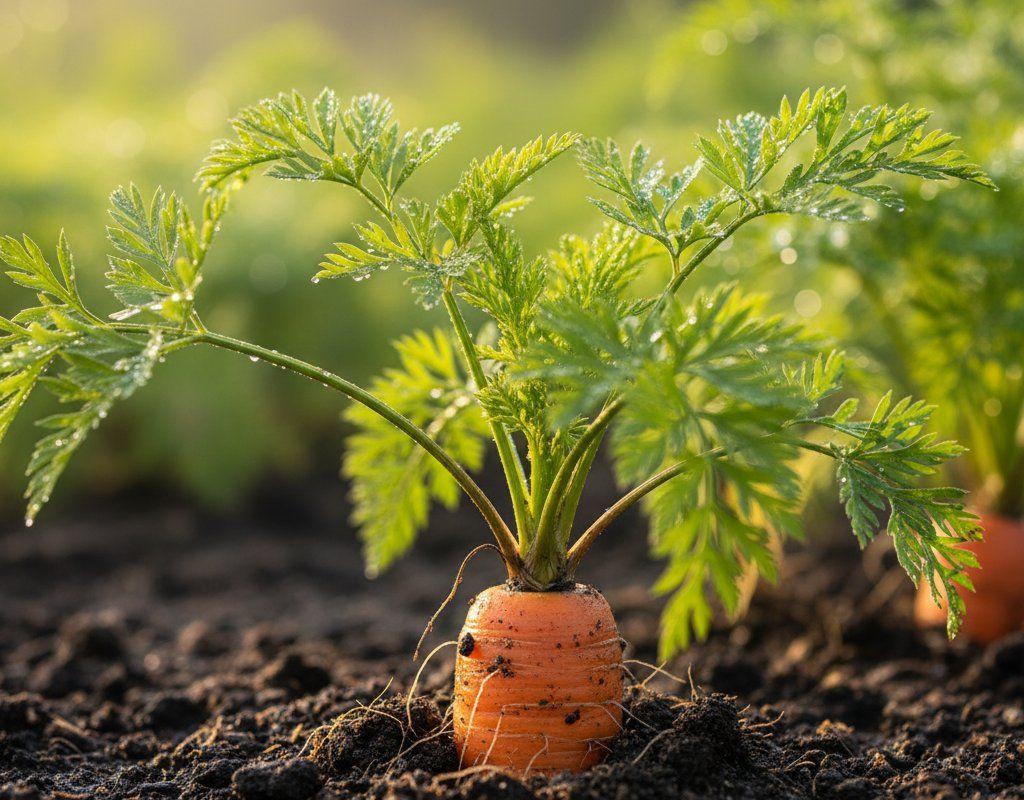
Companion planting can really boost your ghost pepper's growth here in Northern California. Tomatoes are great companions because they enjoy similar growing conditions – full sun and well-drained soil. Basil is another excellent choice, as it repels pests like aphids and whiteflies, which can be a problem in our warm climate.
Carrots and onions are also beneficial companions because they help deter soil-borne pests and improve soil health. Avoid planting fennel near your ghost peppers, as it can inhibit their growth. Brassicas like broccoli and cabbage can also attract pests that will bother your peppers, so keep them separated.
🌸Best Flowers to Plant with Ghost Pepper
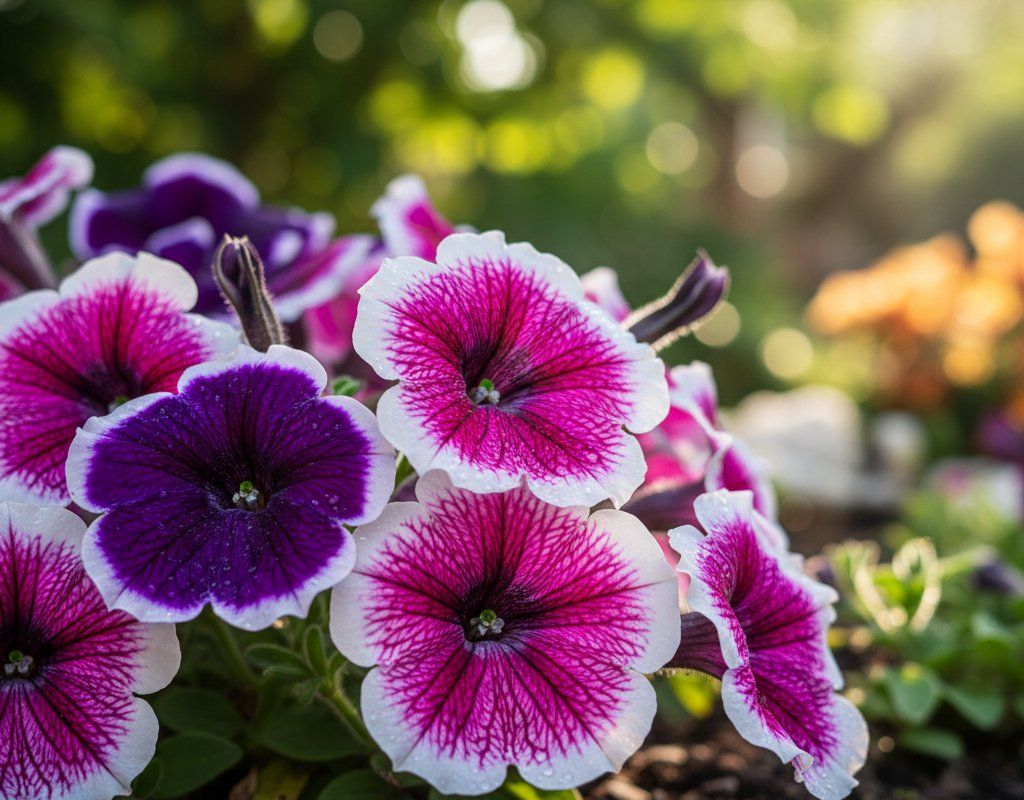
These flowers protect your Ghost Pepper from pests and attract pollinators for better harvests.
For Pest Control



Get a Reminder When It's Time to Plant
We'll email you when key planting windows open for your zone.