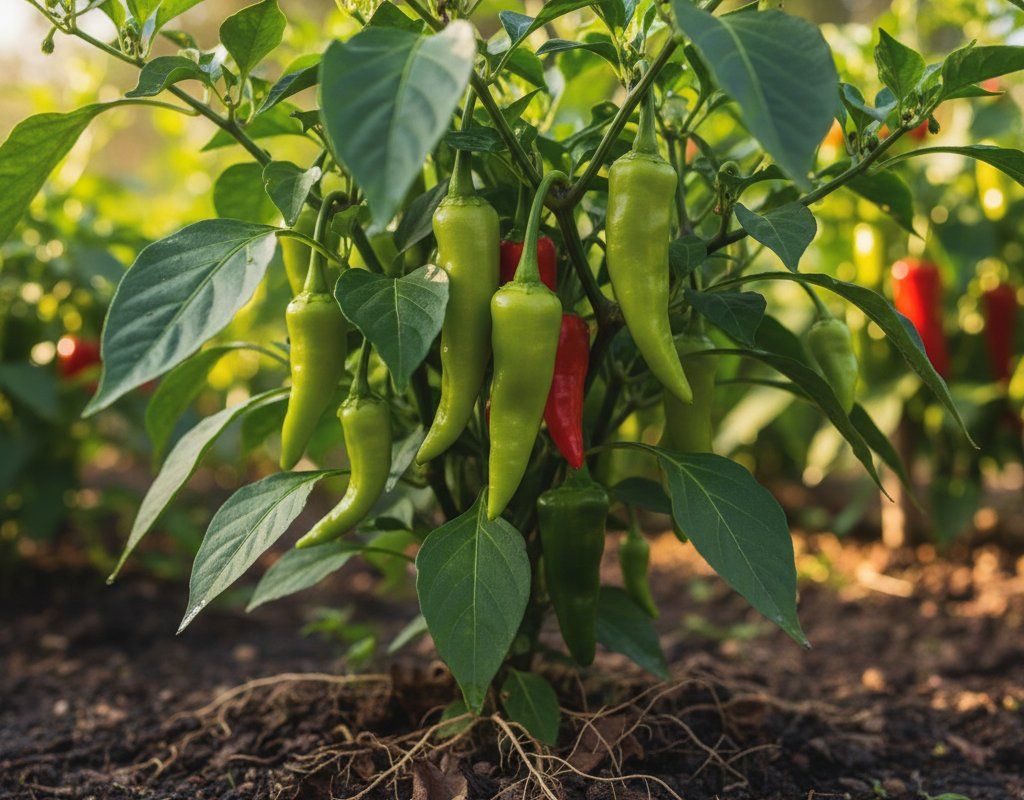
Serrano Peppers in Zone 5B — Northeast
Capsicum annuum · Your Complete 2026 Planting Guide
Planning Ahead — Great!
You’re ahead of the season. Here’s when to start.
Mark Your Calendar
How to Plant Serrano Peppers in Zone 5B — Northeast
Here are all your options for getting serrano peppers in the ground, from the easiest method to more advanced approaches.
Start Seeds Indoors
RecommendedEarly to late March
around March 14
Then transplant: Early May through early June
Start seeds 8-10 weeks before transplanting outdoors.
Buy Starts
Works WellEarly May through early June
around May 9
Plant purchased starts after last frost (April 25).
Direct Sow Seeds
ChallengingDirect sowing is not typical for Serrano Peppers.
Transplant Outdoors
Timing InfoEarly May through early June
around May 9
Wait until nighttime temperatures stay above 50°F.
You have a nice window — no need to rush.
Overview
Serrano peppers are a fantastic choice for Northeast gardeners looking to add some spice to their lives. Their manageable size and relatively quick maturity mean you can reliably harvest a fiery crop even with our short growing season and cool nights that concentrate flavors. Plus, they're incredibly versatile in the kitchen, perfect for salsas, hot sauces, or adding a kick to your favorite dishes.
Our Northeast climate certainly presents challenges, with the risk of late spring frosts and the inevitability of early fall frosts. But by starting your serranos indoors and carefully timing your transplant, you can make the most of our roughly 168-day growing season and enjoy a bountiful harvest.
Starting Seeds Indoors
To get a head start on the season, begin sowing your serrano pepper seeds indoors in early to late March, about 8 weeks before you plan to transplant them outside. Use seed starting trays filled with a good quality seed starting mix. Keep the trays consistently moist, and consider bottom watering to avoid damping off.
Provide warmth, ideally around 75-80°F, using a heat mat. Once seedlings emerge, they'll need plenty of light. A sunny south-facing window might work, but a grow light is a more reliable option, especially given our often-cloudy springs. Remember, spring here in the Northeast can be late, so don't be tempted to rush things!
Transplanting Outdoors
Transplant your serrano pepper seedlings outdoors from early May through early June, once the danger of frost has passed and the soil has warmed up. Before planting directly into your garden, be sure to harden off your seedlings by gradually exposing them to outdoor conditions for about a week.
Space your plants 18-24 inches apart in a sunny spot with well-drained soil. Keep an eye on the weather forecast; a late frost is always possible in early May. Be ready to cover your young plants if needed, since cool soil can stunt growth.
Watering Serrano Peppers in Zone 5B (Northeast)
Serrano peppers need consistent moisture, but they don't like to be waterlogged. Given our moderate-to-humid summers and even rainfall, you'll need to pay attention to soil moisture levels. The "finger test" is your friend: stick your finger about 2 inches deep into the soil. If it feels dry, it's time to water.
Aim for about 1 inch of water per week, either from rainfall or supplemental watering. It's generally best to water at the base of the plant to avoid getting the foliage wet, which can encourage fungal diseases in our humid climate. However, overhead watering in the morning can help knock off pests.
Signs of underwatering include wilting leaves and blossom drop. Overwatering can lead to yellowing leaves and root rot. A layer of mulch, like straw or shredded leaves, will help retain moisture and suppress weeds.
Supporting Your Serrano Peppers
Serrano pepper plants can become quite prolific, loaded with peppers, which can sometimes cause the stems to bend or break. While not strictly necessary, providing support is a good idea, especially if you're aiming for a big harvest.
Staking is a simple and effective option. Insert a sturdy stake near each plant at planting time and gently tie the main stem to the stake as it grows. Tomato cages also work well, providing all-around support. The key is to install the support early, before the plant gets too large and unwieldy.
Pruning & Maintaining Serrano Peppers
Pinching off the early flowers on your serrano pepper plants is a great strategy for boosting overall yields. By removing the first few flower buds, you encourage the plant to focus its energy on vegetative growth, resulting in a stronger, more productive plant later in the season.
Do this when the plants are still young, before they start producing a lot of flowers. As the end of the season approaches, typically around early October in the Northeast, you can remove any new flowers that are unlikely to ripen before the first frost. This will help the plant focus on ripening the existing peppers.
🧪Fertilizing Serrano Peppers
Feeding Schedule
Organic Fertilizer Options
Harvest Time
You can expect your first serrano pepper harvest in late July through mid September, about 80 days after transplanting. Serranos can be harvested green for a milder heat or left to ripen to red for a fuller, more intense flavor.
The peppers should be firm and glossy when they're ready to pick. Use pruners or scissors to cut the peppers from the plant, leaving a small piece of stem attached. This will help prevent damage to the plant and extend its productive life.
Serrano peppers are continuous producers, so keep harvesting regularly to encourage more fruit set. As the first frost approaches in early October, harvest all remaining peppers, even the green ones. They will ripen indoors if stored in a warm, well-lit place.
Common Problems in Zone 5B (Northeast)
Here are some common problems you might encounter with your serrano peppers in the Northeast:
Blossom Drop
- What it looks like: Flowers fall off without setting fruit, or small fruit yellows and drops. The plant looks healthy but produces no peppers.
- What causes it: Temperature stress is the main culprit. Although our summers are moderate, we can still get periods of high heat or significant temperature swings, especially during the flowering period. Low humidity, excess nitrogen, or poor pollination can also contribute.
- How to fix/prevent it: Be patient; fruit set usually resumes when temperatures moderate. Provide afternoon shade during heat waves. Keep plants well-watered, but avoid over-fertilizing with nitrogen. Gently shake the plants to encourage pollination.
Aphids
- What it looks like: Clusters of tiny green, black, or white insects on stems and leaf undersides. Sticky honeydew residue and curled or distorted new growth.
- What causes it: Rapid-reproducing sap-sucking insects. Populations explode in warm weather.
- How to fix/prevent it: Strong water spray to knock them off. Encourage natural predators like ladybugs. Insecticidal soap works well. Avoid excess nitrogen fertilizer, which attracts them.
Spider Mites
- What it looks like: Fine stippling on leaves (tiny white dots). Fine webbing on leaf undersides and between stems. Leaves turn bronze or yellow.
- What causes it: Tiny arachnids that thrive in hot, dry conditions.
- How to fix/prevent it: Strong water spray (daily for a week) is effective. Increase humidity around plants. Neem oil or insecticidal soap can also help.
Bacterial Spot
- What it looks like: Small, dark, water-soaked spots on leaves, stems, and fruit. Spots may have a yellow halo. Infected leaves may turn yellow and drop. Fruit spots become raised and scabby.
- What causes it: A bacterial disease that spreads through splashing water, infected seeds, and handling wet plants. Warm, humid conditions favor disease development.
- How to fix/prevent it: Remove and destroy infected leaves and fruit. Avoid overhead watering. Improve air circulation around plants. Apply copper-based fungicide as a preventative measure. Use certified disease-free seeds.
Northeast Specific Challenges: Our moderate heat and moderate-to-humid humidity mean that while we avoid the extremes of other regions, we still need to be vigilant about temperature stress and fungal diseases. Consistent monitoring and prompt action are key to keeping your serrano pepper plants healthy and productive.
Best Companions for Serrano Peppers
Plant these nearby for healthier Serrano Peppers and better harvests.

Keep Away From

Companion Planting Details
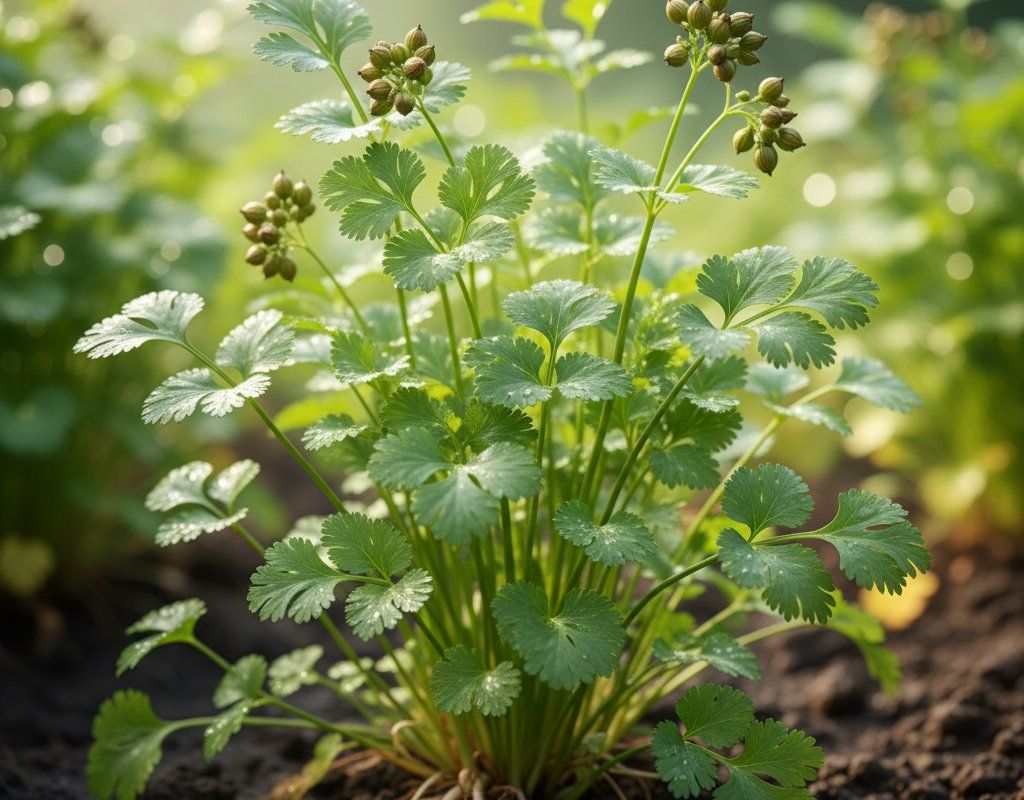
Companion planting can be a great way to enhance your serrano pepper crop in the Northeast. Tomatoes make excellent companions, as they share similar growing requirements and can provide some shade during the hottest part of the day. Basil is another great choice, as it repels pests and is said to improve the flavor of peppers. Carrots and cilantro can also be beneficial, attracting beneficial insects that prey on pests.
Avoid planting fennel near your serrano peppers, as it inhibits the growth of many plants. Kohlrabi is also best kept separate, as it can stunt the growth of peppers. By choosing the right companions, you can create a thriving and productive garden ecosystem.
🌸Best Flowers to Plant with Serrano Peppers
These flowers protect your Serrano Peppers from pests and attract pollinators for better harvests.
For Pest Control

Get a Reminder When It's Time to Plant
We'll email you when key planting windows open for your zone.