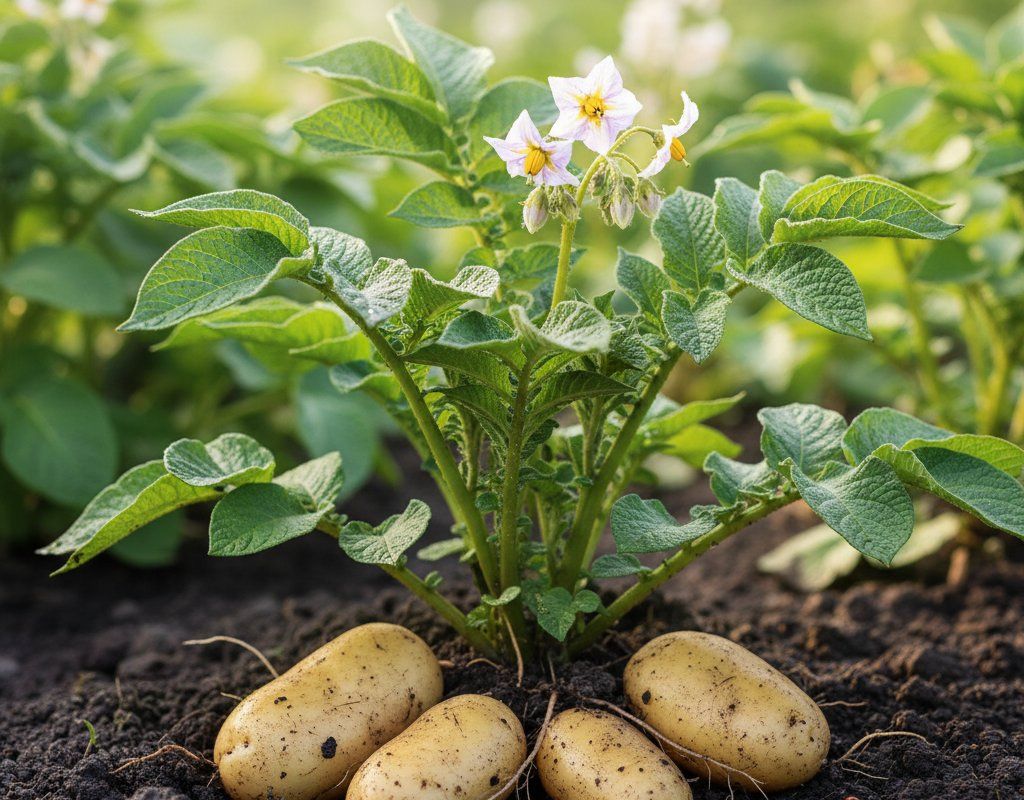
Potato in Zone 3A — Mountain West
Solanum tuberosum · Your Complete 2026 Planting Guide
Planning Ahead — Great!
You’re ahead of the season. Here’s when to start.
Mark Your Calendar
How to Plant Potato in Zone 3A — Mountain West
Here are all your options for getting potato in the ground, from the easiest method to more advanced approaches.
Direct Sow Seeds
RecommendedMid to late May
around May 18
Direct sow as soon as conditions allow.
Plant seed potatoes directly in the ground. Not grown from true seed.
Buy Starts
Works WellMid to late May
around May 18
Plant purchased starts after last frost (June 1).
Start Seeds Indoors
ChallengingThis plant is typically not started indoors.
Transplant Outdoors
Timing InfoMid to late May
around May 18
Can tolerate light frost, but wait for soil to be workable.
Plan to transplant within a few weeks of your target date.
Overview
Growing your own potatoes in Zone 3A brings incredible satisfaction and flavor that store-bought varieties simply can't match. Here in the Mountain West, our cool nights and intense sunlight create perfect conditions for developing those fluffy, flavorful tubers that taste nothing like the grocery store options. You'll discover varieties you've never seen before, from fingerlings to purple potatoes, all thriving in our unique high-altitude environment.
Our short 96-day growing season and late spring frost might seem challenging for potatoes, but the timing actually works beautifully. By planting in late May when soil has warmed and frost danger passes, your potatoes will mature perfectly during our peak summer months and be ready for harvest before that first September frost arrives.
Transplanting Outdoors
Potatoes aren't typically grown from transplants since they're planted as seed potato pieces directly in the ground. However, if you've started seed potatoes indoors to get a jump on the season, you can transplant them outdoors from mid to late May once soil temperatures reach 45°F consistently.
If you do have potato starts to transplant, harden them off gradually over a week by exposing them to outdoor conditions for increasingly longer periods. Our intense Mountain sun and cool nights can shock tender plants, so this gradual transition is essential.
Space your transplanted potato starts 12 inches apart in rows, planting them slightly deeper than they were growing in their containers. Watch for late cold snaps that can still occur in late May - have row covers ready to protect young plants if temperatures threaten to drop below 35°F.
Direct Sowing
Direct sowing seed potatoes is the traditional and most reliable method for Mountain West gardeners. Plant your seed potato pieces from mid to late May when soil temperature reaches 45°F and stays there consistently. This timing ensures you avoid late frosts while giving potatoes the full growing season they need.
Prepare your soil by working in compost and ensuring good drainage - our clay soils can hold too much moisture, leading to rot. Cut seed potatoes into pieces with at least two eyes each, letting them cure for a day or two before planting. Plant pieces 4 inches deep and 12 inches apart in rows.
The key here in our dry climate is maintaining consistent soil moisture without waterlogging. Plant in loose, well-draining soil and consider hilling soil around plants as they grow - this protects developing tubers from our intense UV rays and gives you more potatoes per plant.
Watering Potato in Zone 3A (Mountain West)
Potato watering in our dry Mountain climate requires a steady, consistent approach rather than the heavy, infrequent watering you might use for drought-tolerant crops. These plants need about 1 to 1.5 inches of water weekly, which means you'll be supplementing our 10-20 inches of annual rainfall throughout the growing season.
Water deeply at soil level rather than overhead - our low humidity means plants lose moisture quickly, but wet foliage combined with cool nights can invite disease problems. Use the finger test by pushing 2 inches into the soil; if it's dry at that depth, it's time to water. During tuber formation when plants are flowering, maintain especially even moisture since drought stress now creates knobby, misshapen potatoes.
Apply a 2-3 inch layer of straw mulch around plants to conserve moisture in our dry air and protect soil from temperature swings. This mulch also keeps developing tubers covered and prevents them from turning green from UV exposure. Watch for signs of overwatering like yellowing lower leaves, and underwatering like wilted foliage during cool morning hours.
Reduce watering about two weeks before harvest to allow potato skins to toughen up. Wet soil at harvest time leads to rotting potatoes in storage, so time this reduction to coincide with natural late-summer drying in August.
🧪Fertilizing Potato
Feeding Schedule
Organic Fertilizer Options
Harvest Time
Your first new potatoes will be ready from mid August through early September, right around the 90-day mark from planting. You can start harvesting small new potatoes once plants begin flowering - these tender, thin-skinned beauties are perfect for immediate eating and showcase why homegrown beats store-bought every time.
For storage potatoes, wait until the foliage dies back completely and turns yellow-brown. This usually happens in late August to early September in our climate. Once foliage dies, leave potatoes in the ground for another week to let skins toughen, but don't wait too long since our first frost can arrive in early September.
Harvest on a dry day by carefully digging around plants with a fork, working from the outside in to avoid spearing tubers. Brush off soil but don't wash them - wet potatoes rot quickly in storage. Let them cure in a cool, dark, well-ventilated area for a week before storing.
With our early September frost dates approaching harvest time, watch weather forecasts closely. If frost threatens and your potato foliage is still green, harvest immediately since frozen plants make tubers more susceptible to rot. Even slightly immature potatoes store better than frost-damaged ones.
Common Problems in Zone 3A (Mountain West)
Colorado Potato Beetle These distinctive yellow-orange beetles with black stripes appear in late spring and can quickly defoliate your potato plants. You'll see clusters of bright orange eggs on leaf undersides and fat, reddish larvae that seem to appear overnight. The adults overwinter in soil and emerge just as your plants are getting established.
Our short growing season means even small infestations can devastate your crop since plants have limited time to recover. Hand-pick adults and larvae in early morning when they're sluggish, dropping them into soapy water. Row covers work well early in the season, and beneficial insects like ladybugs help control populations naturally in our low-humidity environment.
Late Blight This devastating disease shows up as large, dark green-gray water-soaked spots on leaves, often with white fuzzy growth on undersides during humid periods. It spreads incredibly fast in cool, wet conditions and can destroy entire plantings within days. Fruit develops firm brown spots that quickly expand.
Our cool nights and occasional summer moisture create perfect conditions for late blight, especially during years with more rainfall than usual. Remove and destroy affected plants immediately - bag them rather than composting. Apply copper-based fungicides preventatively during wet spells, ensure good air circulation, and avoid overhead watering to keep foliage dry.
Scab Scab appears as rough, corky patches on potato skins that make tubers look unsightly though they're still edible. The disease thrives in alkaline soils above pH 7.0, which describes most of our Mountain West soils perfectly. High soil moisture during tuber formation also encourages scab development.
Plant resistant varieties when possible and avoid over-liming soil - our naturally alkaline conditions mean you rarely need to add lime anyway. Maintain consistent but not excessive soil moisture, and consider adding sulfur to lower soil pH slightly in potato beds.
Mountain West Specific Challenges: Our moderate-at-altitude summer temperatures and low humidity actually help prevent many fungal diseases that plague potatoes in more humid regions. However, our intense UV requires careful hilling to prevent tuber greening, and our alkaline soils make scab management particularly important.
Best Companions for Potato
Plant these nearby for healthier Potato and better harvests.

Keep Away From

Companion Planting Details
Potatoes grow beautifully alongside beans, corn, and most brassicas in our Mountain gardens. Beans fix nitrogen that potatoes appreciate, while corn provides natural wind protection from our afternoon gusts without creating too much shade. Brassicas like cabbage and broccoli have similar water needs and help break up soil compaction with their different root structures.
Avoid planting potatoes near tomatoes, squash, cucumbers, and sunflowers. Tomatoes and potatoes share diseases like late blight, and both are heavy feeders that compete for nutrients in our typically lean mountain soils. Squash and cucumbers spread widely and can overwhelm potato hills, while sunflowers' allelopathic properties can inhibit potato growth. In our short growing season, you want every advantage for your potato crop.
🌸Best Flowers to Plant with Potato
These flowers protect your Potato from pests and attract pollinators for better harvests.



Get a Reminder When It's Time to Plant
We'll email you when key planting windows open for your zone.