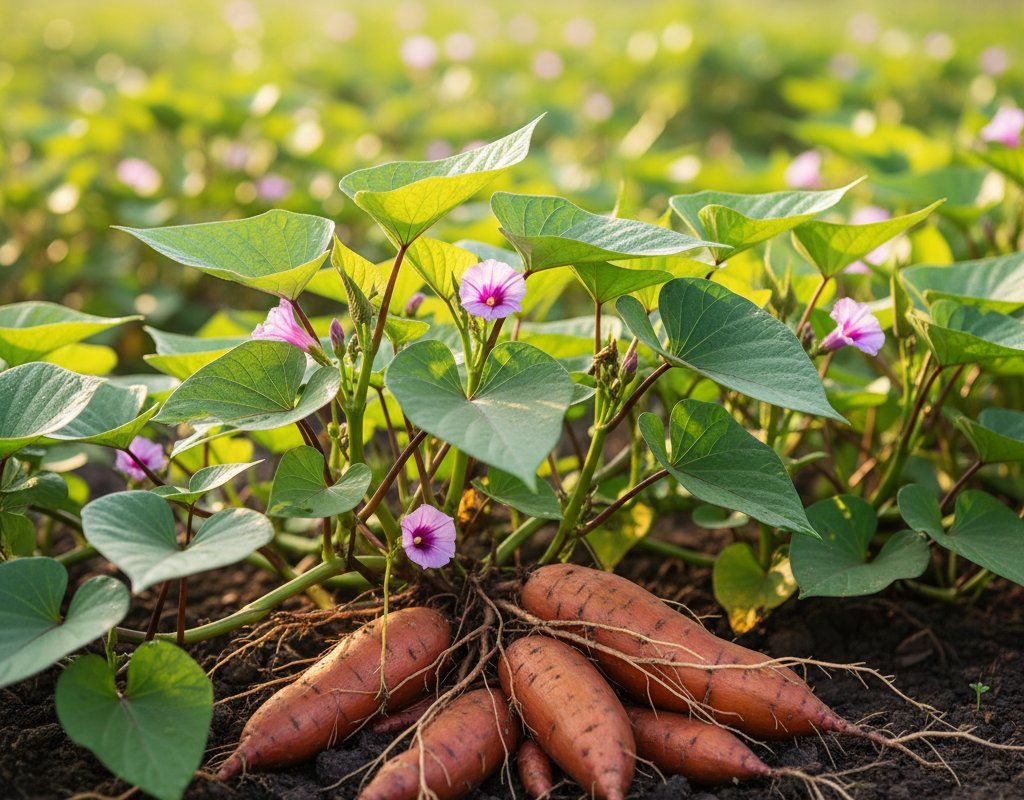
Sweet Potato in Zone 3A — Mountain West
Ipomoea batatas · Your Complete 2026 Planting Guide
Planning Ahead — Great!
You’re ahead of the season. Here’s when to start.
Mark Your Calendar
How to Plant Sweet Potato in Zone 3A — Mountain West
Here are all your options for getting sweet potato in the ground, from the easiest method to more advanced approaches.
Buy Starts
RecommendedLate June
around June 22
Plant purchased starts after last frost (June 1).
Plant slips (rooted sprouts) after soil is warm. Buy slips or grow your own from a sweet potato.
Start Seeds Indoors
Works WellMid April through mid May
around April 27
Then transplant: Late June
Start seeds 8-10 weeks before transplanting outdoors.
Direct Sow Seeds
ChallengingDirect sowing is not typical for Sweet Potato.
Transplant Outdoors
Timing InfoLate June
around June 22
Wait until nighttime temperatures stay above 50°F.
Timing is critical in your zone — don’t delay!
Overview
Sweet potatoes bring surprising rewards to Mountain West gardens, offering dense nutrition and rich, complex flavors that intensify beautifully in our cool nights. While most gardeners think of them as Southern crops, these heat-loving vines actually thrive in our intense high-altitude sun and develop exceptional sweetness when nights drop into the 40s and 50s even during summer.
Growing sweet potatoes at elevation does require patience and planning around our famously short season. With just 96 days between frosts, timing becomes everything, but the payoff is worth it. Our low humidity and intense UV create ideal conditions for healthy vines, while those cool nights concentrate sugars in ways that warmer climates can't match.
Starting Seeds Indoors
Starting sweet potatoes from seed isn't the typical approach most Mountain West gardeners take, but it's possible if you're feeling adventurous or want specific varieties. You'll need to start seeds indoors from mid-April through mid-May, giving yourself about 8 weeks before transplant time in late June.
Set up your seed trays in the warmest spot you can find, as sweet potatoes need consistent heat to germinate well. Use bottom watering to keep the soil evenly moist without creating soggy conditions that invite problems. Most Mountain gardeners find better success starting with slips (rooted sprouts) from seed potatoes or buying them from suppliers.
The reality is that sweet potatoes grown from seed won't produce tubers the first year - you're essentially growing the plant to harvest slips for next season. Given our short growing window, most practical Mountain gardeners skip this step and go straight to transplanting slips.
Transplanting Outdoors
Sweet potato transplanting happens in late June when soil temperatures finally warm up enough at our elevation. You'll either be setting out purchased slips or ones you've grown from sweet potatoes you stored over winter. Wait until nighttime temperatures consistently stay above 55°F - rushing this timing in the Mountain West almost always backfires.
Harden off your slips gradually over a full week, starting with just an hour outdoors and building up their tolerance to our intense UV and temperature swings. Even in late June, we can still get surprise cold snaps or afternoon thunderstorms that stress tender plants.
Space your slips 12 to 18 inches apart in the sunniest, warmest spot in your garden. Plant them deep enough to cover the roots and about half the stem. The buried stem nodes will develop additional roots, giving your plants a stronger foundation in our challenging growing conditions.
Watering Sweet Potato in Zone 3A (Mountain West)
Sweet potatoes need consistent moderate water once established, but they're actually quite drought-tolerant - a trait that serves them well in our dry Mountain climate. During the first few weeks after transplanting, water deeply twice a week to help roots establish in our often-compacted clay soils.
Once your vines start spreading, usually by mid-July, you can back off to about an inch of water per week. Check soil moisture by sticking your finger 2 inches down - if it's dry at that depth, it's time to water. Our low humidity means surface soil dries quickly, but deeper moisture often lingers longer than it appears.
Water at the base of plants rather than overhead, especially important in our intense sun where wet leaves can scorch. Late in the season, reduce watering significantly about 3 to 4 weeks before your expected harvest. This concentrates the sugars in developing tubers and prevents them from becoming watery.
Mulching helps tremendously in our dry conditions, but keep organic mulch a few inches away from the main stem to prevent rodent damage. Even drought-tolerant sweet potatoes perform better with consistent moisture than the feast-or-famine cycle our sporadic summer storms often create.
🧪Fertilizing Sweet Potato
Feeding Schedule
Organic Fertilizer Options
Harvest Time
Sweet potato harvest timing in the Mountain West requires vigilance since our first frost can arrive as early as early September. Start checking your plants around late August to early September, looking for tubers that have reached full size - usually 3 to 5 inches long for most varieties.
Unlike many crops, sweet potatoes don't give obvious visual signals when ready. The best approach is carefully digging around the base of a plant to check tuber development. Harvest all potatoes before the first hard frost, as even light frost will damage the tender tubers underground and ruin storage quality.
Dig carefully with a garden fork, working from the outside of the vine circle inward to avoid spearing tubers. Sweet potatoes bruise easily and damaged ones won't store well. Brush off excess soil but don't wash them - that comes later after curing.
After harvest, sweet potatoes need curing in a warm (80-85°F), humid place for 1 to 2 weeks to develop their full sweetness and storage capability. This is challenging in our dry Mountain climate, so create humidity by placing them in boxes with damp towels or in a bathroom with regular hot showers running.
Common Problems in Zone 3A (Mountain West)
Sweet Potato Weevils Small, dark beetles with distinctive snouts that bore holes into sweet potato stems and tubers, creating tunnels filled with brown, powdery debris. Adult weevils are about 1/4 inch long with metallic blue-black bodies. In the Mountain West, these pests are less common due to our cold winters, but they can arrive on imported slips or spread from neighboring gardens. Remove and destroy affected plants immediately, and avoid planting sweet potatoes in the same spot for at least three years. Crop rotation becomes especially important at our elevation where pest populations build slowly but persistently.
Wireworms Hard, yellow-brown, segmented larvae that tunnel through sweet potato tubers, creating round holes about the diameter of a pencil. These are actually click beetle larvae that thrive in our mountain soils, especially areas that were recently in grass or have heavy organic matter. Damaged tubers often show dark, corky areas around entry holes and may rot in storage. Till soil thoroughly in fall to expose larvae to winter cold, and avoid planting in areas recently converted from lawn or pasture.
Cracking Sweet potato tubers split along their length, creating deep fissures that expose the flesh and invite rot organisms. This happens when heavy watering or sudden rainstorms follow dry periods - common during our intense summer thunderstorm season. The rapid water uptake causes tubers to expand faster than their skins can stretch. Maintain consistent soil moisture through mulching and steady watering rather than letting soil dry completely between waterings. Our afternoon thunderstorms can dump an inch of rain in thirty minutes, so good drainage becomes crucial.
Mountain West Specific Challenges: Our combination of intense UV, low humidity, and sudden weather changes creates unique stress patterns for sweet potatoes. The dramatic day-night temperature swings can slow vine development early in the season, while late-season hail storms can shred leaves just when tubers are sizing up, reducing final yields significantly.
Best Companions for Sweet Potato
Plant these nearby for healthier Sweet Potato and better harvests.


Keep Away From
Companion Planting Details
Sweet potatoes make excellent companions with beans, corn, and winter squash in traditional Three Sisters-style plantings adapted for Mountain conditions. The beans fix nitrogen that feeds both the corn and sweet potato vines, while the spreading sweet potato leaves provide living mulch that conserves precious moisture in our dry climate. Corn offers some wind protection for tender sweet potato foliage during our frequent afternoon storms.
Avoid planting sweet potatoes near crops that need frequent watering or rich, constantly moist soil, as this conflicts with their preference for drier conditions late in the season. The sprawling vines can overwhelm smaller plants, so give them plenty of room or pair them only with tall, sturdy companions that won't get smothered.
🌸Best Flowers to Plant with Sweet Potato
These flowers protect your Sweet Potato from pests and attract pollinators for better harvests.
For Pest Control




Get a Reminder When It's Time to Plant
We'll email you when key planting windows open for your zone.