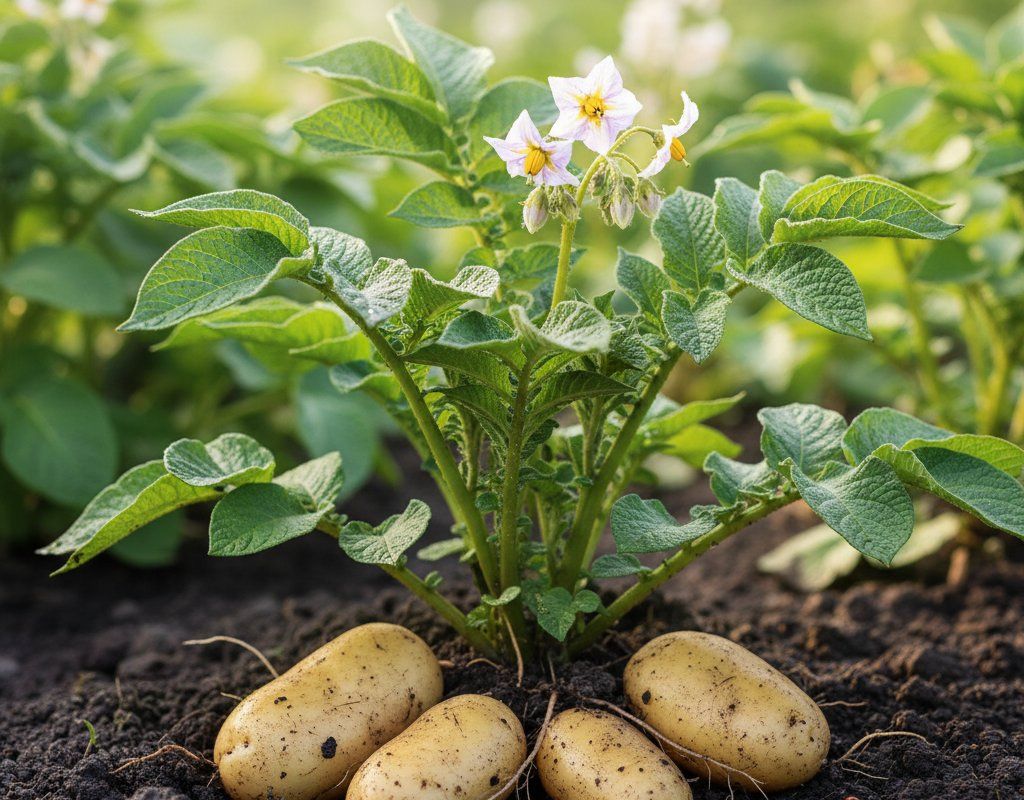
Potato in Zone 8A — Gulf Coast
Solanum tuberosum · Your Complete 2026 Planting Guide
Still Time to Sow!
The sowing window is still open for Potato.
Sow Seeds Soon
Plant seed potatoes directly in the ground. Not grown from true seed.
How to Plant Potato in Zone 8A — Gulf Coast
Here are all your options for getting potato in the ground, from the easiest method to more advanced approaches.
Direct Sow Seeds
RecommendedMid February through mid August
around February 15
Consider succession planting every 2-3 weeks for continuous harvest.
Plant seed potatoes directly in the ground. Not grown from true seed.
Buy Starts
Works WellMid February through early March
around February 15
Plant purchased starts after last frost (March 1).
Start Seeds Indoors
ChallengingThis plant is typically not started indoors.
Transplant Outdoors
Timing InfoMid February through early March
around February 15
Can tolerate light frost, but wait for soil to be workable.
Plan to transplant within a few weeks of your target date.
Overview
Potatoes thrive in our Gulf Coast gardens, giving you the satisfaction of digging up pounds of fresh tubers from just a few seed potatoes. Our mild winters and long growing season mean you can plant multiple crops—early spring potatoes for summer eating and late summer plantings for fall and winter harvests. Nothing beats the buttery texture of homegrown potatoes, whether you're making creamy mashed potatoes with the first tender new potatoes in May or storing firm russets through our mild winter months.
While our high humidity and frequent afternoon storms can challenge potato growing, proper timing works with our climate instead of against it. Your 269-day growing season gives you flexibility to avoid the worst disease pressure by planting before the intense summer humidity peaks or waiting until late summer when conditions improve. The key is choosing your planting windows wisely and managing moisture during our wet periods.
Transplanting Outdoors
Transplanting potato plants isn't the typical approach since potatoes grow from seed potato pieces planted directly in the ground. However, if you're growing from true potato seed (rare but possible), you can transplant seedlings from mid-February through early March when soil temperatures reach 45-50°F consistently.
Before moving seedlings outdoors, harden them off gradually over one week. Start with 2-3 hours of morning sun, then increase daily exposure while protecting from our unpredictable late winter weather swings. Space transplants 12 inches apart in rows, giving each plant room to develop its underground tuber system.
Watch for late cold snaps during transplant season—our Gulf Coast weather can surprise you with a sudden freeze even into early March. Have row covers ready to protect young plants if temperatures threaten to drop below 32°F.
Direct Sowing
Direct planting seed potatoes is the recommended method here in the Gulf Coast, and you have a generous window from mid-February through mid-August. Plant certified seed potatoes (not grocery store potatoes) directly in the ground when soil temperatures stay consistently above 45°F and soil drains well after our frequent winter rains.
Cut seed potatoes into 2-ounce pieces with at least two eyes each, then let cut surfaces cure for 2-3 days in a cool, dry place before planting. This curing step prevents rot in our humid conditions. Plant pieces 4 inches deep and 12 inches apart, then hill soil around emerging plants as they grow—this protects developing tubers from sun exposure and gives you bigger harvests.
For summer plantings in July and August, choose heat-tolerant varieties and plant in afternoon shade if possible. Our late summer plantings often produce the best storage potatoes since they mature during cooler fall weather with less disease pressure than spring crops face during humid summer months.
Watering Potato in Zone 8A (Gulf Coast)
Potatoes need consistent moisture but hate waterlogged soil—a tricky balance in our wet Gulf Coast climate. During our abundant spring rains, you'll likely need minimal supplemental watering until the dry spells hit. Once plants flower and begin forming tubers, maintain steady soil moisture with about 1-1.5 inches per week, including rainfall.
Check soil moisture by sticking your finger 2 inches deep near the plants. If it's dry at that depth, water deeply at the base of plants rather than overhead—our very high humidity makes wet foliage an invitation for late blight and other fungal diseases. Early morning watering gives plants time to dry before our humid nights set in.
During our typical summer afternoon storms, protect young plants from washing out and ensure good drainage around mature plants. Too much water during tuber formation creates hollow centers and increases rot risk. About two weeks before harvest, reduce watering significantly to let tubers firm up and prevent storage problems.
Apply 2-3 inches of organic mulch around plants to maintain consistent soil moisture and reduce the need for frequent watering. In our climate, straw or shredded leaves work well and break down gradually without creating soggy conditions.
🧪Fertilizing Potato
Feeding Schedule
Organic Fertilizer Options
Harvest Time
Your first new potatoes will be ready from mid-May through early December, depending on when you planted. For tender new potatoes, harvest when plants begin flowering—usually about 60-70 days after planting. Gently dig around the base of plants with your hands to find marble-sized tubers, taking only what you need and letting the rest continue growing.
For storage potatoes, wait until the foliage dies back completely, which signals that tubers have reached full maturity and their skins have toughened. This usually happens around the 90-day mark. The dying foliage might look alarming, but it's perfectly normal and necessary for proper potato development.
Harvest on a dry day when possible, and let freshly dug potatoes air-dry in shade for a few hours before storage. Handle them gently—bruised potatoes rot quickly in our humid conditions. Brush off excess soil but don't wash potatoes until you're ready to use them, as moisture invites spoilage.
As our first frost approaches in late November, harvest any remaining potatoes even if the plants haven't completely died back. A hard freeze will damage tubers left in the ground. Store properly cured potatoes in a cool, dark, well-ventilated area where they'll keep through our mild winter months.
Common Problems in Zone 8A (Gulf Coast)
Colorado Potato Beetle Look for orange-yellow oval eggs on leaf undersides, followed by red-orange larvae with black spots that devour foliage rapidly. Adult beetles are yellow-orange with black stripes and can strip plants bare. These persistent pests thrive in our warm, humid conditions and multiply quickly. Hand-pick egg masses and larvae in small gardens, or apply organic Bt (Bacillus thuringiensis) spray for larger plantings. Row covers during early growth help prevent initial egg-laying.
Late Blight Dark green-gray, water-soaked spots appear on leaves, often with white fuzzy growth on undersides during humid weather. This devastating disease spreads rapidly in our cool, wet spring conditions and can destroy entire plantings within days. Our high humidity creates perfect conditions for spore spread. Remove and bag affected plants immediately—never compost them. Apply copper-based fungicide preventatively during humid periods and ensure good air circulation by proper spacing. Avoid overhead watering and choose resistant varieties when possible.
Scab Raised, corky brown spots or patches appear on tuber surfaces, making potatoes unsightly but still edible after peeling. This soil-borne bacterial disease thrives in alkaline soils and dry conditions followed by wet periods—common during our variable spring weather. Maintain consistent soil moisture and slightly acidic soil (pH 5.8-6.2). Adding organic sulfur or composted pine needles can help acidify soil naturally. Rotate potato crops to different garden areas each year.
Gulf Coast Specific Challenges: Our extreme humidity and frequent rainfall create ideal conditions for fungal and bacterial diseases, while our long growing season means multiple pest generations. Success comes from choosing the right planting windows, ensuring excellent drainage, and staying vigilant about disease prevention rather than treatment.
Best Companions for Potato
Plant these nearby for healthier Potato and better harvests.

Keep Away From

Companion Planting Details
Plant beans near your potatoes to naturally fix nitrogen in the soil while their different root depths mean they won't compete for nutrients. Corn makes an excellent companion since it provides afternoon shade during our hottest months, and both crops benefit from hilling soil around their bases. Brassicas like cabbage and broccoli work well planted nearby since they help break pest cycles and mature at different times, making efficient use of garden space.
Avoid planting tomatoes, squash, or cucumbers near potatoes since they share similar diseases like late blight and attract the same pests. In our humid Gulf Coast climate, keeping these plants separated reduces the risk of disease spread through water splash and improves air circulation around all plants. Sunflowers can inhibit potato growth through allelopathy, so plant them in a different garden area entirely.
🌸Best Flowers to Plant with Potato
These flowers protect your Potato from pests and attract pollinators for better harvests.


Get a Reminder When It's Time to Plant
We'll email you when key planting windows open for your zone.