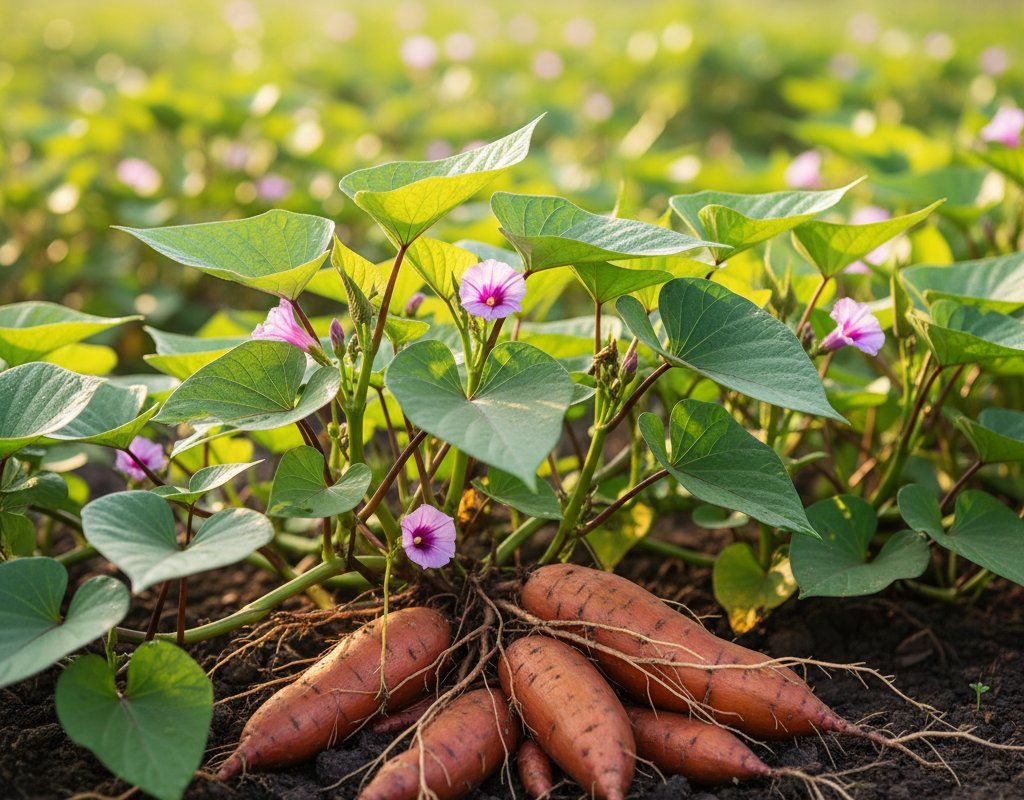
Sweet Potato in Zone 8A — Gulf Coast
Ipomoea batatas · Your Complete 2026 Planting Guide
Missed Seed Starting? No Problem!
Wait for starts to become available.
What to Do
Starts will be available at nurseries in 18 days (around March 22).
How to Plant Sweet Potato in Zone 8A — Gulf Coast
Here are all your options for getting sweet potato in the ground, from the easiest method to more advanced approaches.
Buy Starts
RecommendedLate March through mid April
around March 22
Plant purchased starts after last frost (March 1).
Plant slips (rooted sprouts) after soil is warm. Buy slips or grow your own from a sweet potato.
Start Seeds Indoors
Works WellMid January through early February
around January 25
Then transplant: Late March through mid April
Start seeds 8-10 weeks before transplanting outdoors.
Direct Sow Seeds
ChallengingDirect sowing is not typical for Sweet Potato.
Transplant Outdoors
Timing InfoLate March through mid April
around March 22
Wait until nighttime temperatures stay above 50°F.
Plan to transplant within a few weeks of your target date.
Overview
Sweet potatoes are a Gulf Coast gardener's dream crop, thriving in our long, hot summers and producing massive yields from just a few plants. These nutrient-packed tubers love our warm soil and humid conditions, giving you everything from tender greens for summer salads to sweet, creamy roots perfect for fall cooking. With our extended growing season, you can harvest impressive crops that store well through winter.
Our high humidity and disease pressure can challenge some crops, but sweet potatoes actually benefit from our warm, moist climate once established. With your 269-day growing season stretching from early March through late November, you have plenty of time to grow these heat-loving vines to maturity. The key is getting your timing right with our early spring warmth and unpredictable late winter weather patterns.
Starting Seeds Indoors
Starting sweet potatoes from actual seeds isn't the typical approach here in the Gulf Coast - most gardeners work with slips (rooted sprouts) instead. However, if you're growing from true seed, start them indoors from mid-January through early February, about 8 weeks before your transplant window opens.
Set up seed trays in a warm spot (75-80°F) since sweet potato seeds need consistent heat to germinate. Use bottom watering to keep soil evenly moist without creating the soggy conditions that lead to damping-off in our humid climate. A grow light helps during our shorter winter days, though our early spring means you won't need it as long as gardeners further north.
Keep in mind that most Gulf Coast gardeners skip seed starting entirely and either buy slips from local nurseries in spring or create their own slips from stored sweet potatoes. This method is more reliable and gives you a head start on our growing season.
Transplanting Outdoors
Plan to transplant your sweet potato slips outdoors from late March through mid-April, once soil temperatures consistently reach 60°F and nighttime lows stay above 50°F. Our early spring can be tricky with warm spells followed by cool snaps, so watch the forecast carefully before committing your tender slips to the ground.
Harden off your slips gradually over a week, starting with a few hours of morning sun and working up to full outdoor exposure. Space them 12-18 inches apart in well-draining soil - this is crucial in our wet climate where waterlogged roots quickly rot. Plant slips deeper than you might expect, burying about two-thirds of the stem to encourage strong root development.
Choose your planting spot wisely since sweet potato vines spread extensively. They need full sun (6-8 hours) to develop those sweet, dense tubers, and good drainage becomes even more critical during our frequent afternoon storms and hurricane season downpours.
Watering Sweet Potato in Zone 8A (Gulf Coast)
Sweet potatoes need moderate water to get established, but they're surprisingly drought-tolerant once their roots spread - a real advantage during our occasional dry spells between storm systems. Water deeply but infrequently, aiming for about 1 inch per week including rainfall. With our 50-65 inches of annual precipitation, you'll often get plenty of natural irrigation.
Check soil moisture with the finger test: stick your finger 2 inches deep near the base of the plant. If it's dry at that depth, it's time to water. During our typical summer pattern of afternoon storms, you may go weeks without supplemental watering. Focus on consistent moisture during the first month after transplanting, then let nature take over.
Water at soil level rather than overhead to minimize disease pressure in our very high humidity. Our warm, muggy nights create perfect conditions for fungal problems when leaves stay wet too long. A 2-3 inch layer of organic mulch helps maintain even moisture while keeping soil from splashing onto leaves during heavy downpours.
Reduce watering 3-4 weeks before harvest to concentrate sugars in the tubers. This timing usually works out naturally since fall brings less frequent rainfall, helping your sweet potatoes finish strong before that late November frost threat arrives.
🧪Fertilizing Sweet Potato
Feeding Schedule
Organic Fertilizer Options
Harvest Time
Your first sweet potatoes should be ready from late June through mid-August, about 100 days after transplanting. However, you can leave them in the ground much longer - they'll continue sizing up until frost threatens in late November. The longer growing period often produces larger, sweeter tubers.
Harvest indicators aren't as obvious as with other crops since the good stuff happens underground. Look for yellowing vines or gently dig around one plant to check tuber size. Sweet potatoes are ready when they're large enough to use, typically 3-4 inches long, though they can grow much bigger with our extended season.
Dig carefully using a garden fork, starting about 18 inches from the plant center to avoid puncturing tubers. Sweet potato skins are tender and damage easily when freshly dug. Brush off soil but don't wash them - dirty tubers store better than clean ones.
As late November approaches and frost becomes a real threat, harvest everything regardless of size. Even a light frost will kill the vines and can damage tubers still in the ground. After digging, cure your sweet potatoes in a warm (80-85°F), humid location for 1-2 weeks to develop their characteristic sweetness and extend storage life.
Common Problems in Zone 8A (Gulf Coast)
Sweet Potato Weevils Small, dark beetles and their grubs that tunnel into tubers, leaving dark holes and making roots inedible. You'll see adult weevils on vines and stems, plus entry holes in harvested sweet potatoes with dark, stringy damage inside. Our warm, humid climate provides ideal conditions for multiple generations per season.
These pests overwinter in crop debris and spread quickly in our long growing season. Remove and destroy all vine material after harvest - don't compost it. Rotate sweet potatoes to different garden areas each year and avoid planting near last year's location. Clean cultivation and removing volunteer plants helps break their life cycle.
Wireworms Thin, yellow-brown larvae that bore into sweet potato tubers, creating small holes that often lead to rot. You'll find these hard-bodied worms when digging potatoes, and see their damage as dark entry holes in harvested roots. Our consistently moist soil conditions can support large wireworm populations.
Wireworms thrive in areas that were previously in grass or weeds. They're worse in new garden beds or areas recently converted from lawn. Till soil several times in fall and early spring to expose larvae to predators and weather. Beneficial nematodes applied to soil can help reduce populations over time.
Cracking and Splitting Tubers develop deep cracks or splits that expose flesh to rot and pest damage. This typically happens when heavy rainfall or irrigation follows a dry period, causing rapid water uptake that the tuber skin can't accommodate. Some varieties are more crack-prone than others.
Maintain consistent soil moisture throughout the growing season with mulch and regular watering schedules. Our pattern of afternoon storms followed by dry spells creates perfect cracking conditions. Avoid letting plants become stressed for water, then receiving heavy irrigation. Harvest promptly when tubers reach desired size rather than leaving them in fluctuating soil conditions.
Gulf Coast Specific Challenges: Our combination of hot temperatures, very high humidity, and year-round rainfall creates perfect conditions for fungal diseases and pest pressure on sweet potatoes. The extended growing season allows multiple pest generations, while frequent flooding during hurricane season can create anaerobic soil conditions that rot tubers. Focus on well-draining planting sites and consistent cultural practices to minimize these regional challenges.
Best Companions for Sweet Potato
Plant these nearby for healthier Sweet Potato and better harvests.


Keep Away From
Companion Planting Details
Sweet potatoes work beautifully in Gulf Coast three-sisters plantings with corn and beans, where the trailing vines provide living mulch that helps retain moisture during dry spells and suppresses weeds in the humid conditions that encourage rapid weed growth. The corn provides structure for climbing beans while sweet potato vines spread underneath, maximizing your garden space during our long growing season. Beans fix nitrogen that feeds both the corn and sweet potatoes throughout the extended warm period.
Avoid planting sweet potatoes near tomatoes or other nightshades, as they can share some pest problems and compete for similar soil nutrients. The sprawling nature of sweet potato vines also means they can quickly overwhelm smaller companion plants in our fast-growing climate, so give them plenty of room or pair them only with tall, sturdy partners that won't be smothered by the vigorous vine growth our warm, humid conditions encourage.
🌸Best Flowers to Plant with Sweet Potato
These flowers protect your Sweet Potato from pests and attract pollinators for better harvests.
For Pest Control




Get a Reminder When It's Time to Plant
We'll email you when key planting windows open for your zone.