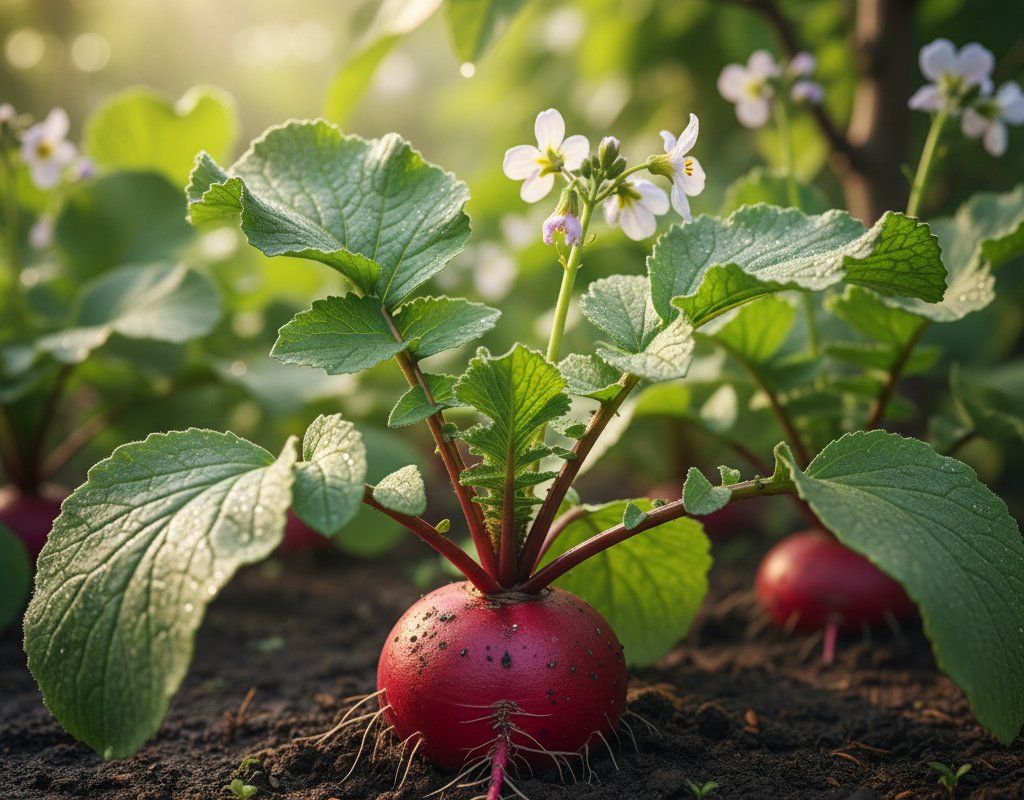
Radish in Zone 8A — Gulf Coast
Raphanus sativus · Your Complete 2026 Planting Guide
Harvest Time!
Your Radish should be producing now!
Harvest Tips
Check size by brushing soil away from crown. Pull when ready.
How to Plant Radish in Zone 8A — Gulf Coast
Here are all your options for getting radish in the ground, from the easiest method to more advanced approaches.
Direct Sow Seeds
RecommendedEarly February through mid October
around February 1
Consider succession planting every 2-3 weeks for continuous harvest.
Fast-growing and easy. No reason to start indoors.
Buy Starts
Works WellEarly February through mid March
around February 1
Plant purchased starts after last frost (March 1).
Start Seeds Indoors
ChallengingThis plant is typically not started indoors.
Transplant Outdoors
Timing InfoEarly February through mid March
around February 1
Can tolerate light frost, but wait for soil to be workable.
You have a nice window — no need to rush.
Fall Planting
Late September through late October
October 14 ideal · Direct sow for fall harvest
Plant a second crop in mid-summer for fall harvest. Radish actually prefers the cooling temperatures of fall.
Overview
Radishes are the perfect starter crop for Gulf Coast gardens, delivering crisp, peppery satisfaction in just 25 days from seed to harvest. In our long 269-day growing season, you can succession plant radishes almost year-round, taking advantage of our mild winters and early springs to grow multiple crops when other regions are still frozen solid. They're incredibly forgiving, handle our variable spring weather beautifully, and provide that instant gratification every gardener craves.
Our hot, humid summers and extreme heat can stress radishes into becoming woody and fiery-hot, but smart timing makes all the difference. Plant them during our cooler months—fall through spring—and you'll harvest sweet, crisp roots that rival anything from the grocery store. The key is working with our Gulf Coast climate patterns rather than fighting them.
Transplanting Outdoors
While radishes are typically direct-sown, you can transplant them if you started seeds indoors during our unpredictable late winter weather. Transplant your seedlings outdoors from early February through mid-March, when nighttime temperatures consistently stay above freezing but before our heat really kicks in.
Harden off your seedlings gradually over a week, starting with just an hour or two of morning sun and building up to full outdoor exposure. Our Gulf Coast weather can swing dramatically during this period, so keep an eye on those afternoon storm systems that can batter young plants.
Space your transplants 2-4 inches apart in loose, well-draining soil. Handle the delicate taproot carefully—radishes hate root disturbance and may bolt or develop poor-quality roots if their roots are damaged during transplanting.
Direct Sowing
Direct sowing is absolutely the way to go with radishes in the Gulf Coast—it's faster, easier, and gives you better results than transplanting. Sow seeds directly in the garden from early February through mid-October, timing your plantings to avoid our brutal summer heat from June through August.
Plant seeds ¼ inch deep in loose, well-draining soil when temperatures are between 45-75°F. Our heavy clay soils can cause misshapen roots, so work in compost or plant in raised beds for the best results. Space seeds 2-4 inches apart, or scatter them and thin later—radishes are forgiving about spacing.
These fast growers are ready to harvest in just 25 days, making them perfect for succession planting every 2-3 weeks during cool weather. No need to start them indoors when they grow so quickly and prefer the consistent soil moisture of direct seeding.
Watering Radish in Zone 8A (Gulf Coast)
Consistent moisture is absolutely critical for radishes in our Gulf Coast climate—irregular watering turns sweet, crisp roots into woody, fiery disappointments. Even though we get 50-65 inches of rain annually, the distribution isn't always reliable, especially during spring dry spells and summer drought periods.
Check soil moisture daily using the finger test—stick your finger 2 inches down, and water if it feels dry. Radishes need about 1 inch of water per week, but this can jump to 1.5 inches during hot spells in late spring and early fall when temperatures push toward 90°F. Our afternoon thunderstorms often provide irregular deluges followed by dry periods, so don't rely solely on rainfall.
Water at soil level rather than overhead to minimize disease pressure in our extremely humid climate. Our high humidity already creates perfect conditions for fungal problems, so keeping foliage dry helps tremendously. Drip irrigation or soaker hoses work beautifully for this quick-growing crop.
Signs of drought stress include leaves wilting during midday heat, slow growth, and roots that taste overly hot and peppery. Overwatered radishes develop soft, mushy roots and yellowing leaves. A light mulch of shredded leaves helps retain even moisture without creating the soggy conditions that invite root rot in our wet climate.
🧪Fertilizing Radish
Feeding Schedule
Organic Fertilizer Options
Harvest Time
Your first radish harvest comes quickly in our Gulf Coast climate—expect to pull roots from late February through early December, depending on your planting schedule. With just 25 days from seed to harvest, you'll see those characteristic shoulders pushing up through the soil surface when they're ready.
Pull spring radishes when they reach about 1 inch in diameter—any larger and they become woody and overly peppery. Grab the leaves close to the soil line and pull straight up with a gentle twisting motion. Don't let them sit in the ground too long, especially as our spring weather warms up toward summer.
Harvest in the morning when roots are crisp and full of moisture. Our hot, humid conditions can make afternoon-harvested radishes feel limp and less flavorful. Winter radishes can be left in the ground longer since our mild temperatures keep them from deteriorating quickly.
As late November approaches and our first frost threatens, harvest any remaining radishes regardless of size. While radishes handle light frosts beautifully, frozen and thawed roots become mushy and inedible. The good news? In our long growing season, you've likely already harvested multiple succession plantings by this point.
Common Problems in Zone 8A (Gulf Coast)
Flea Beetles These tiny dark beetles create characteristic round holes in radish leaves, giving them a shot-hole appearance. You'll see the small, jumping beetles if you disturb the plants, and they can devastate young seedlings within days of emergence.
Gulf Coast's warm, humid conditions create ideal breeding environments for flea beetles, especially during our mild winters when they don't fully die back. Row covers during the first 2-3 weeks after germination provide excellent protection when plants are most vulnerable. Delay plantings until after mid-March when beneficial insects are more active, or interplant with aromatic herbs like basil that confuse the beetles.
Root Maggots Small white maggots tunnel through radish roots, creating brown streaks and ruining the crop. Adult flies lay eggs at soil level, and the emerging larvae bore directly into developing roots.
These pests thrive in our moist soil conditions and are most problematic during cool, wet weather in early spring and late fall. Use row covers immediately after planting to prevent adult flies from laying eggs. Crop rotation helps break the cycle—avoid planting radishes or other brassicas in the same spot for at least two years.
Pithy Roots Radishes develop woody, hollow centers with poor flavor when stressed by heat, drought, or being left in the ground too long. The roots feel spongy and taste overly hot or bland.
Our rapid spring warm-up from mild to hot weather often catches gardeners off-guard, turning perfect radishes woody within days. Harvest promptly at 25-30 days, maintain consistent soil moisture, and avoid planting during our hottest months. Spring plantings should be finished before late May when temperatures consistently hit the 90s.
Gulf Coast Specific Challenges: Our extreme humidity creates perfect conditions for fungal diseases on radish foliage, while our unpredictable spring weather can stress plants from cool and wet to hot and humid within the same week. Focus on good air circulation, avoid overhead watering, and time plantings for stable cool weather periods rather than during our dramatic seasonal transitions.
Best Companions for Radish
Plant these nearby for healthier Radish and better harvests.

Keep Away From
Companion Planting Details
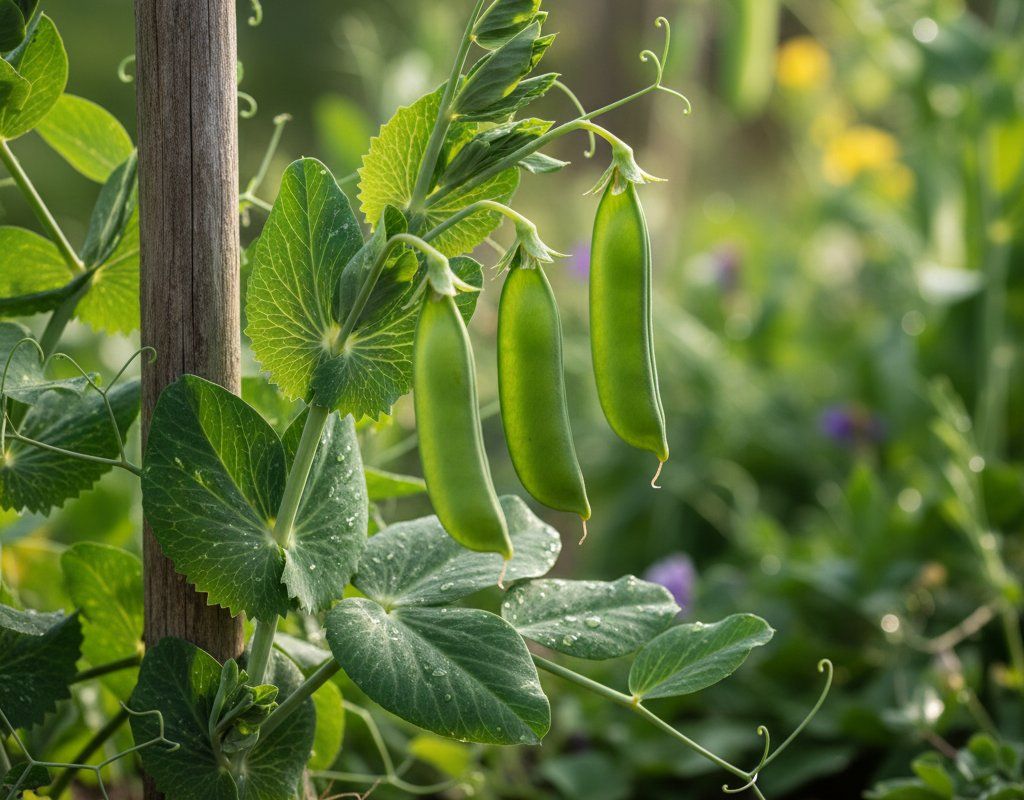
Radishes make excellent companions for carrots in Gulf Coast gardens—the quick-growing radishes break up heavy clay soil for the deeper carrot roots, and they're harvested before carrots need the space. Plant lettuce nearby to take advantage of the light shade radish leaves provide during our intense spring sun, and the cool-season timing works perfectly for both crops. Peas and radishes thrive during the same cool weather windows and don't compete for nutrients since peas fix nitrogen that radishes can use.
Avoid planting radishes near hyssop, which can inhibit their growth and affect flavor. In our humid climate, give radishes plenty of space between companions to ensure good air circulation—crowded plantings invite the fungal problems that plague Gulf Coast gardens during our wet, warm springs.
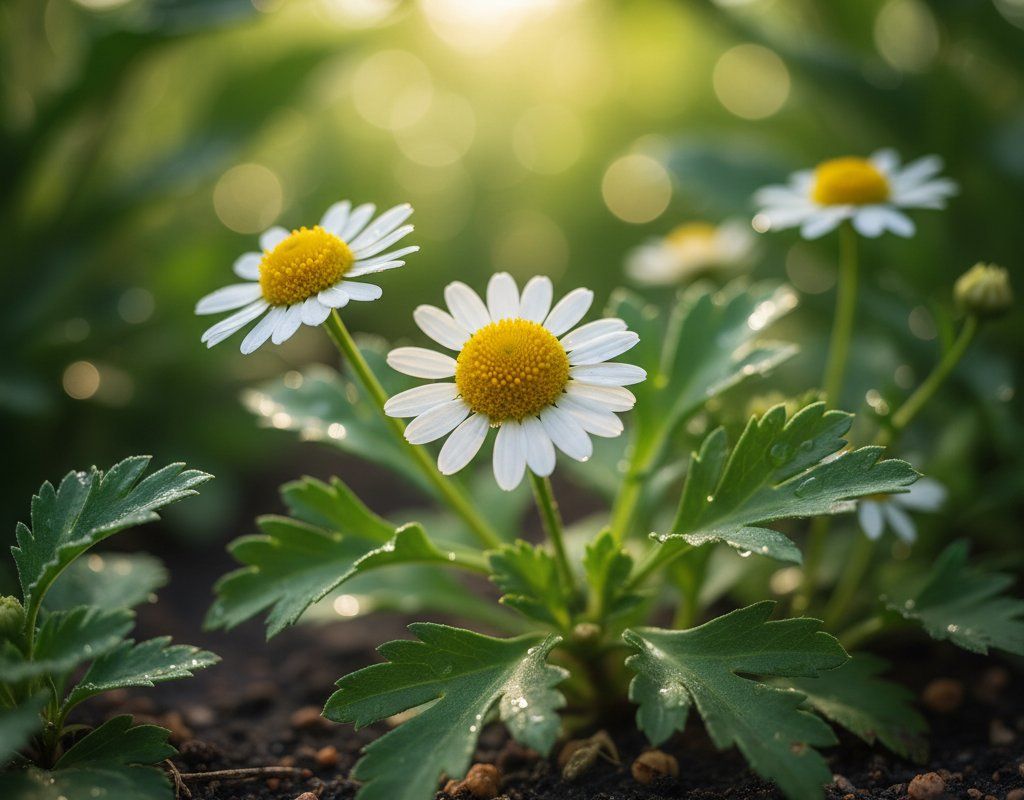
🌸Best Flowers to Plant with Radish
These flowers protect your Radish from pests and attract pollinators for better harvests.


Get a Reminder When It's Time to Plant
We'll email you when key planting windows open for your zone.