
Pumpkin in Zone 6A — Mountain West
Cucurbita pepo · Your Complete 2026 Planting Guide
Planning Ahead — Great!
You’re ahead of the season. Here’s when to start.
Mark Your Calendar
How to Plant Pumpkin in Zone 6A — Mountain West
Here are all your options for getting pumpkin in the ground, from the easiest method to more advanced approaches.
Direct Sow Seeds
RecommendedEarly May through early June
around May 8
Direct sow as soon as conditions allow.
Pumpkins grow well from direct-sown seeds after soil warms.
Buy Starts
Works WellMid May through early June
around May 15
Plant purchased starts after last frost (May 1).
Start Seeds Indoors
Works WellMid April through early May
around April 24
Then transplant: Mid May through early June
Start seeds 3-5 weeks before transplanting outdoors.
Transplant Outdoors
Timing InfoMid May through early June
around May 15
Wait until nighttime temperatures stay above 50°F.
Plan to transplant within a few weeks of your target date.
Overview
Growing pumpkins in our Zone 6A Mountain West climate offers something magical—the intense high-altitude sunlight produces incredibly sweet, dense flesh that puts store-bought pumpkins to shame. Our cool nights even in summer help concentrate sugars, creating that perfect balance of flavor whether you're making pie, soup, or just enjoying the satisfaction of homegrown jack-o'-lanterns.
With our 153-day growing season and early October frost date, timing is everything for these heat-loving vines. The key is working with our late spring warmup and short season by starting right when soil conditions are perfect. Once you nail the timing, pumpkins actually thrive in our intense sun and low humidity—just give them the space they need to sprawl.
Starting Seeds Indoors
Starting pumpkin seeds indoors makes sense if you want to maximize our short season or if you're growing giant varieties that need every possible day. Start seeds from mid-April through early May, about 3 weeks before you plan to transplant outdoors after our last frost risk passes.
Use deep seed trays or individual pots since pumpkin roots grow quickly and don't like being cramped. Keep soil warm (70-80°F) and provide strong light once seedlings emerge. Bottom watering works well to prevent damping-off, which can be an issue with large seeds in cool spring conditions.
The main challenge with indoor starts is that pumpkins really prefer direct sowing—they establish better without transplant shock. Our late spring means you'll be starting seeds indoors during some unpredictable weather, so be prepared to adjust transplant timing if we get a surprise cold snap in mid-May.
Transplanting Outdoors
If you've started pumpkins indoors, transplant them outside from mid-May through early June, once soil has warmed to at least 65°F and nighttime temps stay consistently above 50°F. Our high altitude means even late spring nights can drop unexpectedly cold, so watch the forecast carefully.
Harden off seedlings for a full week before transplanting—move them outside for increasing periods daily to adjust them to our intense UV and temperature swings. Even young plants can get sunscald if moved directly from indoor conditions to our blazing mountain sun.
Space transplants 60-96 inches apart (closer for smaller varieties, wider for giants). Plant them in mounded soil to improve drainage and help soil warm faster. Be gentle with roots during transplanting since pumpkins hate root disturbance, and water thoroughly but don't keep soil soggy in our low humidity conditions.
Direct Sowing
Direct sowing is absolutely the best method for pumpkins in our Mountain climate—they establish stronger root systems and handle our conditions better without transplant stress. Sow seeds from early May through early June, once soil temperature reaches 65°F consistently and you're confident our last frost has passed.
Prepare planting areas by creating slight mounds 6-8 inches high to improve drainage and soil warming. In our alkaline soil, work in compost or well-aged manure to improve both drainage and nutrition. Plant 2-3 seeds per hill, spacing hills 60-96 inches apart depending on variety size.
Plant seeds 1 inch deep and keep soil consistently moist (but not waterlogged) until germination in 7-10 days. Our intense sun and low humidity mean soil can dry quickly on the surface, so check daily. Once seedlings are established, thin to the strongest plant per hill.
Watering Pumpkin in Zone 6A (Mountain West)
Pumpkins need consistent moisture throughout the growing season, which takes some attention in our dry Mountain climate with only 10-20 inches of annual rainfall. Deep weekly watering is essential—aim for about 1-1.5 inches per week including any rainfall, applied slowly so it soaks in rather than running off.
Use the finger test regularly: stick your finger 2 inches into soil near the base of plants. If it's dry at that depth, it's time to water deeply. Our low humidity means surface soil dries deceptively fast while deeper soil may still be moist. Water at the base of plants rather than overhead—our dry air means less disease pressure from wet foliage, but water is more efficiently used when applied directly to root zones.
Watch for signs of water stress: wilting during the hottest part of day (even with adequate water), yellowing lower leaves, or slow fruit development. Overwatering shows up as yellowing leaves, soft stems, or fungal issues. As fruits begin maturing in late summer, reduce watering frequency to concentrate flavors and prevent fruit rot.
Mulch around plants with straw or grass clippings to conserve moisture and keep soil temperatures more consistent. In our intense sun and low humidity, mulch is crucial for maintaining even soil moisture and preventing the daily wet-dry cycles that stress pumpkin roots.
🧪Fertilizing Pumpkin
Feeding Schedule
Organic Fertilizer Options
Harvest Time
Your first pumpkins will be ready from mid-August through early October, typically 100 days from planting. In our short season, this timing usually works perfectly—early varieties may beat our first frost, while later varieties might need some protection if frost threatens before they're fully mature.
Ripe pumpkins have full, deep color with no green streaks, a hard shell that resists your fingernail, and sound hollow when tapped. The stem turns brown, dry, and corky where it attaches to the fruit. Always leave 3-4 inches of stem when harvesting—this "handle" prevents rot from entering the fruit and helps with storage.
Cut stems with pruning shears rather than pulling fruit from vines, which can damage both the pumpkin and plant. Harvest in dry weather if possible, and let pumpkins cure in the sun for a few days to harden their skins before storing.
As our early October frost approaches, harvest any pumpkins that are close to mature even if they're not perfectly ripe—they won't continue developing once frost hits the vines. Green pumpkins can sometimes ripen in storage if they're close to maturity, but fully green fruits won't develop properly off the vine.
Common Problems in Zone 6A (Mountain West)
Squash Vine Borers These show up as sudden wilting of entire vine sections, often when plants looked perfectly healthy the day before. Look for small holes at the base of stems with sawdust-like frass around them—that's the telltale sign of borers tunneling inside stems. Our Mountain timing actually helps since the moth's flight period often occurs before we can plant, but late plantings can still get hit.
Wrap the base of stems with aluminum foil or floating row cover to prevent egg-laying, or inject Bt (Bacillus thuringiensis) into stems if you catch borers early. If stems are severely damaged, you can sometimes save plants by burying healthy vine sections in soil to encourage new root development. Plant resistant varieties like butternut squash, or succession plant to have backup plants ready.
Powdery Mildew This fungal disease appears as white or gray powdery coating on leaves, starting on older leaves and spreading upward. Our cool nights combined with warm days create perfect conditions, and surprisingly, our low humidity actually favors powdery mildew since it doesn't need wet surfaces like most fungi.
Improve air circulation by spacing plants properly and removing some lower leaves as plants mature. Remove affected leaves immediately and dispose of them away from the garden. Neem oil sprays help, but a simple milk spray (1 part milk to 9 parts water) applied weekly can be surprisingly effective as prevention.
Poor Pollination Fruits that start developing but then shrivel, or flowers that bloom but drop off without setting fruit, usually indicate pollination problems. This can happen when our cool mountain nights discourage bee activity or when male and female flowers don't bloom at the same time.
Hand-pollinate using a small brush to transfer pollen from male flowers (on stems) to female flowers (with tiny fruits at their base). Do this in morning when flowers are fresh. Plant pollinator-attracting flowers nearby and avoid any pesticide use during flowering. Providing a shallow water source helps keep pollinators active in our dry climate.
Mountain West Specific Challenges Our intense UV can actually sunscald developing fruits, so provide some afternoon shade for young pumpkins. Hail is always a concern—row covers during threatening weather can save a crop. The combination of hot days and cold nights can stress plants, so consistent watering and mulching help moderate these temperature swings that are just part of high-altitude gardening.
Best Companions for Pumpkin
Plant these nearby for healthier Pumpkin and better harvests.

Keep Away From
Companion Planting Details
Plant pumpkins with corn and beans for the classic "Three Sisters" combination—corn provides natural trellising for beans, beans fix nitrogen for heavy-feeding pumpkins, and pumpkin vines shade soil to conserve moisture (crucial in our dry climate). Radishes planted around the edges can help deter squash bugs and cucumber beetles while making efficient use of space before pumpkin vines spread.
Avoid planting pumpkins near potatoes since both are heavy feeders that will compete for nutrients, and potatoes can harbor similar pests. In our alkaline soil and short season, it's better to give pumpkins their own space where you can amend soil specifically for their needs and manage their sprawling growth habit without interfering with other crops.
🌸Best Flowers to Plant with Pumpkin
These flowers protect your Pumpkin from pests and attract pollinators for better harvests.
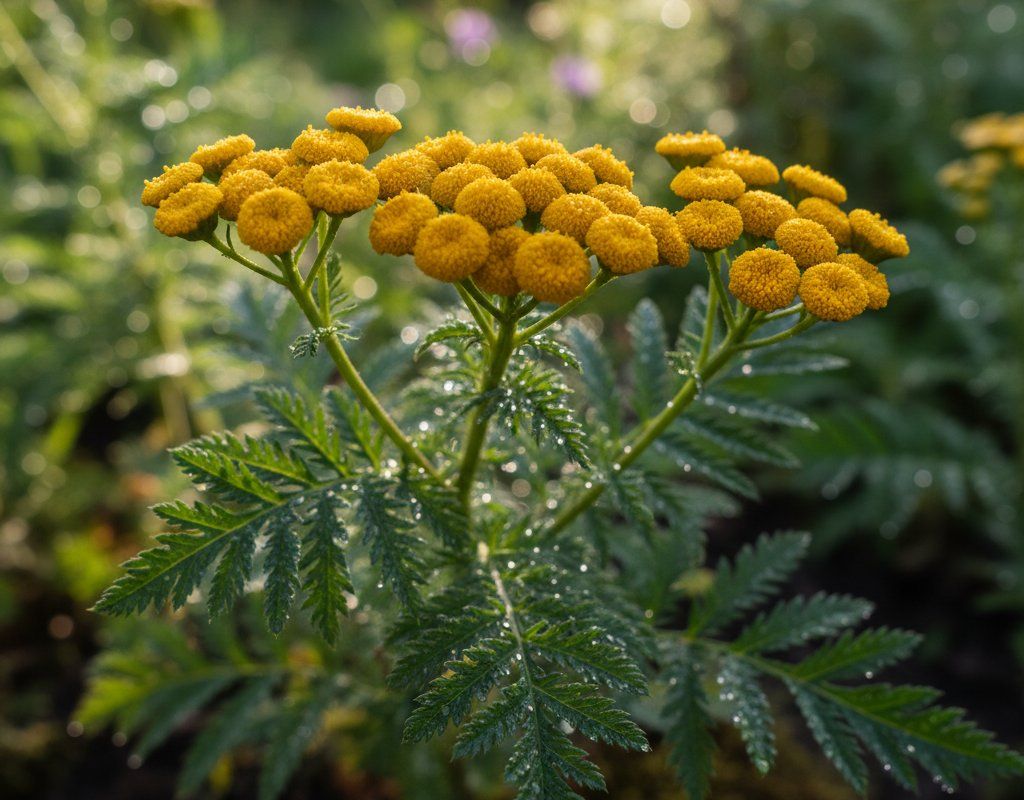
For Pest Control





Get a Reminder When It's Time to Plant
We'll email you when key planting windows open for your zone.