
Pumpkin in Zone 7A — Pacific Northwest
Cucurbita pepo · Your Complete 2026 Planting Guide
Planning Ahead — Great!
You’re ahead of the season. Here’s when to start.
Mark Your Calendar
How to Plant Pumpkin in Zone 7A — Pacific Northwest
Here are all your options for getting pumpkin in the ground, from the easiest method to more advanced approaches.
Direct Sow Seeds
RecommendedLate April through late June
around April 27
Consider succession planting every 2-3 weeks for continuous harvest.
Pumpkins grow well from direct-sown seeds after soil warms.
Buy Starts
Works WellEarly to late May
around May 4
Plant purchased starts after last frost (April 20).
Start Seeds Indoors
Works WellEarly to late April
around April 13
Then transplant: Early to late May
Start seeds 3-5 weeks before transplanting outdoors.
Transplant Outdoors
Timing InfoEarly to late May
around May 4
Wait until nighttime temperatures stay above 50°F.
Plan to transplant within a few weeks of your target date.
Overview
Growing pumpkins in our Pacific Northwest climate rewards you with incredible flavor depth that commercial varieties simply can't match. Our cool nights and mild summers create the perfect conditions for developing complex sugars and rich flesh, while the 183-day growing season gives these heat-loving vines just enough time to mature properly. You'll find that homegrown pumpkins have a sweetness and texture that makes both carving and cooking a genuine pleasure.
Yes, pumpkins need warmth and our springs start slow, but with careful timing you can absolutely succeed here in Zone 7A. The key is working with our climate patterns rather than against them – starting after the soil warms and taking advantage of our long, mild fall to bring crops to maturity before that mid-October frost arrives.
Starting Seeds Indoors
Starting pumpkin seeds indoors can give you a head start when our springs drag on with cool, overcast days. Sow seeds in early to late April, about three weeks before you plan to transplant outside. This method makes sense if you're growing large varieties that need every bit of our growing season, or if you want to get multiple varieties going despite limited garden space.
Use seed trays with good drainage and keep them warm – pumpkin seeds need consistent soil temperatures around 70°F to germinate well. Bottom watering works particularly well since it prevents the large seeds from floating around when you water from above. Place trays in a warm spot and provide good light once seedlings emerge.
Keep in mind that pumpkins don't love root disturbance, so use larger cells or peat pots that can go directly into the ground. Our typically wet springs mean you might end up holding seedlings longer than planned if soil conditions aren't right for transplanting.
Transplanting Outdoors
Plan to move your indoor-started seedlings outside from early to late May, once soil has warmed and nighttime temperatures stay consistently above 50°F. In our region, this timing often coincides with when the last of those surprise cool spells finally pass and soil starts feeling warm to the touch.
Harden off seedlings gradually over a week, starting with just a few hours of outdoor exposure and building up to full days. Our spring weather can be unpredictable, so watch for any sudden temperature drops that might shock young plants. Space transplants 5 to 8 feet apart – pumpkins need serious room to sprawl, and proper spacing helps prevent the fungal issues that can develop in our moist spring conditions.
When transplanting, handle the root ball carefully since pumpkins resent disturbance. Water in well and consider using row covers for the first week or two if nights are still on the cool side.
Direct Sowing
Direct sowing is your best bet for pumpkins in the Pacific Northwest – these vines actually prefer getting established right where they'll grow. Wait until late April through late June to plant, when soil has warmed to at least 60°F and feels comfortable to your hand. Our soil tends to stay cool well into spring, so patience pays off here.
Prepare planting areas by working in plenty of compost, since pumpkins are heavy feeders that appreciate rich, well-draining soil. Plant seeds 1 inch deep in hills or rows, spacing them 5 to 8 feet apart – trust me, they'll use every bit of that space once they start running. In our climate, you can succession plant through June if you want to stagger your harvest or try different varieties.
The key advantage of direct sowing here is avoiding transplant shock entirely. Seeds germinate reliably once soil warms up, and the resulting plants establish stronger root systems that handle our dry summer months better than transplanted seedlings.
Watering Pumpkin in Zone 7A (Pacific Northwest)
Pumpkins need consistent moisture throughout the growing season, but our Pacific Northwest climate requires a thoughtful approach to watering. During those wet spring months, focus on ensuring good drainage rather than adding water – young plants can easily rot in saturated soil. Once our dry summer months arrive, typically by early July, you'll need to shift into regular watering mode.
Provide about 1 to 1.5 inches of water per week during the growing season, delivered through deep, less frequent watering sessions rather than daily sprinkles. Check soil moisture using the finger test – stick your finger 2 inches down near the base of plants. If it feels dry at that depth, it's time to water. Our mild summer temperatures mean you won't need the intensive watering schedules required in hotter climates.
Water at the base of plants rather than overhead to keep leaves dry, which helps prevent powdery mildew issues in our moderate humidity. As fruits begin to size up in late summer, maintain consistent moisture – inconsistent watering can cause splitting or poor fruit development. Once pumpkins start changing color in early fall, you can reduce watering frequency to help concentrate flavors.
Apply a 2-inch layer of mulch around plants to retain soil moisture during our dry summer months and suppress weeds. Straw or grass clippings work well and break down nicely in our wet fall weather.
🧪Fertilizing Pumpkin
Feeding Schedule
Organic Fertilizer Options
Harvest Time
Your first pumpkins should be ready from early August through mid-October, depending on variety and when you planted. In our 183-day growing season, most varieties have plenty of time to mature if you get them started by late May. Look for full color development, a hard shell that can't be dented with your fingernail, and a hollow sound when you tap the fruit.
The stem provides the best maturity indicator – it should turn dry and corky, changing from green to brown. When harvesting, leave a 4-inch stem handle attached to help prevent rot and extend storage life. Cut the stem with pruning shears rather than pulling, which can damage the fruit or vine.
Our long, mild fall gives you flexibility in harvest timing, but keep an eye on weather forecasts as mid-October approaches. Light frosts won't immediately damage mature pumpkins on the vine, but a hard freeze will. If frost threatens before fruits are fully mature, harvest them anyway – they'll continue ripening in a warm, sunny location indoors, though flavor won't be quite as developed.
Plan your final harvest for early to mid-October, well before our typical first hard frost. Cure harvested pumpkins in the sun for a week if weather permits, or in a warm, dry location to toughen the skin for storage.
Common Problems in Zone 7A (Pacific Northwest)
Squash Vine Borers Watch for sudden wilting of entire vine sections, especially if it happens overnight. You'll often see small piles of sawdust-like material (called frass) at the base of stems where fat, white grubs have bored inside. The larvae tunnel through stems, cutting off water and nutrient flow to parts of the plant.
This pest thrives in our mild summer climate and can devastate pumpkin crops quickly. Prevent problems by wrapping the base of stems with aluminum foil or floating row covers early in the season. If you catch an infestation early, you can inject Bt (Bacillus thuringiensis) directly into affected stems. Consider succession planting to have backup plants ready.
Powdery Mildew You'll notice white or grayish powdery coating developing on leaves, stems, and sometimes fruit surfaces. Leaves curl, turn yellow, and eventually die back, reducing overall plant vigor significantly. This fungal disease loves our cool nights paired with warm days, and actually thrives when leaf surfaces stay dry.
Improve air circulation by spacing plants properly and removing some of the large lower leaves. Remove affected plant parts promptly and dispose of them away from the garden. Neem oil or potassium bicarbonate sprays help control spread, and surprisingly, a milk spray (1 part milk to 9 parts water) works effectively as a preventive treatment.
Poor Pollination Fruits develop small, misshapen, or not at all despite plenty of flowers blooming. You might see flowers that open beautifully in the morning but drop off by afternoon without setting fruit. This often results from insufficient pollinator activity or weather conditions that interfere with pollination.
Plant pollinator-friendly flowers nearby to attract bees and other beneficial insects. Hand-pollinate with a small paintbrush if necessary – transfer pollen from male flowers (on stems) to female flowers (with tiny fruits at the base). Avoid using pesticides during flowering periods, and provide shallow water sources for pollinators.
Pacific Northwest Specific Challenges Our region's combination of cool spring soil and relatively short heat season means timing becomes critical for pumpkin success. The mild summer temperatures rarely stress plants from heat, but they also don't provide the intense warmth that pumpkins crave for rapid growth. Additionally, our dry summer months require attention to consistent watering, while fall's returning moisture can promote fungal issues if air circulation isn't adequate.
Best Companions for Pumpkin
Plant these nearby for healthier Pumpkin and better harvests.

Keep Away From
Companion Planting Details
Pumpkins work beautifully in the traditional "Three Sisters" planting with corn and beans, especially in our Pacific Northwest climate. The corn provides natural support for bean vines while beans fix nitrogen that both corn and pumpkins can use. Plant radishes around the edges of your pumpkin patch – they mature quickly before pumpkins need the space and help break up soil while deterring some pest insects.
Avoid planting pumpkins near potatoes, as both are susceptible to similar diseases and pests that can build up in the soil. The sprawling pumpkin vines can also interfere with potato hilling and harvest. In our region's moderate climate, focus on companions that either mature early (like radishes) or grow vertically (like corn) to make the most of your garden space while pumpkins spread.
🌸Best Flowers to Plant with Pumpkin
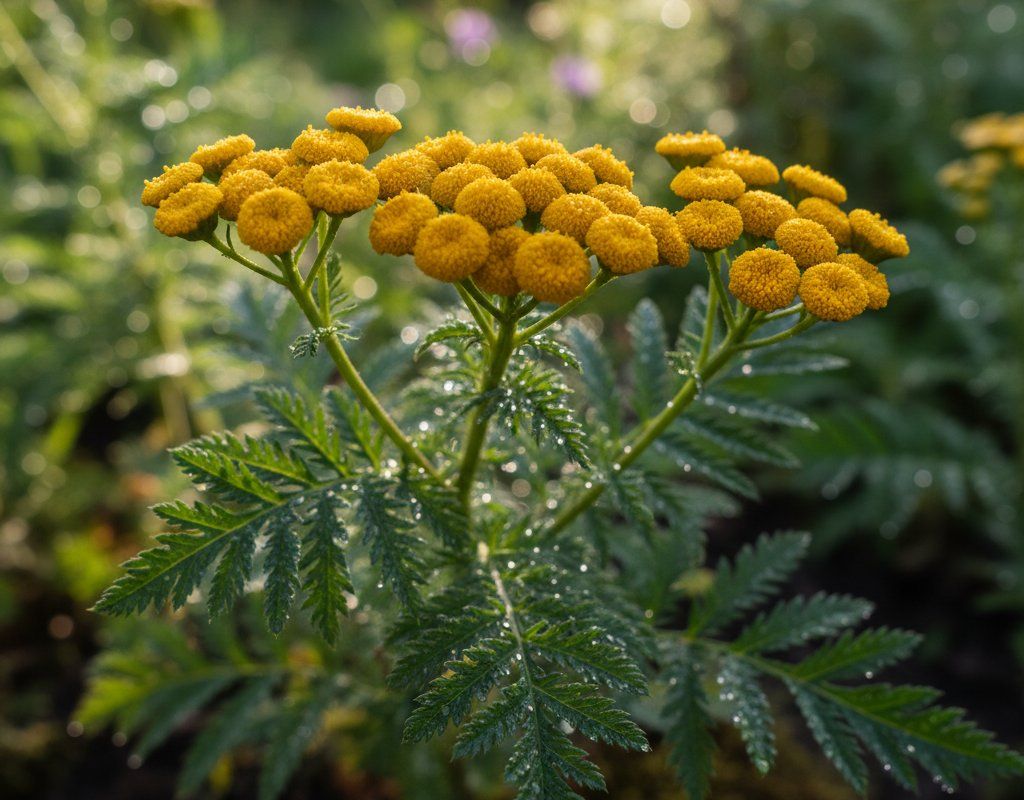
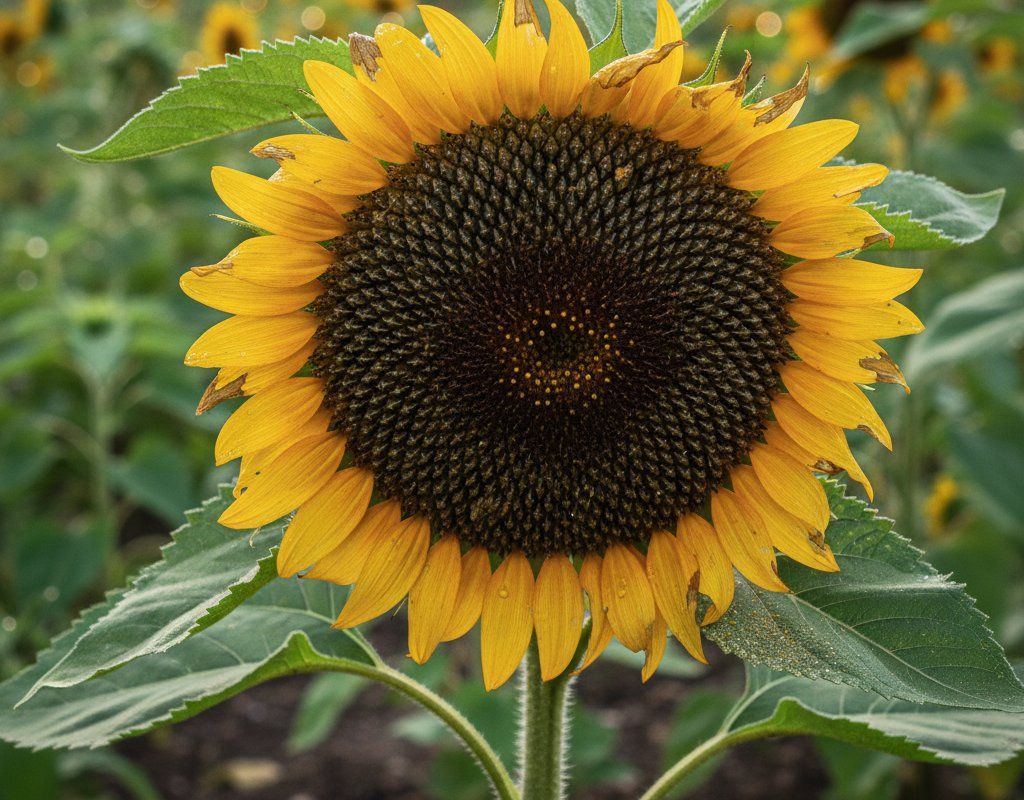
These flowers protect your Pumpkin from pests and attract pollinators for better harvests.
For Pest Control





Get a Reminder When It's Time to Plant
We'll email you when key planting windows open for your zone.