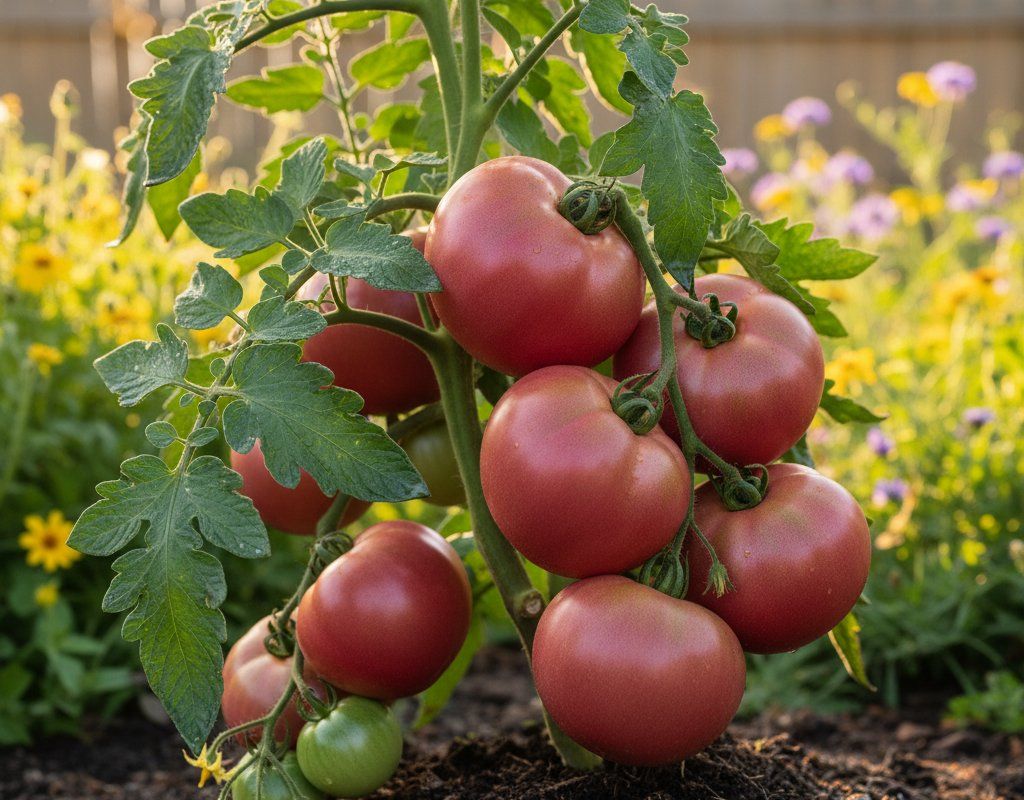
Brandywine Tomatoes in Zone 7A — Pacific Northwest
Solanum lycopersicum · Your Complete 2026 Planting Guide
Planning Ahead — Great!
You’re ahead of the season. Here’s when to start.
Mark Your Calendar
How to Plant Brandywine Tomatoes in Zone 7A — Pacific Northwest
Here are all your options for getting brandywine tomatoes in the ground, from the easiest method to more advanced approaches.
Start Seeds Indoors
RecommendedMid March through early April
around March 23
Then transplant: Early to late May
Start seeds 6-8 weeks before transplanting outdoors.
Buy Starts
Works WellEarly to late May
around May 4
Plant purchased starts after last frost (April 20).
Direct Sow Seeds
ChallengingDirect sowing is not typical for Brandywine Tomatoes.
Transplant Outdoors
Timing InfoEarly to late May
around May 4
Wait until nighttime temperatures stay above 50°F.
Plan to transplant within a few weeks of your target date.
Overview
Brandywine tomatoes are the ultimate reward for our mild Pacific Northwest summers. These massive heirloom beefsteaks deliver an unmatched sweet-tart flavor that makes every summer sandwich memorable, and their meaty texture holds up beautifully for fresh eating and cooking. While they need a bit more patience than hybrids, our cool nights actually enhance their complex flavor development, making them worth the extra effort.
Yes, Brandywine can be challenging in our region's relatively short warm season, but don't let that discourage you. With our 183-day growing season and strategic timing, you can absolutely grow prize-winning fruit. The key is starting early indoors and being patient with our characteristically slow spring warm-up.
Starting Seeds Indoors
Start your Brandywine seeds indoors from mid-March through early April, about six weeks before your planned transplant date. Our wet springs and overcast days mean outdoor conditions won't be suitable until May, so indoor starting is absolutely essential for these 90-day tomatoes.
Set up seed trays with quality potting mix and keep them warm—around 70-75°F works best for germination. A heat mat helps counter our cool spring indoor temperatures. Once seedlings emerge, provide strong light with grow lights or a bright south-facing window, though our often-cloudy spring days make supplemental lighting nearly essential.
Water from the bottom by placing trays in shallow water rather than watering from above. This prevents damping-off disease and encourages strong root development. Keep soil consistently moist but not soggy, and begin hardening off about a week before transplanting.
Transplanting Outdoors
Transplant your Brandywine seedlings outdoors from early to late May, once nighttime temperatures consistently stay above 50°F. Our Pacific Northwest springs can be deceptively cool even when days feel warm, so resist the urge to plant too early—cold soil will stunt growth and delay harvest.
Start hardening off your seedlings a full week before transplanting by gradually exposing them to outdoor conditions. Begin with just an hour or two of filtered sunlight, then increase exposure daily. This process is especially important here since our indoor-started plants need time to adjust to our cool, often breezy spring weather.
Space plants 36-48 inches apart to ensure good air circulation—this wider spacing helps prevent the fungal diseases that thrive in our humid spring conditions. Choose a sunny, well-draining spot that gets at least 6-8 hours of direct sun, as Brandywine needs every bit of warmth our mild summers can provide.
Watering Brandywine Tomatoes in Zone 7A (Pacific Northwest)
Brandywine tomatoes are thirsty plants that demand consistent moisture throughout our dry summer months. Unlike drought-tolerant varieties, these large-fruited heirlooms will crack, drop blossoms, or produce poorly if they experience even brief water stress. Plan to provide about 1-2 inches of water weekly once the dry season arrives.
Use the finger test to check soil moisture—stick your finger 2 inches deep near the plant base. If it feels dry at that depth, it's time to water. During our typical July and August dry spells, you'll likely need to water every 2-3 days, especially as plants reach full size and fruit begins developing.
Water at the base of plants rather than overhead to keep foliage dry in our humid spring conditions and conserve water during the dry summer months. A soaker hose or drip system works perfectly for this. Deep, infrequent watering encourages stronger root systems than frequent shallow watering.
Apply a 2-3 inch layer of organic mulch around plants to maintain consistent soil moisture and reduce your watering needs. This is especially valuable here since our dry summers can create dramatic wet-to-dry cycles when you do water, which is exactly what causes Brandywine's tendency to crack.
Supporting Your Brandywine Tomatoes
Brandywine's indeterminate vines will easily reach 6-8 feet tall and produce heavy 1-2 pound fruits, making strong support absolutely essential. Install sturdy 6-foot tomato cages or tall stakes at planting time—trying to add support later risks damaging the root system.
Heavy-duty cages work better than stakes for Brandywine since these vigorous plants produce multiple heavy fruiting branches. If you prefer staking, use 8-foot posts driven 2 feet into the ground, and plan to tie branches every 12-18 inches as they grow.
The potato-leaf foliage characteristic of Brandywine provides less shade and wind protection than regular tomato leaves, making sturdy support even more critical. Tie branches loosely with soft materials like old t-shirt strips or tomato ties to avoid cutting into stems as they grow.
Pruning & Maintaining Brandywine Tomatoes
Prune Brandywine moderately by removing suckers that grow between main stems and branches, but don't go overboard—these plants need adequate foliage to photosynthesize and shade developing fruit. Focus on removing suckers below the first flower cluster and any that crowd the center of the plant.
Remove lower leaves that touch the ground to improve air circulation and prevent soil-borne diseases, which is especially important during our wet spring months. As fruit begins to ripen in late summer, you can remove some upper leaves to direct energy into fruit development.
About 4-6 weeks before your first expected frost in mid-October, top the plants by pinching off growing tips. This stops new flower production and directs the plant's energy into ripening existing fruit before our fall weather arrives.
🧪Fertilizing Brandywine Tomatoes
Feeding Schedule
Organic Fertilizer Options
Harvest Time
Your first Brandywine tomatoes will be ready from early August through mid-September, depending on your spring planting timing and summer weather patterns. Look for fruits that show pink-red color with a slight give when gently squeezed—the shoulders may stay green, which is normal for this variety.
Harvest in the morning when temperatures are cool and plants are well-hydrated. Twist and pull gently, or use clean shears to cut the stem just above the fruit. Handle these large, soft fruits carefully since they bruise more easily than firm hybrid varieties.
Brandywine produces continuously until frost, so check plants every 2-3 days during peak season. Prompt harvesting encourages continued production and prevents overripe fruit from attracting pests or developing rot that can spread to other fruit.
As mid-October approaches and first frost threatens, harvest all mature green fruits and ripen them indoors in a warm spot. Even green Brandywines will ripen to full flavor if they've reached mature size, giving you fresh tomatoes well into fall despite our relatively short growing season.
Common Problems in Zone 7A (Pacific Northwest)
Cracking Concentric or radial splits appear around the stem end or along the sides of ripening fruit, exposing the flesh to rot and insects. This is especially common in Brandywine due to its large size and thin skin.
Our dry summer months followed by heavy watering or late-season rains create the perfect conditions for cracking. The fruit absorbs water faster than the skin can expand, causing it to split open.
Maintain consistent soil moisture with regular watering and thick mulch. Harvest fruit at the first blush of color rather than waiting for full ripeness on the vine. Consider installing a simple rain shelter during fall rains to prevent late-season cracking.
Low Yields Plants look healthy but produce fewer fruits than expected, sometimes only 3-4 large tomatoes per plant instead of the 8-12 you might expect from a hybrid variety.
Brandywine is naturally lower-yielding than modern hybrids, but our cool nights and short heat season can further reduce production. Insufficient pollination during cool weather and too much nitrogen fertilizer can also limit fruit set.
Be patient—Brandywine trades quantity for quality. Ensure plants get maximum sun exposure in your garden's warmest spot. Use balanced fertilizer rather than high-nitrogen formulas, and consider hand-pollinating flowers during cool spells by gently tapping flower clusters.
Disease Susceptibility Plants develop brown or black spots on leaves, yellowing foliage, or stem cankers more readily than hybrid varieties, especially during our wet spring months and humid morning conditions.
Heirloom varieties like Brandywine lack the disease resistance genes bred into modern hybrids, making them more vulnerable to common tomato diseases like late blight, early blight, and bacterial speck.
Space plants wider than usual for better air circulation, and remove affected foliage immediately. Apply preventative organic fungicides during wet spring weather. Consider growing in raised beds or containers with fresh potting soil to avoid soil-borne diseases.
Catfacing Deep crevices, scars, and puckering appear on the blossom end of fruits, making them look deformed and reducing usability, though the fruit remains edible.
Cool nighttime temperatures during flowering cause incomplete pollination, leading to misshapen fruit development. Our cool spring nights make this especially common in early fruit sets.
Plant after soil and air temperatures have warmed adequately in May. Use row covers or wall-of-water protectors for early plantings to maintain warmer nighttime temperatures around flowers. The deformed fruits are perfectly safe to eat—just trim away the affected areas.
Pacific Northwest Specific Challenges: Our mild summers and cool nights, while great for flavor, mean Brandywine needs every advantage you can give it. Late blight can be devastating during wet springs, while our relatively short heat season means any setbacks significantly impact harvest timing.
Best Companions for Brandywine Tomatoes
Plant these nearby for healthier Brandywine Tomatoes and better harvests.
View Full Companion Planting Chart →



Companion Planting Details
Plant basil alongside your Brandywine tomatoes—it reportedly improves flavor while deterring aphids and other pests with its strong scent. Carrots make excellent companions since their deep taproots don't compete with tomato roots, and parsley provides beneficial insect habitat while taking up minimal space. Marigolds planted nearby help repel nematodes and other soil pests while adding cheerful color to your tomato patch.
Avoid planting brassicas like cabbage or broccoli near tomatoes, as they can stunt tomato growth and attract different pest complexes. Skip fennel entirely—it releases compounds that inhibit tomato growth. Also avoid corn, which attracts tomato hornworms and competes for similar nutrients, making both crops less productive in our region's shorter growing season.
🌸Best Flowers to Plant with Brandywine Tomatoes
These flowers protect your Brandywine Tomatoes from pests and attract pollinators for better harvests.
For Pest Control

Get a Reminder When It's Time to Plant
We'll email you when key planting windows open for your zone.