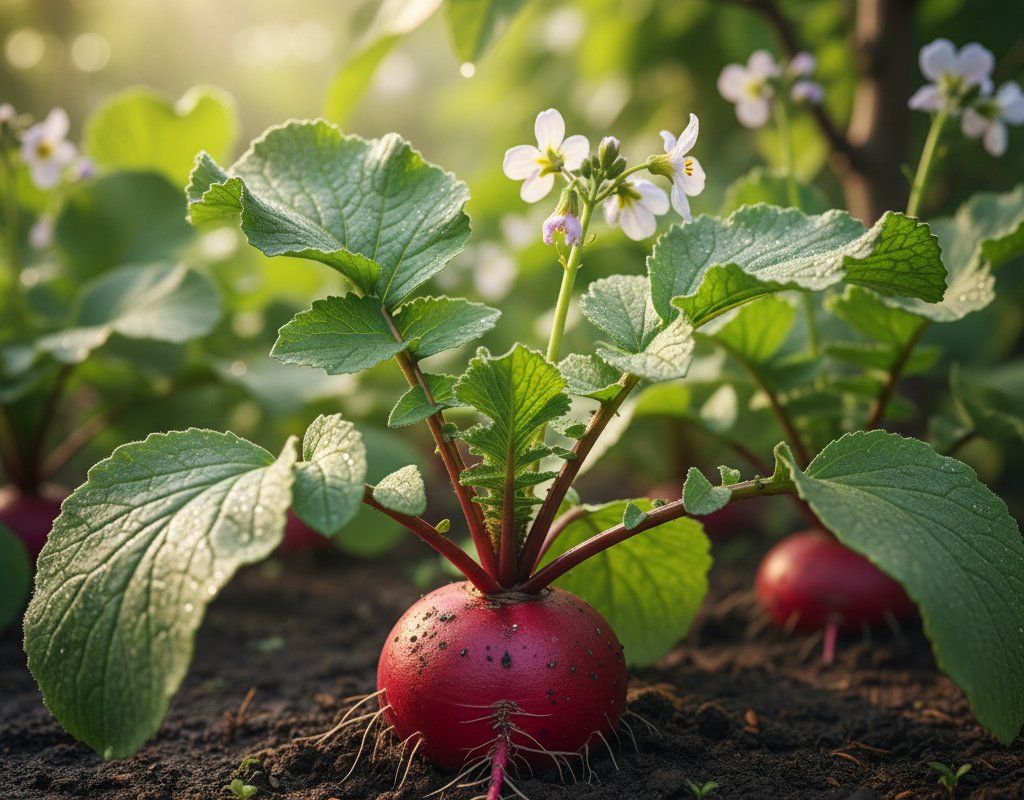
Radish in Zone 6B — Pacific Northwest
Raphanus sativus · Your Complete 2026 Planting Guide
Planning Ahead — Great!
You’re ahead of the season. Here’s when to start.
Mark Your Calendar
How to Plant Radish in Zone 6B — Pacific Northwest
Here are all your options for getting radish in the ground, from the easiest method to more advanced approaches.
Direct Sow Seeds
RecommendedEarly April through early September
around April 3
Consider succession planting every 2-3 weeks for continuous harvest.
Fast-growing and easy. No reason to start indoors.
Buy Starts
Works WellEarly April through mid May
around April 3
Plant purchased starts after last frost (May 1).
Start Seeds Indoors
ChallengingThis plant is typically not started indoors.
Transplant Outdoors
Timing InfoEarly April through mid May
around April 3
Can tolerate light frost, but wait for soil to be workable.
You have a nice window — no need to rush.
Fall Planting
Mid August through mid September
August 29 ideal · Direct sow for fall harvest
Plant a second crop in mid-summer for fall harvest. Radish actually prefers the cooling temperatures of fall.
Overview
Radishes are perfect for our mild Pacific Northwest summers, delivering crisp, peppery bites in just 25 days from seed to harvest. Here in Zone 6B, our cool nights and moderate temperatures create ideal conditions for developing those clean, sharp flavors that make homegrown radishes so much better than store-bought. You can succession plant throughout our 162-day growing season, from early spring through fall, taking advantage of our long, mild autumn to extend harvests well into October.
While our wet springs can delay early sowings and slugs love tender seedlings, radishes are so quick-growing that timing your plantings around dry spells makes these challenges manageable. The key is working with our Pacific Northwest rhythm—starting when soils warm in April and continuing regular sowings through our dry summer months for continuous harvests.
Transplanting Outdoors
While radishes can be transplanted, there's really no reason to start them indoors since they mature so quickly from direct sowing. If you do have transplants from early indoor sowings, you can move them outside from early April through mid-May once they have their first true leaves.
Harden off transplants gradually over a week, starting with 2-3 hours of outdoor exposure and building up to full days. Our overcast spring days make this process easier than in sunnier climates, but you'll still want to protect them from any late cold snaps that can hit the Pacific Northwest in April.
Space transplants 2-4 inches apart in rows or blocks. Plant them at the same depth they were growing in their containers, being careful not to disturb the taproot during transplanting.
Direct Sowing
Direct sowing is the best method for radishes in the Pacific Northwest, and you can start as early as early April once soils begin to warm and dry out from our wet winters. Continue succession plantings every 2-3 weeks through early September to maintain steady harvests through our excellent fall growing season.
Prepare loose, well-draining soil by working in some compost—radishes need to push through the soil easily to form proper roots. Sow seeds ½ inch deep and 2-4 inches apart, or broadcast and thin later. Our cool spring soils mean germination takes 7-10 days rather than the 4-5 days you'd see in warmer climates.
The beauty of radishes is their speed and simplicity. No indoor starting, no transplant shock, no complex timing—just scatter seeds in prepared soil and you'll be harvesting crisp roots in less than a month. Perfect for filling gaps between slower crops or keeping kids interested in the garden.
Watering Radish in Zone 6B (Pacific Northwest)
Radishes need consistent moisture to develop crisp, mild roots, but they're forgiving enough that you don't need to fuss over them daily. In our dry Pacific Northwest summers, plan to water deeply once or twice a week rather than light daily sprinklings. The finger test works perfectly—stick your finger 2 inches into the soil, and if it's dry, it's time to water.
During our mild summer weather (rarely above 82°F), radishes typically need about ¾ inch of water per week. Water at the base of plants rather than overhead to keep foliage dry—our low summer humidity means less disease pressure, but wet leaves still invite problems. Early morning watering gives plants time to dry before evening.
Drought stress is radishes' biggest enemy, turning sweet, crisp roots into woody, fiery-hot disappointments. You'll know they're stressed when leaves start looking dull and growth slows noticeably. Conversely, overwatering in our clay-heavy soils can cause roots to crack or become mushy, especially during our wet spring months.
A thin layer of straw mulch helps maintain even moisture during our dry summer months while keeping soil temperatures cool—exactly what radishes prefer. Since they mature in just 25-30 days, consistent watering throughout their short life cycle makes all the difference between perfect radishes and bitter disappointments.
🧪Fertilizing Radish
Feeding Schedule
Organic Fertilizer Options
Harvest Time
Your first radishes will be ready for harvest from late April through mid-October, depending on when you planted. Most varieties are ready in about 25 days when the shoulders of the radish push slightly above the soil surface—a sure sign they're sized up and ready to pull.
Harvest in the morning when roots are fully hydrated and at their crispest. Gently pull the entire plant, brushing off soil and trimming leaves to about an inch above the root. Spring radishes are best when they're about 1 inch in diameter—any larger and they become pithy and overly pungent, especially during warmer weather.
Don't leave radishes in the ground too long, thinking they'll get better with age. Unlike root vegetables that can stay in soil for weeks, radishes have a narrow harvest window before becoming woody and unpalatable. If you're growing multiple varieties, taste-test one every few days once they start sizing up.
As our first frost approaches in early October, harvest any remaining fall radishes promptly. While they can handle light frosts that might just nip the leaves, the roots themselves don't store well in frozen ground and will become mushy and inedible.
Common Problems in Zone 6B (Pacific Northwest)
Flea Beetles These tiny, dark beetles create characteristic round holes throughout radish leaves, making them look like they've been hit with buckshot. The beetles jump when disturbed and can quickly defoliate young seedlings in our mild spring weather when they're most active.
Flea beetles target all brassicas and love tender young growth. They overwinter in plant debris and emerge as soon as temperatures warm in spring, which coincides perfectly with early radish sowings in the Pacific Northwest.
Row covers during the first 2-3 weeks after germination protect vulnerable seedlings. You can also delay planting until mid-to-late April when plants establish faster in warmer soil. Kaolin clay spray creates a barrier, while interplanting with basil or catnip can help deter them naturally.
Root Maggots Small white maggots tunnel through radish roots, creating brown, corky channels that make them inedible. You'll often see stunted growth and yellowing leaves before discovering the damage when you pull the radishes.
These are the larvae of cabbage root flies, which lay eggs near the base of brassica plants. Our cool, moist spring conditions in the Pacific Northwest create perfect conditions for these pests to thrive.
Row covers from seeding through harvest provide the most reliable protection. Beneficial nematodes applied to soil can help control larvae populations. Rotating planting areas each season and cleaning up all plant debris reduces overwintering sites.
Pithy Roots Instead of crisp, solid flesh, radishes develop dry, spongy centers with an overly hot, bitter flavor. This is most common during warm weather or when plants are stressed by inconsistent watering.
Uneven moisture, letting radishes grow too large, or exposing them to temperature stress causes this physiological problem. Even our mild Pacific Northwest summers can trigger this if watering isn't consistent.
Maintain steady soil moisture throughout the growing period and harvest radishes promptly when they reach proper size. During warmer spells, provide afternoon shade and increase watering frequency to keep stress levels low.
Pacific Northwest Specific Challenges Our region's slug population can devastate radish seedlings overnight, especially during wet spring weather. Copper tape barriers, diatomaceous earth, or beer traps help protect young plants. The cool soils common in our wet springs can slow germination, making seedlings vulnerable longer—consider waiting until soils warm and dry slightly before sowing.
Best Companions for Radish
Plant these nearby for healthier Radish and better harvests.


Keep Away From
Companion Planting Details
Radishes make excellent companions for carrots in Pacific Northwest gardens—the quick-maturing radishes break up soil for the slower carrots while marking rows during germination. Plant them with lettuce and other greens to maximize space during our cool spring and fall seasons when both crops thrive. Peas also pair well, with radishes growing quickly in the space between pea plants before the peas fill out.
Avoid planting radishes near hyssop, which can stunt their growth through allelopathic effects. Since radishes mature so quickly, focus on companions that either mature at different times or benefit from the soil cultivation radishes provide as you harvest them.
🌸Best Flowers to Plant with Radish
These flowers protect your Radish from pests and attract pollinators for better harvests.



Get a Reminder When It's Time to Plant
We'll email you when key planting windows open for your zone.