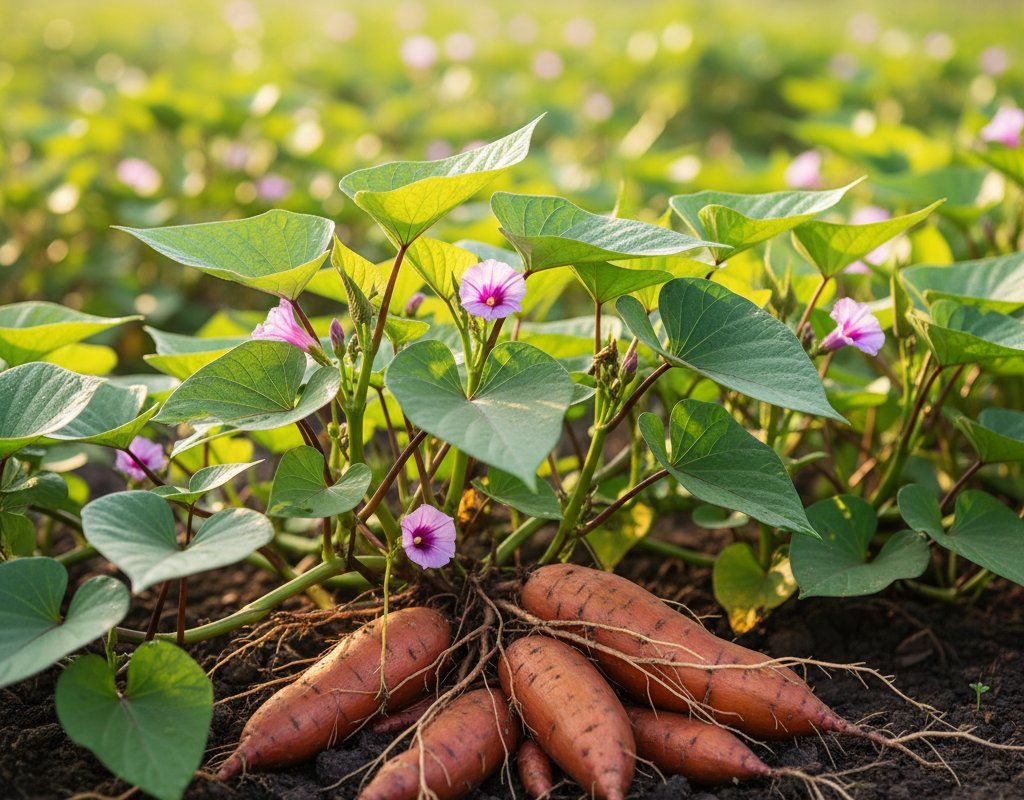
Sweet Potato in Zone 6B — Pacific Northwest
Ipomoea batatas · Your Complete 2026 Planting Guide
Planning Ahead — Great!
You’re ahead of the season. Here’s when to start.
Mark Your Calendar
How to Plant Sweet Potato in Zone 6B — Pacific Northwest
Here are all your options for getting sweet potato in the ground, from the easiest method to more advanced approaches.
Buy Starts
RecommendedLate May through mid June
around May 22
Plant purchased starts after last frost (May 1).
Plant slips (rooted sprouts) after soil is warm. Buy slips or grow your own from a sweet potato.
Start Seeds Indoors
Works WellMid March through early April
around March 27
Then transplant: Late May through mid June
Start seeds 8-10 weeks before transplanting outdoors.
Direct Sow Seeds
ChallengingDirect sowing is not typical for Sweet Potato.
Transplant Outdoors
Timing InfoLate May through mid June
around May 22
Wait until nighttime temperatures stay above 50°F.
Plan to transplant within a few weeks of your target date.
Overview
Sweet potatoes offer Pacific Northwest gardeners something special—rich, complex flavors that develop beautifully in our mild summers and cool nights. While many associate these nutritious tubers with warmer climates, they actually thrive in our moderate temperatures, producing dense, flavorful flesh that's perfect for roasting, baking, or turning into those fall comfort foods we crave as the wet season returns.
Growing sweet potatoes in Zone 6B does require some patience and planning, especially with our slow spring warmup and the need to get them established before our first frost arrives in early October. But with our generous 162-day growing season and those flavor-enhancing cool nights, you'll find that timing your plantings right makes this heat-loving crop completely manageable in our Pacific Northwest gardens.
Starting Seeds Indoors
Starting sweet potatoes from seed isn't the typical approach—most gardeners work with slips (rooted sprouts) instead. If you do want to try seeds, start them indoors from mid-March through early April, giving yourself about 8 weeks before transplanting time arrives.
Sweet potato seeds need consistent warmth to germinate, so place your seed trays on a heat mat or in the warmest spot in your house. Our overcast spring days mean you'll definitely need grow lights to give seedlings the strong light they crave. Bottom watering works well since it keeps the soil consistently moist without creating the soggy conditions that can lead to damping off.
Honestly, you'll have better luck buying slips from a reputable supplier or growing your own from a sweet potato tuber. Starting from seed can be unpredictable, and with our relatively short growing season, you want to give your plants the strongest possible start.
Transplanting Outdoors
Sweet potato slips need warm soil to establish successfully, so wait until late May through mid-June to transplant them outdoors. The soil temperature should be consistently above 60°F, which typically happens once our spring rains taper off and we get those first reliable stretches of mild, dry weather.
Harden off your slips gradually over a week, starting with just a few hours of filtered sunlight and gradually increasing their outdoor exposure. Plant them 12-18 inches apart in loose, well-draining soil—sweet potatoes hate wet feet, which makes them well-suited to our dry summer months ahead.
Plant each slip deep, burying about two-thirds of the stem and leaving just the top leaves exposed. This deep planting encourages strong root development along the buried stem. Choose your sunniest, warmest spot since sweet potatoes need all the heat they can get in our mild summers to develop those sweet, dense tubers before October's first frost arrives.
Watering Sweet Potato in Zone 6B (Pacific Northwest)
Sweet potatoes appreciate moderate, consistent moisture during their growing season, but they're surprisingly forgiving once established. In our dry summer climate, you'll typically need to water once or twice weekly, providing about an inch of water each time. The finger test works perfectly—stick your finger 2 inches into the soil, and if it feels dry, it's time to water.
Water at the base of the plants rather than overhead to keep the foliage dry. This is particularly important in late summer when cool, humid mornings return and can encourage fungal issues. Our naturally low summer humidity helps prevent most disease problems, but good watering practices keep your plants healthiest.
During the peak of summer, established sweet potato vines actually handle our mild heat and dry conditions quite well thanks to their drought-tolerant nature. The key is maintaining even moisture without waterlogging the soil. About 3-4 weeks before your expected harvest, reduce watering frequency to help the tubers concentrate their sugars and develop better storage quality.
A 2-3 inch layer of organic mulch helps maintain consistent soil moisture during our dry months while keeping weeds down. This is especially valuable in late summer when you want to avoid the stress that comes from fluctuating moisture levels as harvest time approaches.
🧪Fertilizing Sweet Potato
Feeding Schedule
Organic Fertilizer Options
Harvest Time
Your sweet potatoes will be ready for harvest from late August through early October, typically after about 100 days of growth. Unlike many root crops, sweet potatoes don't give you obvious above-ground signals when they're ready—you'll need to do some gentle digging to check tuber development.
Start checking a few plants in late August by carefully digging around the base to see how the tubers are sizing up. Mature sweet potatoes should be firm and well-colored, with smooth skin that doesn't easily scratch off with your fingernail. The vines may start yellowing slightly as they mature, but this isn't as reliable an indicator as it is with regular potatoes.
Plan to harvest your entire crop before the first frost hits in early October. Sweet potato foliage is extremely frost-sensitive, and damaged vines can lead to tuber rot. Dig carefully with a garden fork, starting well away from the plant base to avoid spearing the tubers. Brush off excess soil, but don't wash them—cured sweet potatoes store much better with their protective skin intact.
After harvesting, cure your sweet potatoes in a warm (80-85°F), humid location for 1-2 weeks. This process converts starches to sugars and toughens the skin for better storage. A sunny garage or heated basement works well during our mild fall weather.
Common Problems in Zone 6B (Pacific Northwest)
Sweet Potato Weevils These small, dark weevils create small holes in tubers and can tunnel through the flesh, leaving behind a bitter taste. You'll notice small entry holes in harvested sweet potatoes, often with dark, rotted areas around them. The larvae feed inside the tubers, making them inedible.
Sweet potato weevils thrive in warm, humid conditions but can still be problematic in stored tubers. Crop rotation helps significantly—don't plant sweet potatoes in the same spot for at least three years. Remove any volunteer plants and clean up all plant debris after harvest. Proper curing and storage in cool, dry conditions also reduces weevil problems.
Wireworms These thin, yellowish larvae create tunnels through sweet potato tubers, making them look like they've been drilled with small holes. You might not notice the damage until harvest, when you'll find smooth, round holes throughout otherwise healthy-looking tubers.
Wireworms are actually click beetle larvae that live in soil for several years. They're more common in areas that were previously grassland or have been in sod. Till your planting area in fall to expose larvae to winter weather and predators. Crop rotation away from grasses helps reduce populations over time.
Cracking Sweet potato tubers can develop splits or cracks, either in concentric circles or radial lines from the center. These cracks expose the flesh to rot and make storage difficult. The splits often appear after periods of heavy watering following dry spells.
Inconsistent moisture causes sweet potatoes to absorb water faster than their skin can expand, leading to splitting. Maintain even soil moisture throughout the growing season with regular watering and good mulch coverage. This is especially important during our transition from dry summer weather to fall rains.
Pacific Northwest Specific Challenges: Our region's cool soil in spring means sweet potatoes get off to a slow start, making them more susceptible to early-season problems. The short heat period during our mild summers can stress plants that aren't well-established, while our sudden return to cool, wet fall weather can catch tubers before they're fully mature, leading to storage issues.
Best Companions for Sweet Potato
Plant these nearby for healthier Sweet Potato and better harvests.


Keep Away From
Companion Planting Details
Sweet potatoes make excellent companions for the classic "Three Sisters" combination—beans and corn create beneficial relationships while maximizing your growing space. The nitrogen-fixing beans help feed the sweet potato vines, while corn provides natural trellises that keep the sprawling sweet potato foliage from taking over your entire garden bed.
Avoid planting sweet potatoes near their close relatives like regular potatoes, as they can share similar pest and disease issues. Otherwise, sweet potatoes are fairly compatible with most crops. In our Pacific Northwest climate, pairing them with other heat-loving plants like peppers or eggplants makes sense since they all benefit from the warmest, sunniest spots in your garden and similar watering schedules during our dry summer months.
🌸Best Flowers to Plant with Sweet Potato
These flowers protect your Sweet Potato from pests and attract pollinators for better harvests.
For Pest Control




Get a Reminder When It's Time to Plant
We'll email you when key planting windows open for your zone.