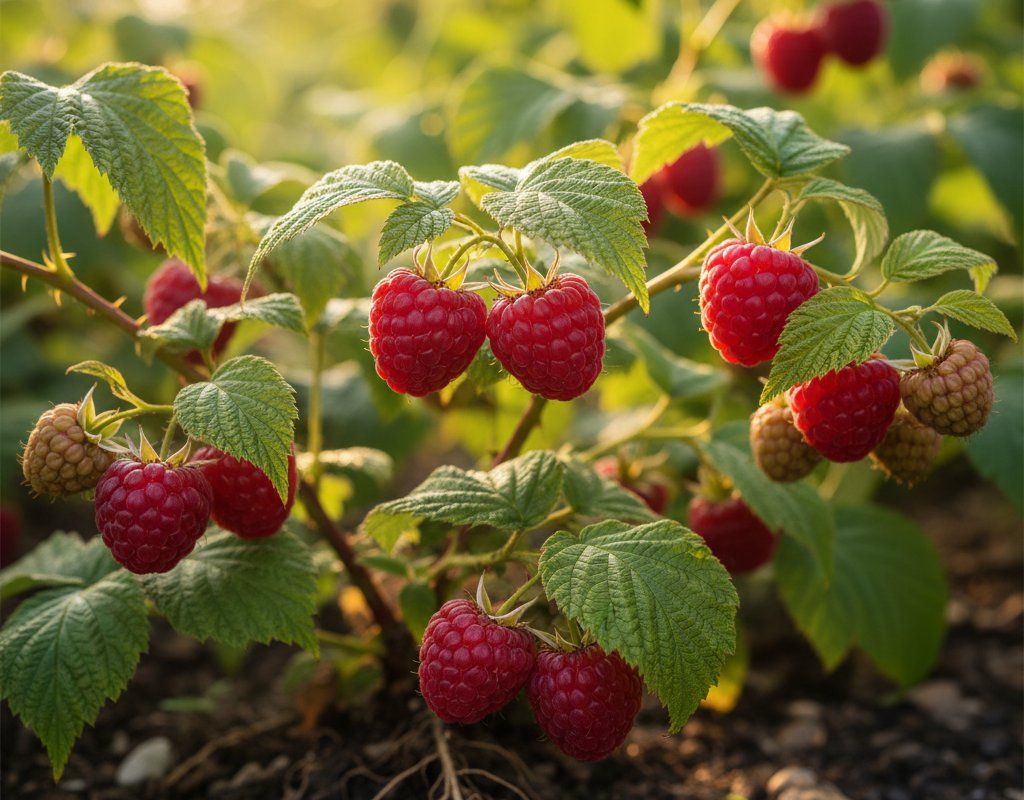
Raspberry in Zone 6B — Mountain West
Rubus idaeus · Your Complete 2026 Planting Guide
Check Planting Details Below
See the full planting guide for timing information.
How to Plant Raspberry in Zone 6B — Mountain West
Here are all your options for getting raspberry in the ground, from the easiest method to more advanced approaches.
Buy Starts
RecommendedLate April through late May
around April 25
Plant purchased starts after last frost (April 25).
Buy bare-root canes or potted plants. Plant in early spring or fall.
Start Seeds Indoors
ChallengingThis plant is typically not started indoors.
Direct Sow Seeds
ChallengingDirect sowing is not typical for Raspberry.
Transplant Outdoors
Timing InfoLate April through late May
around April 25
Can tolerate light frost, but wait for soil to be workable.
You have a nice window — no need to rush.
Overview
Raspberries are a rewarding crop for the Mountain West gardener. Their sweet, tangy flavor is amplified by our cool nights, making them far superior to anything you'll find at the store. Plus, growing your own means you can enjoy them fresh, freeze them for later, or turn them into delicious jams and desserts.
Our short growing season and alkaline soil can be challenging for raspberries, but with careful planning and the right techniques, you can absolutely have a successful harvest. Our 163-day season means getting transplants in the ground at the right time is critical, but entirely doable.
Transplanting Outdoors
Transplant your raspberry bushes outdoors from late April through late May, once the danger of hard frost has passed. Before planting, harden off your raspberry transplants by gradually exposing them to outdoor conditions for about a week. This helps them adjust to the intense sun and cooler nights we often experience.
Space your raspberry plants 2-3 feet apart to allow for good air circulation and prevent overcrowding. When planting, amend your alkaline soil with plenty of compost to improve drainage and nutrient availability.
Keep an eye on the weather forecast during this transplant window. A late-season snow or hailstorm can damage young plants. Be prepared to cover them if necessary.
Watering Raspberry in Zone 6B (Mountain West)
Raspberries need consistent moisture, especially during fruit development. Aim for about 1-2 inches of water per week, which can be a challenge in our dry Mountain climate. The best way to deliver water is through drip irrigation, which directs water right to the roots and minimizes water loss from evaporation in our low humidity.
Pay close attention to your plants. Stick your finger about 2 inches deep into the soil near the base of the plant. If it feels dry, it's time to water. During hotter periods, you may need to water more frequently.
Avoid overhead watering, which can lead to fungal diseases. Signs of underwatering include wilting leaves and dry, crumbly soil. Overwatering can cause yellowing leaves and root rot. Mulching around your raspberry plants with wood chips or straw helps retain moisture and suppress weeds.
Supporting Your Raspberry
Raspberries, with their upright growth habit, benefit greatly from support. Install a simple two-wire trellis system at planting time. This will keep the canes upright, prevent them from flopping over, and make harvesting easier.
A two-wire trellis consists of two horizontal wires strung between sturdy posts, one at about 2-3 feet and another at about 4-5 feet above the ground. As the canes grow, gently guide them between the wires.
This support system also improves air circulation around the plants, which helps prevent fungal diseases that can be exacerbated by our cool nights and occasional summer storms.
Pruning & Maintaining Raspberry
Pruning is essential for maintaining healthy and productive raspberry plants. The timing and method depend on whether you have summer-bearing or everbearing varieties.
For summer-bearing raspberries, remove the spent canes after they have finished fruiting. These are the canes that produced berries that year. Cut them back to ground level. For everbearing raspberries, you have two options: you can cut all the canes to the ground in late winter for one large fall crop, or you can selectively prune them to encourage two harvests – one in summer and one in fall.
Regardless of the type, always remove any weak, damaged, or diseased canes to improve air circulation and overall plant health. Prune in late winter or early spring, before new growth begins. As the first frost approaches in early October, remove any unripe fruit and prepare to prune according to your variety.
🧪Fertilizing Raspberry
Feeding Schedule
Organic Fertilizer Options
Harvest Time
You can expect your first raspberry harvest from late June through mid August, depending on the variety and the specific microclimate of your garden. Raspberries are ready to harvest when they are deeply colored and pull easily from the core. A ripe berry will release with just a gentle tug.
Harvest every 2-3 days during peak season to prevent overripe berries from attracting pests or developing mold. Handle the berries gently to avoid bruising.
As the first frost approaches in early October, harvest any remaining ripe berries. Green berries won't ripen off the vine, so discard them or use them to make raspberry vinegar.
Common Problems in Zone 6B (Mountain West)
Here are some common problems you might encounter with raspberries in the Mountain West:
Spotted Wing Drosophila
- What it looks like: Tiny, vinegar-like flies laying eggs in ripening fruit, causing soft spots and premature fruit drop.
- What causes it: This pest thrives in humid conditions, but can still be a problem in our region, especially after summer storms.
- How to fix/prevent it: Use traps to monitor populations, remove infested fruit promptly, and consider using insect netting to protect plants.
Cane Borer
- What it looks like: Wilting or dying canes with small holes near the base.
- What causes it: Cane borers are beetles that lay eggs in the canes, and the larvae tunnel through the stems, disrupting water and nutrient flow.
- How to fix/prevent it: Prune and destroy infested canes below the point of damage. Monitor plants regularly for signs of infestation.
Gray Mold (Botrytis)
- What it looks like: Fuzzy, gray mold on berries and leaves, especially during wet weather.
- What causes it: This fungal disease thrives in humid conditions and can be exacerbated by poor air circulation.
- How to fix/prevent it: Improve air circulation by pruning and spacing plants properly. Avoid overhead watering. Remove and destroy infected plant material.
Raspberry Crown Borer
- What it looks like: Weakened plants with reduced vigor, and potentially swollen areas near the base of the canes.
- What causes it: Crown borers are moth larvae that tunnel into the crown and roots of the raspberry plant.
- How to fix/prevent it: Difficult to control. Remove and destroy infested plants. Consider using beneficial nematodes to target the larvae in the soil.
Mountain West Specific Challenges: The intense sun at high altitude can scorch leaves and berries if plants are not adequately watered. Low humidity helps reduce fungal diseases, but also means you need to be vigilant about providing consistent moisture. Hailstorms can cause significant damage to canes and fruit, so consider using netting to protect your plants during periods of severe weather.
Best Companions for Raspberry
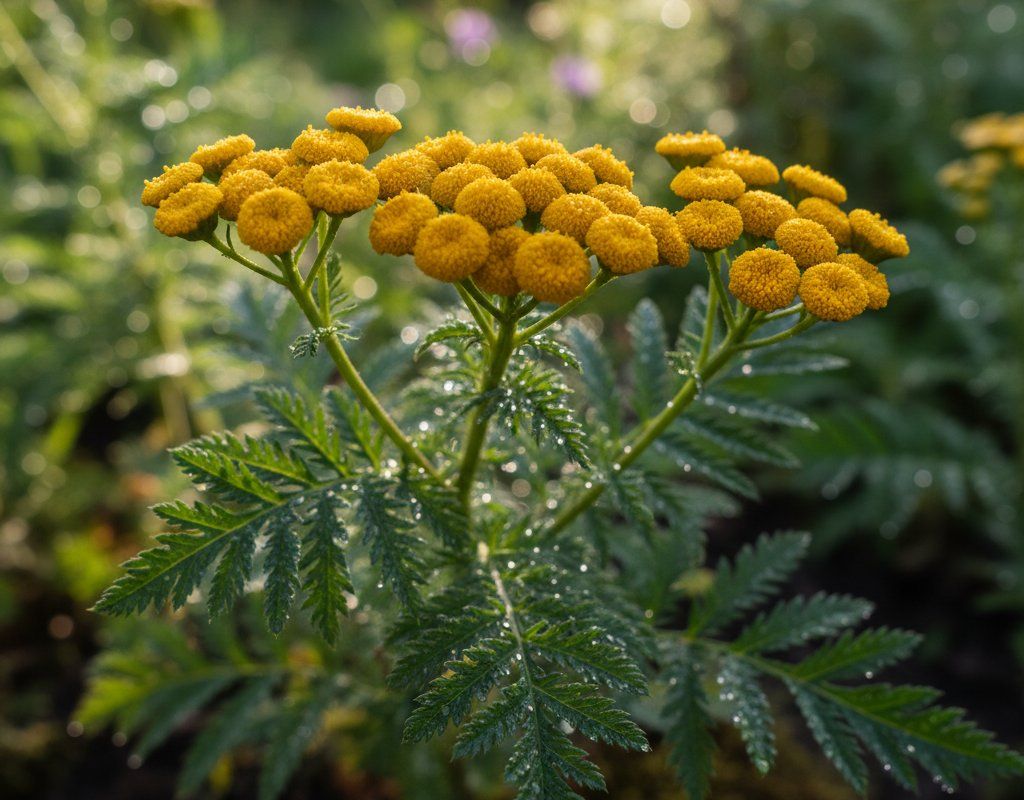
Plant these nearby for healthier Raspberry and better harvests.

Keep Away From



Companion Planting Details
Companion planting can help improve the health and productivity of your raspberry plants.
Good companions for raspberries include garlic, tansy, and marigolds. Garlic and tansy are believed to repel pests, while marigolds attract beneficial insects that prey on harmful ones.
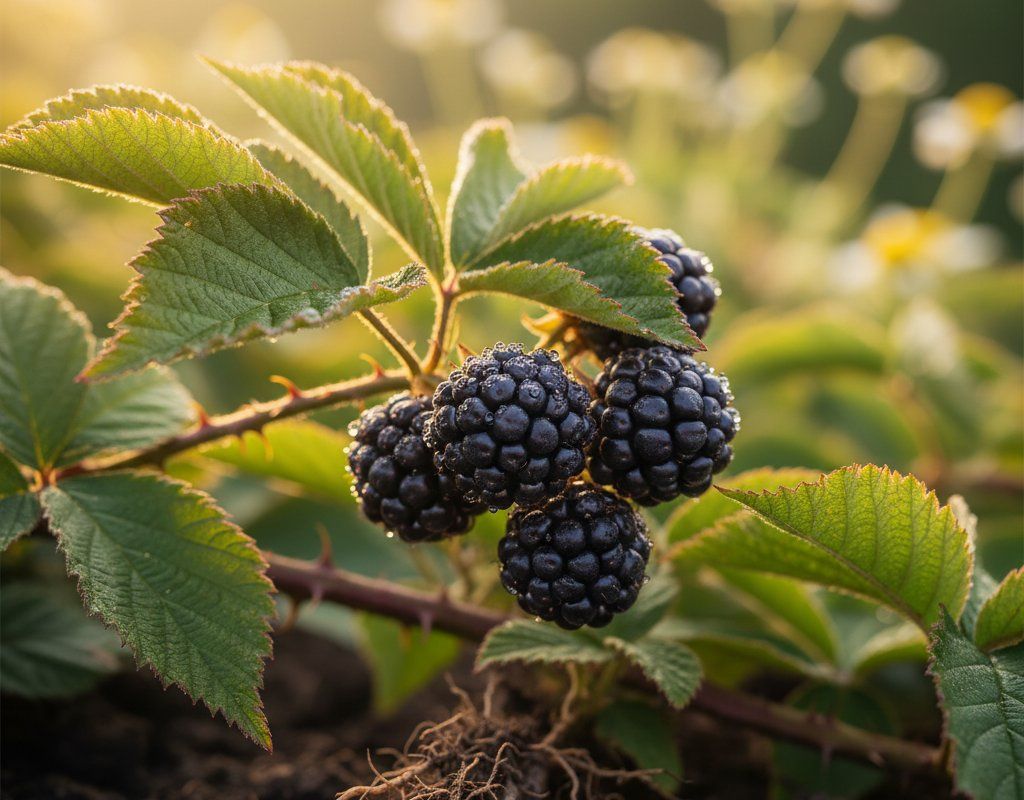
Avoid planting raspberries near potatoes, tomatoes, peppers, and blackberries. Potatoes, tomatoes, and peppers can harbor diseases that affect raspberries. Blackberries compete for nutrients and can also spread diseases.
🌸Best Flowers to Plant with Raspberry
These flowers protect your Raspberry from pests and attract pollinators for better harvests.
For Pest Control
Get a Reminder When It's Time to Plant
We'll email you when key planting windows open for your zone.